






Additional Links
- Legal Video | Can You Refuse a Breathalyzer or Field Sobriety Test in Illinois?
- Legal Video | Are Field Sobriety Tests Required by Illinois Law?
- Legal Video | Are Field Sobriety Tests Reliable for Illinois Cannabis DUI Cases?
- Legal Video | What Should I Do if Pulled Over for a DUI in Illinois?
- Legal Video | Can I Get a DUI For Marijuana in Illinois?
- Legal Video | How Much Does a DUI Lawyer Cost in Chicago, Illinois?
- What Defense Strategies Are Effective in DWI/DUI Cases?
- First-Time DUI in Illinois: What You Need to Know
- The Illinois DUI Laws Chicago Drivers Need to Know
- How to Beat a DUI Charge in Chicago
What Are Field Sobriety Tests?
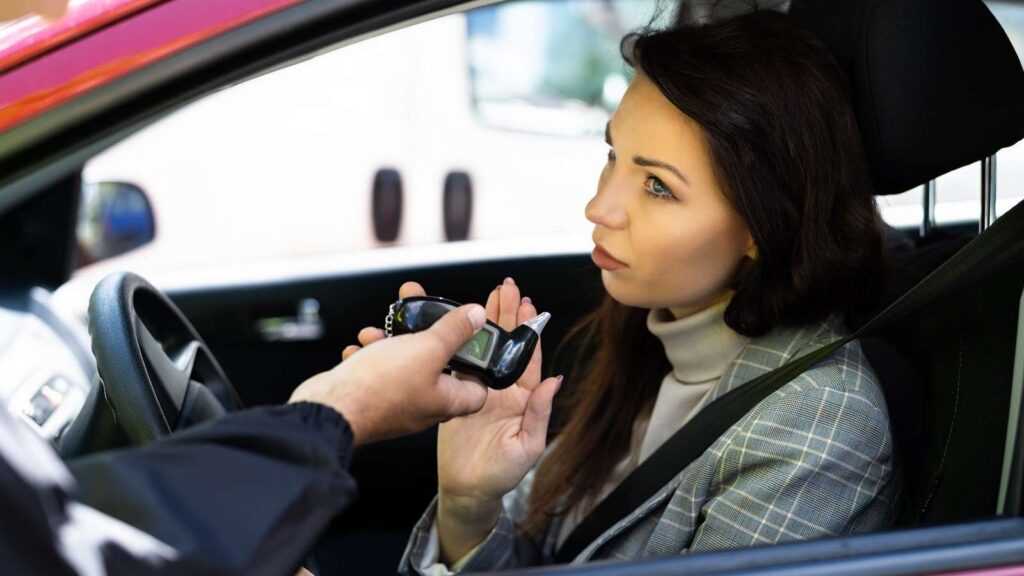
Field sobriety tests are a series of mental and physical roadside exercises that police officers use during DUI investigations to help determine whether a driver may be impaired by drugs or alcohol. Unlike a breath or blood test, these exercises do not measure a person’s blood alcohol content (BAC). Instead, they’re designed to assess a driver’s:
- Balance
- Coordination
- Ability to follow instructions
- Capacity to divide attention between multiple tasks
“I am forever grateful to [Combs Waterkotte]... I was charged with my second DWI and was very scared as to what might happen. [They were] able to get my charge reduced and my license was not suspended for one day. I would strongly recommend [them] to anyone charged with a DWI.”
-Joe | Combs Waterkotte Client
The National Highway Traffic Safety Administration (NHTSA) has developed standardized field sobriety tests that officers across the country (including police in Chicago) are trained to administer. When performed correctly, the tests help officers identify signs of impairment and determine whether probable cause exists to make a DUI arrest. They are not designed to prove that someone is guilty of driving under the influence.
Field sobriety tests are only one part of a DUI investigation. Chicago police may also consider:
- A driver’s driving behavior
- The odor of alcohol or cannabis
- Slurred speech
- Bloodshot or glassy eyes
- Admissions about drinking or drug use
An officer may rely on the totality of all of these circumstances in addition to a field sobriety test when deciding whether to make an arrest.
The Three Standard Field Sobriety Tests Chicago Police Use
NHTSA recognizes three standardized field sobriety tests that officers use to evaluate whether a driver may be impaired. When administered according to NHTSA guidelines, these tests are intended to help officers determine whether probable cause exists for a DUI arrest. The three standardized tests are:
- Horizontal Gaze Nystagmus (HGN) Test
- Walk-and-Turn Test
- One-Leg Stand Test
Horizontal Gaze Nystagmus (HGN)
The Horizontal Gaze Nystagmus (HGN) test measures involuntary jerking of the eyes as they follow a moving object (like a pen or flashlight). During the test, an officer watches for specific “clues” that may indicate impairment, including a lack of smooth eye movement and distinct jerking at certain angles.
Because the HGN test requires more specialized training and precise administration, it is generally considered the most technical of the standardized field sobriety tests. If an officer fails to follow NHTSA procedures or lacks necessary training, the reliability of the results can be challenged in court.
Walk-and-Turn
The walk-and-turn test is a divided-attention exercise designed to evaluate a driver’s ability to follow instructions while performing a physical task. The officer first instructs the driver to stand heel-to-toe while listening to directions. Then, they ask the driver to take nine heel-to-toe steps in a straight line, turn using a series of small steps, and return in the same manner.
Officers are trained to look for several standardized clues during these tests, including:
- Stepping off the line
- Missing heel-to-toe contact
- Using the arms for balance
- Taking the wrong number of steps
- Beginning the test before the instructions are complete
However, factors like uneven pavement, poor weather, injuries, age, or certain medical conditions can affect a person’s performance even when they aren’t impaired.
One-Leg Stand
During the one-leg stand test, the driver is instructed to raise one foot approximately six inches off the ground while counting aloud until they’re told to stop. The exercise is intended to assess balance, coordination, and the ability to divide attention between maintaining one’s posture and performing a mental task.
As with the walk-and-turn test, officers look for standardized clues, including:
- Swaying while balancing
- Using the arms for support
- Hopping
- Putting the raised foot down before the test is complete
While these observations may contribute to an officer’s decision to make a DUI arrest, many sober drivers have difficulty performing the one-leg stand. Factors like physical limitations, fatigue, anxiety, or environmental conditions can all affect someone’s performance.
Can You Refuse Field Sobriety Tests in Chicago, Illinois?
You may refuse field sobriety tests in Chicago in certain scenarios. Illinois law draws an important distinction between traditional alcohol-related DUI investigations and investigations involving suspected cannabis impairment. Understanding that distinction is critical if you’re facing a DUI charge or a driver’s license suspension.
Refusing Field Sobriety Tests During an Alcohol DUI Investigation
In most alcohol-related DUI investigations, Illinois law does not require drivers to perform roadside field sobriety tests. The state’s implied consent law applies only to chemical testing (like breath, blood, urine, or another bodily substance) after an arrest. Field sobriety tests don’t apply to implied consent.
That said, refusing field sobriety testing doesn’t necessarily end the investigation. Illinois State Police DUI procedures direct officers to evaluate the “totality of the circumstances,” including the driver’s:
- Manner of driving
- Physical appearance
- Statements
- Odors
Officers are trained to use standardized field sobriety tests as one part of a broader DUI investigation, but they may still arrest a driver if they believe sufficient evidence of impairment exists without those tests.
Refusing Field Sobriety Tests During a Cannabis DUI Investigation
Cannabis-related DUI investigations are different. Under 625 ILCS 5/11-501.9, Illinois law states that drivers are deemed to have given implied consent to field sobriety tests approved by NHTSA when:
- They have been lawfully detained by a police officer
- The officer reasonably suspects the driver is impaired by cannabis
- The officer has an independent, cannabis-related factual basis supporting their suspicion
The statute also makes it clear that simply possessing a medical cannabis card is, by itself, not enough to establish reasonable suspicion. Before requesting the tests, the officer must advise the driver that refusing or failing to complete them may result in a driver’s license suspension.
If an officer does meet the requirements to administer the test, the driver must comply. Drivers can face Statutory Summary Suspensions of their license for:
- 6 months for failing a field sobriety test
- 12 months for refusing a lawful field sobriety test
Although Chicago police follow their own departmental procedures, their DUI investigation forms document whether a driver completed or refused each standardized field sobriety test, along with the officer’s observations during the investigation.
When Can Chicago Police Ask You to Perform Field Sobriety Tests?
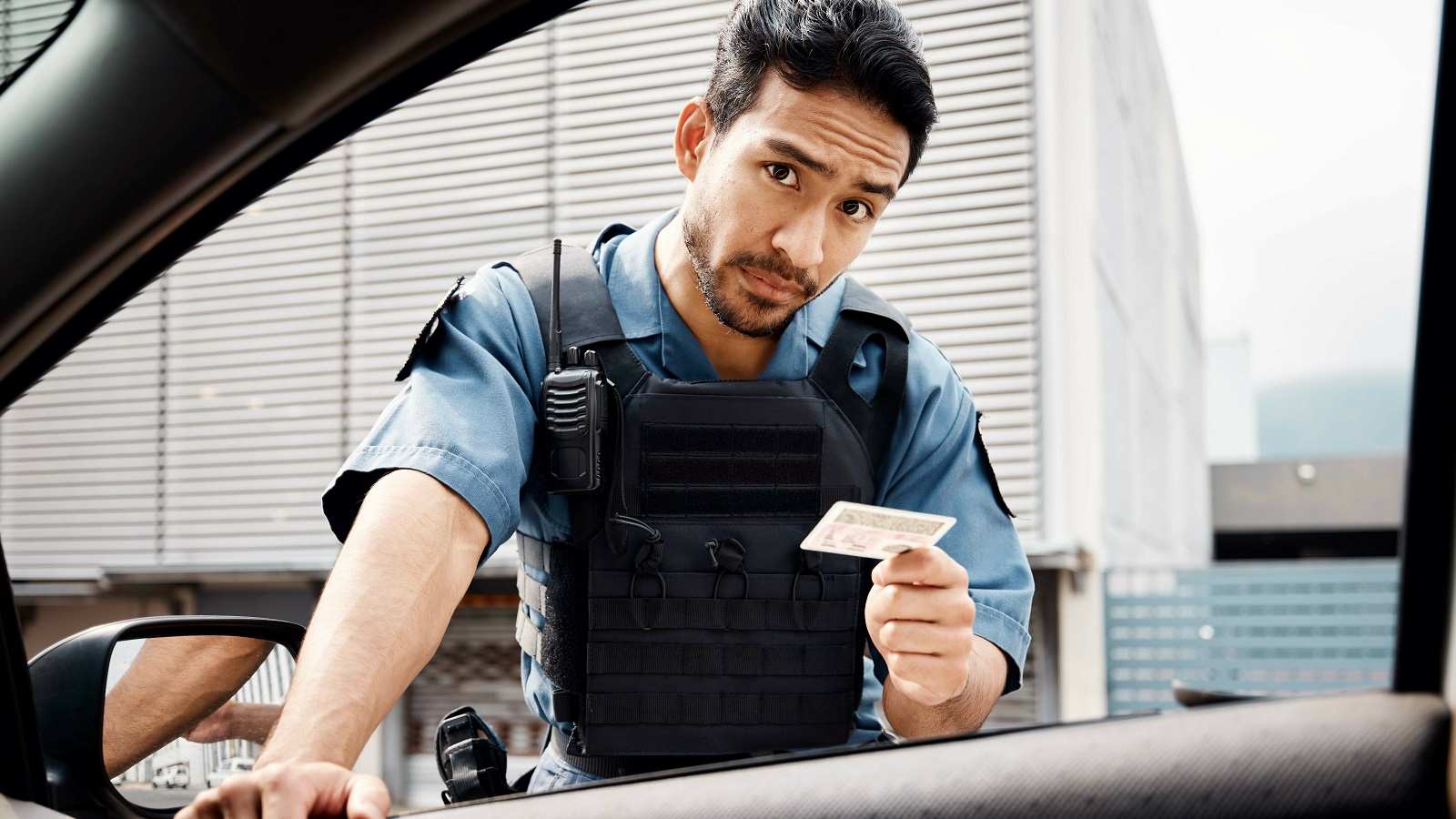
Chicago police officers may request field sobriety tests after a lawful traffic stop when they observe certain behaviors before or during the encounter that give them reason to believe a driver may be impaired. Those observations may include:
The request to perform a field sobriety test often marks the point when an ordinary traffic stop expands into a DUI investigation. Officers do not need enough evidence to convict (or even necessarily enough to make an arrest) before asking a driver to perform roadside tests. Instead, the tests are commonly used to gather additional evidence and decide whether probable cause exists to make an arrest under Illinois’s DUI statute.
Cannabis investigations carry more specific requirements. When marijuana is involved, the officer must have an independent, cannabis-related factual basis creating reasonable suspicion before requesting a field sobriety test.
What Other Tests Are Chicago Police Allowed to Use During Traffic Stops?
Chicago police are not limited to the three NHTSA field sobriety tests. Officers may also ask a driver to perform nonstandard exercises, like:
- Reciting part of the alphabet
- Counting backward
- Touching their finger to their nose
- Estimating the passage of time during a Romberg balance test
- Completing other coordination and attention tasks
The Chicago Police Department’s Administrative Alcohol/Drug Influence Report specifically includes space for officers to document a finger-to-nose test (and any refusal to perform it).
The additional exercises should not be confused with the horizontal gaze nystagmus, walk-and-turn, and one-leg stand tests. Illinois State Police Directive ENF-018 distinguishes NHTSA’s three validated tests from other non-validated field sobriety tests. The directive permits officers to use other tests when appropriate under the circumstances, but officers should only perform the tests they are trained to conduct.
Because these exercises are not part of the validated three-test battery, their administration and interpretation may provide additional ground for a Chicago DUI lawyer to challenge an officer’s conclusions. Poor instructions, subjective scoring, medical limitations, anxiety, or unfamiliarity with a requested task can all affect performance without necessarily proving impairment.