
Being arrested for DUI is stressful enough. But if you refused a breathalyzer test during a Chicago traffic stop, you’re probably wondering whether that decision will help or hurt your case. Many drivers are surprised to learn that refusing a chemical test can lead to serious license consequences.
Under Illinois law, refusing a breathalyzer test can lead to an automatic license suspension. However, refusal doesn’t automatically mean you’ll be convicted of DUI. It also doesn’t mean you’re out of options.
Understanding what happens next can help you to protect your driver’s license, prepare your criminal defense, and make informed decisions about your Chicago DUI case.
What’s in this guide:
- What Happens Immediately After You Refuse a Breathalyzer Test in Chicago?
- Will Refusing a Breathalyzer Suspend Your Driver’s License?
- Can You Still Be Charged With DUI If You Refuse a Breathalyzer?
- Can You Challenge a Statutory Summary Suspension?
- Can You Get Driving Privileges Back During a Suspension?
What Happens Immediately After You Refuse a Breathalyzer Test in Chicago?
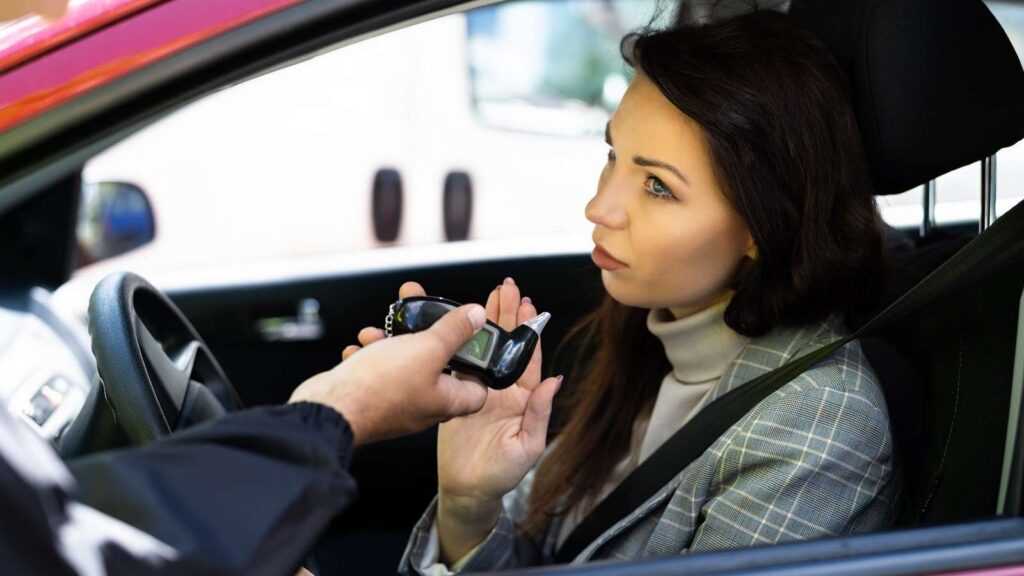
If you refuse a breathalyzer test after bring arrested for DUI in Chicago, the traffic stop doesn’t simply end here. Under 625 ILCS 5/11-501.9(a), the state of Illinois uses an implied consent system, which means anyone who drives on Illinois roads automatically consents to chemical testing if they’re lawfully arrested for driving under the influence.
After the refusal, the arresting officer will usually tell you that your decision carries automatic driver’s license consequences. They’ll complete paperwork documenting your refusal and serve you with a notice of statutory summary suspension. This administrative suspension is separate from criminal DUI charges. It can take effect even if you’re never convicted of DUI.
Will Refusing a Breathalyzer Suspend Your Driver’s License?
In Chicago, Illinois, refusing a breathalyzer or any other chemical test after you’re lawfully arrested for DUI can trigger a process called statutory summary suspension. These suspensions are handled by the Illinois Secretary of State and, while they occur automatically after a DUI test refusal, they can still be challenged.
For a lot of Chicago and Cook County drivers, the license penalties for refusal are actually harsher than the penalties for taking and failing the test. Under 625 ILCS 5/6-208.1(a), statutory summary suspensions last for the following periods of time based on the circumstances of the chemical testing and the driver’s DUI history:
- First-time failed chemical test: 6-month license suspension
- First-time DUI-related refusal: 12-month license suspension
- Repeat failed chemical test: 12-month license suspension
- Repeat DUI-related refusal: 36-month license suspension
Illinois’s implied consent law applies to breath, blood, urine, and other bodily substance testing after a DUI arrest. If you refuse, the state can still suspend your license, even if your DUI charge is later reduced or dismissed.
This is one of the most important things to understand about Chicago DUI cases: A statutory summary suspension is an administrative penalty, not a criminal conviction. That means two things can be true at the same time:
- You can still be presumed innocent of DUI in criminal court
- You can still lose your driver’s license due to a testing refusal
Statutory summary suspensions usually begin on the 46th day after you receive your official notice. However, you still have options to challenge the suspension or to seek limited driving privileges depending on your record and the circumstances around your DUI.
Can You Still Be Charged With DUI If You Refuse a Breathalyzer?
Yes. Refusing a breathalyzer test does not prevent Cook County or Chicago prosecutors from filing DUI charges against you. While the state may not have a blood alcohol concentration (BAC) test result to use, the prosecution can still use evidence like:
- Observations by the arresting officer
- Signs of impairment (slurred speech, bloodshot eyes)
- Poor driving behavior before the traffic stop
- Field sobriety test results
- Police bodycam or dashcam footage
- Witness testimony
- Your own damaging statements
In some cases, prosecutors may try to argue that a refusal to take a breathalyzer test suggests guild. While a refusal does not automatically prove impairment, it can become part of the evidence presented in court.
Still, at Combs Waterkotte, we suggest refusing breathalyzer and other chemical testing at all times unless police have a warrant. A positive result for BAC over the legal limit is the most damaging evidence possible in a DUI case. We’d rather keep our clients’ DUI criminal defense as strong as possible while dealing with the relatively less severe license and administrative consequences.
Can You Challenge a Statutory Summary Suspension?
Yes, in many cases, Illinois law allows drivers to challenge a statutory summary suspension by filing a petition to rescind the suspension in court. Successfully challenging the suspension can restore your driving privileges, even while the underlying DUI case remains pending.
A petition to rescind an SSS isn’t just a request for leniency. Instead, it argues that the suspension should be overturned because the state has failed to satisfy specific legal requirements. Common grounds for challenging a statutory summary suspension include:
- The officer lacked reasonable grounds to believe a driver was under the influence
- The traffic stop or DUI arrest was unlawful
- The driver was not properly warned about the consequences of refusing testing
- The officer failed to follow certain required procedures
These hearings usually focus on technical legal issues, police procedures, and the specific facts around the arrest. Evidence presented during a hearing can also provide valuable insight into the prosecution’s criminal case.
Because the deadlines and legal standards can be complex, many drivers choose to hire a DUI defense lawyer after receiving notice of a statutory summary suspension. Given the 46-day deadline, acting quickly can help preserve opportunities to challenge the loss of your driving privileges.
Can You Get Driving Privileges Back During a Suspension?
Losing your driver’s license after refusing a breathalyzer test doesn’t necessarily mean you’ll be completely barred from driving. Depending on your circumstances, Illinois law may allow you to obtain limited driving privileges during a statutory summary suspension.
Many first-time DUI offenders in Chicago qualify for a monitoring device driving permit (MDDP). This permit allows certain drivers to continue driving during their suspension if they install a breath alcohol ignition interlock device (BAIID). This device requires drivers to provide a breath sample in order to start their vehicle to prove they are not under the influence.
In other cases, a driver may qualify for a restricted driving permit (RDP), also known as a hardship license. This license lets drivers drive on a restricted basis during designated time to and from specified areas, like to work, school, or medical appointments. RDPs are typically more restrictive than MDDPs and often apply to individuals with multiple DUI convictions.
It’s important to know that not everyone will qualify for an MDDP or an RDP, and the application process can involve strict deadlines and requirements. A DUI attorney can help you determine whether you qualify for driving relief and guide you through the process of seeking it.
Should You Contact a Chicago DUI Lawyer After Refusing a Breathalyzer?
If you refused a breathalyzer test during a DUI stop in Chicago, it’s important to know that the consequences can extend beyond criminal charges. An SSS can threaten your driver’s license long before your case goes to trial, and the decisions you make in the days following your arrest can significantly impact the outcome of your case.
An experienced Chicago DUI lawyer can help by evaluating whether your traffic stop, arrest, and suspension complied with Illinois law. In some cases, it may be possible to challenge the suspension and seek driving privileges during the suspension period.
At Combs Waterkotte, our attorneys understand the stress and uncertainty that follows a DUI arrest. We help clients throughout Chicago and Cook County navigate the license suspension process and even defend against criminal DUI charges.
If you refused a breathalyzer test, contact our team online today or reach out at (314) 900-HELP to discuss your legal options and learn how we can get you the best possible outcome in your Chicago DUI case.