






Common Juvenile Crime Cases in Chicago
In Chicago, juvenile crimes can encompass a wide range of “delinquent acts” that include theft crimes, property crimes, violent crimes, sex crimes and crimes that involve drinking/drugs.
At Combs Waterkotte, we are experienced with handling juvenile crime cases that include:
- Assault
- Sexual Assault
- Juvenile Sexting/Internet Crimes
- Drug Charges
- Gun Crimes
- DUI
- Juvenile Charged as an Adult Cases
When you or your child has been accused of committing a juvenile crime, we understand that this is a scary and overwhelming time. For the legal guidance and peace of mind you need right now, call our Chicago juvenile crimes lawyer today at (314) 900-HELP.
Chicago Juvenile Assault
If you are under 18 and charged with assault in Chicago, we can help you. Assault charges involve “intentionally causing reasonable fear of harm or making offensive contact (which is known as battery).”
An assault charge can be a felony charge if a weapon was used, a victim was a teacher or police officer or if severe injury occurred. Additionally, in specific violent cases in Illinois, you can be tried as an adult and face adult criminal penalties.
For aggressive legal defense, don’t hesitate to call our Chicago juvenile assault lawyers at Combs Waterkotte.
Chicago Juvenile Sexual Assault
If you are under 18 and accused of sexually penetrating someone or sexually contacting them, without their consent (or they were unable to provide lawful consent), then you are facing juvenile sexual assault charges.
Penalties for this crime can include:
- Probation
- Counseling
- Mandatory Sex Offender Registration
In some cases, adult prosecution may occur or you can face secure detention (a temporary, physically restrictive residential placement for juveniles accused of crimes). To protect your rights and best interests in a Chicago juvenile sexual assault case, call our legal team at Combs Waterkotte today.
Chicago Juvenile Sexting/Internet Crimes
You can be charged with juvenile sexting or a juvenile internet crime in Illinois, if you:
- Sent, received or forwarded explicit images
- Possessed explicit images
- Distributed through texts, apps or social media
You can be charged under Illinois child pornography laws, even if you and the other party involved are both minors. Penalties for these crimes may include juvenile court adjudication, mandatory counseling/supervision, school discipline issues and device seizure/digital forensic review.
These cases focus on intent, whether the image was solicited or unsolicited, how the image was stored and shared and whether law enforcement or school officials initiated the investigation. Our Chicago juvenile internet crimes lawyers can help you fight back, identifying defenses such as unlawful searches, lack of intent to distribute and peer-to-peer communication rather than exploitation.
Chicago Juvenile Drug Charges
A Chicago juvenile drug charge can involve possession of controlled substances, delivery or possession with intent to deliver. Charges often depend upon the amount of drugs, packaging and the circumstances of the stop and search.
Drugs that are frequently involved in these types of cases include:
If you are 15 or 16 and charged with selling drugs within 1,000 feet of a school or public housing, then you can be automatically prosecuted as an adult. These cases often involve the searches of backpacks, lockers, phones and vehicles and can involve the violation of your constitutional rights. For aggressive legal defense in your Chicago juvenile drug crime case, call Combs Waterkotte today.
Chicago Juvenile Gun Crimes
In Chicago, juvenile gun crimes can involve unlawful or aggravated unlawful use of a weapon, possession of a firearm by a minor or armed violence. These charges can be enhanced if they occurred near a school, park, public housing or on public transit.
Penalties can include:
- Juvenile detention or probation
- Mandatory firearm safety or counseling programs
- School discipline (suspension or expulsion)
- Potential long-term record implications
Whether you were arrested for carrying a weapon on public transportation or were involved in a shootout, our legal team at Combs Waterkotte can defend you. As certain firearm related offenses can transfer to adult criminal court, you should not hesitate to reach out to our Chicago juvenile gun crimes defense lawyers today to better understand all of your legal options.
Chicago Juvenile DUI
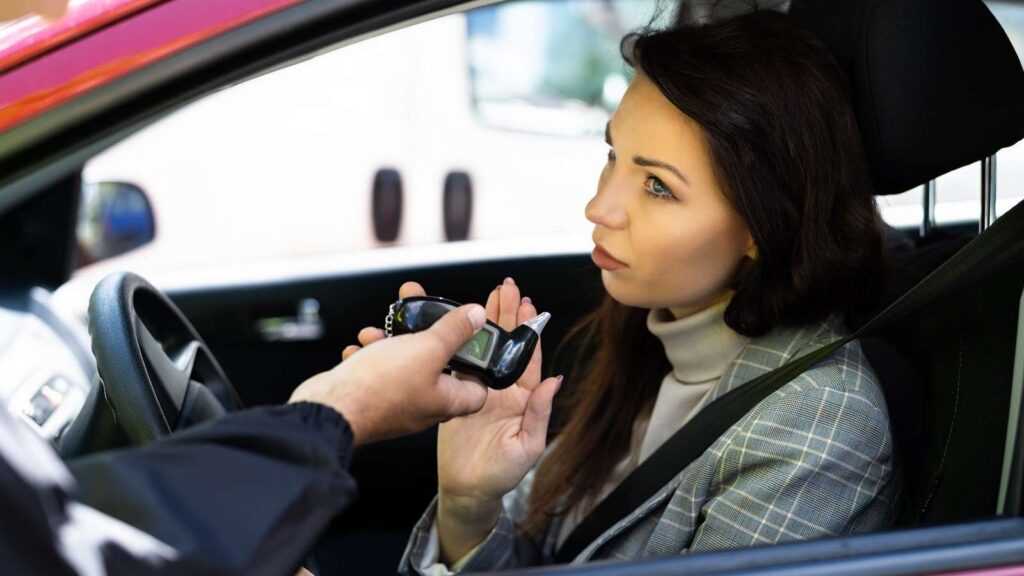
Because Chicago has a “Zero Tolerance” law for drivers under 21 (meaning 0.00-0.02 BAC can trigger automatic penalties), you need to act quickly if you are facing juvenile DUI charges.
If convicted of juvenile DUI, you will be looking at penalties that include:
- A driver’s license revocation for a minimum of 2 years
- A fine up to $2,500
- Up to one year in jail
In addition to alcohol, you can be charged with a DUI in Chicago if police believe you were impaired by drugs while driving, including cannabis, prescription drugs or other controlled substances.
Depending on the circumstances surrounding your case, you can also face additional charges such as aggravated DUI with a child passenger, illegal possession of alcohol / drugs and using a fraudulent ID to purchase alcohol. You can also face additional penalties if an injury / death or property damage resulted.
Along with the penalties listed above, you could also face school suspension, expulsion or difficulties applying for colleges. With so much on the line, it is imperative that you speak with our proven Chicago juvenile DUI lawyers at Combs Waterkotte today.
Juvenile Charged as an Adult Cases
In certain serious cases, a juvenile can be prosecuted in adult criminal court, which exposes them to significantly harsher penalties and a permanent criminal record.
If You are 13-15 Years Old: A prosecutor may request to transfer your case to adult criminal court if you are charged with a specific felony offense. A judge will then decide whether the transfer is appropriate.
If You are 16-17 Years Old: For specific felonies (such as murder, aggravated sexual assault or aggravated battery with a firearm), your case will be automatically transferred to adult criminal court.
Presumptive Transfer Cases: In some situations, the law assumes your case should be handled in adult criminal court. This is known as presumptive transfer, which means the burden is on the defense to prove why your case should remain in juvenile court.
When the possibility of an adult prison sentence, long-term incarceration and a permanent criminal record are on the line, you cannot afford to take your charges lightly. To fight against a transfer to adult criminal court, contact our Chicago juvenile crimes lawyer immediately.
How Juvenile Cases are Treated Differently Than Adult Cases
Juvenile cases in Illinois emphasize rehabilitation over punishment. Juvenile court judges are given greater discretion to order alternatives such as supervision, counseling and treatment, as opposed to incarceration.
In addition to this differentiator, juvenile cases also include confidential hearings, lack of jury trials and the potential transfer to adult court, when an offense is serious.
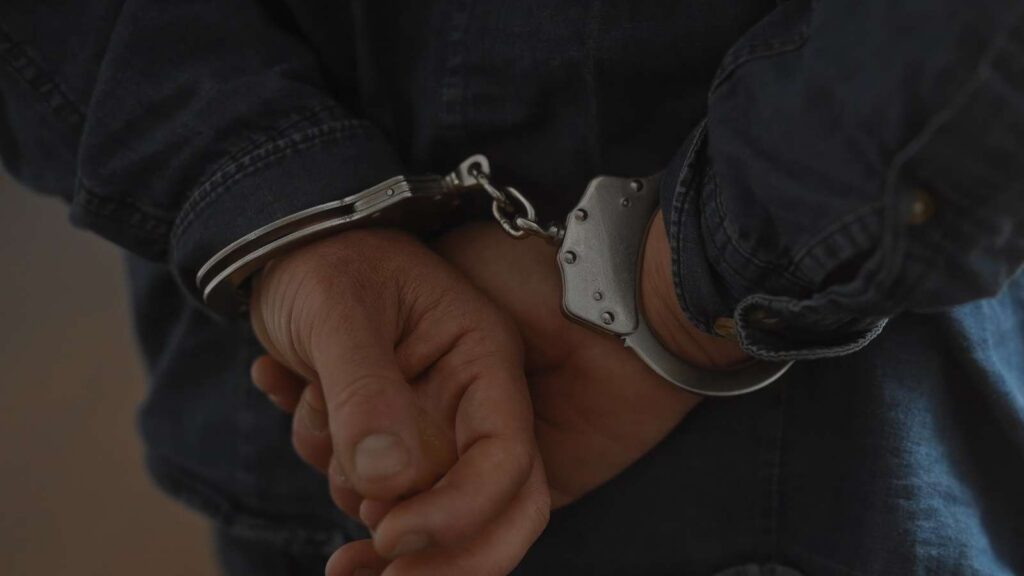
Once you are charged with a juvenile crime, you will either be released to your parents or guardian or held in a secure detention facility while your case proceeds. Retaining legal defense early on is advisable and can significantly impact how your case is handled and resolved.
What Happens After a Juvenile Arrest in Chicago
The aftermath of a juvenile arrest is usually as follows:
- Station Adjustments (Release): Police may use a station adjustment, which is an informal or formal agreement to handle the case without filing charges. This can include curfews, community service or counseling. Parents are usually involved at this point and need to be notified immediately.
- Detention Hearing: A detention hearing must occur within 40 hours, for the minor that is not released. A judge will decide here if you are a flight risk, a danger or if you need to remain in custody at the juvenile temporary detention center (JTDC).
- Charges: The state attorney will decide whether to file a juvenile petition, which is a formal charge.
- Adjudication and Disposition: The case goes to a trial (known as the adjudication) and if you are found guilty, you will attend a sentencing hearing (known as the disposition).
- Potential Outcomes: A judge could prescribe probation, electronic monitoring, house arrest or commitment to a secure facility.
When you retain our Chicago juvenile crimes lawyers, we will walk you through this entire process so you can have clarity and peace of mind.
How to Protect Your Rights After a Chicago Juvenile Arrest
Following a juvenile arrest in Chicago, you should
- Invoke Your Right to Remain Silent
- Do Not Answer Questions Without a Lawyer Present
- Do Not Sign Anything Without Legal Guidance
- Ensure Your Parents are Notified
- Refuse Consent to Searches
- Demand a Criminal Defense Lawyer
- Insist on Your Parents’ Right to be Present
- Avoid Discussing the Case with Anyone Else
- Have a Detention Hearing (Within 40 Hours)
What you do immediately after an arrest can significantly impact the outcome of your case. To understand your legal options and to fight for the most favorable resolution, don’t hesitate to reach out to our Chicago juvenile crimes lawyers.
Potential Penalties for Juvenile Crimes in Illinois
Common penalties for juvenile crimes in Illinois include:
- Probation (can include conditions such as school attendance/drug testing)
- Community Service & Fines
- Counseling/Therapy
- House Arrest
- Electronic Monitoring
- Detention in a Secure Facility
- Residential Placement (removal to foster care or specialized residential facilities)
Other possible penalties:
- Extended Detention (up to 40 years for severe cases)
- Blended Sentencing (time in a juvenile facility until you turn 18 and are then transitioned to an adult prison)
- Adult Prosecution (for eligible offenses, such as violent crimes, you may be tried as an adult and face adult jail, prison and even a life sentence, in extreme cases)
As juvenile crime penalties have the potential to be severe and life-changing, it is recommended that you speak with a Chicago juvenile crimes lawyer immediately to assess your legal options and the potential consequences you are facing.
Long-Term Consequences of a Chicago Juvenile Conviction
Beyond penalties such as probation, counseling and detention, a Chicago juvenile conviction can impact you for years–or even a lifetime.
These long-term consequences can include:
- Educational Limitations (school expulsions, restrictions in financial aid, etc.)
- Limited Employment and Career Opportunities (difficulty securing jobs, professional licensing restrictions and military ineligibility)
- Housing Challenges
- Immigration Consequences (including potential deportation or status issues)
- Social Stigma and Damage to Personal Relationships
Because a juvenile record can have far-reaching consequences, it is critical to act immediately after a Chicago juvenile arrest. We can help you fight your juvenile charge or minimize the long-term impact upon your future.