



Additional Links
- Legal Video | Can I Get a DUI For Marijuana in Illinois?
- Legal Video | What’s the Difference Between a Misdemeanor and Felony Drug Charge in Illinois?
- Legal Video | Can I Be Charged if the Drugs Weren’t Mine in Illinois?
- Legal Video | What Are the Most Common Drug Crimes in Illinois?
- Legal Video | What Are Drug Schedules in Illinois?
- Legal Video | What Happens if I’m Caught With Drugs in Illinois?
- What Are the Penalties for Drug Possession in Illinois?
- What to Do After Being Caught With Drugs in Illinois
- How to Beat a Drug Charge in Illinois
Marijuana Charges Lawyer in Chicago, Illinois Serving All of Cook County
Marijuana charges in Chicago and throughout Cook County should never be taken lightly. While Illinois has legalized recreational cannabis, prosecutors still pursue cannabis-related convictions involving large amounts of weed or possession by minors. A conviction can lead to fines, jail time, a permanent criminal record, and other consequences that can impact your future for years to come.
At Combs Waterkotte, we understand that marijuana arrests often stem from misunderstandings, questionable searches, or disputes over the facts of a case. Our criminal defense team has more than 100 years of combined experience defending Chicago and Cook County clients against serious criminal charges. When you hire our firm, we thoroughly examine every aspect of the prosecution’s case, challenge illegally obtained evidence, and work aggressively to have your charges reduced or dismissed whenever possible.
“Combs Waterkotte is very professional and effective with everything they explain they can do. I was a given a fair attorneys fee and I was not treated as if I just another client I was treated with respect and my money was valued. I will continue to use this firm for any legal needs in the future”
-Shermaine W. | Combs Waterkotte Client
From the moment you contact us, we’ll begin building a defense strategy tailored to your specific circumstances. Whether you’re facing a misdemeanor marijuana offense or a serious felony cannabis charge, our team is prepared to negotiate with prosecutors and, when necessary, fight for you at trial.
If you’ve been arrested for a marijuana-related offense in Chicago or anywhere in Cook County, don’t wait to get legal representation. Contact Combs Waterkotte online or call (314) 900-HELP today for a free, confidential consultation and start protecting your rights, your reputation, and your future.
Is Weed Legal in Chicago, Illinois?

Yes, recreational marijuana use is legal in Chicago and Cook County, Illinois for adults 21 years of age or older. There are some important caveats to understand, though.
For decades, marijuana was classified as a Schedule I controlled substance under Illinois law. But in June of 2019, Illinois governor J.B. Pritzker signed HB1438 into law, making recreational marijuana use legal in Illinois in certain scenarios.
Under the Cannabis Regulation and Tax Act, adults 21 years of age or older are allowed to possess certain amounts of marijuana. 410 ILCS 705/10-10 defines the possession limits, providing ranges both for Illinois residents and non-resident visitors to the state:
- Illinois residents may possess:
- Up to 30 grams of cannabis flower
- Up to 5 grams of cannabis concentrate
- Up to 500 mg THC in infused products
- Non-Illinois residents may possess:
- Up to 15 grams of flower
- Up to 2.5 grams of concentrate
- Up to 250 mg THC in infused products
Outside of these specified amounts, criminal charges are still on the books in the state of Illinois for certain marijuana possession, trafficking, and growing offenses.
Illinois Marijuana Laws: What Weed Crime Are Still Punishable in Chicago?

While the Illinois Cannabis Regulation and Tax Act defines legal cannabis use in Chicago and Cook County, the Cannabis Control Act covers offenses that are still illegal regarding marijuana. These offenses include:
- Driving under the influence of marijuana
- Unlawful possession of cannabis
- Manufacturing or possessing cannabis with the intent to deliver it
- Selling cannabis on school grounds
- Growing cannabis without a license
Marijuana DUI in Chicago
While Chicago and Cook County residents are legally allowed to enjoy marijuana recreationally, driving under the influence of marijuana is still a crime. 625 ILCS 5/11 defines driving under the influence and its penalties in Illinois, and 625 ILCS 5/11-501(7) specifically says that:
- An individual may not have tetrahydrocannabinol (THC) in their system within 2 hours of driving a vehicle
625 ILCS 5/11-501.2 covers the concentration thresholds related to driving under the influence of marijuana. According to this statute, the legal limits for driving with THC in your system in Illinois are:
- 5 nanograms or more per milliliter of blood
- 10 nanograms or more per milliliter of “other bodily substance” (saliva/urine)
Penalties for driving under the influence of marijuana are treated exactly the same as driving under the influence of alcohol in Illinois. While a first-time and even second-time DUI offense is often a Class A misdemeanor, subsequent offenses or aggravating factors can result in felony DUI charges.
Unlawful Possession of Cannabis
Under 720 ILCS 550/4, possession of marijuana outside the allowable thresholds outlined in the Cannabis Regulation and Tax Act is still a crime in Chicago and Cook County. The marijuana possession law outlines the following penalties for the following amounts:
- Less than 10 grams (applies to people under 21) — A civil violation with a fine between $100 and $200
- 10 to 29 grams (applies to people under 21 and non-residents) — Clas B misdemeanor
- 30 to 99 grams
- Class A misdemeanor
- Class 4 felony for a subsequent offense
- 100 to 499 grams
- Class 4 felony
- Class 3 felony for a subsequent offense
- 500 to 1,999 grams — Class 3 felony
- 2,000 to 4,999 grams — Class 2 felony
- 5,000 grams or more — Class 1 felony
Manufacturing Cannabis and Possession with Intent to Deliver
Like other drug-related offenses in Illinois, manufacturing (in this case, growing) or possessing a controlled substance with the intent to distribute it carries more severe penalties than a standard possession charge.
While marijuana is legal in Illinois, it is still illegal to grow or attempt to sell if without proper licensure. Under 720 ILCS 550/5, individuals may face the following criminal penalties for manufacturing or possessing with the intent to sell marijuana for the following amounts:
- Less than 2.5 grams (applies to people under 21) — A Class B misdemeanor
- 2.5 to 9 grams (applies to people under 21) — A Class A misdemeanor
- 10 to 29 grams (applies to people under 21 and non-residents) — A Class 4 felony
- 30 to 499 grams — A Class 3 felony and a fine up to $50,000
- 500 to 1,999 grams — A Class 2 felony and a fine up to $100,000
- 2,000 to 4,999 grams — A Class 1 felony and a fine up to $150,000
- 5,000 grams or more — A Class X felony and a fine up to $200,000
Selling Cannabis on School Grounds
720 ILCS 550/5.2 makes it illegal to sell marijuana on or near school grounds during school hours or while it’s reasonable to expect children to be present. A violation fo this law may result in the following penalties for the following quantities of cannabis:
- Less than 2.5 grams — A Class A misdemeanor
- 2.5 to 9 grams — A Class 4 felony and a fine up to $25,000
- 10 to 29 grams — A Class 3 felony and a fine up to $50,000
- 30 to 499 grams — A Class 2 felony and a fine up to $100,000
- 500 grams or more — A Class 1 felony and a fine up to $200,000
Growing Cannabis without a License
While growing cannabis in Illinois is legal with the proper licenses, individuals growing marijuana on their own may still be punished under the law. 720 ILCS 550/8 criminalizes the production of cannabis plants, outlining the following penalties for having the following amounts of plants:
- 5 plants or less — A civil violation with a fine between $100 and $200
- 5 to 19 plans — A Class 4 felony
- 20 to 49 plants — A Class 3 felony
- 50 to 199 plants — A Class 2 felony with a fine up to $100,000
- 200 plants or more — A Class 1 felony with a fine up to $100,000
Criminal Defense Strategies Against Chicago Marijuana Charges
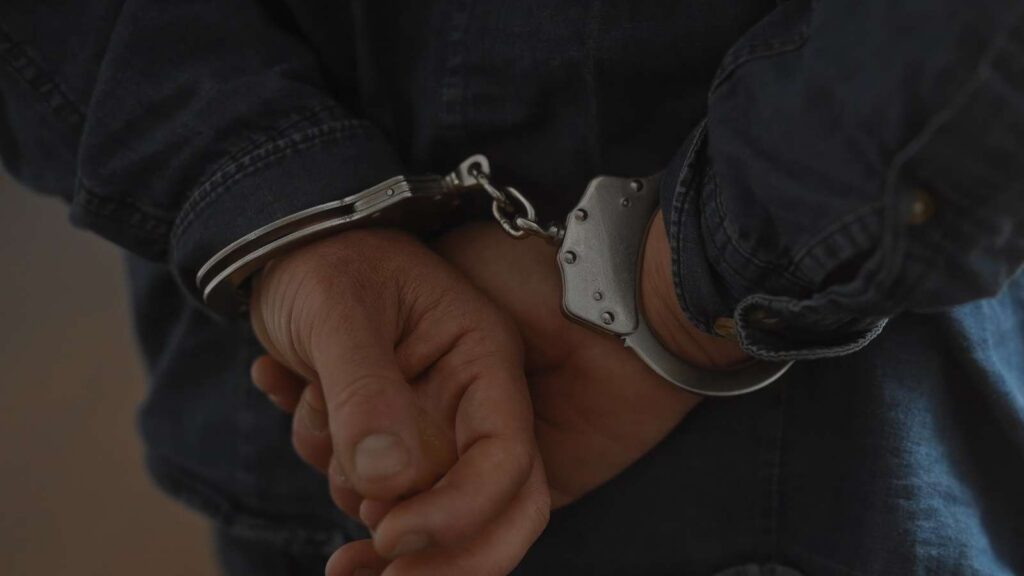
Like any other drug crime, a marijuana charge in Chicago or Cook County can carry severe consequences. At Combs Waterkotte, we fight cannabis-related drug charges by using the following criminal defense strategies.
Challenging Unlawful Searches and Seizures
Many marijuana cases begin with a traffic stop, vehicle search, or police encounter that may not comply with constitutional requirements. A Chicago criminal defense attorney can examine whether law enforcement had reasonable suspicion to initiate the stop and whether or not they had probable cause to conduct a search. If officers violated the Fourth Amendment during their search, key evidence may be suppressed. When the prosecution loses access to the cannabis evidence itself, the State's case may weaken significantly or be dismissed entirely.
Arguing Lack of Knowing Possession
In marijuana cases, Cook County prosecutors must prove that a defendant knowingly possessed the cannabis in question. In many cases, marijuana is discovered in a shared vehicle, residence, or other location accessible to multiple people. The mere presence of weed near an individual does not automatically establish possession. Defense counsel may challenge the prosecution's ability to prove ownership, control, or knowledge of the substance, creating reasonable doubt about whether the accused actually possessed the marijuana.
Contesting Constructive Possession Allegations
High-weight marijuana cases often rely on constructive possession rather than evidence that cannabis was found directly on a defendant. Prosecutors may argue that a person exercised control over a home, vehicle, storage unit, or other location where marijuana was discovered. An effective defense may focus on demonstrating that other individuals had equal or greater access to the area. By attacking the connection between the defendant and the cannabis, counsel may undermine a critical element of the state's case.
Challenging Marijuana Weight Calculations
The severity of a Chicago marijuana charge depends on the alleged weight of the cannabis involved. Prosecutors must establish the quantity through reliable testing and evidence procedures. A defense attorney may scrutinize laboratory reports, chain-of-custody records, and weighing methods for errors or inconsistencies. If the state cannot prove the alleged weight beyond a reasonable doubt, felony charges may be reduced to less serious offenses that carry significantly lower penalties.
Disputing Intent to Deliver Allegations
Under Illinois law, possession with intent to deliver charges carry far more severe consequences than simple possession offenses. However, prosecutors have to prove more than mere possession of a large quantity of cannabis to establish intent to deliver. Defense attorneys may challenge the significance of cash, packaging materials, cell phone messages, or other circumstantial evidence offered to show distribution activity. In some cases, counsel can argue that the evidence supports personal use rather than an intent to sell or deliver marijuana.
Demonstrating Compliance With Illinois Cannabis Laws
Because recreational cannabis use is legal in Illinois for adults over 21 years old, not every marijuana-related arrest results in a valid criminal charge. Defense attorneys may evaluate whether the accused was acting within applicable possession limits or otherwise complied with Illinois cannabis regulations. In some situations, law enforcement officers may misunderstand the law or incorrectly classify lawful conduct as criminal behavior, creating opportunities to challenge the prosecution's allegations.
Negotiating Charge Reductions and Alternative Resolutions
Not every successful defense against a Chicago weed charge requires a trial. In appropriate cases, a skilled criminal defense attorney may negotiate with prosecutors for reduced charges, diversionary programs, probationary sentences, or other favorable resolutions. This strategy can be valuable for individuals facing first-time marijuana charges or those seeking to avoid a permanent criminal record. Early intervention by a lawyer usually improves the likelihood of an outcome that minimizes long-term consequences.
What to Do If You’re Arrested for Marijuana in Chicago, Illinois

An arrest for a marijuana offense can be stressful and create problems for years to come. The expert criminal defense lawyers at Combs Waterkotte recommend the following steps for anyone in Chicago or Cook County who is arrested for a cannabis offense.
- Exercise your right to remain silent — Anything you say to the police can be used against you later. Provide your identifying information if required, but avoid discussing the allegations, answering investigative questions, or offering explanations without a lawyer present.
- Contact a Chicago marijuana defense lawyer immediately — Early legal representation allows an attorney to evaluate the evidence, protect your constitutional rights, identify potential defenses, and begin working toward the best possible outcome in your case.
- Remain calm and avoid resisting arrest — Arguing with officers, attempting to flee, or physically resisting can lead to additional charges. Staying calm helps protect your rights and prevents a marijuana arrest from becoming a more serious situation.
- Do not consent to searches — If officers ask for permission to search your vehicle, home, phone, or belongings, you generally have the right to refuse. Refusing a search may allow your attorney to challenge its legality later.
- Document everything you remember — As soon as possible, write down details about the stop, search, arrest, and interactions with law enforcement. Small details can become important when building a defense or challenging police conduct.
- Avoid discussing your case with anyone — Conversations with friends, family members, or other individuals are generally not protected. Statements made after an arrest can become evidence, even if they were intended to be private.
- Comply with all court dates and release conditions — Missing a court appearance or violating bond conditions can result in additional penalties and make it more difficult to resolve your marijuana case favorably. Make sure you stay in the court’s good graces.