






Common Weapons and Gun Charges in Chicago
There are a variety of weapons-related offenses you can be charged with in Chicago.
Some of the most common offenses involving weapons/guns include:
- The unlawful possession of a weapon: This offense involves possessing a gun that is loaded, not broken down or not in a case and it’s usually carried out in public.
- Aggravated unlawful use of a weapon: This is a more serious offense that involves prior convictions, possession in a restricted area or lack of proper licensing.
- Possessing firearms without a valid FOID or CCL license: This offense involves possessing a firearm without a FOID card or carrying a firearm without a CCL license.
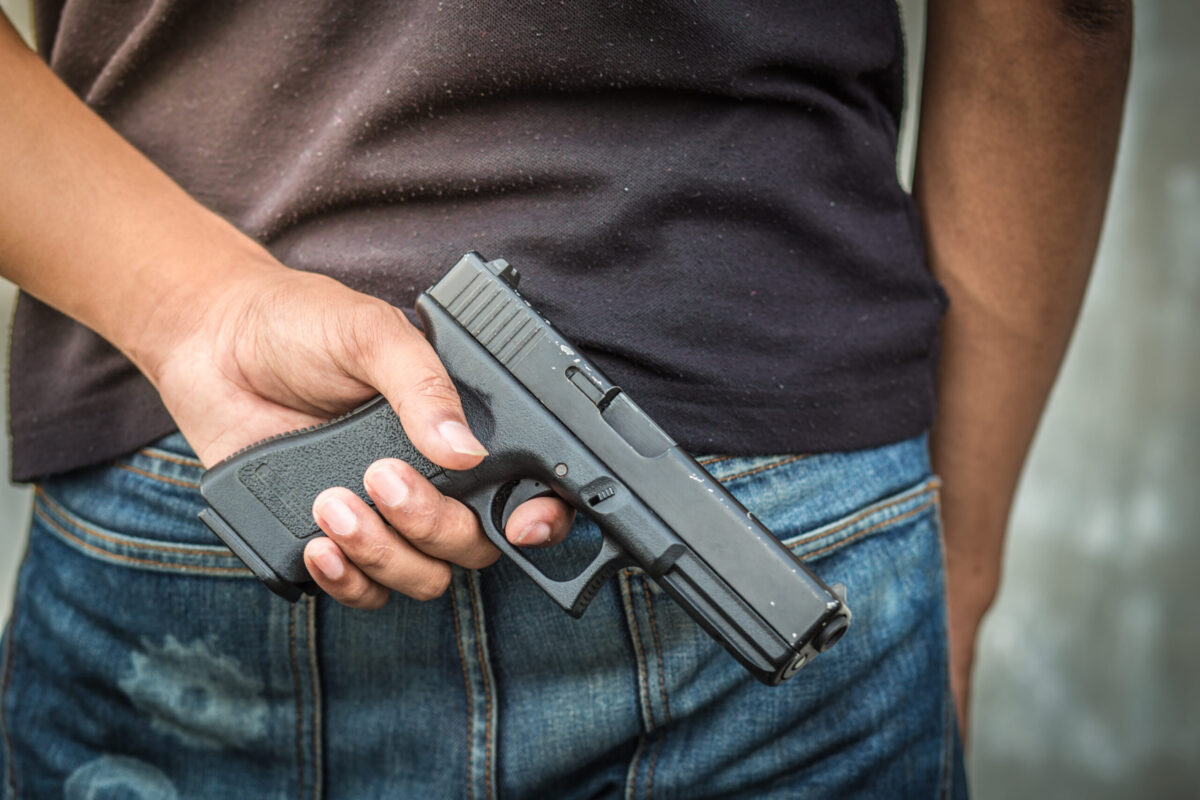
- Carrying in prohibited locations: This offense involves possessing a concealed firearm or weapon in a restricted area such as a school, church, hospital, courthouse, amusement park, airport or on private property with “no guns” signs posted.
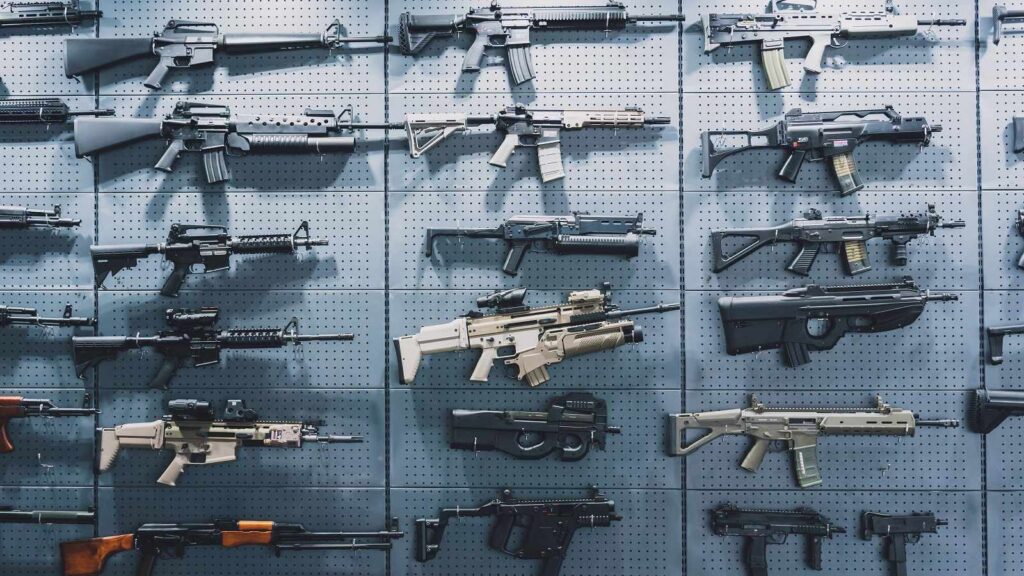
- Violating specific bans on assault weapons/high-capacity magazines: This offense involves possessing/manufacturing/distributing specific semiautomatic assault weapons or high capacity magazines (10+ rounds for long runs, 15+ for hand guns).
- Possession of a firearm by a felon: This is the illegal possession of a firearm by someone with a prior felony conviction.
When you are facing a weapons and guns offense in Chicago, you need to act quickly. To ensure your rights and future are protected, don't hesitate to call our Chicago weapons defense lawyer at (314) 900-HELP.
Overview of Chicago Weapons and Gun Laws
Illinois has a handful of laws that may affect a Chicago weapons and guns offense case.
These laws include:
- FOID Act: This law requires residents to possess a Firearm Owners Identification FOID card to legally own a firearm or ammunition.
- Concealed Carry License Act: This law requires that you carry a CCL license when you carry a concealed firearm in Illinois.
- Unlawful Use of a Weapon: This prohibits possessing dangerous weapons and carrying concealed firearms in prohibited places (such as in schools, government buildings or bars).
- Aggravated Unlawful Use of a Weapon: This involves a firearm that is uncased, loaded and immediately accessible in a vehicle or on a person or it can also involve a user under 21 that lacks a FOID.
- Felon in Possession: This law makes it a Class 3 felony for anyone previously convicted of a felony to possess a firearm.
- Protect Illinois Communities Act: This bans the sale, manufacturing or purchase of specific semi-automatic rifles, pistols and high-capacity magazines (over 10 rounds for long guns and 15 for handguns). It also requires existing, compliant weapons to be registered.
Felony vs. Misdemeanor Weapons Offenses in Chicago
Weapons offenses in Chicago can be charged as either misdemeanors or felonies, depending on the circumstances of the case. Certain factors can elevate a charge to a more serious offense.
These commonly include:
- Your prior criminal history
- Possessing in public without a permit
- Carrying a concealed weapon in prohibited areas
- Having a loaded and accessible gun in certain areas
While improper possession of a standard gun and possessing a firearm without a valid firearm owner’s identification card are typically misdemeanor offenses, the following are usually felony offenses:
- A repeat offense of possessing a firearm without a valid firearm owner’s identification card (or possessing when you are ineligible for a card)
- Carrying a firearm in public without a concealed carry license
- Felon in possession
- Possession of prohibited weapons
- Reckless discharge of a firearm
Chicago Firearms Charges Involving Criminal Activity
In more serious cases, you may face enhanced charges if a firearm is allegedly used in connection with another criminal offense. These offenses are usually felonies and receive some of the most severe penalties, under Illinois law.
These offenses can include:
- Aggravated Discharge of a Firearm: This involves knowingly shooting at a person, building or vehicle, often associated with gang or street activity.
- Armed Habitual Criminal: This involves receiving, selling, possessing or transferring a firearm after being convicted of two or more designated violent felonies.
- Armed Robbery: This involves taking property via force or threat, while armed with a dangerous weapon.
Penalties for Chicago Weapons Offenses
Chicago weapons offenses are treated seriously under Illinois law. Depending on the circumstances surrounding your case, you are either facing misdemeanor charges or felony charges.
You can expect these penalties in a weapons and guns offense case:
- Unlawful Possession of a Firearm: This is a misdemeanor offense for non-hand guns, which will result in a $2,500 fine and one year in jail. Or a Class 4 felony offense for hand guns, which comes with a $25,000 fine and up to three years in prison.
- Aggravated Unlawful Use of a Weapon: This is a Class 4 felony offense for carrying a loaded/accessible weapon without a FOID card or CCL. It will result in a prison sentence of one to three years.
- Felon in Possession: This is a Class 3 felony offense which will result in a 2-10 year prison sentence.
- Assault Weapon Ban: This is a Class A misdemeanor for a first offense and will escalate to a Class 3 felony for a subsequent offense.
What is a Chicago Administrative Weapons Hearing?
Usually held at the Department of Administrative Hearings, these proceedings resolve violations of the Chicago Municipal Code (such as unlawful use, possession or registration issues), concerning firearms.
While these hearings are civil and not criminal, they can still result in hefty fines and weapons confiscation. The city will present the evidence against you and you will be able to respond with your defense, call witnesses and have a criminal defense attorney represent you.
If you are found liable, you could face the following penalties:
- A $750 per day violation
- Restitution
- Forfeiture of your weapon
These hearings will address infractions which can escalate to criminal court. When you retain our Chicago criminal defense services, we can protect your rights at an administrative hearing, challenge the evidence’s legality and prevent evidence from being used in potential future criminal proceedings.
Common Defense Strategies in a Chicago Weapons Case
The defense strategy in your Chicago weapons case will depend upon the circumstances surrounding your case, such as the charges against you, how the firearm was found and how law enforcement handled your case. The following are common defense strategies that we employ in these types of cases, that could be applied to your case as well:
- Unlawful search and seizure: If your Fourth Amendment rights were violated by an illegal stop, search or seizure, then any evidence obtained may be suppressed, potentially weakening or dismissing the charges against you.
- Lack of knowledge or possession: If the firearm didn’t belong to you or you weren’t aware that it was present, this can serve as a defense in your case. For example, if the firearm was in a shared vehicle or residence and you were unaware of its presence, this can serve as a defense in your case.
- Valid FOID card or Concealed Carry License: If you had a valid FOID card or concealed carry license on you at the time of the alleged offense then your charges may be reduced, dismissed or otherwise challenged.
- Improper storage or transportation exceptions: Under Illinois law, you are allowed to transport firearms when they are unloaded, enclosed in a case and not immediately accessible. If you were in compliance with these requirements, then you can push back against the charges filed against you.
- Disputing whether the location was clearly marked or classified as prohibited: We can challenge whether the location was clearly marked, whether the location was legally classified as prohibited or whether you knowingly entered the area with a firearm.
- Violations of your Second Amendment protections: We may be able to challenge your charges as inconsistent with your Second Amendment rights. This defense is particularly applied to cases involving the restrictions of specific firearms and magazines.
- Lack of evidence: Because the prosecution has to prove every element of your offense beyond a reasonable doubt, we may be able to challenge the evidence. We can examine inconsistencies in witness testimony, gaps in documentation or issues with how the firearm was recovered or tested.