





Additional Links
- How to Beat a DUI Charge in Chicago
- The Illinois DUI Laws Chicago Drivers Need to Know
- First-Time DUI in Illinois: What You Need to Know
- Legal Video | Can I Get a DUI For Marijuana in Illinois?
- Legal Video | What Should I Do if Pulled Over for a DUI in Illinois?
- Legal Video | What is Considered an Aggravated DUI in Illinois?
- Legal Video | How Long Does a DUI Stay on Your Record in Illinois?
- Legal Video | How Does a DUI Affect Your Driver’s License in Illinois?
- Legal Video | Can a DUI Charge Be Reduced or Dismissed in Illinois?
DUI with Drugs Lawyer in Chicago, Illinois Serving All of Cook County
If you were arrested for driving under the influence of drugs in Chicago or anywhere in Cook County, you need a law firm prepared to act quickly and aggressively on your behalf. At Combs Waterkotte, our defense attorneys represent clients facing serious DUI drug charges involving marijuana, prescription medications, narcotics, and other controlled substances throughout the Chicago area. We understand the high stakes involved in these cases and work tirelessly to protect our clients from harsh penalties, including jail time, license suspension, steep fines, and a permanent criminal record.
“I am forever grateful to [Combs Waterkotte] for [their] exceptional service. I was charged with my second DWI and was very scared as to what might happen. [They were] able to get my charged reduced and my license was not suspended for one day. I would strongly recommend [them] to anyone charged with a DWI.”
-Joe | Combs Waterkotte Client
Our firm takes a strategic and personalized approach to every DUI with drugs case we take on in Chicago. We thoroughly investigate the circumstances surrounding your traffic stop, review police reports and officer observations, examine chemical testing procedures, and identify weaknesses in the prosecution’s evidence. Wherever you were charged in Chicago or Cook County, our legal team is committed to providing strong courtroom advocacy and clear communication at every stage of your case.
Combs Waterkotte has built a reputation for aggressive criminal defense representation and client-focused service. We know how overwhelming a DUI drug arrest can feel, and we are prepared to guide you through the legal process while fighting for the best possible result. Reach out to us online today or call us at (314) 900-HELP to start building your defense.
What Is a DUI with Drugs in Chicago, Illinois?
DUI with drug charges under Illinois law are relatively complex. Unlike alcohol-related DUIs, there is no chemical testing threshold like blood alcohol content (BAC) to determine guild in a drug-related DUI. Instead, the prosecution relies on:
- Police officer observations
- Impaired driving evidence
- Field sobriety tests
- Drug recognition expert (DRE) testimony
- Blood or urine toxicology
- Admissions from drivers
- Dashcam or bodycam footage
The law itself is broad and very subjective, too. Illinois’s DUI statute covers four distinct DUI with drugs-related offenses:
- DUI with drugs (under 625 ILCS 5/11-501(a)(4))
- DUI with alcohol and drugs (under 625 ILCS 5/11-501(a)(5))
- DUI with controlled substances in one’s bodily fluids (under 625 ILCS 5/11-501(a)(6))
- DUI with THC/cannabis (under 625 ILCS 5/11-501(a)(7))
Driving Impaired by Drugs in Chicago
Under this portion of the Illinois DUI law, police charge individuals with DUI for driving with a drug (or combination of drugs) in their system that render a person incapable of driving safely. The list of drugs covered under this offense is long, including:
- Prescription medications
- Marijuana
- Illegal narcotics
- Benzodiazepines
- Sleep aids
- Opioids
- Stimulants
- Combinations of medications
Driving Under the Influence of Alcohol and Drugs in Chicago
It’s also illegal to drive with a combination of alcohol and drugs in your system in Chicago and Cook County. These instances of driving under the influence apply when alcohol or drugs alone may not necessarily constitute impairment, but their combination allegedly renders drivers unsafe.
There’s a seemingly endless combination of drugs and alcohol for which an individual may be charged for consuming behind the wheel, but some of the most common include:
- Driving under the influence of cannabis and alcohol together
- Driving under the combined influence of Xanax and alcohol
- Driving under the influence of prescription medications combined with alcohol
In these instances, because only the combined effects of the drugs and alcohol are considered under the law, a person can be charged even if their blood alcohol content (BAC) is below .08%.
Driving with Any Amount of Drugs in Your System in Chicago
This subsection of the Illinois DUI law is controversial. The state of Illinois criminalizes driving with “any amount” of unlawfully used controlled substances within one’s blood, urine, or bodily substances. Even trace amounts are enough for someone to face a charge.
Historically, this subsection of the DUI statute allowed for prosecutions even in cases where:
- A driver did not appear impaired
- The drug in their system was inactive
- Metabolites of controlled substances remained in the offender long after use
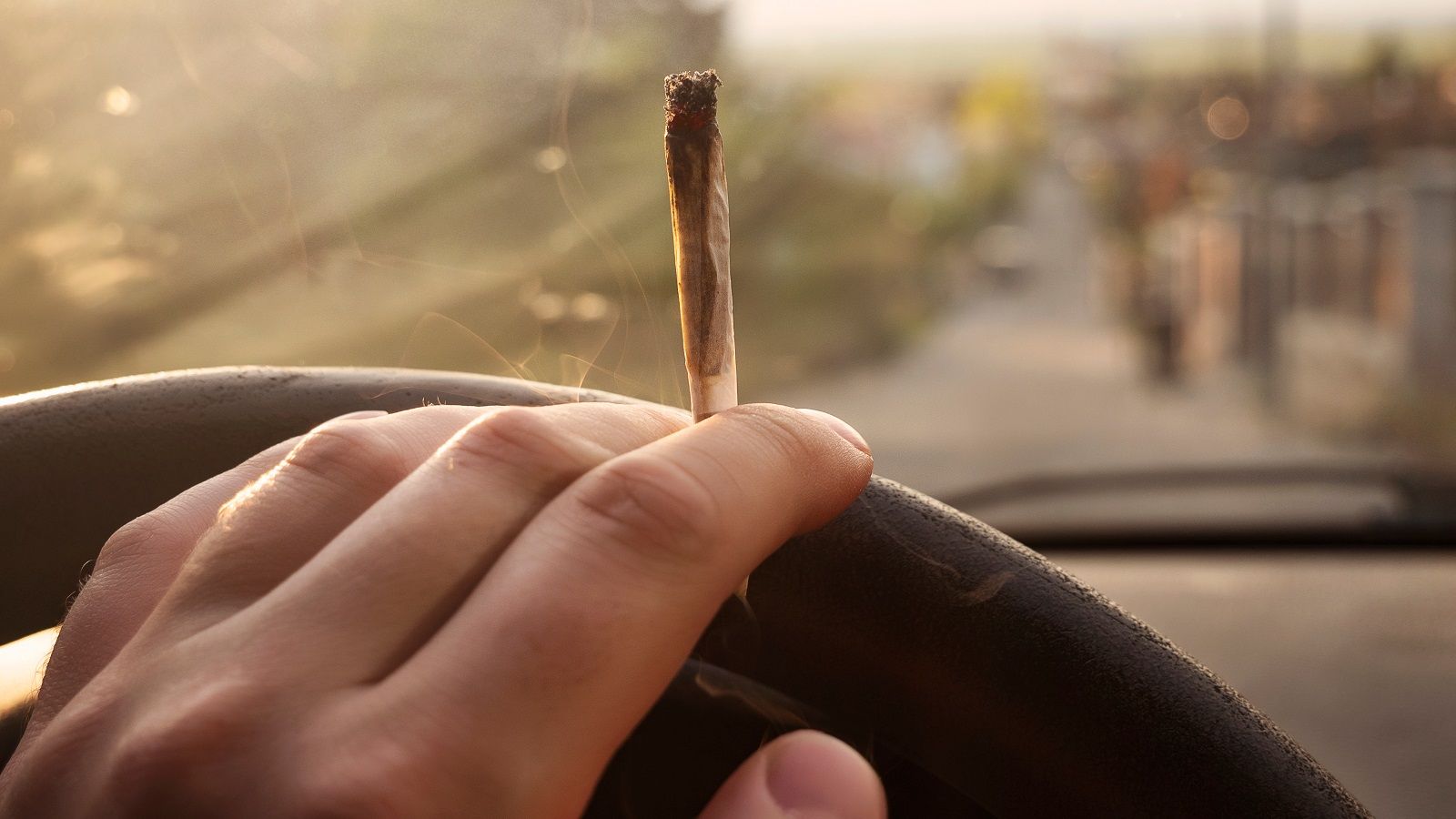
Driving Under the Influence of Marijuana in Chicago
As cannabis has become legal to use in Illinois, the state has moved to create a separate DUI framework specific to marijuana. The statute prohibits driving with tetrahydrocannabinol (THC) concentrations above statutory limits within two hours of driving.
This means, however, that Illinois’s cannabis DUI law is legally and scientifically complicated for several reasons:
- THC can remain detectable in a person’s body long after its effects have worn off
- Frequent users may test positive for THC even when completely sober
- Legal recreational marijuana complicates probably cause arguments
The statute mentions that an individual may be charged for having cannabis in their “whole blood or other bodily substance,” which means that DUI charges for cannabis use can be completely off-base in several situations.
What Are the Penalties for a DUI with Drugs in Chicago?
The base-level charge for a DUI with drugs in Chicago, Illinois is a Class A misdemeanor, an offense punishable by up to 364 days in jail and a fine up to $2,500. A drug-related DUI can become a felony, though, for certain aggravating factors like:
- A third or subsequent DUI
- DUI causing great bodily harm
- DUI causing death
- DUI while driving with a suspended license
- DUI with child passengers
- DUI causing injuries in a school zone
A drug-related DUI also comes with potential suspension of your driver’s license. Illinois has an implied consent law that requires drivers to submit to chemical testing if they’re lawfully arrested for DUI. Drivers are automatically subject to license suspensions in certain drug-related DUI cases:
- A 6-month suspension for failing a chemical test
- A 12-month suspension for refusing to submit to a chemical test
A failure or refusal automatically results in a statutory summary suspension (SSS) under Illinois law. This document is sent to you after your DUI with drugs arrest, and you have 46 days to schedule an administrative hearing to challenge the suspension (during which you’re still allowed to drive).
If you fail to schedule a hearing or your petition to overturn your suspension is denied, you may still apply for a Monitoring Device Permit (MDDP) which typically requires the installation of a breath alcohol ignition interlock device (BAIID) on your car until your license suspension is up.
What to Do If You’re Arrested for DUI with Drugs in Chicago
What you do or say in the hours or days after your Chicago DUI with drugs arrest can have a direct impact on the outcome of your case. The DUI lawyers at Combs Waterkotte recommend the following steps to anyone arrested or charged with a drug-related DUI in the Chicago area.
- Exercise your right to remain silent — After providing basic identifying information, you are generally not required to answer investigative questions during a Chicago DUI stop. Politely declining to discuss where you were, what substances you consumed, or how much you used can help limit potentially damaging evidence against you.
- Contact an experienced Chicago DUI defense attorney — Chicago and Cook County drug DUI cases involve complex toxicology evidence, drug recognition expert testimony, and scientific disputes regarding impairment. Early legal representation can help identify defenses strategies and challenge evidential weaknesses in the prosecution’s case before court proceedings advance too far.
- Remain calm and comply with lawful police instructions — Arguing with CPD officers, resisting arrest, or becoming confrontational can worsen your situation and create additional charges. Staying respectful and composed may also help avoid statements or behavior prosecutors later use to suggest impairment or guilt.
- Never admit to drug use or impairment — Anything you say about medications, marijuana use, prescriptions, or recent drug consumption can become evidence against you. Even casual statements like “I only smoked earlier” may later be used by Cook County prosecutors to support a DUI with drugs charge.
- Refuse chemical testing when police don’t have a warrant — While refusing a blood or urine test can trigger a license suspension, Combs Waterkotte recommends refusing these tests when officers don’t have a warrant. This makes it easier to fight the criminal portion of your DUI drug case. It’s better to stay out of jail and lose your license temporarily than go to jail and lose your license.
- Document everything you remember about the stop and arrest — As soon as possible, write down details about the traffic stop, field sobriety tests, officer statements, medical conditions, and legal prescriptions. Small details may later help your attorney challenge probable cause, impairment evidence, or testing procedures.
- Act quickly to protect your driver’s license — A DUI with drugs arrest in Chicago and Cook County usually leads to statutory summary suspension proceedings separate from your criminal case. Missing deadlines or failing to respond promptly could affect your driving privileges even before your DUI charges are resolved in court.
Criminal Defense Strategies for Chicago DUI with Drugs Charges
Because they consist of both criminal (jail time) and administrative (driver’s license) components, DUI with drug cases in Chicago are complicated. You shouldn’t attempt to navigate your situation without the help of a criminal defense attorney.
At Combs Waterkotte, we’ve helped Chicago residents charged with drug-related DUIs on plenty of occasions. The criminal defense strategies here have helped us achieve sentence reductions, case dismissals, and even trial acquittals in Cook County drug DUI cases.
Challenging Field Sobriety Test Results
Field sobriety tests are often used during Chicago DUI investigations, but these tests are primarily designed to detect alcohol impairment rather than drug-related intoxication. Medical conditions, uneven pavement, weather, fatigue, nervousness, and physical limitations can negatively affect a person’s performance during roadside testing. The defense may argue that poor performance on walk-and-turn tests, one-leg stands, or eye examinations does not necessarily prove impairment caused by drugs or controlled substances.
Challenging the Legality of the Traffic Stop
DUI with drugs cases in Chicago begin with a routine traffic stop, but police officers must have reasonable suspicion to pull a driver over. If law enforcement lacked a lawful basis for the stop, the defense may seek to suppress evidence gathered afterward like officer observations, field sobriety testing, and chemical test results. Video footage, dispatch records, and witness statements can all become important when determining whether the stop violated the defendant’s Fourth Amendment rights under the United States Constitution.
Contesting Allegations of Drug Impairment
Unlike alcohol DUI cases, drug-related impairment is often far more subjective and difficult to prove under Illinois law. Fatigue, illnesses, anxiety, allergies, or medical conditions can sometimes mimic signs Chicago police officers associate with drug intoxication. A defense attorney may challenge whether the prosecution can actually prove the defendant was incapable of driving safely at the time of arrest. This strategy often focuses on body camera footage, driving behavior, witness testimony, and inconsistencies in the officer’s observations or reports.
Arguing Lack of Actual Physical Control
Illinois DUI laws apply not only to drivers actively operating a vehicle but also when they are in “actual physical control” of one. However, prosecutors still must prove the defendant exercised sufficient control over the vehicle at the time of arrest. A defense attorney may argue that the defendant was merely sleeping in a parked car, waiting for a ride, or otherwise not intending to drive. Factors like the location of the defendant’s car keys, whether or not their engine was running, and the position of their vehicle can become important in these cases.
Challenging Drug Recognition Expert Testimony
Chicago prosecutors frequently rely on drug recognition experts (or DREs) in DUI with drugs prosecutions. These specially trained officers claim they can identify drug impairment through physical observations and standardized evaluation methods. However, DRE testimony is not always scientifically reliable and may be vulnerable to challenges in court. The defense may question the officer’s training, testing methods, conclusions, and whether alternative explanations existed for the defendant’s physical appearance, speech patterns, or performance during roadside testing procedures.
Questioning the Accuracy of Chemical Testing
Blood and urine testing play a major role in Chicago drug DUI cases, but toxicology evidence is not always definitive. Certain substances may remain detectable long after their effects wear off, especially marijuana and prescription medications. A defense strategy may involve challenging testing procedures, laboratory handling errors, chain-of-custody problems, contamination issues, or the scientific interpretation of toxicology results. In some situations, the presence of a substance alone may not prove the defendant was actually impaired while operating their vehicle.
Arguing Lawful Prescription Medication Use
Many Chicago drivers are surprised to learn they can face DUI charges while taking legally prescribed medications exactly as directed by their doctor. Prescription sleep aids, pain medications, anxiety drugs, and muscle relaxers are common in Chicago DUI with drugs cases. A defense attorney may argue that lawful medication use alone does not automatically establish impairment or unsafe driving. Medical records, dosage instructions, expert testimony, and evidence of responsible use may all become important when challenging the prosecution’s allegations.
Suppressing Improperly Obtained Statements
Statements made during a DUI investigation can have a huge impact on the prosecution’s case, especially when officers ask questions about recent drug or alcohol use. If police violated the driver’s Fifth Amendment rights or failed to provide Miranda warnings during an interrogation, certain statements may be inadmissible in court. A defense attorney may examine whether officers improperly pressured the driver into making incriminating admissions regarding marijuana use, prescription medications, or other controlled substances before or after the arrest occurred.