

Murder / Homicide Defense Lawyer in Rochelle, IL. A homicide investigation in Illinois can be well underway before anyone is arrested. Detectives may already have interviewed witnesses, searched phones, collected surveillance video, compared firearms evidence, and settled on a theory of what happened. A request to hear “your side” may really be an attempt to collect statements that support the conclusion investigators have reached.
Do not try to talk your way out of a murder investigation. Speak with a defense lawyer before you answer questions. Combs Waterkotte represents people accused of murder and other homicide offenses in Rochelle, IL throughout Illinois. Our Rochelle, IL criminal defense lawyers move quickly to protect clients during investigations, arrests, detention hearings, negotiations, and trials. Contact our team at (314) 900-HELP for a free, confidential case review.
Cases Handled
Over 10,000
Jail Days Saved
Over 1 Million
Google Reviews
500+ Perfect
Legal Experience
100+ Years
On this page:
- First-degree murder, second-degree murder, felony murder, and other homicide charges
- What the prosecution has to establish in an Illinois murder case
- Prison sentences and firearm enhancements
- Legal and factual defenses that may apply to a homicide case
- What to do if police believe you were involved in a homicide
- What happens after a murder arrest in Rochelle, IL
- How Combs Waterkotte prepares homicide cases for trial
Legal Videos
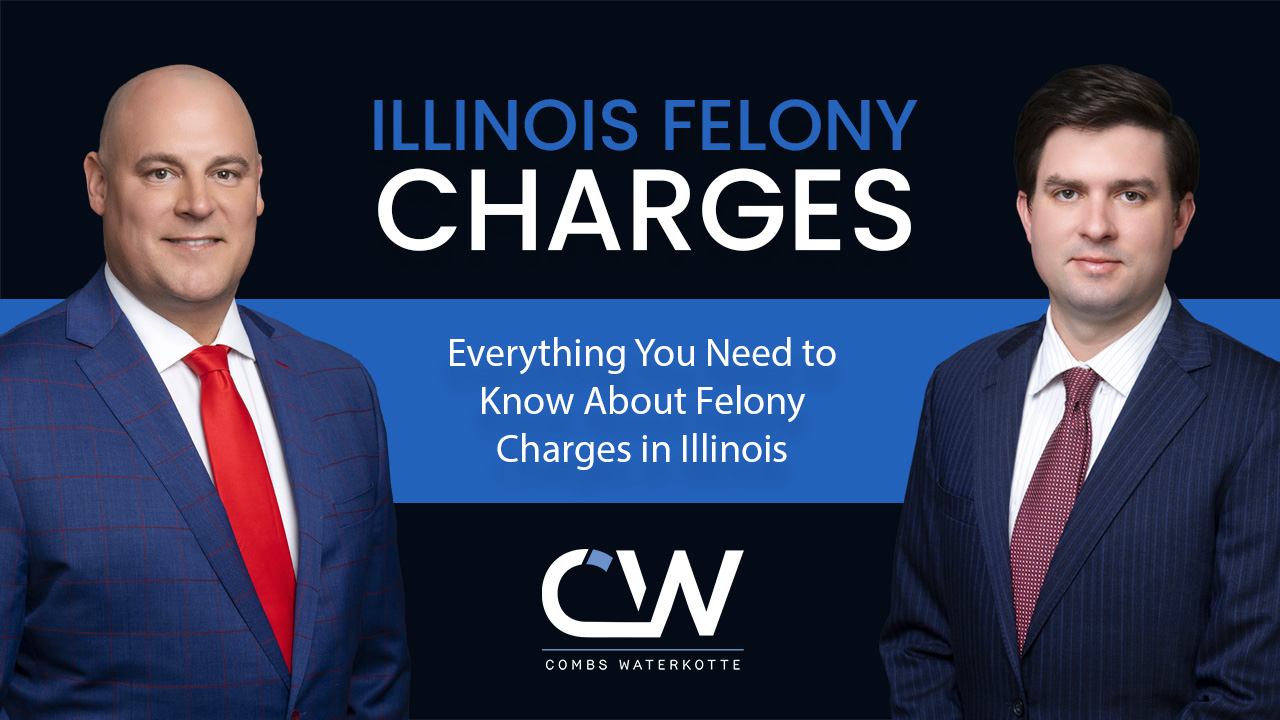
Everything You Need to Know About Felony Charges in Illinois
Everything You Need to Know About Felony Charges in the State of Illinois. Attorneys Steve Waterkotte and Joshua Boardman from Combs Waterkotte discuss everything you need to know about Illinois …
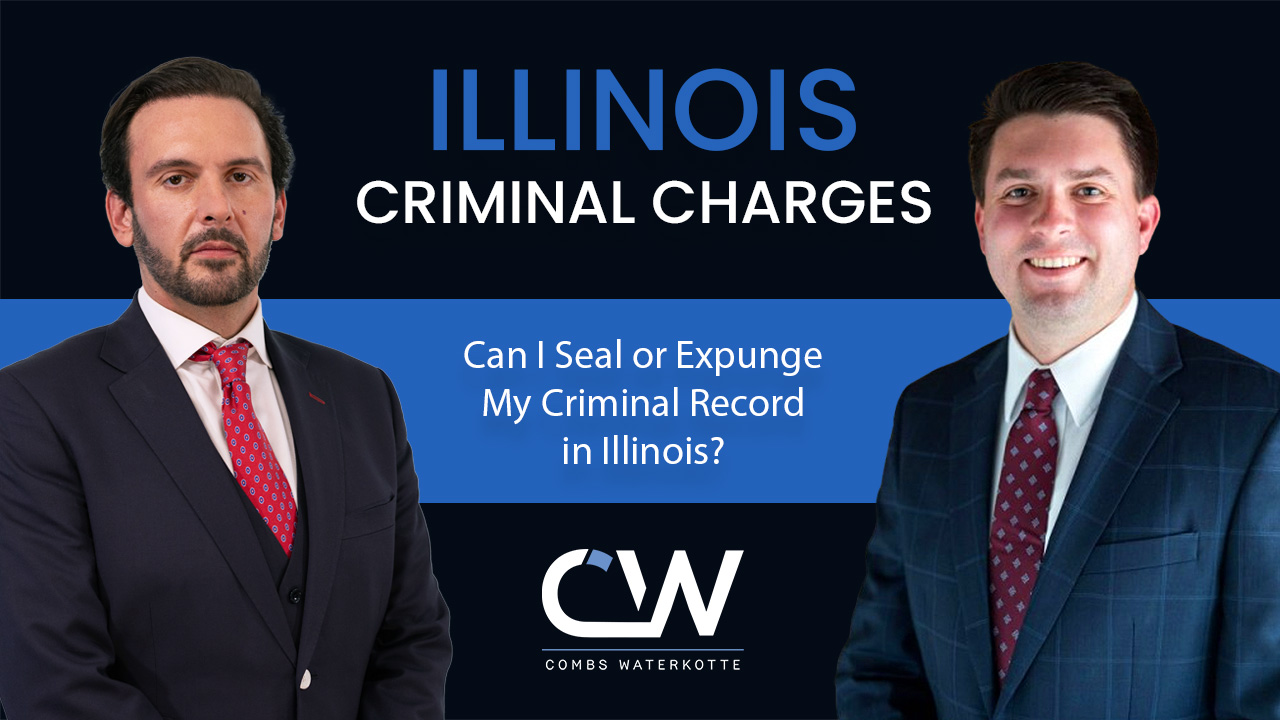
Can I Seal or Expunge My Criminal Record in Illinois?
Can I Seal or Expunge My Criminal Record in Illinois? Dealing with a criminal record in the state of Illinois? Combs Waterkotte attorney Joshua Boardman discusses the possibility of expunging your …
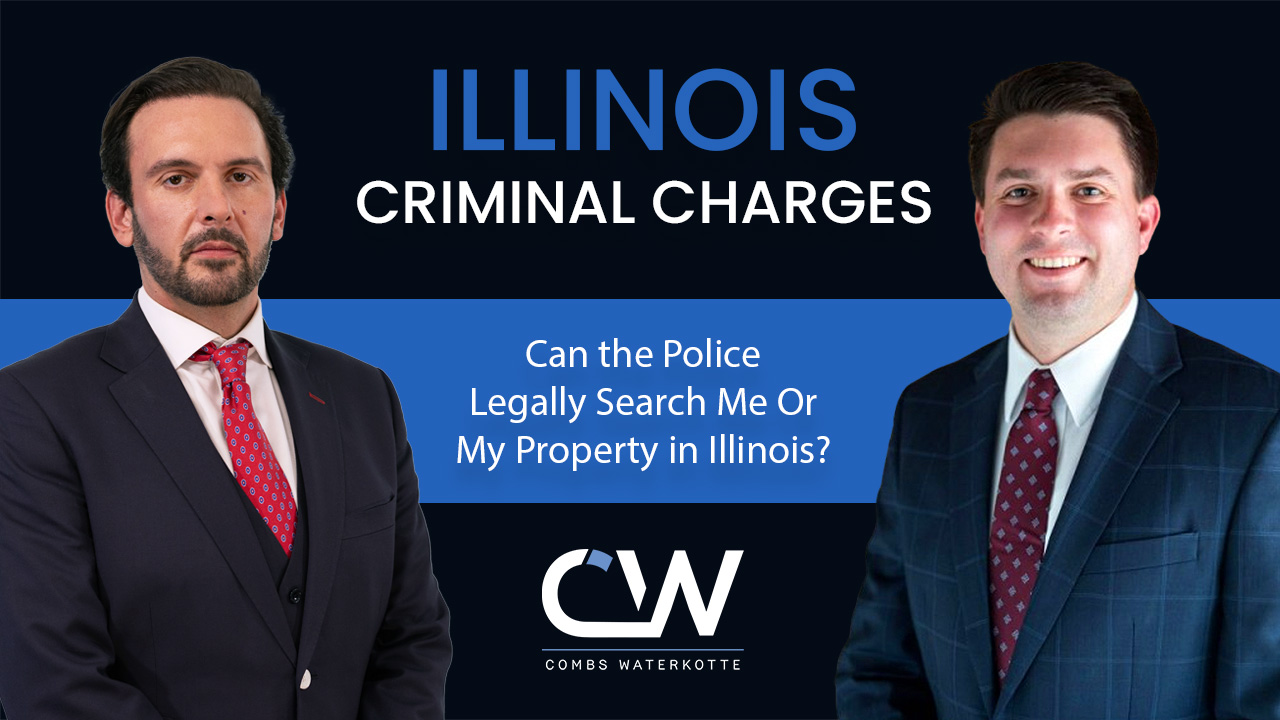
Can the Police Legally Search Me or My Property in Illinois?
Can the Police Legally Search Me or My Property in Illinois? Facing criminal charges in the state of Illinois? Combs Waterkotte attorney Joshua Boardman discusses probable cause and when police can …
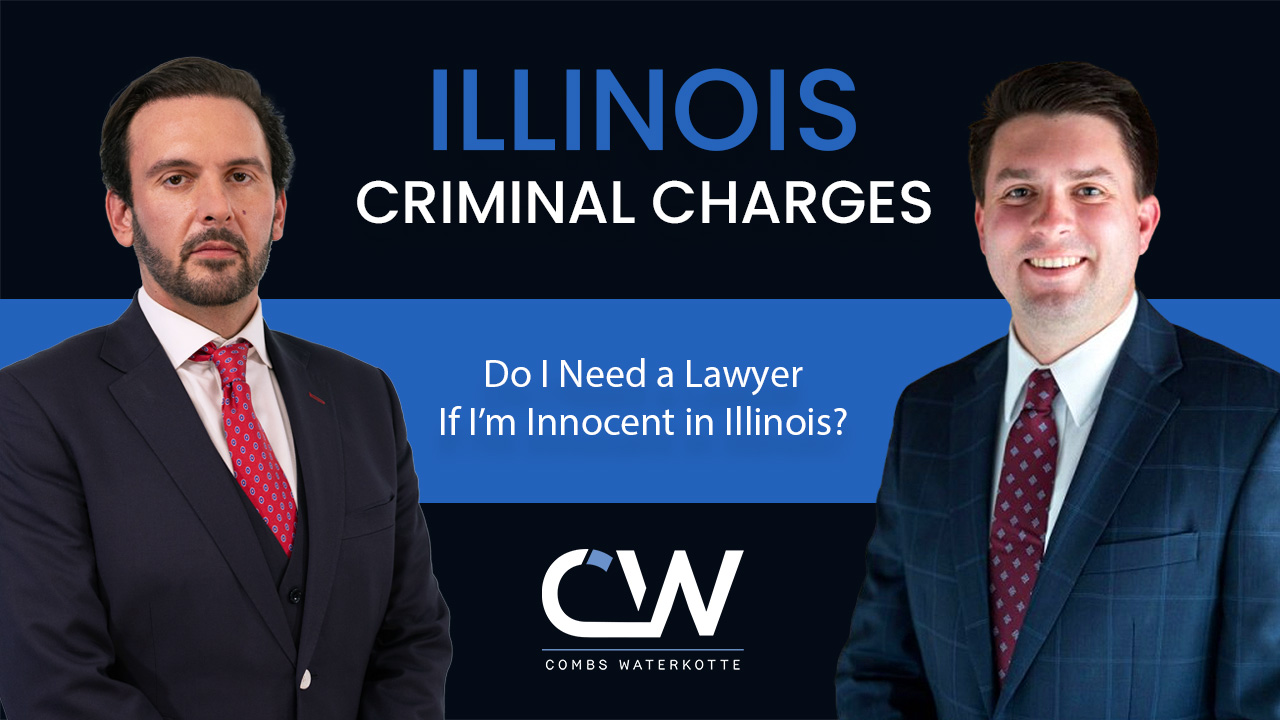
Do I Need a Lawyer if I’m Innocent in Illinois?
Do I Need a Lawyer if I'm Innocent in Illinois? Facing criminal charges in the state of Illinois? Combs Waterkotte attorney Andrew Russek talks about it being more important to have a lawyer if …
What Penalties Could I Face Under Illinois Law?
What Penalties Could I Face Under Illinois Law? Facing criminal charges in the state of Illinois? Combs Waterkotte attorney Joshua Boardman talks about the possible penalties under Illinois …
What Are My Rights if I’m Arrested in Illinois?
What Are My Rights if I'm Arrested in Illinois? Facing criminal charges in the state of Illinois? Combs Waterkotte attorney Joshua Boardman discusses your rights following an arrest in …
Everything You Need to Know About Felony Charges in Illinois
Everything You Need to Know About Felony Charges in the State of Illinois. Attorneys Steve Waterkotte and Joshua Boardman from Combs Waterkotte discuss everything you need to know about Illinois …
Can I Seal or Expunge My Criminal Record in Illinois?
Can I Seal or Expunge My Criminal Record in Illinois? Dealing with a criminal record in the state of Illinois? Combs Waterkotte attorney Joshua Boardman discusses the possibility of expunging your …
Can the Police Legally Search Me or My Property in Illinois?
Can the Police Legally Search Me or My Property in Illinois? Facing criminal charges in the state of Illinois? Combs Waterkotte attorney Joshua Boardman discusses probable cause and when police can …
Do I Need a Lawyer if I’m Innocent in Illinois?
Do I Need a Lawyer if I'm Innocent in Illinois? Facing criminal charges in the state of Illinois? Combs Waterkotte attorney Andrew Russek talks about it being more important to have a lawyer if …
What Penalties Could I Face Under Illinois Law?
What Penalties Could I Face Under Illinois Law? Facing criminal charges in the state of Illinois? Combs Waterkotte attorney Joshua Boardman talks about the possible penalties under Illinois …
What Are My Rights if I’m Arrested in Illinois?
What Are My Rights if I'm Arrested in Illinois? Facing criminal charges in the state of Illinois? Combs Waterkotte attorney Joshua Boardman discusses your rights following an arrest in …
If Police Are Investigating You for Murder in Rochelle, IL
You may already be a focus of a homicide investigation even if no one has arrested you or used the word “suspect.” Detectives may contact you as a witness, ask you to come to the station voluntarily, request access to your phone, or tell you they only need to clear up a few details. Those words do not reveal whether police view you as a witness, a possible suspect, or their main target.
If police are asking about a death and there is any possibility they believe you were involved, speak with a lawyer before answering questions. Do not count on clearing things up by correcting another person’s account or trying to show police that you have nothing to hide. Detectives may later place an offhand comment beside surveillance video, phone data, witness accounts, and physical evidence.
An attorney can also begin protecting evidence before charges are filed. Counsel may move to preserve video, locate people with useful information, secure records, document injuries, review search authority, and track property seized by police. Some of the most valuable work in a homicide defense takes place before anyone appears in court.
If police have already arrested you, keep the details between you and your attorney. Conversations with officers, cellmates, or anyone on a jail phone may be used against you. Prosecutors and investigators are already working on the case against you. Your defense should be doing the same.
Murder and Homicide Charges We Handle in Rochelle, IL
The word “homicide” covers several situations in which one person’s actions are blamed for another person’s death. Which offense is filed depends on the alleged intent, how the death occurred, whether another felony was taking place, and whether the case involves self-defense, provocation, reckless conduct, drugs, or a vehicle.
Combs Waterkotte defends Rochelle, IL clients against allegations involving:
- First-degree murder: Allegedly intending to kill or seriously injure someone, knowingly creating a strong chance of death or serious injury, or causing a death during specified serious forcible felonies.
- Illinois felony murder: A death that occurs during certain serious felonies, including cases where another participant caused it.
- Second-degree murder: An intentional or knowing killing reduced from first-degree murder because of serious provocation or an unreasonable but genuine belief in the need for deadly force.
- Attempted first-degree murder: Trying to kill someone and taking a real step toward doing so, even though the person survives.
- Helping or taking part in another person’s crime: Illinois law can hold someone responsible for murder based on assistance or participation, even when another person caused the fatal injury. These cases often rest on claims that the person assisted with planning, supported the crime, or helped it happen.
- An involuntary manslaughter allegation and reckless homicide: Unintentional deaths that prosecutors say resulted from reckless conduct. Reckless homicide often involves a car or another type of vehicle.
- A drug-induced homicide charge: When prosecutors claim someone provided illegal drugs that caused another person’s death.
- Related murder and obstruction allegations: A murder-for-hire accusation, soliciting a killing, conspiring with others, concealing a death, firearm and weapons offenses, and accusations of obstructing the investigation.
Prosecutors must still establish every required part of the charge through legally admissible proof. Sometimes the central issue is whether the State has accused the right person. In another, the dispute may involve intent, cause of death, self-defense, accountability, or the felony used to support a felony-murder charge.
What the State Must Prove for First-Degree Murder in Rochelle, IL
Illinois defines the offense of first-degree murder under 720 ILCS 5/9-1 through three basic theories. The State may try to prove that the accused:
- meant to kill or seriously injure someone, or knew the conduct would result in death;
- knew the actions were highly likely to kill someone or cause great bodily harm; or
- took part in a qualifying forcible felony and a death was caused by the accused or another person involved.
Intent and knowledge are often argued from circumstances: the words used, the weapon involved, the number and location of injuries, earlier communications, conduct before the incident, and what happened afterward. Those facts can support more than one interpretation. The defense must show where the evidence ends and the State’s assumptions begin.
Understanding Second-Degree Murder in Rochelle, IL
Second-degree murder in Illinois is not simply a less serious version of first-degree murder. The State must still establish the elements of intentional or knowing first-degree murder. The defense can seek a second-degree murder finding by establishing either of these two circumstances:
- The killing followed serious provocation that triggered a sudden, intense emotional response; or
- The person honestly believed deadly force was necessary to defend themselves or someone else, but that belief was not considered reasonable under the law.
Illinois explains these requirements in 720 ILCS 5/9-2. The defense does not relieve prosecutors of their duty to prove the intentional or knowing killing beyond a reasonable doubt. When lawful self-defense is raised, prosecutors may also need to establish that the use of deadly force was not justified.
Second-degree murder cases often turn on details that may seem minor at first. Lawyers may need to examine threats, injuries, the display of a weapon, witness accounts, 911 recordings, and each movement before the fatal act. Those facts may support self-defense, second-degree murder, another homicide charge, or an argument that no crime was committed at all.
Prison Sentences for Murder and Homicide in Illinois
Under Illinois law, a standard first-degree murder sentence runs from 20 to 60 years in prison, as explained in the Illinois first-degree murder sentencing statute. Certain aggravating facts can raise the range to 60 to 100 years or result in life without release. A judge cannot sentence a person convicted of first-degree murder to probation or conditional discharge. The Illinois General Assembly’s sentencing provision contains the current ranges.
An allegation involving a gun can add many years to the sentence for first-degree murder. Illinois law provides for an additional 15 years when the person was armed with a firearm, 20 years when they personally fired it, and 25 years to natural life when the shooting caused great bodily harm, permanent disability, permanent disfigurement, or death. Depending on the circumstances, prosecutors may file additional Illinois gun crime charges, depending on who possessed the weapon and the circumstances surrounding it.
- Attempted murder in the first degree: This offense is generally a Class X felony carrying 6 to 30 years in prison. The possible sentence can rise sharply when special circumstances or firearm enhancements apply.
- Murder in the second degree: The offense is classified as a Class 1 felony and carries 4 to 20 years in prison under the Illinois Class 1 felony sentencing statute.
- Involuntary manslaughter and reckless homicide: Under the Illinois statute covering involuntary manslaughter and reckless homicide, the usual charge is a Class 3 felony with a prison range of 2 to 5 years. When an aggravating circumstance listed in the law applies, the offense may become a Class 2 felony carrying 3 to 7 years. The higher classification may apply when the case involves more than one death, certain public-safety workers, a construction zone, a school crossing guard, or a family or household victim.
- Sentencing for drug-induced homicide: The Illinois drug-induced homicide statute applies when someone unlawfully delivers certain controlled substances and another person dies after using those drugs. It is a Class X felony, with some cases carrying 15 to 30 years in prison and an extended-term sentence of 30 to 60 years.
Possible Defenses to Murder and Homicide in Rochelle, IL
A homicide case cannot be defended with a one-size-fits-all strategy. The right approach depends on the charge, the evidence, and what can be proved independently. Several issues appear often.
Self-Defense and Defense of Others
Under Illinois law on self-defense and defense of others, a person can use force when they reasonably believe it is necessary to protect themselves or someone else from the immediate threat of unlawful force. A person may use deadly force only if they reasonably believe it is necessary to prevent death, severe bodily injury, or the commission of specified serious felonies.
A self-defense case is built from facts, not the label alone. Whether the belief was reasonable can depend on threats, wounds, weapons, distances, prior behavior known to the accused, witness accounts, and what happened second by second.
The Wrong Person Was Accused
An identification is not automatically reliable because a witness sounds certain. A witness may have seen clothing, build, or movement rather than a face. Phone or location data can show where a device was without proving who had it at the time. The evidence may point toward another person with a reason and ability to commit the offense. Independent work may uncover video, records, timing problems, alibi evidence, or overlooked witnesses that challenge the State’s identification.
Prosecutors Cannot Establish the Required Intent
A death does not by itself establish first-degree murder. The prosecution must prove the mental state required by its chosen theory, unless it proceeds under felony murder. The facts may show a lack-of-intent defense such as an accident, recklessness, or a different account of how the injury occurred. Medical records, pathology, and physical evidence can also conflict with the prosecution’s claim of intent.
The Accused Person’s Conduct Did Not Cause the Death
The State must connect the accused conduct to the death. The connection may be unclear in cases involving multiple wounds, several participants, delayed care, intoxication, a later event, or a serious preexisting condition. An independent review of the medical evidence and pathology can lead to a different account of how and when the death occurred.
Police Obtained Evidence Unlawfully
Search warrants, phone extractions, home and vehicle searches, interrogations, lineups, and arrests can all be challenged when police violate a person’s constitutional rights. A phone can expose years of messages, photos, searches, and location information, so the authority used to search it needs careful review. There are legal limits on police searches of phones in Illinois and what investigators are allowed to access.
The State Is Overreaching With Felony Murder or Accountability
In a multi-person case, prosecutors may try to turn association into participation. Counsel can dispute whether the person had the necessary intent, helped commit the crime, left or withdrew, or simply happened to be there. In felony murder cases, the defense may challenge the underlying felony, whether the death occurred during or in furtherance of it, and who actually caused the death.
Steps to Take If Police Connect You to a Rochelle, IL Murder
Do not answer questions about the death without an attorney. Fear, lack of sleep, and pressure can cause even innocent people to misspeak or fill in details they do not actually remember. A small mistake or change in wording can become a major part of the State’s argument. State clearly that you are invoking your right to remain silent and want an attorney.
Decline requests for permission to search. Do not physically resist officers or interfere with a warrant. Say that you do not consent, remain calm, and allow your lawyer to challenge the search later if appropriate.
Do not delete anything. Deleting messages, accounts, photographs, location history, or posts can destroy evidence that helps the defense and can create a new allegation. Leave the information as it is. Do not ask witnesses to match accounts, and treat every jail call as recorded.
Give your attorney the complete account. Your lawyer may need names, earlier threats, photographs of injuries, information about missing items, camera locations, receipts, rideshare records, and witnesses who saw you around the time of the death. Keep the information within the attorney-client relationship instead of posting or texting about it.
What Happens After a Murder Arrest in Rochelle, IL?
After a first- or second-degree murder arrest, prosecutors can ask the court to keep the accused person detained while the case is pending. Detention is not automatic simply because the charge is serious. Prosecutors must submit the required petition and prove the legal grounds for detention, while the judge considers whether conditions of release could manage the claimed danger or flight risk. The detention process is governed by Illinois law under 725 ILCS 5/110-6.1.
The next stages may include a preliminary hearing or grand jury, formal arraignment, exchange of evidence, pretrial motions, negotiations, and a jury trial. Discovery in a murder case can include massive police files, surveillance recordings, device data, forensic testing, medical records, and expert reports. A full review takes time, yet some work cannot wait, including preserving evidence, challenging questionable statements, finding witnesses, and retaining experts before conditions change.
The decisions made in the first days after an arrest can affect the rest of the case. That includes what you say, whether you consent to searches, who you discuss the case with, and whether potentially useful evidence is preserved. The following guide to what you should do after a Rochelle, IL felony arrest offers a more detailed breakdown of the early stages.
Preparing a Rochelle, IL Homicide Case for Trial
Combs Waterkotte has taken on over 10,000 criminal cases and has earned more than 500 top-rated reviews on Google. Clients have access to former prosecutors, attorneys with law-enforcement experience, our own investigator, and qualified outside experts when the case requires them. Those resources are useful in a homicide case because the prosecution has its own investigators, laboratories, analysts, and experts working from the start.
Depending on the case, our defense work may include:
- stepping between the client and investigators before an interview or surrender;
- collecting and reviewing the complete discovery file instead of accepting the State’s summary;
- reconstructing events through surveillance, communications, records, and first-hand witness accounts;
- testing warrants, police interviews, lineups, and evidence handling against the legal rules officers had to follow;
- having qualified professionals independently examine the State’s scientific, medical, digital, and weapons-related claims;
- preparing motions that narrow or weaken the State’s proof;
- measuring any offer against the evidence while continuing to prepare other routes; and
- preparing the case for a jury from the beginning.
Preparing seriously for trial can change how prosecutors, witnesses, and experts approach the case. The defense has to locate the weak points in witness testimony. Experts must be able to defend their methods and opinions under questioning. The prosecution’s sequence must make sense down to the minute. Prosecutors recognize when opposing counsel has prepared to test the case in open court.
We also defend the following charges in Rochelle, IL:
Speak With a Rochelle, IL Murder / Homicide Lawyer
Police may question you without explaining that you are a target of the investigation. Detectives may ask for an informal conversation or access to your phone while avoiding any clear statement about your status. Get legal advice before making a statement, handing over a device, or consenting to any search.
Reach our defense team at (314) 900-HELP. Another option is to request a consultation online to discuss the case privately at no cost. Our Rochelle, IL murder and homicide lawyers are available 24/7.

