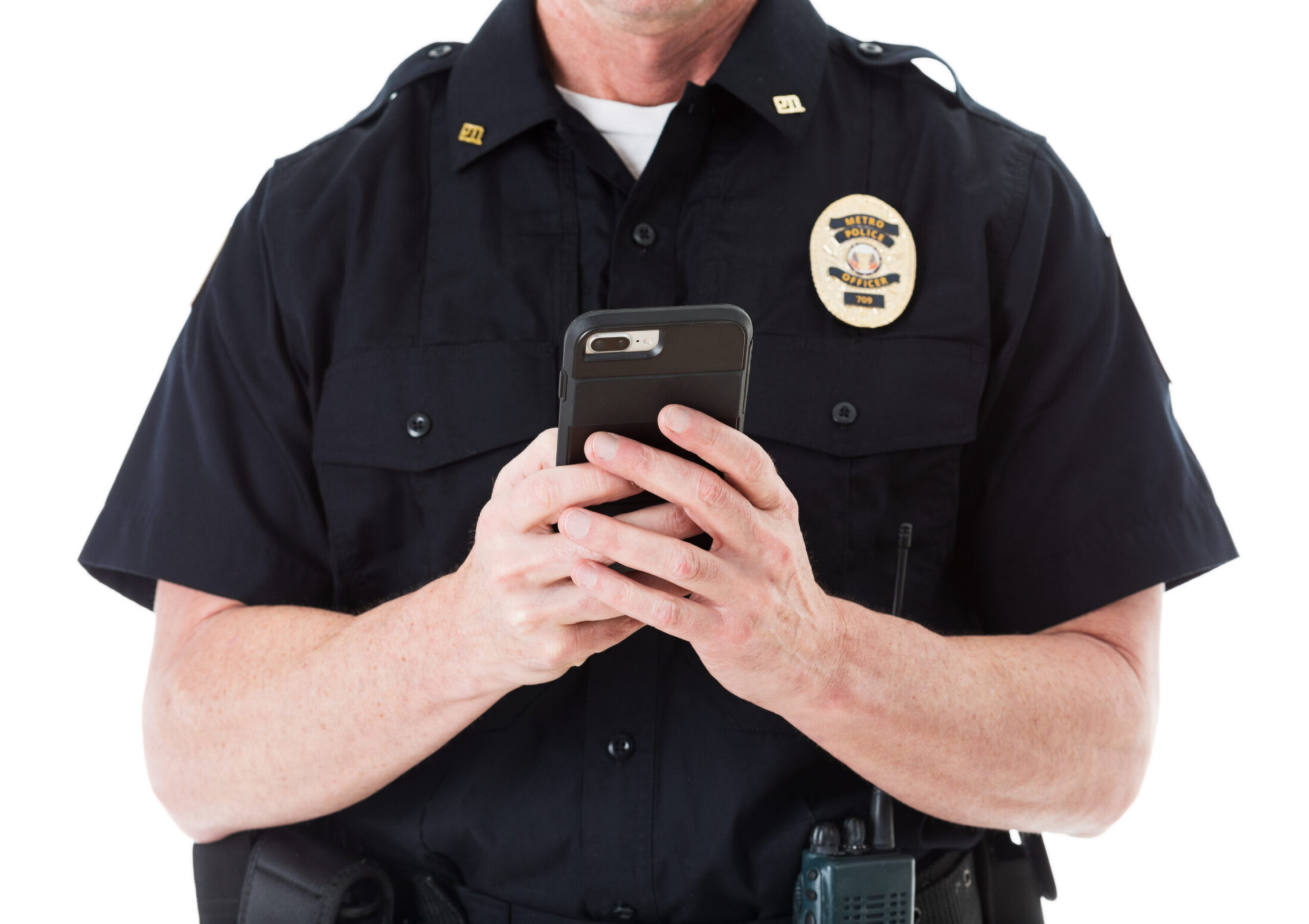
Can Police Search Your Phone Without a Warrant in Illinois? For most people, their cell phone contains some of their most private information, including text messages, photos, financial records, location history and social media activity. Since smartphones reveal so much about your life, the law generally provides stronger protections for cell phone searches than many other types of property.
In Illinois, police generally must obtain a warrant before searching the contents of your phone, even if they have lawfully arrested you. However, there are exceptions to this rule, and the circumstances of your case can affect what law enforcement is permitted to access. Understanding your rights can help you avoid unintentionally waiving important constitutional protections and can play a significant role in your defense if criminal charges are filed.
If police searched your phone or are attempting to access data stored on your device, an experienced Illinois criminal defense attorney can evaluate whether your constitutional rights were violated and whether any evidence should be suppressed.
Call (314) 900-HELP today or contact us online for a free consultation.
What This Guide Covers
In this article, we explain:
- When Illinois law enforcement can search your phone
- When police need a warrant to access your cell phone data
- What exceptions may allow police to search your phone without a warrant
- What rights you have if police ask to search your device
- What makes a cell phone search warrant valid
- How an experienced criminal defense lawyer can challenge unlawfully obtained cell phone evidence
What Information Can Police Obtain From a Cell Phone?
Your digital messages and call logs can be used to incriminate you. Cell phone evidence is often used in drug offense cases, sex crimes, firearm charges, DUI cases, fraud and conspiracy cases.
Additional evidence that may be obtained from a cell phone includes:
- Photos and videos
- GPS location data
- Social media messages
- Internet search history
- Banking and payment app records
- Dating app communications
What Laws Protect Your Cell Phone Privacy in Illinois?
After you are arrested, however, the police generally cannot search the contents of your phone without a warrant. The following laws protect your digital privacy and limit when law enforcement can access information stored on your phone:
- The Fourth Amendment: Protects you against unreasonable searches and seizures. In Riley v. California (2014), the U.S. Supreme Court held that police generally must obtain a warrant before searching the contents of a cell phone seized during an arrest.
- 725 ILCS 168/10 (Illinois Freedom from Location Surveillance Act): Law enforcement generally must obtain a court order before accessing real-time or historical location information from a phone.
- 725 ILCS 5/108-2: Property taken during an arrest must be inventoried and returned when a person is released without charges.
When Can Police Search a Phone Without a Warrant?
Exceptions to police needing a warrant to search your phone include:
- If you voluntarily consent to the search
- When there is an immediate risk to public safety
- During certain border crossings and international travel situations
An immediate risk to public safety exception may apply in situations where police need to act quickly to prevent harm. Examples may include:
- Locating information on a phone to identify a person who may be planning an imminent violent act
- Finding information needed to locate a dangerous suspect who poses an immediate threat
- Accessing information to help locate a potential victim who may be in immediate danger
Whether an exception applies depends on the facts of the case. If officers searched your phone without a warrant, an attorney can determine whether the search was lawful.
How Do Police Obtain a Warrant to Search Your Phone?
While police can seize your phone during an investigation to prevent evidence from being altered or destroyed, they generally must still obtain a warrant before accessing the data stored on the device.
To obtain a valid warrant, police generally must:
- Show probable cause to a judge
- Describe the evidence they are seeking and how it relates to the alleged crime
- Identify the device to be searched
- Comply with limitations on the scope of the search
For example, if officers are authorized to search for text messages from a specific date, they generally cannot use that warrant as authority to search unrelated financial records or private photographs.
What Should You Do If Police Want to Search Your Phone?
If you are arrested for a crime, it is important that you:
- Do not argue with police or physically resist officers
- Do not consent to a search of your cell phone
- Write down details about your police encounter, including any potential violations of your rights
- Contact an Illinois criminal defense lawyer immediately
What you do in the hours following an arrest can significantly affect your ability to challenge evidence later in court.
How Can an Illinois Criminal Defense Lawyer Challenge Cell Phone Evidence?
At Combs Waterkotte, we can review camera footage, police reports and timelines to determine whether officers pressured you, exceeded the scope of a warrant, or misled you into unlocking your phone.
We are experienced with:
- Challenging unlawful searches
- Contesting insufficient warrants under 725 ILCS 5/108-3
- Filing motions to suppress unlawfully obtained evidence under 725 ILCS 5/114-12
Our attorneys can analyze the circumstances surrounding your arrest and identify potential constitutional violations that may strengthen your defense.
What Happens If Police Search Your Phone Illegally?
While cell phone evidence plays a role in many modern criminal investigations, police do not have unlimited authority to access your private information.
When officers exceed the scope of a warrant, obtain consent through coercion, or search a device without proper legal authority, the evidence they recover may be challenged in court. In some cases, evidence obtained through an unlawful search may be excluded from trial.
Because every case is different, however, it is important to have a knowledgeable criminal defense lawyer review the circumstances of your search as early as possible.
Contact an Illinois Criminal Defense Lawyer Today
If police searched your phone, seized your device, or obtained evidence through a questionable search, Combs Waterkotte is ready to help. With over 100 years of combined experience and more than 10,000 cases handled, our team knows how to identify constitutional violations and aggressively challenge improperly obtained evidence.
Call (314) 900-HELP or contact us online today for a free and confidential consultation.