





Additional Links
- How to Beat a DUI Charge in Chicago
- Can I Get a Hardship License After a DUI in Illinois?
- The Illinois DUI Laws Chicago Drivers Need to Know
- First-Time DUI in Illinois: What You Need to Know
- Legal Video | Can You Refuse a Breathalyzer or Field Sobriety Test in Illinois?
- Legal Video | Can a DUI be Charged Without a Breath or Blood Test in Illinois?
- Legal Video | What if the Officer Didn’t Follow DUI Testing Procedures?
- Legal Video | Are Field Sobriety Tests Reliable for Illinois Cannabis DUI Cases?
- Legal Video | How Accurate are Breathalyzer Tests Used by Illinois Police?
- Legal Video | Can Breath Test Results be Challenged in Illinois Court?
DUI Breath and Blood Test Lawyer in Chicago, Illinois Serving All of Cook County
Many Chicago residents don’t know their rights during a DUI stop and the detailed procedures under which police are allowed to test you. It’s also common for Cook County motorists not to know whether or not they can refuse testing and, if they do, the consequences of a refusal.
“It was my 2nd DWI, but not only did I NOT lose my driving license, but charges were reduced... I also didn’t have to do community service... [Combs Waterkotte’s] confidence and professionalism were very reassuring... I would ABSOLUTELY recommend [Combs Waterkotte] to anyone who is looking for a great defense lawyer.”
-T.S. | Combs Waterkotte Client
Combs Waterkotte has more than sixty combined years of defending Chicago area drivers against DUI charges. Our firm has statewide resources through Illinois to help you challenge the results of a blood or breath test after a DUI. We take a client-centered approach to defense to keep you informed of the status of your case at all times and to help you make the right choices for your particular circumstances.
If you were pulled over and refused or failed a blood or breath test anywhere in Chicago or Cook County, get in touch with one of our defense attorneys today at (314) 900-HELP or reach out to us online. We can protect your license, keep you out of jail, and minimize the effects of a failed or refused DUI test on your life and career.
When Are Chicago Police Allowed to Administer DUI Breath and Blood Tests?
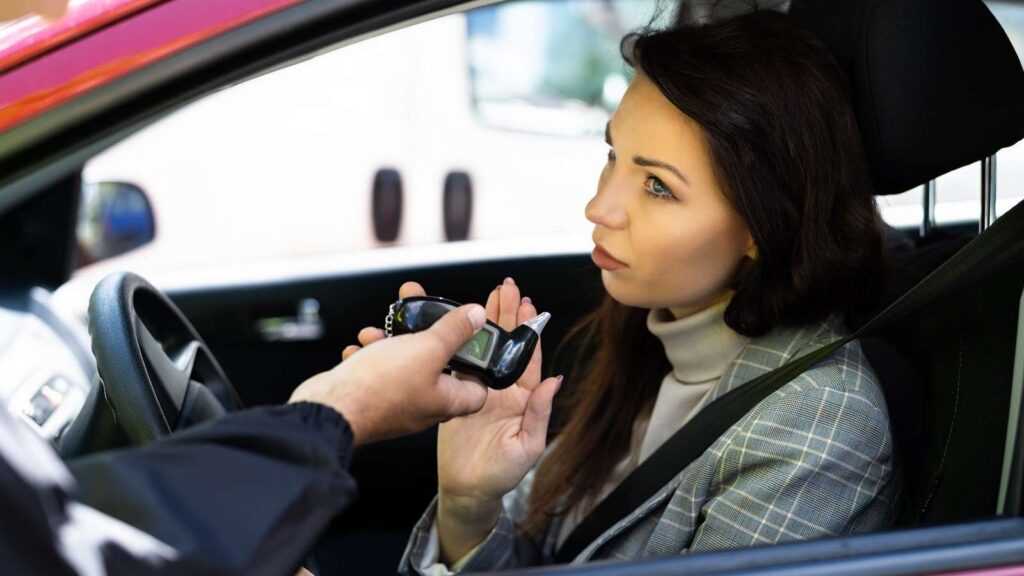
Under Illinois law, Chicago police are allowed to give you a breath or blood test under certain circumstances. The state of Illinois follows an implied consent rule, which essentially means that, by virtue of driving on public roads, you automatically give consent to be tested for DUI.
However, implied consent doesn’t mean police are allowed to pull you over and force you to submit to a test. Generally speaking, the following elements must be true for a police officer to administer a DUI test:
- The officer must have probable cause to pull you over in the first place
- The officer must have probable cause to believe you are driving under the influence
- The officer must place you under arrest or issue a ticket for a DUI offense
This is the chain of events that typically leads to a DUI test under Illinois law. A police officer will pull someone over for a traffic infraction (like a broken tail light or speeding), have suspicion that the driver is intoxicated (due to weaving, slurred speech, or the smell of alcohol), and then either place you under arrest or issue a citation for DUI. At that point, implied consent testing kicks in.
Can You Refuse a DUI Breath or Blood Test in Chicago?
Yes, you are allowed to revoke implied consent and refuse a blood or breath test during a Chicago, Illinois DUI stop. However, a refusal can come with consequences.
Under 625 ILCS 5/11-501.1(c), police are required to inform you that refusing a test can result in a statutory summary suspension (SSS) of your driver’s license. Also, if you are a CDL license holder, your commercial driver’s license can be suspended, too (even if you are not driving for work at the time).
If you are involved in a DUI accident that causes a personal injury or the death of another driver, refusing a test after the crash can result in a license revocation rather than a suspension. A revocation is a more serious license suspension process, and it is much more difficult to reinstate a revoked license than a suspended license.
What Are the Consequences of Failing or Refusing a DUI Breath or Blood Test in Illinois?
Many Illinois drivers are surprised to learn that refusing a blood or breath test and failing a test both result in a driver’s license suspension, but the lengths of the respective suspensions are different. Your driving history also impacts the length of your suspension, with harsher penalties for multi-time offenders than first-time offenders.
The license penalties for refusing a DUI test in Chicago are as follows:
- Failed test (first DUI) — 6 month license suspension
- Refused test (first DUI) — 1 year license suspension
- Failed Test (second DUI) — 1 year license suspension
- Refused test (second DUI) — 3 year license suspension
For individuals under 21, the license penalties are a bit more lenient:
- Failed test (first DUI) — 3 month license suspension
- Refused test (first DUI) — 6 month license suspension
- Failed Test (second DUI) — 1 year license suspension
- Refused test (second DUI) — 2 year license suspension
A statutory summary suspension begins 46 days after it is issued. During this 46-day window, drivers have the opportunity to request an administrative hearing during which they might be able to regain their driving privileges.
Statutory summary suspension applies while a DUI case is still pending and, based on your driving history and test results, have fixed periods. License revocation, on the other hand, occurs if you’re convicted of a DUI. A revocation period is indefinite, and getting your license back after it’s revoked depends on several steps:
- You must have a hearing before an officer of the Illinois Secretary of State
- You must undergo an alcohol or drug evaluation
- You must complete an educational program
- You must file proof of SR-22 insurance
- You must pay a $500 fine
License issues are just half of a DUI case—the civil half, to be specific. But each DUI case also includes a criminal element to it. The criminal penalties for a DUI conviction depend heavily on your history of driving under the influence, but generally, first-time offenders face:
- A Class A misdemeanor charge
- Up to 364 days in jail
- Fines up to $2,500
- The payment of court costs
Defenses Against Blood and Breath Test Results or Refusal in Chicago, Illinois
A DUI defense involves defending against driver’s license consequences and the potential criminal aspects of a DUI arrest. At Combs Waterkotte, we’re equipped to protect you on both fronts. Here are some of the strategies we can use to help you.
Challenge Probable Cause for the DUI Arrest
In Chicago, police need probable cause to arrest someone for driving under the influence. Probable cause includes things like swerving while driving, slurred speech, the smell of alcohol, or open containers in a car. Your lawyer can seek to prove that evidence or probable cause did not exist to undermine the arrest and the resulting test failure or refusal evidence.
Challenge the Statutory Summary Suspension
At a hearing, a defense lawyer can contest whether a police officer had reasonable grounds to suspend your driver’s license. They can inquire as to whether you were properly warned about the consequences of failing or refusing a test, and even whether a failure or refusal even occurred in the first place.
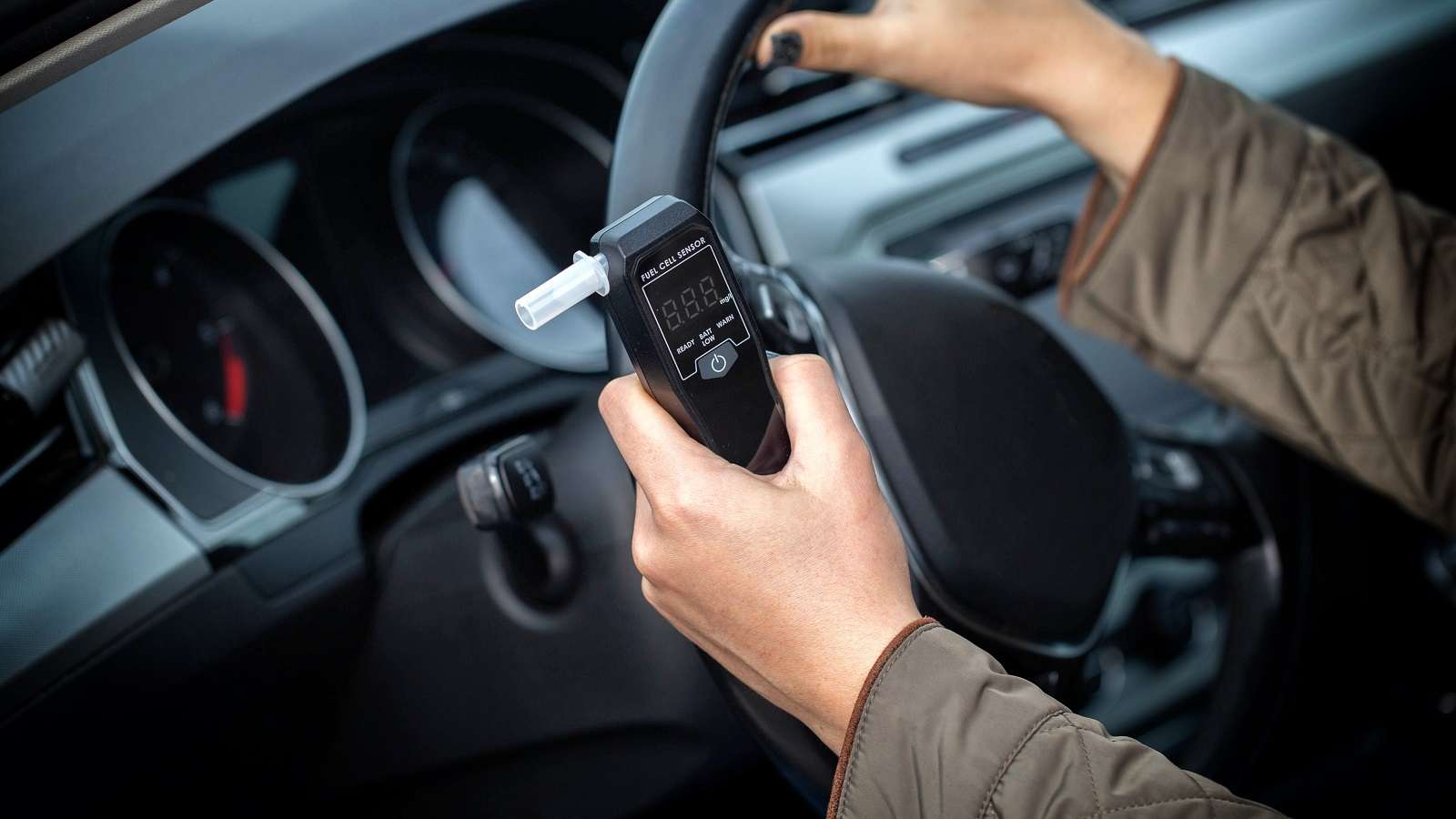
Attack Breath Testing Procedures
The state of Illinois requires officers to use approved equipment, qualifications to use that equipment, and specific procedures to be used during testing. Officers are also required to follow a continuous 20-minute observation period before administering a test. Police failure to follow proper rules may allow lawyers to challenge test results.
Challenge the Accuracy or Reliability of the Breathalyzer
Your lawyer can look at maintenance records, certifications, calibration history, error messages, or operator mistakes related to the specific breathalyzer used to test you. Any anomalies can cast doubt on your alleged blood alcohol concentration.
Challenge Blood Collection and Testing
Under 625 ILCS 5/11-501.2, Illinois law requires specific parameters for blood testing. Your lawyer can examine whether your blood was drawn by an authorized individual, whether it was properly preserved, correctly labeled, transported securely, and analyzed according to Illinois standards.
Raise Contamination or Chain-of-Custody Issues
Missing records, unexplained handling of your blood sample, improper storage, or questions about whether the sample actually belonged to you are all legitimate challenges to blood evidence. If your lawyer can raise reasonable doubt, the state may be unable to link a failed blood test back to you.
Argue That Your Tested Blood Alcohol Concentration Did Not Reflect Your Actual Blood Alcohol Concentration
Alcohol absorbs in your blood over time. The time between when you were driving, pulled over, and actually tested can cause different BAC results. Your lawyer may be able to argue that you were actually under the legal limit while you were operating your vehicle, especially if your test showed you were just slightly over the failure threshold.
Attacking Officer Observations
Even if evidence of your refusal is deemed admissible, you’re not out of options. Your lawyer can challenge driving observations made by the officer, field sobriety test procedures, the officer’s testimony, and video evidence to explain your behavior.