






Additional Links
- Legal Video | What Should I Do if I’m Charged With a Crime in Illinois?
- Legal Video | What Are My Rights if I’m Arrested in Illinois?
- Legal Video | How Can Criminal Charges in Illinois Be Reduced or Dismissed?
- Legal Video | What Penalties Could I Face Under Illinois Law?
- Legal Video | Do I Need a Lawyer if I’m Innocent in Illinois?
- Legal Video | Can the Police Legally Search Me or My Property in Illinois?
- What to Look for in a Chicago Criminal Defense Lawyer
- What Happens After an Arrest in Chicago?
Arson Lawyer in Chicago, Illinois Serving All of Cook County
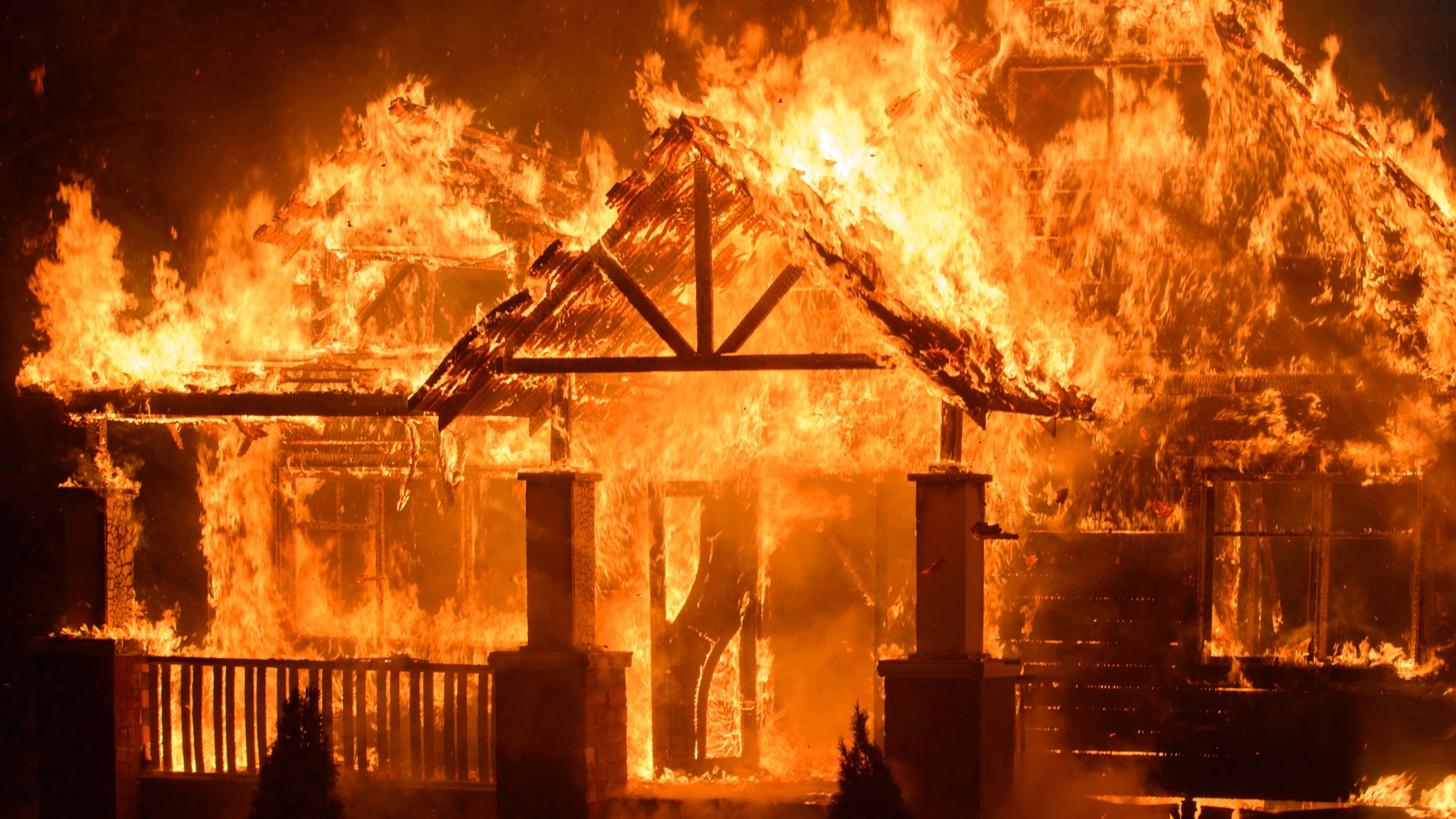
Arson charges in Chicago or Cook County are prosecuted aggressively and can carry life-changing consequences. Prosecutors in these cases rely on complex arson investigations, expert testimony, and circumstantial evidence to build their case. That means you need a defense team who understands how to challenge their evidence and protect your rights from day one.
At Combs Waterkotte, we have more than eight combined decades of criminal defense experience. We know arson cases aren’t always as straightforward as they may appear. Faulty investigations, mistaken conclusions, and weak evidence can all play a role in an arson case. That’s why we conduct our own review of the facts, scrutinize the prosecution’s theory of the case, and develop a defense strategy tailored to your specific circumstances.
“I recently went to trial with [Combs Waterkotte] and [they] won a ‘not guilty’ verdict for me... When you are sitting in trial all kinds of thoughts enter your mind, and you’re constantly saying to yourself: oh, ask this question, bring up that point, etc. With [Combs Waterkotte], every time one of those thoughts entered my mind [they were] already on top of it and driving the point home better than I ever thought it could be... This has been the best experience I have ever had with a lawyer and the legal system”
-Matt | Combs Waterkotte Client
From the outset, our goal is to pursue every avenue available to have your charges reduced or dismissed. But if we can’t reach a favorable outcome through negotiation, we remain fully prepared to take your case to trial and fight for your future in court.
If you’re facing arson charges in the greater Chicago area, don’t wait to hire experienced legal representation. The prosecution is already building their case against you, so call Combs Waterkotte today at (314) 900-HELP or contact us online to start defending your freedom and future.
Arson Definition Under Illinois Law
Under Illinois law, the arson statute clearly defines three types of arson-related offenses:
- Arson
- Residential arson
- Place of worship arson
Before diving into each, it’s important to understand how Illinois’s arson laws define “property.” According to the statute, property in the context of an arson doesn’t refer to things like furniture, clothes, or other similar possessions. Rather, it defines property as “a building or other property.”
With this definition in mind, Illinois law says an individual commits arson when, by means of a fire or explosive, they knowingly:
- Damage $150 or more worth of property without the owner’s consent
- Damage $150 or more worth of property with the intent to defraud an insurer
Residential arson and arson on a place of worship are defined as you might expect:
- Residential arson occurs when someone knowingly commits arson and partially or totally damages the dwelling place of another
- Place of worship arson occurs when someone knowingly partially or totally burns down a church, synagogue, mosque, or other religious building
The law also covers aggravated arson offenses. In Chicago or Cook County, a person commits aggravated arson:
- When they commit arson and partially damage or destroy a building or structure, including:
- A school
- A house trailer
- A watercraft
- A motor vehicle
- A railroad car
- Under the following circumstances:
- When they knew or should have known another person was inside the structure
- When a person suffers great bodily harm, permanent disability or disfigurement
- When the arson injuries a fireman or police officer at the scene
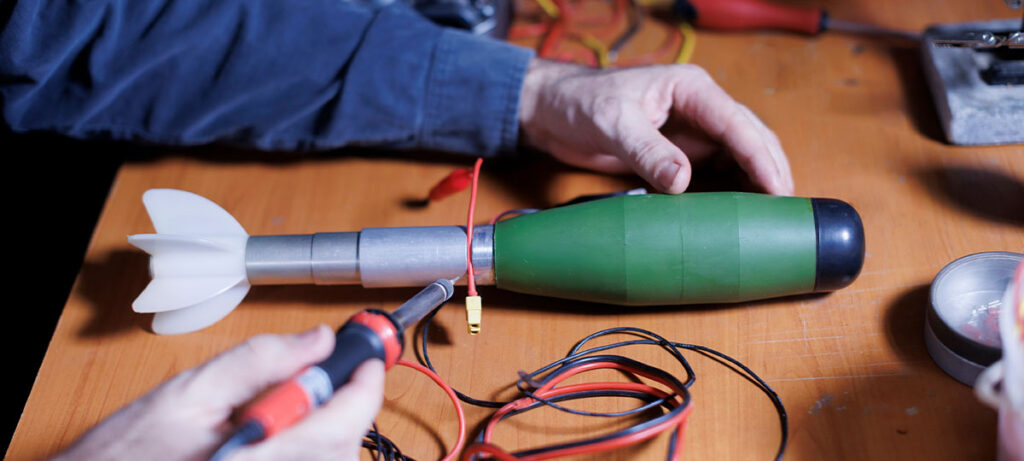
The state of Illinois also punishes the possession of explosives or incendiary devices. A person commits this offense when they:
- Possess, manufacture, or transport:
- Any explosive compound, or
- A timing or detonating device for use with an explosive or incendiary device
- And they intend to use the explosive or device to:
- Commit a crime, or
- Know another person intends to use the explosive or device to commit a felony
Is Arson a Felony in Chicago, Illinois?
Yes, arson is always charged as a felony offense in Chicago and Cook County. It’s one of a few offenses under Illinois law classified as a forcible felony, and a conviction carries the possibility of years or even decades behind bars.
The baseline charge for arson in the state of Illinois is a Class 2 felony, a conviction for which carries up to 7 years in prison. However, a person charged with arson may face a Class 1 felony for:
- Arson on a residence
- Arson on a place of worship
- Possession of explosives or incendiary devices
Given the potential harm inherent to other people including firefighters and police officers, aggravated arson is charged as a Class X felony in Chicago. A conviction for aggravated arson carries a potential prison sentence up to 30 years.
Criminal Defense Strategies Against Chicago, Illinois Arson Charges
Although arson charges are serious, that does not mean they’re not defensible. At Combs Waterkotte, we’re fully prepared to take on Chicago arson cases by employing the following criminal defense strategies.
Challenging the Cause and Origin of the Fire
Chicago arson cases usually depend on an arson investigator’s conclusion that a fire was set intentionally. Defense lawyers, though, can scrutinize the methods used to determine the fire’s cause and origin, looking for flawed assumptions, incomplete testing, or alternative explanations for the fire’s origin. Because fires can destroy critical evidence, investigators may heavily rely on interpretation rather than direct proof. Demonstrating that a fire could have started accidentally can help create reasonable doubt and weaken the prosecution’s case.
Arguing the Fire Was Accidental
Not every fire is the result of criminal conduct. Factors like electrical malfunctions, unattended cooking surfaces, mechanical failures, and other accidents can produce fire damage that may seem suspicious at first glance. A defense lawyer can present expert testimony, maintenance records, and additional evidence to show that the fire started by accident. Because Illinois’s arson statutes require proof that a defendant “knowingly” caused damage, evidence of an accidental fire may be key in disproving arson charges.
Contesting the Identification of the Suspect
Even when Cook County prosecutors believe a fire was set intentionally, they still have to prove who started it. Arson investigations tend to rely on surveillance footage, witnesses, phone records, and other circumstantial evidence. A good defense attorney can challenge the reliability of this circumstantial evidence and highlight inconsistencies in the prosecution’s timeline. If the state can’t establish that the accused was responsible for the fire beyond a reasonable doubt, a conviction may not be possible.
Challenging Witness Credibility
Witness testimony can play a significant role in arson prosecutions, especially when there is little or no physical evidence connecting a defendant to the fire. Defense attorneys may examine whether a witness has limited opportunities to observe the events, provided inconsistent statements, or even had motives to fabricate allegations. Showing that a witness is unreliable can create doubt around the prosecution’s narrative and help to avoid a guilty verdict.
Disputing Allegations of Insurance Fraud
Some Chicago and Cook County arson charges arise from allegations of setting a fire to get insurance money. In these instances, prosecutors have to prove both that the fire was set intentionally and that the defendant acted with intent to defraud an insurer. A defense strategy may focus on the absence of a financial motive, legitimate insurance claims, or other evidence that proves a defendant did not benefit from the damage caused by the fire.
Raising Constitutional Violations
Chicago PD and prosecutors must obey a defendant’s constitutional rights throughout the entirety of an arson investigation. If officers conduct an unlawful search, seize evidence without proper legal authority, or obtain statements in violation of a defendant’s rights, a defense lawyer can seek to exclude the resulting evidence. Successful suppression motions can help to weaken the prosecution’s case by throwing out potentially damaging evidence that was gathered improperly.
Negotiating for Reduced Charges or Alternative Outcomes
Not every arson case in the Chicago area goes to trial. In some instances, the defense may negotiate with prosecutors to seek reduced charges, alternative sentencing options, or resolutions that minimize the long-term consequences of a felony arson conviction. Factors that can affect negotiations include the defendant’s criminal history, the extent of the fire’s damage, and the strength (or lack thereof) of the prosecution’s evidence. A deal may help achieve a favorable outcome without dealing with the hassle and stress of a criminal trial.
What to Do If You’re Charged with Arson in Chicago, Illinois
If Chicago police arrest you for arson, what you say and do in the days and hours after your arrest can dramatically affect the outcome of your case. At Combs Waterkotte, our criminal defense attorneys recommend the following:
- Exercise your right to remain silent — Arson investigations involve detailed police questioning, fire investigators, and insurance representatives. Even innocent explanations can be used against you, so politely decline to answer questions until you have a lawyer present.
- Contact a Chicago arson lawyer — Arson charges carry serious felony penalties. Early legal intervention can help challenge investigative conclusions and protect your constitutional rights to position you for the best outcome possible.
- Preserve records related to the property and fire — Gather photos, maintenance records, repair invoices, utility records, and any documentation concerning the property. They can help establish the fire resulted from an accident or equipment failure rather than criminal conduct.
- Create a timeline of your whereabouts — Record where you were before, during, and after the fire while your memory is fresh. Include the names of potential witnesses, receipts, phone records, and other information that can help verify your location.
- Be cautious when dealing with insurance companies — Insurance companies may conduct their own investigation and share their findings with police. Before speaking to insurers about the fire, talk to an attorney who can help you understand the potential criminal implications of your responses.
- Avoid speaking with fire investigators without a lawyer — Investigators may ask seemingly routine questions that are actually designed to determine intent, motive, or opportunity. Statements made during an arson investigation can become important evidence, and having an attorney present can help protect your rights.