






Additional Links
- What Happens After an Arrest in Chicago?
- What Are the Different Felony Classes in Illinois?
- What’s the Difference Between a Felony and a Misdemeanor in Illinois?
- Can a Felony Be Reduced to a Misdemeanor in Illinois?
- How Much Prison Time Do You Face for a Felony in Illinois?
- What Happens After You’re Arrested in Illinois?
- What to Do After Being Caught With Drugs in Illinois
- Legal Video | Everything You Need to Know About Criminal Charges in the State of Illinois
- Legal Video | What Should I Say to Police if Arrested in Illinois?
- Legal Video | What Should I Do if I’m Charged With a Crime in Illinois?
Class 2 Felony Lawyers Serving Chicago, Illinois and All of Cook County
When you choose Combs Waterkotte to take on your Class 2 felony charge in Chicago, Illinois, we’ll start with a free, confidential consultation. We want to understand your side of the story: all the pertinent facts, evidence, and circumstances of the charge you’re facing.
After we know what we’re up against together, we use the combined resources of our experienced team of attorneys, paralegals, and legal assistants to outline viable defense strategies to take on every detail of the prosecution’s charges against you. The key to success is in the details, and we work tirelessly to sift through them all.
“I recently went to trial with [Combs Waterkotte] and [they] won a ‘not guilty’ verdict for me... When you are sitting in trial all kinds of thoughts enter your mind... ask this question, bring up that point, etc. With [Combs Waterkotte], every time one of those thoughts entered my mind [they] were already on top of it and driving the point home better than I ever thought it could be... This has been the best experience I have ever had with a lawyer in the legal system, and I owe it all to [Combs Waterkotte].”
-Matt | Combs Waterkotte Client
Throughout the entire process, you’ll experience our client-centered approach to practicing law. This means we keep you in the loop about anything and everything going on with your case — every decision, every ruling, every plea offer, and every detail of the trial process (if the case goes that far).
Everything we do from the outset is designed to dismiss or reduce your Class 2 felony charges. If that doesn’t happen, we’ll aggressively pursue a not guilty verdict at trial so we can add your case to our growing list of victories.
If you’re ready to fight your charges and secure your future, reach out to Combs Waterkotte online today or call us now at (314) 900-HELP.
What Is a Class 2 Felony in Chicago?
In Chicago, Illinois, Class 2 felonies are right in the middle of the felony classification system. Their potential penalties are less severe than Class X and Class 1 felonies, but more severe than Class 3 and Class 4 felonies.
While being in the middle may not sound too bad, you should still take Class 2 felony charges very seriously. A conviction can result in any of the following possible penalties:
- A 3 to 7 year prison sentence
- An extended prison sentence of 7 to 14 years (for aggravating factors)
- Possible probation up to 4 years
- Possible electronic monitoring
- 2 years of parole upon release from prison
While Class X felonies have no possibility of probation in Illinois and Class 1 felonies have a low possibility of probation, in many cases, a defense lawyer can negotiate probation for their client with a Class 2 felony charge. That’s why it’s vital to contact a criminal defense attorney if you’re facing a Class 2 felony in Chicago or anywhere in the Cook County area.
List of Class 2 Felony Offenses in Chicago
There are several criminal actions that can result in a Class 2 felony charge under Illinois law. The best way to understand them is through certain offense categories, including:
Weapons Offenses
The state of Illinois has some of the most strict gun laws in the country, requiring a Firearm Owner’s Identification (FOID). Illinois’s criminal laws are just as strict, with many weapons-related offenses meeting the Class 2 felony threshold. Some of the most common weapons charges Combs Waterkotte defends against in Chicago include:
- Unlawful possession of weapons (including unlawful possession of weapons by a felon)
- Armed Violence (for crimes committed with a Category III weapon)
- Aggravated unlawful possession of a weapon (for second and subsequent offenses)
- Unlawful discharge of firearm projectiles (for carrying certain types of restricted ammunition)
- Unlawful sale or delivery of firearms (for selling a concealable weapon to someone under the age of 18)
Theft and Property Offenses
There are several stealing and property-related offenses that are classified as Class 2 felonies under Illinois law. Some of the most common theft and property-related offenses we see charged in the Chicago area are:
- Robbery
- Burglary (when causing damage to the applicable stolen property)
- Arson
- Theft (for a value of $10,000 to $100,000 or a value of $500 to $10,000 from a school or church)
- Retail theft (for a value of $300 while exiting the location through the emergency exit)
- Identity theft (for a value between $2,000 and $10,000 or a value between $300 and $2,000 when the victim is a member of the U.S. Armed Services or Illinois National Guard)
Sexual Offenses
Cook County and Chicago area prosecutors tend to pursue convictions for sex crimes aggressively. Some of the most common Class 2 sex crime felonies we see prosecuted in the Chicago area are:
- Criminal sexual abuse (for a second or subsequent offense)
- Aggravated criminal sexual abuse
- Patronizing a sexually exploited child (if the offense occurs within 1,000 feet of a school)
- Child pornography (for possessing videos of children under 13 years old)
Drug Offenses
The Illinois Controlled Substances Act outlines several instances where making, distributing, or even possessing illicit drugs is a Class 2 felony. Some of the offenses we help defend against most often include:
- Manufacture or delivery of controlled substances (for relatively small amounts of LSD, methamphetamine, fentanyl, and other drugs)
- Controlled substance trafficking
- Providing or selling drugs to minors (within 500 feet of a truck stop or safety rest area)
Violent Offenses
Given the potential injuries and even deaths involved, police and prosecutors in Chicago are usually highly motivated to hand out the maximum allowable prison sentences under the law for violent crimes. Some of the violent offenses we help defend against most often in Chicago at Combs Waterkotte are:
- Involuntary manslaughter and reckless homicide (when committed in a school or construction zone or while ignoring directions from a police officer or traffic cop)
- Kidnapping
- Aggravated battery (when causing great bodily harm or permanent disability to a person 60 or older)
- Domestic battery (for those with 4 or more prior convictions)
- Aggravated domestic battery
- Hate crimes (for first-time offenses that take place in a church, synagogue, mosque, cemetery, school, or public park, or for all second or subsequent offenses)
What to Do If You’re Arrested for a Class 2 Felony in Chicago
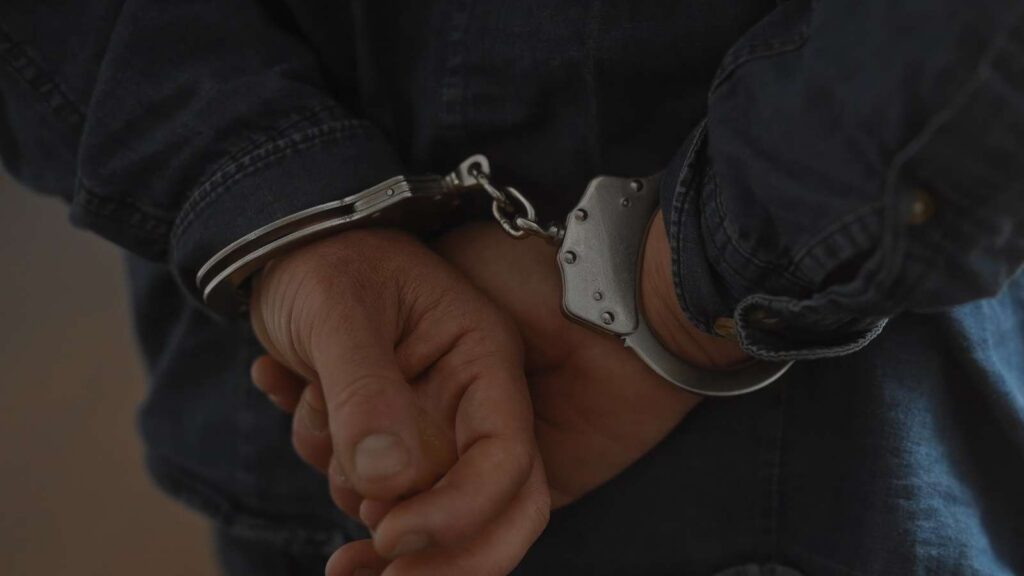
A Class 2 felony is a very serious offense in Chicago and Cook County, and what you say or do after being arrested or charged can either make or break your case. If you’re ever arrested for a Class 2 felony, the criminal defense attorneys at Combs Waterkotte suggest taking the following courses of action.
Remain Silent and Do Not Answer Questions
After an arrest, anything you say can (and likely will) be used against you. Even casual or explanatory statements may prove damaging in the long run. But remember: You have the right to remain silent under the Fifth Amendment.
Politely decline to answer any question from law enforcement. The only thing you should say is that you’re invoking your right to remain silent and that you’d like an attorney present. While law enforcement may continue questioning you, you are not required to respond.
Ask for an Attorney Immediately
Request a lawyer as soon as possible and do not say anything else until one is present. This right applies during police questioning and other critical stages of your case. An experienced criminal defense attorney can prevent missteps, protect your rights, and begin building your defense strategy early.
Comply with Law Enforcement Without Resisting
While you should assert your rights, you also should not resist arrest or act aggressively. Resistance can lead to additional charges or escalate the situation. Stay calm, follow basic instructions, and address any violations of your rights later through your attorney and the legal process.
Do Not Consent to Searches
Police officers may ask for permission to search you, your vehicle, or your home. The Fourth Amendment says you are not required to consent as long as police don’t have a warrant. Clearly and calmly state that you do not agree to any searches. This will preserve your ability to challenge illegal searches later and may prevent prosecutors from using improperly obtained evidence.
Do Not Discuss Your Case with Anyone
Don’t talk about your arrest, even with family or friends, and especially not on social media. These conversations are not protected and can be used later as evidence. Even private messages or recorded jail calls may be monitored. Limit all discussions about your case strictly to your attorney.
Pay Attention to Charges and Court Dates
Make sure you understand the charges filed against you and any upcoming court appearances. Missing a court date can result in a warrant for your arrest and additional legal consequences. Keep all paperwork and stay organized so you can respond appropriately at each step of your case.
Common Criminal Defense Strategies Against Class 2 Felonies in Chicago
In the event that you’re charged with a Class 2 felony, it’s essential to contact a criminal defense attorney to protect your rights under Illinois law and start building your defense as soon as possible.
At Combs Waterkotte, we’ve found several effective strategies for combatting Class 2 felony charges. While each case and each charge is different, here are some of the most common criminal defense strategies we employ in Class 2 felony cases.
Lack of Intent
Intent is often a key component of a Class 2 felony charge. A lack of intent defense argues that the act was accidental or misunderstood. If prosecutors can’t prove the required mental state beyond a reasonable doubt, the charge may be reduced or dismissed. This defense is especially effective in theft, drug, and property-related cases.
Illegal Search and Seizure (Fourth Amendment Violations)
If police obtained their evidence through an unlawful search, that evidence may be suppressed. A Fourth Amendment defense challenges whether law enforcement had a valid warrant, probable cause, or legal justification for their search. If they didn’t, a defense attorney may be able to get the charges dismissed.
Self-Defense
Self-defense applies when a defendant uses reasonable force to protect themselves from imminent harm. In Illinois, the force used must be proportionate to the threat faced. This defense is often raised in violent Class 2 felony cases like aggravated battery. It can potentially justify the defendant’s actions if properly supported by the evidence.
Alibi
An alibi shows that the defendant was somewhere else when the crime occurred. This often involves witness testimony, surveillance footage, or digital records. A strong alibi can create reasonable doubt and undermine the prosecution’s timeline, learning to reduced charges or a full acquittal.
Entrapment
Entrapment happens when law enforcement induces someone to commit a crime they wouldn’t have otherwise committed. This defense focuses on proving the defendant lacked predisposition and was persuaded or pressured by police. This is commonly used in drug or undercover sting cases and can result in acquittal if successfully demonstrated in court.
Duress or Coercion
In a duress or coercion defense, an attorney argues that their client committed the alleged offense because they were threatened with immediate harm. To succeed, the threat must be serious and leave no reasonable opportunity to escape. This defense acknowledges that the act occurred, but it contends that it was not voluntary, which can negate criminal liability.
Miranda Rights Violations
If law enforcement officers fail to advise a defendant of their Miranda rights before a police interview, any resulting statements may be inadmissible. This defense focuses primarily on protecting against self-incrimination. Suppressing a confession or damaging statement can significantly weaken the prosecution’s case and increase the odds of a favorable outcome.