



Additional Links
- Legal Video | What Are My Rights if I’m Arrested in Illinois?
- Legal Video | How Can Criminal Charges in Illinois Be Reduced or Dismissed?
- Legal Video | What Are the Most Common Criminal Charges in Illinois?
- Legal Video | What Should I Do If Arrested in Illinois?
- Legal Video | What Should I Say to Police if Arrested in Illinois?
- What Happens After an Arrest in Chicago?
- Can Criminal Charges be Dropped in Illinois?
- What to Look for in a Chicago Criminal Defense Lawyer

Reckless Conduct Lawyers in Chicago Serving All of Cook County, Illinois
Reckless conduct charges in Chicago and throughout Cook County can arise from a wide range of situations: misunderstandings, accidents, or false allegations that leave out important aspects of what happened. Even so, prosecutors may go after a conviction aggressively, the result of which can mean jail time, fines, and a lasting criminal record.
At Combs Waterkotte, we take the time to understand your side of the case before building a defense strategy tailored to the facts of the case. Our legal team will carefully review police reports, go over witness statements, dissect video footage, and scour through other evidence to look for inconsistencies, procedural errors, and weaknesses in the prosecution’s case.
“Words can't even describe how happy I am with this law firm but I'll try. They always kept in touch with me and definitely worked hard on my case. I couldn't have been more happy with the results I got”
-Joshua L. | Combs Waterkotte Client
From the outset, our goal is to reduce the impact these charges will have on your life, whether that means pursuing a dismissal, negotiating for reduced charges, or preparing to fight for you at trial. Throughout the process, we’ll work diligently to protect your legal rights.
If you’re ready to right back against your reckless conduct charges in the Chicago or Cook County area, call Combs Waterkotte today at (314) 900-HELP or reach out to us online. The sooner you secure legal representation, the higher likelihood of a favorable outcome.
What Is Reckless Conduct in Chicago, Illinois?

To understand what is considered criminal reckless conduct under Illinois law, first, it’s critical to understand the definition of the term “reckless.” Under 720 ILCS 5/4-6, conduct is considered to be reckless when it is:
- A conscious disregard of a substantial, unjustifiable risk of a certain circumstance or result that grossly deviates from a standard of care that a reasonable person would undertake in the same situation
In layman’s terms, recklessness is essentially doing something very dangerous that could lead to harm that a regular person would not do. With that in mind, according to 720 ILCS 5/12-5, a person can be charged with reckless conduct in Chicago or Cook County when they recklessly perform an act that:
- Causes bodily harm or endangers the safety of another person
- Causes great bodily harm or permanent disability or disfigurement of another person
Perhaps the best way to understand reckless conduct, though, is through concrete examples. Instances in which a person could face reckless conduct include:
- Throwing a heavy object from a roof or balcony onto a crowded sidewalk
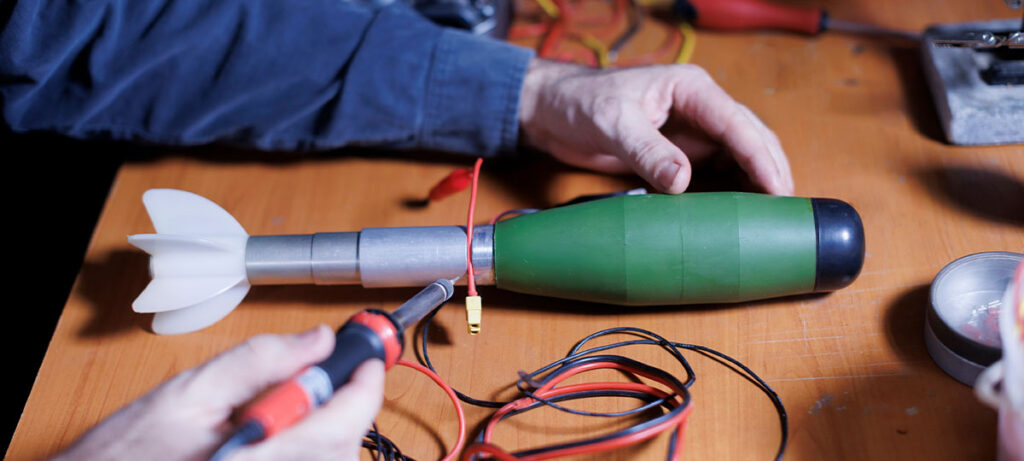
- Setting off fireworks in a crowd or inside a residential building
- Carelessly handling a loaded gun around other people
- Operating dangerous equipment without proper safety precautions
What Are the Penalties for Reckless Conduct in Chicago, Illinois?
Reckless conduct can be charged either as a misdemeanor or a felony in Chicago. The charge someone faces comes down entirely to the level of harm they cause to the victim of the conduct:
- Reckless conduct that results in bodily harm or that endangers someone’s safety is a Class A misdemeanor
- Reckless conduct that results in great bodily harm or permanent disability or disfigurement is a Class 4 felony
A Class A misdemeanor conviction can result in up to 364 days in jail and a fine up to $2,500. A Class 4 felony conviction comes with even harsher penalties: between 1 and 3 years in prison and a fine up to $25,000.
One top of potential jail or prison times and fines, a felony-level conviction for reckless conduct can also bring certain collateral consequences that may follow you for months or even years. Some of these consequences include (but are certainly not limited to):
- Employment problems — A felony reckless conduct conviction can limit job opportunities, creat background check concerns, and disqualify you completely from certain positions.
- Housing issues — Chicago landlords and housing authorities may consider your criminal history, potentially leading to denied applications, fewer available properties, and difficulty finding stable housing.
- Immigration consequences — For noncitizens, a felony reckless conduct conviction may affect admissibility, deportation proceedings, naturalization, or visas depending on the elements of the offense, the sentence, their criminal record, or their immigration status.
- Loss of firearm rights — Illinois prohibits people convicted of a felony from possessing firearms or ammunition. A conviction can affect your ability to protect your home, hunt, or participate in activity involving lawful gun possession.
- Professional licensing impacts — Licensing agencies may review a felony-level reckless conduct conviction when deciding whether to issue, renew, or suspend a professional credential.
What to Do If You’re Arrested for Reckless Conduct in Chicago
If you’re arrested for reckless conduct, it’s important to exercise your rights in a way that makes building a criminal defense as easy as possible for your attorney. At Combs Waterkotte, we recommend the following for anyone who has been placed under arrest for reckless conduct:
- Remain silent — If police question you, tell them you wish to remain silent. Don’t apologize or try to explain your conduct without a lawyer present.
- Request a lawyer — Ask to speak with a defense lawyer and stop answering the police’s questions until your attorney arrives.
- Stay calm during the arrest — Resisting arrest will only lead to additional charges. Stay as calm as you can and comply with legal directives.
- Do not consent to searches — During an arrest, police may ask to search your person, vehicle, phone, or home. You have the right to refuse, and you should.
- Don’t discuss the allegations with others — Private conversations between friends and family are not privileged and may be used against you later.
- Preserve helpful evidence — Save any photos, videos, messages, or witness information that can help challenge the prosecution’s account of the events.
Criminal Defense Strategies Against Chicago Reckless Conduct Charges
A good defense lawyer will be able to examine all the facts and evidence in your case and come up with a strategy that can mitigate the consequences. At Combs Waterkotte, we employ the following criminal defense strategies for our Chicago and Cook County clients facing reckless conduct charges.
Challenging the State’s Evidence of Recklessness
Illinois law requires proof that a defendant consciously disregarded a substantial and unjustifiable risk. A defense lawyer can argue that the conduct was reasonable under the circumstances, that danger was not obvious, or that the defendant lacked awareness of the danger. Witness testimony, videos, expert analysis, and surrounding conditions can help show that the offense was poor judgment or an accident rather than criminal recklessness.
Distinguishing Criminal Recklessness from Negligence
Not every careless act is criminal. A lawyer may emphasize that a defendant made a momentary mistake, misjudged a situation, relied on faulty information, or failed to perceive a risk. Those facts may support negligence but not show a conscious disregard. The defense can reconstruct the incident through photos, measurements, timelines, safety procedures, and expert testimony to demonstrate that the prosecution can’t prove recklessness.
Disputing That the Defendant Caused Harm
The state has to connect the accused’s conduct to the alleged bodily harm or danger. A defense may include investigating intervening acts, preexisting medical conditions, delayed treatment, another person’s conduct, or an independent accident. Medical records, surveillance footage, accident reconstruction, and expert opinions can expose gaps in causation. When prosecutors can’t prove the defendant’s act produced the harm in question, the charges may be reduced or dismissed.
Contesting the Severity of the Alleged Injuries
Felony reckless conduct requires great bodily harm or permanent disability or disfigurement, not merely bodily harm. A defense lawyer can scrutinize medical records, photographs, diagnoses, recovery time, and claimed lasting effects of an injury. An independent medical review may show that injuries were temporary, minor, unrelated, or overstated. Even when some offense did occur, successfully challenging the severity of an injury can reduce a charge of recklessness from a felony to a misdemeanor.
Seeking Suppression of Statements or Physical Evidence
Police may seek admissions about what the defendant knew, saw, or intended, because recklessness heavily depends on a person’s mental state. A defense lawyer can examine whether officers provided proper Miranda rights, respected a defendant’s request for a lawyer, or obtained valid consent for searches. If law enforcement officers committed constitutional violations, a defense attorney may be able to get evidence critical to the prosecution’s case thrown out.
Presenting Self-Defense, Necessity, or Emergency Evidence
Some conduct that appears dangerous may actually have occurred during self-defense, defense of another, or necessity. A defense team can develop evidence showing a defendant acted to prevent greater harm, responded proportionally, or had no reasonable safer option. Witnesses, dispatch records, medical evidence, and video may help to prove that a threat existed to the defendant. A valid justification can get charges dismissed, and an imperfect justification can still undermine recklessness charges to help in pre-trial negotiations.