






Additional Links
- What to Do After Being Caught With Drugs in Illinois
- How to Beat a Drug Charge in Illinois
- What Are the Penalties for Drug Possession in Illinois?
- What Happens After an Arrest in Chicago?
- Legal Video | What Happens if I’m Caught With Drugs in Illinois?
- Legal Video | What’s the Difference Between a Misdemeanor and Felony Drug Charge in Illinois?
- Legal Video | Can I Be Charged if the Drugs Weren’t Mine in Illinois?
- Legal Video | What Are the Most Common Drug Crimes in Illinois?
- Legal Video | What Are Drug Schedules in Illinois?
Cocaine Charges Lawyer in Chicago, Illinois Serving All of Cook County
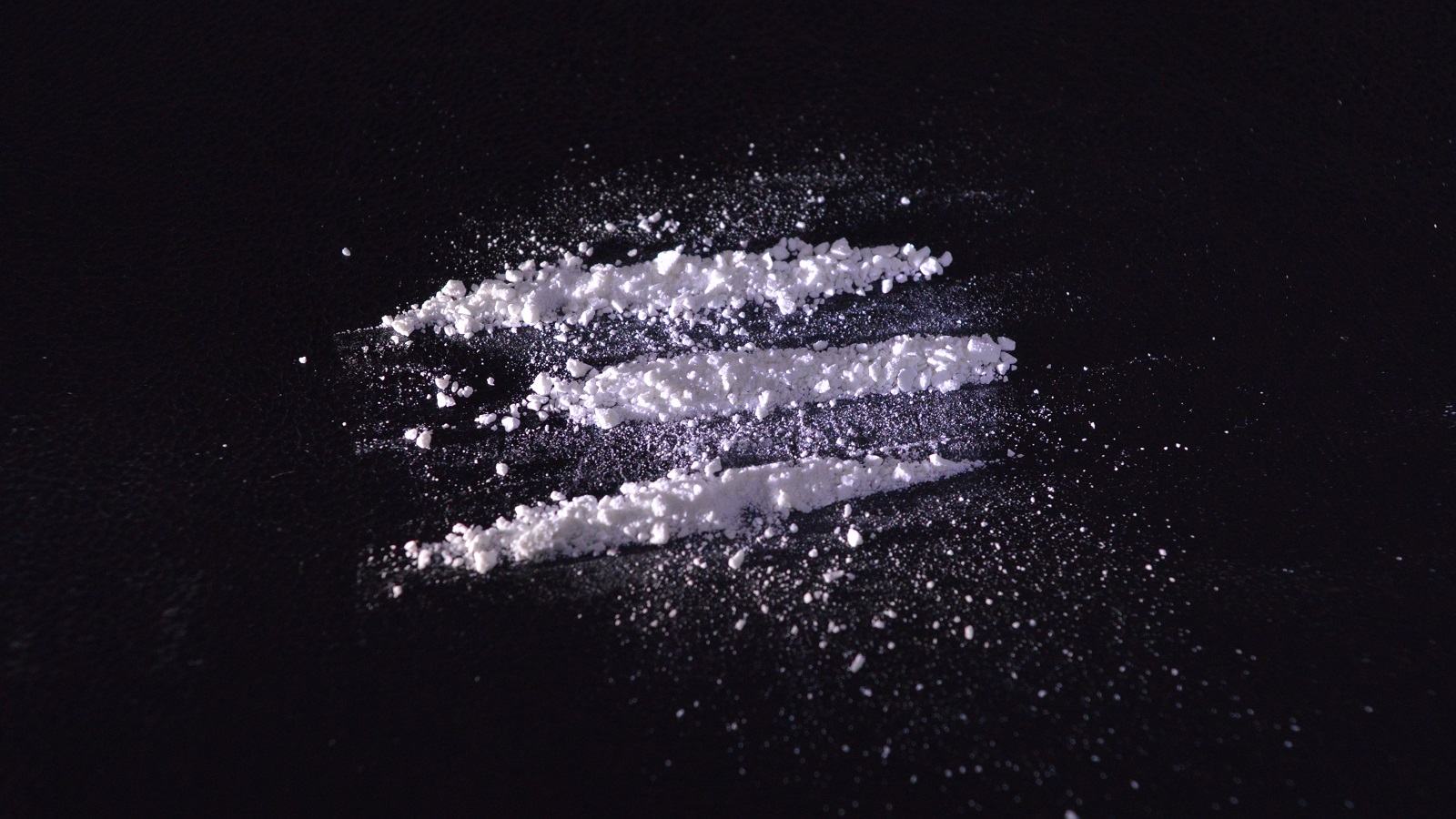
Cocaine charges in Chicago and throughout Cook County carry severe criminal penalties like large fines, probation, mandatory drug treatment, and significant prison time. Cook County prosecutors pursue cocaine-related offenses aggressively, especially when allegations involve possession with intent to distribute, trafficking, or repeat offenses. If you’ve been arrested or charged with having or dealing cocaine, you shouldn’t face the criminal justice system alone.
At Combs Waterkotte, we understand that every cocaine case has its own story. In some situations, charges stem from unlawful traffic stops, illegal searches, mistaken identity, or drugs belonging to someone else entirely. Our criminal defense team carefully examines every detail of your case, from police procedures and evidence handling to witness statements and constitutional violations, searching for every opportunity to weaken the prosecution’s accusations against you.
“Words can't even describe how happy I am with this law firm but I'll try. They always kept in touch with me and definitely worked hard on my case. I couldn't have been more happy with the results I got in the end”
-Joshua L. | Combs Waterkotte Client
When you choose Combs Waterkotte to handle your Chicago area cocaine charges, you gain a legal team with more than 100 years of combined criminal defense experience fighting serious controlled substance charges. We work tirelessly to pursue reduced charges, alternative sentencing options, or outright dismissals whenever possible. And if your case goes to trial, we’ll be fully prepared to defend your rights before a judge and jury.
If you’re ready to fight back against your cocaine charges in Chicago or anywhere in Cook County, contact Combs Waterkotte online or call us today at (314) 900-HELP. The sooner you secure experienced legal representation, the better positioned you’ll be to protect your freedom, future, and reputation.
Cocaine Schedule in Chicago, Illinois
Like every other state, Illinois law has several complex drug-related offenses on the books. Controlled substances are organized into “schedules,” and cocaine is listed as a Schedule II controlled substance under 720 ILCS 570/206(b)(4).
Importantly, this same statue also defines exactly what cocaine is in the state of Illinois, a definition which is more complex than it may sound. Cocaine consists of any of the following by-products of coca leaves containing cocaine or ecgonine:
- Salts
- Compounds
- Isomers
- Salts of an isomer
- Derivatives
Included in this definition is any substance that has a chemical equivalence to by-products containing cocaine or ecgonine. The statute does maintain that decocainized coca leaves or coca leaf extracts that don’t caine ecgonine or cocaine are not included in the drug schedule.
How Much Cocain Is a Felony in Chicago, Illinois?
Possessing, selling, or trafficking just 1 gram or more of cocaine in Chicago or Cook County is always a felony offense under Illinois law. The felony charge you face depends on how much cocaine you have in your possession and whether you merely possess it or you manufacture it or possess it with the intent to distribute it.
The state of Illinois defines clear penalties for certain thresholds:
- Offenses involving 1 to 14 grams of cocaine are charged as a Class 1 felony
- Offenses involving 15 grams or more of cocaine are charged as a Class X felony
Manufacture or Delivery and Possession with Intent to Distribute Cocaine in Chicago
Illinois’s manufacture or delivery of a controlled substance law makes it illegal to make cocaine or sell it. Any amounts listed in this law may also constitute possession with intent to distribute. These are Class X felony offenses, and the prison time an individual receives depends on the weight of the cocaine in their possession.
The table below outlines the manufacturing and delivery-related prison sentences for certain amounts of cocaine under Illinois law.
| Crime | Charge | Amount | Potential Sentence |
|---|---|---|---|
| Possession with intent to distribute | Class X felony | 15 to 99 grams of cocaine | 6 to 30 years in prison |
| Possession with intent to distribute | Class X felony | 100 to 399 grams of cocaine | 9 to 40 years in prison |
| Possession with intent to distribute | Class X felony | 400 to 899 grams of cocaine | 12 to 50 years in prison |
| Possession with intent to distribute | Class X felony | 900 or more grams of cocaine | 15 to 60 years in prison |
A conviction for manufacturing 100 grams or more of cocaine or possessing 100 grams or more of cocaine with the intent to distribute it can result in an exorbitant fine up to $500,000.
In manufacturing or possession with intent to distribute cases involving cocaine quantities between 1 to 14 grams, offenders face a Class 1 felony charge. A conviction may result in a fine up to $250,000.
Possession of Cocaine in Chicago
Even without the “intent to distribute” component, simple possession of cocaine in Chicago or Cook County can still result in a Class 1 felony charge. The table below covers Class 1 felony possession quantities of cocaine under Illinois law.
| Crime | Charge | Amount | Potential Sentence |
|---|---|---|---|
| Possession | Class 1 felony | 15 to 99 grams of cocaine | 4 to 15 years in prison |
| Possession | Class 1 felony | 100 to 399 grams of cocaine | 6 to 30 years in prison |
| Possession | Class 1 felony | 400 to 899 grams of cocaine | 8 to 40 years in prison |
| Possession | Class 1 felony | 900 or more grams of cocaine | 10 to 50 years in prison |
A conviction for possession of 100 grams or more of cocaine may result in a fine up to $200,000.
Gang-Related Cocaine Charges in Chicago, Illinois
The state of Illinois has additional laws on the books for gang-related cocaine crimes. Individuals who are known gang members and deal cocaine to make money for their gang are subject to felony-level penalties.
Gang members charged with streetgang criminal drug conspiracy under 720 ILCS 570/405.2 are subject to Class X felony prison sentences. The length of the prison sentence depends on the amount of cocaine in question:
- 10 to 30 years in prison for gang members who deal 1 to 14 grams of cocaine
- 15 to 60 years in prison for gang members who deal 15 grams or more of cocaine
It’s important to remember that these gang enhancements can apply for gang members who are not directly involved in the sale, like lookouts or drivers. Individuals convicted for streetgang criminal drug conspiracy in Chicago or Cook County may be subject to a fine up to $500,000.
Criminal Defense Strategies Against Chicago Cocaine Charges
Because offenders can face decades in prison even for relatively low-level quantities of cocaine in Chicago and Cook County, it’s absolutely essential to hire a criminal defense lawyer if you’re facing any cocaine-related charges in the Windy City.
At Combs Waterkotte, we’ve successfully defended Chicago residents against serious cocaine-related drug charges before. We’ve found the criminal defense strategies listed below to be particularly effective in securing charge reductions, dismissals, and even trial acquittals.
Seeking Immunity After an Overdose Under 720 ILCS 570/414
When an individual overdoses on cocaine in Chicago or Cook County, Illinois law provides limited immunity from prosecution in certain scenarios. Under 720 ILCS 570/414, individuals who seek emergency medical assistance in good faith for a drug overdose may avoid cocaine possession charges if they have less than three grams of cocaine on their person. The law aims to encourage people to call 911 without fearing immediate criminal consequences. Defense attorneys may argue that police improperly charged a defendant despite qualifying for immunity protections under Illinois overdose response laws.
Sexual Assault Reporting Immunity Under 720 ILCS 570/415
The state of Illinois also provides immunity protections for certain rape victims and witnesses. Under 720 ILCS 570/415, a person who reports a sexual assault or seeks emergency medical treatment related to sexual assault may avoid prosecution for possessing less than three grams of cocaine discovered during the reporting or treatment process. This law encourages cooperation with law enforcement and access to medical care without fear of drug charges. Defense lawyers may seek dismissal when Cook County prosecutors improperly pursue charges despite these statutory protections.
Arguing Lack of Intent in Cocaine Distribution Cases
Many Chicago cocaine charges depend on proving intent, especially in cases involving alleged distribution or possession with intent to deliver. Prosecutors may point to cash, packaging materials, or text messages as evidence of drug sales. However, possessing cocaine does not automatically prove a person’s intent to distribute it. A defense attorney may argue the drugs were for personal use or that the defendant lacked knowledge of the cocaine altogether. Challenging intent can sometimes reduce serious felony charges to lesser offenses.
Raising an Entrapment Defense in Chicago Drug Sting Operations
Entrapment may apply when CPD pressures or persuades someone to commit a cocaine offense they otherwise would not have committed. This defense can arise in undercover drug investigations or controlled purchases conducted by Chicago police or federal task forces. While officers may provide opportunities for criminal conduct, they cannot improperly induce an otherwise unwilling person into committing a crime. Defense attorneys may examine communications, recordings, and police tactics to determine whether investigators crossed constitutional and legal boundaries during the operation.
Fighting Cocaine Charges Based on Miranda Rights Violations
Chicago police officers must inform suspects of their Miranda rights before conducting any interrogations. If officers fail to provide these warnings, prosecutors may not be able to use the defendant’s statements in court. In cocaine possession and distribution cases, admissions about ownership, intent to deliver, or drug use can significantly strengthen the prosecution’s case. But a defense lawyer can carefully review body camera footage, arrest reports, and interrogation records to determine whether police violated the defendant’s constitutional protections during questioning.
Using the Fifth Amendment to Challenge Statements and Confessions
The Fifth Amendment protects individuals from self-incrimination during police investigations and questioning. In Chicago cocaine cases, prosecutors frequently rely on statements allegedly made by the accused during an arrest or interrogation. If police obtained those statements through coercion, intimidation, or improper questioning, the defense may seek to exclude them from evidence. A criminal defense attorney may also argue that investigators ignored the defendant’s right to remain silent or continued questioning after legal rights were invoked.
Challenging Illegal Searches and Seizures Under the Fourth Amendment
Many cocaine cases in Chicago begin with a traffic stop, a vehicle search, or a police raid. If law enforcement violated the defendant’s Fourth Amendment rights by conducting an unlawful search or seizure, the court may suppress the cocaine evidence. Without that evidence, prosecutors may struggle to prove the case. Defense attorneys often examine whether officers had probable cause, a valid warrant, or lawful consent before conducting a search. Illegal police conduct can lead to reduced charges or outright dismissal.
What to Do If You’re Arrested for Cocaine in Chicago, Illinois
It’s essential to know, understand, and assert your rights every step of the way if you’ve been arrested for a cocaine-related drug offense in Chicago. The criminal defense lawyers at Combs Waterkotte strongly suggest that anyone arrested for cocaine in Cook County take the following steps:
- Remain silent and avoid answering police questions — Anything you say during or after a cocaine arrest in Chicago may later be used against you in court. Politely invoke your right to remain silent and avoid discussing the allegations with officers, cellmates, or investigators.
- Ask to speak with a criminal defense attorney immediately — Cocaine possession and trafficking charges in Chicago and Cook County are serious felony offenses that can carry serious prison time and lasting consequences. An experienced Chicago drug crimes lawyer can protect your rights, explain your charges, and begin building your defense strategy quickly.
- Do not consent to additional searches — Police officers may ask for your permission to search your vehicle, phone, home, or personal belongings after an arrest. Even if officers try to push you, you are not required to consent to these searches without a warrant present. Clearly and calmly state that you do not agree to their searches.
- Comply physically with officers, even if the arrest seems unfair — Resisting arrest or physically arguing with the police can lead to additional criminal charges and may complicate your defense. Even if it’s difficult, try to stay calm, avoid confrontation, and allow your attorney to challenge unlawful conduct through the legal process after the interaction.
- Do not assume a small amount of cocaine means minor charges — In Chicago, even possessing a small amount of cocaine can result in serious felony charges. Prosecutors may also attempt to pursue distribution allegations based on packaging, cash, or other surrounding circumstances uncovered during the investigation.
- Seek medical or substance abuse treatment if appropriate — Voluntarily pursuing counseling, rehab, or treatment after a cocaine arrest may help during plea negotiations or sentencing discussions. Courts may favorably view proactive treatment efforts, especially in cases involving addiction or personal-use allegations rather than trafficking.
- Attend every court appearance and follow bond conditions carefully — Missing court dates or violating bond requirements can result in arrest warrants and additional penalties. Following all court orders helps demonstrate responsibility and helps prevent unnecessary complications while your cocaine case remains pending.