






Additional Links
- Legal Video | Can I Get a DUI For Marijuana in Illinois?
- Legal Video | What Should I Do if Pulled Over for a DUI in Illinois?
- Legal Video | Can You Refuse a Breathalyzer or Field Sobriety Test in Illinois?
- Legal Video | What is Considered an Aggravated DUI in Illinois?
- Legal Video | What Are the Penalties for a DUI in Illinois?
- Legal Video | How Does a DUI Affect Your Driver’s License in Illinois?
- Legal Video | What Are the Potential Defenses Against a DUI Charge in Illinois?
- Legal Video | Can a DUI Charge Be Reduced or Dismissed in Illinois?
- What Is the Statutory Summary Suspension in Illinois?
- Can I Get a Hardship License After a DUI in Illinois?
Felony DUI Lawyers in Chicago, Illinois Serving All of Cook County
A felony DUI charge in Chicago, Illinois can put your freedom, finances, and future at risk. Prosecutors in Cook County aggressively pursue felony DUI convictions, especially in cases involving prior offenses, accidents causing injury, or DUIs resulting in death. Without an experienced defense attorney on your side, you could be facing years in prison, costly fines, and the loss of your driving privileges.
“I am forever grateful to [Combs Waterkotte] for [their] exceptional service. I was charged with my second DWI and was very scared as to what might happen. [They were] able to get my charge reduced and my license was not suspended for one day. I would strongly recommend [this firm] to anyone charged with a DWI.”
-Joe | Combs Waterkotte Client
At Combs Waterkotte, we understand that every felony DUI case is unique. Our criminal defense team takes the time to investigate the details surrounding your arrest, examine the legality of your traffic stop, challenge chemical testing procedures, and identify any weaknesses in the prosecution’s case. With decades of combined criminal defense experience, we know how to build effective defense strategies for clients throughout Chicago and all of Cook County.
From the very beginning, our goal is to fight for the best possible outcome in your case, whether that means getting your charges reduced, negotiating for alternative sentencing options, or taking your case to trial when necessary. We know how much is on the line, and we’re prepared to stand by your side every step of the way.
If you’re ready to protect your rights and fight back against your felony DUI charges in Chicago, contact Combs Waterkotte online or call (314) 900-HELP today to schedule a free, confidential consultation.
When Is a DUI a Felony in Chicago, Illinois?
Chicago’s DUI law is similar to other state DUI statutes around the country. According to Illinois law, a person is considered to be driving under the influence when:
- Their blood alcohol content is .08% or higher
- They drive under the influence of alcohol
- They drive under the influence of any intoxicating compound
- They drive under the influence of drugs
- They drive under the combined influence of alcohol and drugs
- They have any amount of a controlled substance in their system
- They drive under the influence of marijuana
While first-time and even second-time DUIs in Chicago and Cook County are usually charged as Class A misdemeanors, there are several instances in which a DUI is charged as a felony. Essentially, felony DUI is charged when:
- A driver has multiple past DUI convictions
- A driver commits an aggravated DUI
Repeat DUI Offense in Chicago, Illinois
Felony penalties for driving under the influence in Chicago increase with each subsequent conviction. For repeated offenses, Class 2, Class 1, and even Class X felony charges are possible. The table below outlines the charges and potential prison time associated with multiple DUI convictions.
| Offense | Penalty | Potential Sentence | Probation Possible? |
|---|---|---|---|
| Third DUI | Class 2 felony | 3 to 7 years | Yes |
| Fourth DUI | Class 2 felony | 3 to 7 years | No |
| Fifth DUI | Class 1 felony | 4 to 15 years | No |
| Sixth+ DUI | Class X felony | 6 to 30 years | No |
Illinois’s DUI statute, 625 ILCS 5/11-501, also mentions specific penalties for repeated DUI offenses when there is a child passenger under the age of 16 in the vehicle. They include:
- A fine between $2,500 and $25,000
- 25 days of community service at an organization which supports children
Aggravated Felony DUI in Chicago, Illinois
Aside from repeated DUI offenses, the most common way to face a felony DUI charge in Chicago is to commit an aggravated DUI. 625 ILCS 5/11-501(d) outlines several scenarios that constitute aggravated DUI under Illinois law, including:
- A third or subsequent DUI
- DUI while driving a school bus with passengers
- A DUI crash that results in great bodily harm or permanent disability or disfigurement
- A DUI crash in a school zone that results in great bodily harm or permanent disability or disfigurement
- A DUI in which the offender has a prior conviction for involuntary manslaughter or reckless homicide
- A DUI crash that causes the death of another person
- A DUI with revoked or suspended driving privileges
- A DUI without a driver’s license
- A DUI without insurance
- A DUI crash that results in harm to a child passenger under the age of 16
- A DUI with a child passenger under the age of 16
- A DUI while transporting passengers as a rideshare driver
A conviction for an aggravated DUI in Chicago or Cook County is typically a Class 4 felony. There are, however, some instances in which the law calls for specific sentencing enhancements.
Sentence Enhancements in Chicago Felony DUI Cases
Some aggravated DUI offenses automatically result in enhanced felony charges for Chicago and Cook County drivers. These sentences apply even for an individuals first DUI, and they include:
- Crashes that result in great bodily harm or permanent disability or disfigurement
- Automatic 1 to 12 year prison sentence
- Crashes that cause the death of another individual are charged as Class 2 felonies with:
- A 3 to 14 year sentence when the crash causes one death
- A 6 to 28 year sentence when the crash causes two or more deaths
- A DUI with a child passenger under the age of 16 is a Class 2 felony
- A DUI in which the driver has a previous involuntary manslaughter or reckless homicide conviction is a Class 3 felony
- Prison sentences in these cases are not eligible for parole
How a Felony DUI Affects Your Driver’s License in Chicago
A felony DUI conviction has a large, lasting impact on your driver’s license in Chicago. The offense can result in both a suspension of your driver’s license and a revocation of your driver’s license. What’s the difference?
- A license suspension has a set period and applies before your DUI case is settled
- A license revocation has an indefinite period and comes after a conviction
Felony DUI and Driver’s License Suspensions in Chicago
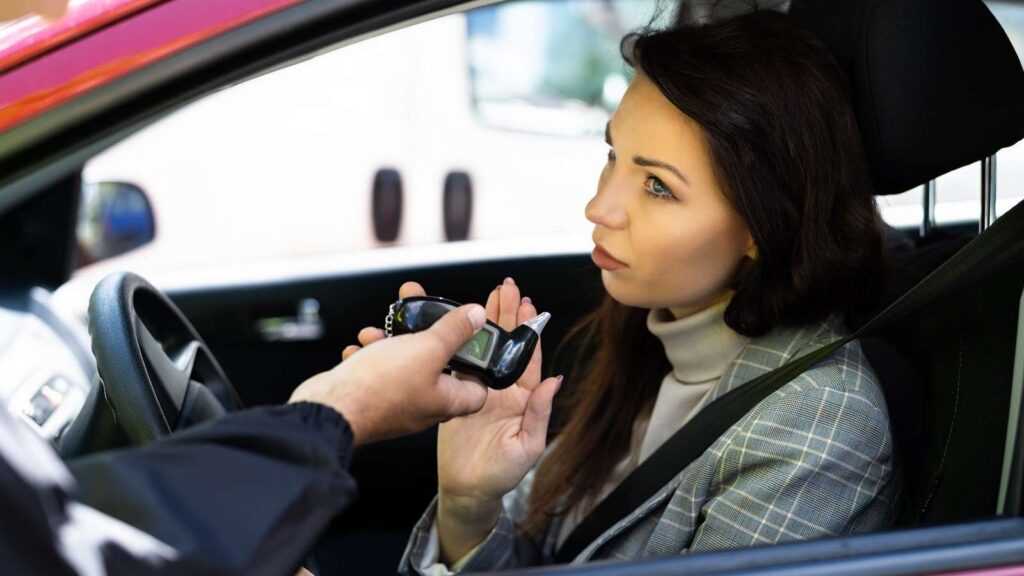
In Illinois DUI cases, a statutory summary suspension occurs when an individual either fails or refuses a breath or blood test. Illinois’s implied consent law means that, just by virtue of driving, you automatically consent to breath and blood tests. Refusing or failing these tests will result in a suspension of your driver’s license.
The period for which your license is suspended depends on your history of DUI convictions and whether you fail a test or refuse to be tested:
- First-time offenders who fail a test face a 6-month license suspension
- First-time offenders who refuse a test face a 1-year license suspension
- Multi-time offenders who fail a test face a 1-year license suspension
- Multi-time offenders who refuse a test face a 3-year license suspension
Felony DUI and Driver’s License Revocations in Chicago
A conviction for a DUI in Chicago or Cook County results in a mandatory driver’s license revocation by the Illinois Secretary of State. Like a license suspension, the period for which you must wait to apply for license reinstatement depends on how many DUI offenses are on your driving record:
| DUI/Related History | Waiting Period for License Reinstatement |
|---|---|
| First DUI conviction | 1 year after revocation date |
| DUI causing death | 2 years after revocation date or release from prison |
| Second DUI | 5 years after revocation date |
| Third DUI | 10 years after revocation date |
| Fourth+ DUI | Unable to apply for reinstatement |
After your license revocation period is up, you may apply for full or partial reinstatement of your driving privileges. This process happens during an administrative hearing. The type of hearing you must attend typically depends on your driving history:
- A single DUI or non-fatality case generally uses an informal hearing.
- Multiple DUI or offenses involving a fatality require a formal hearing.
It’s important to know that reinstatement of your driver’s license is by no means guaranteed. The outcome of your appeal may still be denied.
Each case is different, but generally, after a fourth DUI conviction, a full reinstatement of your driving privileges is unlikely. Even still, you can apply for a restricted driving permit (RDP) which allows you to drive only at specific times to specific locations, like:
- To work
- To school
- To medical appointments
- To daycare
- To recovery meetings
A restricted driving permit typically requires a breath alcohol ignition interlock device (BAIID). This is a device that tests your blood alcohol contents each time you try to start your car. When a BAIID is installed, a vehicle will not start unless you have not been drinking.
Criminal Defense Strategies Against Felony DUI Charges in Chicago
Felony DUI cases in Chicago are serious, but a good DUI lawyer can help. At Combs Waterkotte, we’ve found the criminal defense strategies below to be particularly effective in achieving reductions, dismissals, and acquittals for our Chicago area clients.
Disputing the Felony Enhancement
Many Chicago and Cook County felony DUI charges depend on an aggravating factor like prior DUI convictions, driving while revoked, lack of insurance, having a child passenger, or causing a serious injury or death. The prosecution must prove the enhancement, not just the alleged impairment. A defense attorney may challenge the accuracy of prior conviction records, the defendant’s license status, insurance allegations, whether or not the defendant actually caused an injury, or whether the statutory aggravating factor actually applies.
Challenging the Traffic Stop
Felony DUI cases in Chicago often begin with a traffic stop, and the legality of that stop can shape everything that follows. Police must have reasonable suspicion that a traffic violation or criminal offense occurred before pulling a driver over. If Chicago PD stopped you based on a hunch, vague observations, or at an unlawful checkpoint, your attorney may file a motion to suppress evidence gathered after the stop.
Contesting Probable Cause for the DUI Arrest
Even if the initial stop was lawful, police still need probable cause to arrest someone for DUI. Slurred speech, bloodshot eyes, or the smell of alcohol may not be enough on their own, especially if you can provide alternative explanations. A defense attorney can examine bodycam footage, officer reports, field sobriety tests, and witness statements to argue that police arrested you before they had sufficient legal grounds.
Attacking Breath, Blood, or Urine Test Results
Usually, chemical testing is central to a felony DUI charge in Chicago. But breath, blood, and urine results are not automatically reliable. Machines must be properly calibrated, officers must follow testing protocols, and blood or urine samples must be collected, stored, and handled correctly. If the testing process was flawed, contaminated, delayed, or inconsistent with Illinois’s legal protocols, your attorney may challenge the admissibility of the results.
Challenging Field Sobriety Test Evidence
Field sobriety tests are subjective and often unreliable, especially on uneven roads, in bad weather, near flashing police lights, or when a driver has medical issues, fatigue, anxiety, or physical limitations. Officers may also administer the tests incorrectly or exaggerate signs of impairment. A defense lawyer can challenge whether the tests were performed according to standardized procedures and whether they truly showed impairment beyond a reasonable doubt.
Raising Fourth Amendment Search and Seizure Issues
Felony DUI investigations in Chicago and Cook County may involve vehicle searches, warrantless blood draws, phone searches, and other evidence-gathering tactics. The Fourth Amendment protects drivers from unlawful searches and seizures, even in serious felony DUI cases. If police searched your car without your consent, without probable cause, or without a valid warrant, evidence like open containers, drugs, or other incriminating items may be excluded from the prosecution’s case.
Challenging Statements and Miranda Violations
What a driver says during or after a DUI arrest can heavily influence the case. Police may ask about drinking, drug use, where the person was coming from, or whether they knew their license was suspended. If officers questioned you in custody without properly advising you of your Miranda rights, or if your statements were coerced or misunderstood, your attorney may seek to keep those statements out of court.
Arguing Necessity, Duress, or Lack of Actual Physical Control
Some Chicago felony DUI cases just involve unusual facts. A person may have driven during a medical emergency, moved a vehicle to avoid greater harm, acted under an immediate threat, or been found in a parked car without actually driving. Depending on the circumstances, defenses such as necessity, duress, or lack of actual physical control of the vehicle may apply. These defenses focus on whether the prosecution can truly prove criminal responsibility.