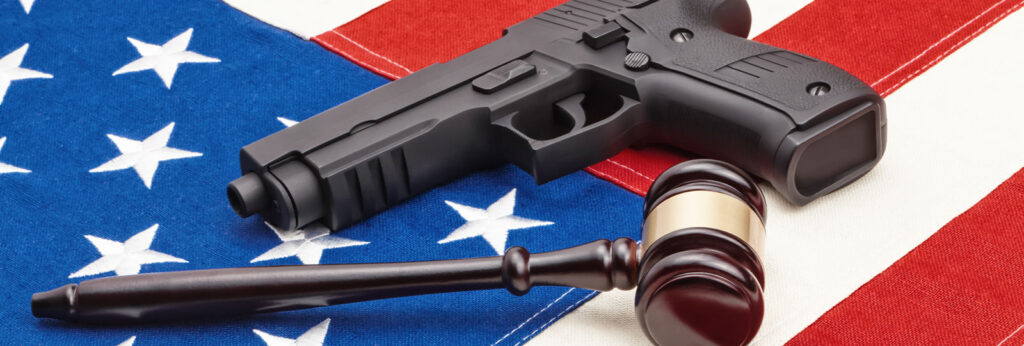
When federal prosecutors add a gun charge in Hialeah, FL, the stakes can climb fast. A case that was already serious may suddenly carry mandatory incarceration, consecutive sentencing, property forfeiture, and permanent limits on firearm ownership. These prosecutions are often built by the ATF and the U.S. Attorney’s Office alongside allegations of federal drug crimes, conspiracy, robbery, or violent conduct.
You can face a federal gun charge without ever pulling a trigger. The government may focus instead on where the firearm was found, who could control it, how it was purchased, whether registration rules were followed, or what was written on a purchase form. Once attached to another case in Hialeah, FL, a firearm count can become the part that drives the sentence.
Cases Handled
Over 10,000
Jail Days Saved
Over 1 Million
Google Reviews
500+ Perfect
Legal Experience
100+ Years
Combs Waterkotte represents clients in Hialeah, FL when a federal firearm investigation puts their freedom and future on the line. Our federal criminal defense attorneys serving Hialeah, FL dig into the government’s theory from every angle, including where the gun was found, who allegedly controlled it, how officers obtained the evidence, and whether the weapon had any real connection to another offense.
Federal cases often take shape quietly, long before charges appear on a docket. If you have been arrested, contacted by ATF, warned that you are under investigation, or received a target letter, call (314) 900-HELP or contact our firm online. The earlier the defense gets involved, the more room there may be to influence what comes next.
Free book
Facing Federal Criminal Charges? Why They’re Different and How to Win
Combs Waterkotte, a leading federal criminal defense law firm, has handled over 10,000 cases successfully. This ebook guides you through the federal criminal defense process, how federal charges are different, and how to win.
This guide addresses:
- What makes a gun charge a federal offense
- What to do if you’re under federal investigation
- Common federal firearm charges
- Mandatory minimums and sentencing enhancements
- The Armed Career Criminal Act
- When to hire a federal gun charges lawyer
Legal Videos
Can Federal Charges Be Reduced Or Dismissed?
Can Federal Charges Be Reduced Or Dismissed? Chris Combs and Andrew Russek, lawyers with Combs Waterkotte, a leading federal criminal defense firm, talk about proffers, probation, and federal …
Should I Hire A Lawyer Experienced In Federal Defense?
Should I Hire A Lawyer Experienced In Federal Defense? Chris Combs and Andrew Russek from the leading federal criminal defense firm Combs Waterkotte discuss the importance of hiring a lawyer with …
What Penalties Apply To Federal Sex Crime Convictions?
What Penalties Apply To Federal Sex Crime Convictions? Andrew Russek and Chris Combs from Combs Waterkotte federal criminal defense firm discuss potential penalties related to federal sex crime …
Do Federal Sex Crimes Require Sex Offender Registration?
Do Federal Sex Crimes Require Sex Offender Registration? Andrew Russek, a lawyer with leading federal criminal defense firm Combs Waterkotte, discusses the sex offender registry and federal sex …
What Makes A Sex Crime Federal Rather Than State?
What Makes A Sex Crime Federal Rather Than State? Andrew Russek and Chris Combs of Combs Waterkotte discuss factors that play into a sex crime being classified as federal, rather than …
What Are Federal Sex Crime Charges?
What Are Federal Sex Crime Charges? Chris Combs and Andrew Russek of Combs Waterkotte discuss the most common federal sex crime charges. Interview Transcript Scott Michael Dunn: Well, let's …
Can Federal Charges Be Reduced Or Dismissed?
Can Federal Charges Be Reduced Or Dismissed? Chris Combs and Andrew Russek, lawyers with Combs Waterkotte, a leading federal criminal defense firm, talk about proffers, probation, and federal …
Should I Hire A Lawyer Experienced In Federal Defense?
Should I Hire A Lawyer Experienced In Federal Defense? Chris Combs and Andrew Russek from the leading federal criminal defense firm Combs Waterkotte discuss the importance of hiring a lawyer with …
What Penalties Apply To Federal Sex Crime Convictions?
What Penalties Apply To Federal Sex Crime Convictions? Andrew Russek and Chris Combs from Combs Waterkotte federal criminal defense firm discuss potential penalties related to federal sex crime …
Do Federal Sex Crimes Require Sex Offender Registration?
Do Federal Sex Crimes Require Sex Offender Registration? Andrew Russek, a lawyer with leading federal criminal defense firm Combs Waterkotte, discusses the sex offender registry and federal sex …
What Makes A Sex Crime Federal Rather Than State?
What Makes A Sex Crime Federal Rather Than State? Andrew Russek and Chris Combs of Combs Waterkotte discuss factors that play into a sex crime being classified as federal, rather than …
What Are Federal Sex Crime Charges?
What Are Federal Sex Crime Charges? Chris Combs and Andrew Russek of Combs Waterkotte discuss the most common federal sex crime charges. Interview Transcript Scott Michael Dunn: Well, let's …
Why Are Some Gun Charges Prosecuted Federally?
Most firearm cases begin under state law. However, a case may enter the federal system when the alleged conduct violates the federal Gun Control Act, the National Firearms Act, or another federal statute. State and local authorities may also refer a case to federal prosecutors when they believe federal penalties will be more severe.
A gun case may draw federal attention when:
- A firearm traveled through interstate or foreign commerce
- The accused is legally prohibited from possessing firearms or ammunition
- A firearm was allegedly used during a drug trafficking crime or crime of violence
- The case involves firearm trafficking, smuggling, straw purchasing, or unlicensed dealing
- The weapon is a machine gun, silencer, short-barreled rifle, short-barreled shotgun, or destructive device
- The firearm had an altered or removed serial number
- The alleged conduct occurred on federal property or involved a federal investigation
- Federal agents believe the firearm is connected to organized criminal activity
The first sign of trouble may come late in the investigation. Agents may already have traced the gun, interviewed witnesses, reviewed online activity, pulled phone data, and gathered physical evidence before the accused knows federal prosecutors are involved.
What Should You Do If You’re Under Investigation for a Federal Gun Crime in Hialeah, FL?
An arrest is not the starting line of a federal gun case. ATF agents may already have reviewed records, interviewed witnesses, traced firearms, and gathered digital evidence before they ever contact you. The decisions you make at that point can either protect your position or hand the government more ammunition.
If you believe you are under investigation for a federal firearm offense:
- Exercise your right to remain silent. You do not need to answer questions from ATF agents, task force officers, or federal prosecutors without a federal firearms attorney in Hialeah, FL present. What feels like harmless background information can become evidence.
- Do not give blanket consent. If law enforcement has a valid warrant, let your lawyer challenge it later. Do not voluntarily open additional devices, accounts, rooms, safes, or vehicles unless counsel advises you to do so.
- Do not erase the paper trail. Keep purchase forms, receipts, emails, photographs, texts, and other records intact. Destroying or altering evidence can make the situation far worse.
- Say less to everyone else, too. Friends, relatives, coworkers, and alleged associates can be interviewed or subpoenaed. Social media posts and private messages are not safe places to explain the case.
- Contact a federal criminal defense lawyer in Hialeah, FL immediately. The earlier your attorney enters the case, the sooner they can protect your rights, identify weak points in the investigation, and keep you from stepping into traps the government has already set.
Common Federal Gun Charges in Hialeah, FL
Possession of a Firearm by a Prohibited Person
Under 18 U.S.C. § 922(g), several categories of people are prohibited from possessing firearms or ammunition.
Prohibited persons may include:
- People convicted of crimes punishable by more than one year in prison
- Fugitives from justice
- Unlawful users of controlled substances
- Certain people subject to domestic violence restraining orders
- People convicted of qualifying domestic violence offenses
- Certain noncitizens and people dishonorably discharged from the military
These cases often turn on knowledge. Federal prosecutors generally must show that the defendant knowingly possessed the firearm or ammunition and was aware of the relevant status that placed them under the federal ban.
The government may try to prove possession in either of two ways:
- Direct or actual possession: Agents or officers claim the weapon was in the person’s hand, pocket, waistband, bag, or immediate physical custody.
- Constructive possession: Prosecutors claim the person was not holding the gun but knew it was present and could control what happened to it.
Shared spaces create room for reasonable doubt. If the firearm was found in a jointly occupied apartment, another person’s car, a motel room, or an area open to multiple people, prosecutors still must tie the accused personally to the weapon.
Federal Gun Enhancements for Drug and Violent Offenses
A gun found in the orbit of another federal case can dramatically raise the stakes. Section 924(c) creates a separate offense for certain firearm conduct connected to qualifying drug trafficking or violent crimes.
A § 924(c) sentence is generally stacked on top of the punishment for the underlying crime rather than served at the same time:
- At least five years for possessing, using, or carrying a firearm
- At least seven years if the firearm was brandished
- At least 10 years if the firearm was discharged
- Higher minimums when machine guns, silencers, or destructive devices are involved
The firearm does not have to be fired. Prosecutors may argue that a gun advanced or protected the alleged crime because it was found near:
- Drugs or suspected drugs
- Cash allegedly connected to sales
- Scales, containers, or packaging materials
- Phones, notebooks, or transaction records
- Additional evidence of an alleged trafficking operation
The key fight may be over the connection between the person, the firearm, and the underlying offense. Defense counsel can challenge whether the accused knew the gun was there, had the ability to reach or control it, or possessed it to advance any criminal activity.
Federal Straw Purchase Charges
The government may call a transaction a straw purchase when it believes the person at the counter was not the firearm’s true purchaser. What looked like a simple favor, gift, or shared shopping trip may be scrutinized through purchase records, ATF Form 4473, and the federal straw purchasing statute.
These cases may depend on:
- Payment apps, cash withdrawals, or reimbursements
- Who researched, requested, or picked out the firearm
- The buyer’s plan before entering the store
- Whether the gun was genuinely purchased as a gift
- Whether the eventual recipient was prohibited or intended to use the firearm unlawfully
Potential evidence may include text messages, payment records, store surveillance, purchase forms, and statements made to investigators.
Federal Firearms Trafficking Charges
18 U.S.C. § 933 prohibits certain transfers, transportation, or receipt of firearms when the accused knows or has reasonable cause to believe the firearm will be used, possessed, or transferred unlawfully.
Conduct that may lead to a federal trafficking charge includes firearms being:
- Purchased for prohibited persons
- Moved across state or international borders
- Sold to people involved in drug trafficking or violent crime
- Acquired through multiple straw purchasers
- Resold without a required license
- Smuggled into another country
Selling Guns Without a Federal Firearms License
A person regularly buying and selling guns as a business may be required to hold a federal firearms license. Selling a firearm from a personal collection once in a while is not automatically the same thing as operating as a dealer.
There is no single fact that settles the issue. Investigators may review:
- The volume and regularity of transactions
- How long the accused kept each firearm before selling it
- Whether buyers were solicited through websites, forums, or personal networks
- Cash, electronic payments, and customer conversations
- Whether the sales produced or were intended to produce profit
- Evidence of inventory, repeat customers, or ongoing operations
Lying on a Federal Firearm Purchase Form
A knowingly false answer given during a firearm transaction can lead to federal charges under 18 U.S.C. § 922(a)(6) if the information mattered to whether the dealer could lawfully complete the sale.
Federal investigators may focus on statements about:
- Whether the person completing the form was the real buyer
- The existence or nature of a prior conviction
- Illegal drug use or controlled-substance status
- A qualifying domestic violence case or protection order
- Citizenship, immigration, or residency status
- The buyer’s address, identity, or supporting documents
A discrepancy is not the end of the story. Defense counsel may argue that the accused misunderstood the question, relied on incorrect information, did not knowingly lie, or gave an answer that did not affect whether the firearm could be sold.
Possessing a Gun With a Removed Serial Number
Under 27 CFR § 478.34, federal law prohibits knowingly transporting, receiving, or possessing certain firearms with serial numbers that have been removed, altered, or obliterated.
Defense counsel may examine:
- How obvious the serial number damage was
- Whether the markings remained readable
- Whether forensic specialists can restore or identify the number
- Whose fingerprints, DNA, or other evidence connect the weapon to
The alleged alteration can affect more than guilt or innocence. It may also support an enhancement when the sentencing guidelines are calculated.
Federal Charges Involving Privately Made Firearms
Building or assembling a gun for personal use does not, by itself, automatically make the firearm illegal. Federal problems involving a privately made firearm usually depend on the person involved, the weapon’s configuration, and what happened after it was made.
Federal agents may look at the entire life of the firearm, including:
- Who assembled and ultimately possessed it
- The parts, process, and configuration used to make it
- Whether it remained for personal use or was transferred to someone else
- Whether multiple weapons were built for sale
- Whether federal marking requirements applied
- Whether the firearm appeared in another criminal investigation
Even where the firearm itself is not prohibited, the absence of a required serial number may increase the recommended guideline sentence.
National Firearms Act Violations
A firearm that is lawful in one configuration can fall under much stricter rules after certain modifications. The National Firearms Act governs several categories of weapons and devices through registration, taxation, transfer, and manufacturing requirements.
Weapons and devices commonly regulated by the NFA include:
- Automatic weapons
- Rifles and shotguns below specified barrel-length requirements
- Silencers or sound suppressors
- Destructive devices
- Modified firearms that meet an NFA definition
- Other specially classified weapons
Charges may involve possessing an unregistered weapon, illegally manufacturing or transferring one, or possessing a firearm with required identifying information removed. A conviction can carry up to 10 years in federal prison, fines, and forfeiture.
How Much Prison Time Can a Federal Gun Charge Carry?
The statute provides only part of the sentencing picture. A person’s record, the characteristics of the weapon, the presence of drugs or violence, mandatory minimum laws, and the United States Sentencing Guidelines can all move the potential punishment higher or lower.
| Federal Gun Offense | Maximum or Mandatory Penalty |
|---|---|
| Possessing a gun or ammunition while federally prohibited | Up to 15 years in many cases, with a 15-year mandatory floor when ACCA applies |
| Possessing, carrying, or using a firearm during a drug trafficking crime or crime of violence under § 924(c) | Five years or more added to the underlying sentence, with seven years for brandishing and 10 years for firing the weapon |
| Misrepresenting the true buyer of a firearm | Up to 15 years, or up to 25 years when the buyer knows or has reason to believe the firearm will be used to commit certain serious crimes |
| Trafficking firearms to prohibited or unlawful recipients | Up to 15 years in federal prison |
| Engaging in the business of firearm sales without federal licensing | A possible federal sentence of as much as five years |
| Lying about material information during a federally regulated gun sale | Up to 10 years in federal prison |
| Federal charges involving an altered firearm serial number | Typically punishable by as much as five years, and the serial-number issue may also raise the guideline range |
| Illegal possession, manufacture, or transfer of an NFA-regulated firearm | A possible 10-year prison term, financial penalties, and loss of the weapon |
| Unlawful possession, receipt, or transfer of a machine gun | Frequently punishable by as much as 10 years, although a connection to drug trafficking or violence can drive the sentence much higher |
A statutory maximum does not tell you exactly what sentence the court will impose. Federal judges also consider the offense conduct, firearm characteristics, criminal history, mandatory sentencing laws, and the advisory range produced by the United States Sentencing Guidelines.
Even after the prison term is calculated, the court may impose or trigger:
- Substantial fines
- Supervised release after imprisonment
- Forfeiture of firearms, ammunition, money, vehicles, or other property
- Loss of firearm rights
- Restrictions on employment, housing, and professional licensing
- Immigration consequences for noncitizens
The number announced in court matters. Federal prisoners do not have access to conventional parole, and good-time reductions are limited, so the sentence served is usually close to the sentence ordered.
Federal Gun Charges and the ACCA
The Armed Career Criminal Act can turn an already serious prohibited-person case into one with a 15-year mandatory minimum. The law is often referred to by its initials, ACCA.
The government generally must identify at least three qualifying prior convictions for violent felonies or serious drug offenses. It must also show that those offenses were committed on occasions separate from one another.
ACCA litigation can become highly technical. The court may compare the wording of the prior state statute to the federal definition, review charging papers or plea records, and determine which version of the law controls. A state-law label is not necessarily the final word.
An experienced Hialeah, FL federal gun charges lawyer may challenge:
- The government’s classification of the prior offense
- Ambiguities in charging documents, plea agreements, or judgments
- Whether multiple convictions arose from a single criminal episode
- The present legal status of an old conviction
- Restoration of rights under state or federal law
The math is unforgiving: the government needs three qualifying predicates. A successful challenge to even one of them may be the difference between an ordinary § 922(g) sentence and at least 15 years in federal prison.
Federal Guideline Enhancements for Gun Charges
A firearm case can carry substantial sentencing exposure even without a mandatory minimum. The United States Sentencing Guidelines may recommend a much higher prison range based on specific offense characteristics.
Possible enhancements include allegations involving:
- Possessing numerous firearms
- Guns reported stolen
- Removed, altered, or unreadable serial numbers
- Supplying firearms to prohibited individuals or trafficking activity
- Machine guns, suppressors, destructive devices, or other NFA-regulated weapons
- Using or possessing a firearm during another felony offense
- Dangerous conduct while attempting to flee law enforcement
- Directing or organizing other participants
- Acts prosecutors characterize as obstruction
The advisory guideline range is only one part of the sentencing decision, but it carries significant weight. Defense counsel may dispute factual allegations, challenge the legal basis for enhancements, present mitigating information, and advocate for a sentence below the recommended range.
Do You Need a Federal Gun Charges Lawyer?
Federal investigations often begin long before anyone is arrested. Speaking with a federal defense lawyer as soon as you suspect you are involved may help protect your rights from the very beginning.
Common signs that federal authorities may be building a case include:
- Federal agents ask to interview you
- Your home, vehicle, or business is searched pursuant to a warrant
- A friend, family member, or coworker is served with a subpoena
- Investigators seize guns, electronic devices, documents, or financial records
- You receive a target letter from federal prosecutors
- Someone allegedly connected to the investigation is arrested
- Your state criminal case suddenly stalls or disappears without explanation
- You hear that the U.S. Attorney’s Office is reviewing the matter
The earlier a defense attorney becomes involved, the more options may exist. Depending on the circumstances, counsel can handle communications with investigators, help avoid unnecessary interviews, identify constitutional issues, preserve evidence, assess the strength of the government’s case, and present mitigating information before prosecutors decide whether to seek an indictment.
Contact Combs Waterkotte About Federal Gun Charges in Hialeah, FL
Combs Waterkotte represents Hialeah, FL clients in complex federal criminal cases across the United States. Our attorneys include former prosecutors who understand how federal cases are investigated, charged, and tried.
We do not wait until the courthouse doors open to prepare for trial. Our attorneys investigate the facts, review search warrants and seizure procedures, examine witness credibility, and challenge unsupported allegations that could increase federal sentencing exposure.
Strong negotiation starts with being prepared to try the case. We explore resolutions when they protect the client, but we do not treat a plea as the automatic destination.
Our firm brings decades of combined defense experience, an in-house investigator, and a history of handling severe state and federal allegations. We have the personnel and resources to defend firearm cases at every stage, including investigation, indictment, trial, sentencing, and appeal.
A federal gun investigation can gain momentum long before an indictment is returned. Reach out to our firm online or call (314) 900-HELP today to discuss your options with a Hialeah, FL federal firearm defense lawyer.