Second-Degree Assault Lawyer in St. Charles County, MO
Charged or arrested for second-degree assault in St. Charles County, Missouri? We’re here to help. Get in touch with Missouri’s leading criminal defense firm today.
TO COMBS WATERKOTTE,YOU ARE WHY WE EXIST.


Second-Degree Assault Lawyer in St. Charles County, MO
In Missouri, second-degree assault is a serious violent crime that can involve causing physical injury with a deadly weapon or dangerous instrument, recklessly causing serious physical injury, or attempting to kill or seriously injure someone while acting under the influence of sudden passion. Depending on the circumstances, second-degree assault is classified as a Class D or Class B felony, carrying the possibility of years in prison.
If you are facing second-degree assault charges in St. Charles County, you could be looking at substantial prison time, a felony criminal record, and consequences that extend well beyond the courtroom. Even if you never intended to injure another person, you could still face felony prosecution. When you need experienced legal representation, contact our St. Charles County second-degree assault lawyers at Combs Waterkotte. Call (314) 900-HELP right away for a free, confidential consultation.

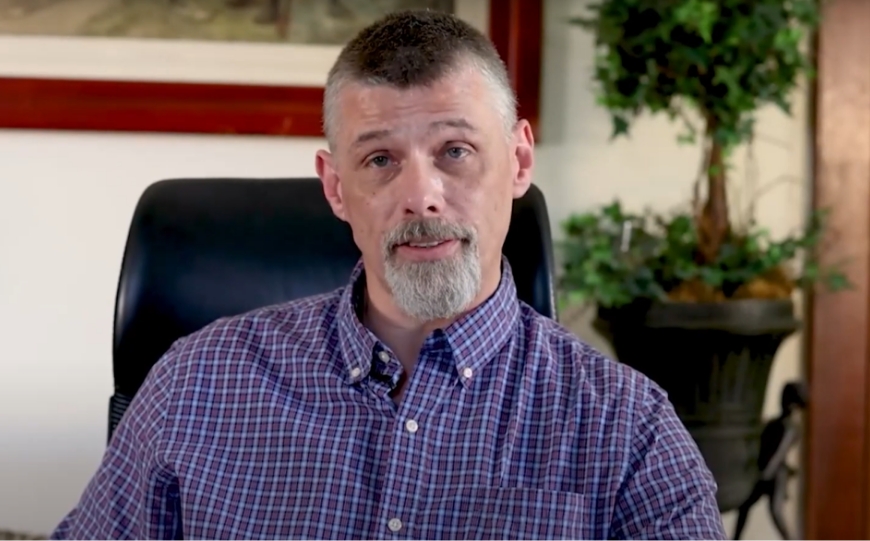
I owe my life to Combs Waterkotte. If not for them, I would be spending the rest of my life behind bars. There is no amount of words that can explain what they did for me and my family. Its the highest recommendation that I can give.
Alexander B.
Felonies
Verify on

If I could give Steve and his team 10 stars I would in a heartbeat. Was facing more then one felony charge and after these guys found the arresting officer violated my 4th Amendment Rights and those charges were dismissed. My family and I can't thank you enough.
Dean J
Felonies
Verify on
I was hands down guilty. ON VIDEO !!! In a smaller town, and a job dealing with the public, this was devastating. I made one phone call and spoke for maybe 15 minutes. I DIDN'T appear in court. I am extremely impressed. QUIETLY relieved of the matter!
Y.I.V.
Theft
Verify on
My fiance had a felony drug charge and Combs Waterkotte got it dismissed! There were no fines, court cost, nothing. Chris is loyal, professional, knowledgeable, and a man of his word. We are forever grateful for you.
Kimberly T.
Drug Crimes
Verify on
If I was found guilty, it would have been over 100 years in prison. They promised me that they would fight like hell and get me out of it. After everything was done, I just felt free. Like this wasn’t gonna end with me rotting away in a prison cell. I felt like I could start my life and have a fresh start.
Caleb
Assault 1st, Armed Criminal Action
Verify on
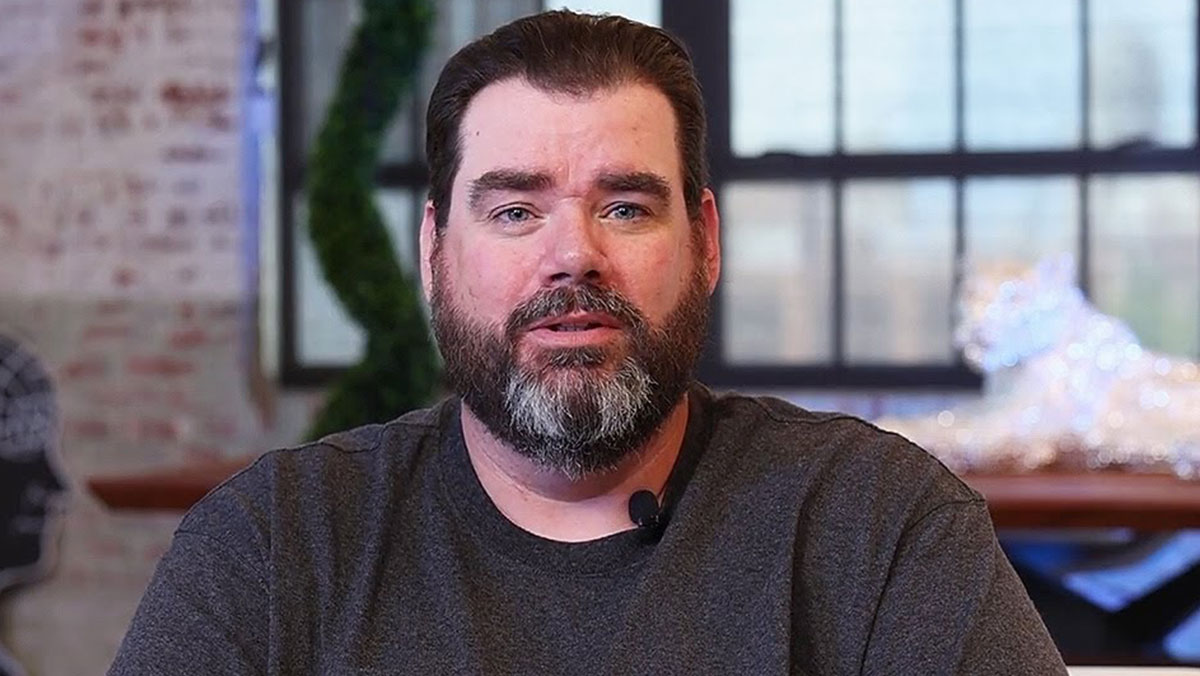
I was facing, probably 18 years… I actually got 5 years probation and 40 hours of community service. Without Combs Waterkotte’s help, I don’t think my family could have made it without me. It was just a written book to where it's a perfect ending.
Chris
Unlawful Use of a Weapon, Armed Criminal Action
Verify on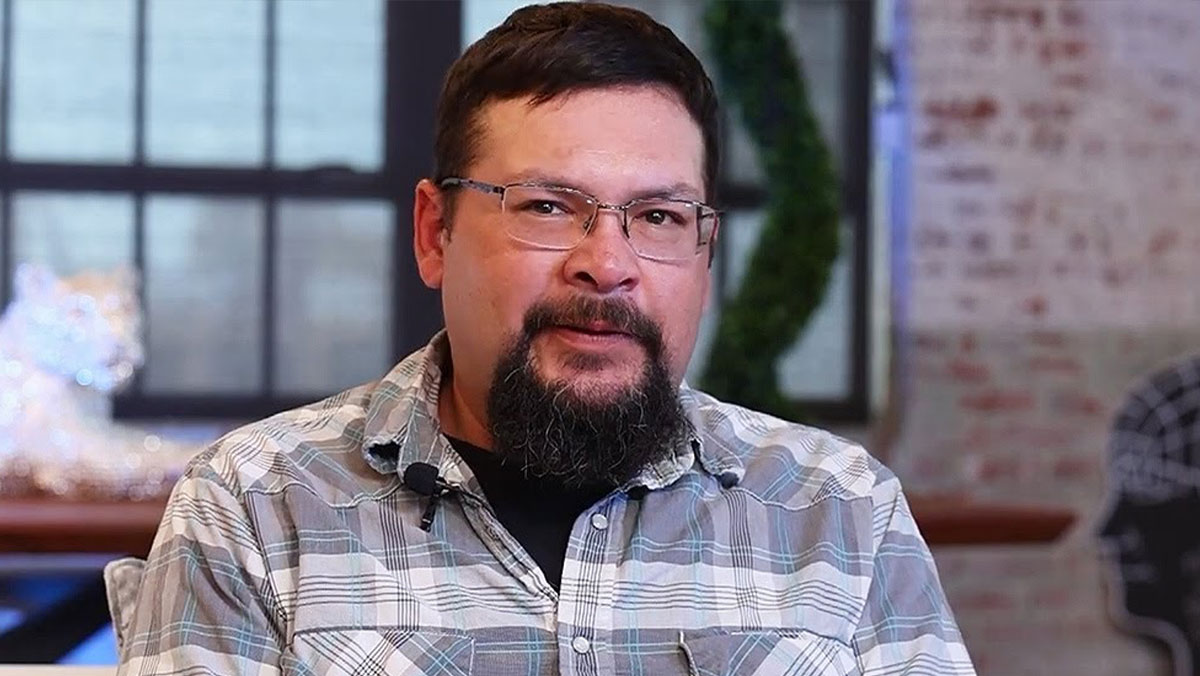
I went through what was supposed to be one of the top law firms in St. Louis. They said I wouldn't have no chance. I end up firing the other lawyer and everything and going with Chris. I felt like Combs Waterkotte actually did something for me and wasn't I wasn't just another number on somebody's desk.
Willy
DWI/DUI
Verify onI owe my life to Combs Waterkotte. If not for them, I would be spending the rest of my life behind bars. There is no amount of words that can explain what they did for me and my family. Its the highest recommendation that I can give.
Alexander B.
Felonies
If I could give Steve and his team 10 stars I would in a heartbeat. Was facing more then one felony charge and after these guys found the arresting officer violated my 4th Amendment Rights and those charges were dismissed. My family and I can't thank you enough.
Dean J
Felonies
I was hands down guilty. ON VIDEO !!! In a smaller town, and a job dealing with the public, this was devastating. I made one phone call and spoke for maybe 15 minutes. I DIDN'T appear in court. I am extremely impressed. QUIETLY relieved of the matter!
Y.I.V.
Theft
My fiance had a felony drug charge and Combs Waterkotte got it dismissed! There were no fines, court cost, nothing. Chris is loyal, professional, knowledgeable, and a man of his word. We are forever grateful for you.
Kimberly T.
Drug Crimes
If I was found guilty, it would have been over 100 years in prison. They promised me that they would fight like hell and get me out of it. After everything was done, I just felt free. Like this wasn’t gonna end with me rotting away in a prison cell. I felt like I could start my life and have a fresh start.
Caleb
Assault 1st, Armed Criminal Action
I was facing, probably 18 years… I actually got 5 years probation and 40 hours of community service. Without Combs Waterkotte’s help, I don’t think my family could have made it without me. It was just a written book to where it's a perfect ending.
Chris
Unlawful Use of a Weapon, Armed Criminal Action
I went through what was supposed to be one of the top law firms in St. Louis. They said I wouldn't have no chance. I end up firing the other lawyer and everything and going with Chris. I felt like Combs Waterkotte actually did something for me and wasn't I wasn't just another number on somebody's desk.
Willy
DWI/DUI
What Constitutes Second-Degree Assault Under Missouri Law?
Under Missouri Revised Statute § 565.052, a person commits second-degree assault if they:
- Attempt to kill or knowingly cause or attempt to cause serious physical injury to another person while acting under the influence of sudden passion arising from adequate cause.
- Attempt to cause or knowingly cause physical injury to another person by means of a deadly weapon or dangerous instrument.
- Recklessly cause serious physical injury to another person.
- Recklessly cause physical injury to another person through the discharge of a firearm.
Unlike some other assault offenses, second-degree assault encompasses several different forms of conduct and levels of criminal responsibility. The prosecution does not always have to establish that the accused intended to cause an injury, nor does every second-degree assault case require proof of serious physical injury.
The specific subsection under which you are charged determines what prosecutors must establish and which legal defenses may be available.

Call (314) 900-HELP right away for a free, confidential consultation.
Why Combs Waterkotte is the best Law firm for your case.
Real results for people just like you.

Understanding Sudden Passion and Adequate Cause in Second-Degree Assault Cases
One of the most significant distinctions between first-degree and second-degree assault is Missouri’s recognition of sudden passion arising from adequate cause. The law recognizes that certain circumstances may provoke an immediate emotional response that substantially impairs a person’s ability to exercise self-control.
Under Missouri law, sudden passion must arise directly from provocation by the alleged victim or someone acting with them at the time of the offense. Adequate cause refers to circumstances that would reasonably produce a degree of passion in an ordinary person sufficient to substantially impair their capacity for self-control.
Anger, jealousy, resentment, or a longstanding personal disagreement alone does not necessarily satisfy these legal requirements. The timing and nature of the alleged provocation are critical. Although sudden passion does not excuse criminal conduct, establishing it may significantly affect the severity of the charge and the potential punishment.
What Must Prosecutors Prove in a Second-Degree Assault Case?
As with any criminal offense, prosecutors must establish every required element of second-degree assault beyond a reasonable doubt. However, what the prosecution must prove depends on the specific conduct alleged.
In cases involving a deadly weapon or dangerous instrument, prosecutors must establish the prohibited conduct and the required mental state. In cases involving reckless conduct, the state must demonstrate that the defendant consciously disregarded a substantial and unjustifiable risk and caused the injury required under the statute.
There is an important legal distinction between criminal recklessness, ordinary negligence, and an unfortunate accident. The fact that someone suffered an injury does not automatically establish that another person committed second-degree assault.

Read More:

Read More:
Second-Degree Assault Involving a Deadly Weapon or Dangerous Instrument
Second-degree assault involving a deadly weapon or dangerous instrument is not limited to incidents involving firearms or knives. Depending on how an object is used, an otherwise ordinary item may qualify as a dangerous instrument under Missouri law.
When prosecutors allege that a felony was committed through the knowing use of a deadly weapon or dangerous instrument, they may also pursue a separate charge of armed criminal action. A conviction for both offenses can substantially increase the defendant’s sentencing exposure because armed criminal action carries separate penalties that run consecutively to the underlying felony sentence.
Determining whether an object meets Missouri’s statutory definition of a dangerous instrument and whether the circumstances support an additional weapons-related charge can be critical to the defense.
Penalties for Second-Degree Assault in St. Charles County, Missouri
Second-degree assault is generally a Class D felony in Missouri. However, the offense is elevated to a Class B felony when the alleged victim qualifies as a special victim under Missouri law.
Under RSMo § 558.011, the general sentencing ranges are:
- Class D Felony: Up to 7 years in prison.
- Class B Felony: 5-15 years in prison.
Depending on the circumstances, a conviction may also result in fines, restitution, probation, and court-imposed restrictions. Prior criminal convictions, additional felony charges, and the statutory classification of the alleged victim can further affect sentencing.
Beyond imprisonment, a felony conviction can affect your firearm rights, employment opportunities, professional licensing, and ability to secure housing. These collateral consequences can continue long after you have completed your sentence, making an effective defense essential to protecting your long-term interests.
How Does Second-Degree Assault Differ From First-Degree Assault in Missouri?
Missouri law recognizes several different types of assault charges, each with distinct legal elements and potential penalties. While first-degree assault generally involves an attempted killing or knowingly causing or attempting to cause serious physical injury, second-degree assault encompasses a broader range of conduct, including criminal recklessness and certain offenses committed under the influence of sudden passion.
The distinction can mean the difference between a Class D felony carrying up to seven years in prison and a Class A felony carrying the possibility of life imprisonment. The defendant’s mental state, the severity of the injuries, and the circumstances surrounding the incident can all influence how prosecutors classify the offense.
Learn more about these distinctions on our First-Degree Assault Lawyer in St. Charles County, MO page, or review our broader St. Charles County Assault Lawyer guide.
Defending Against Second-Degree Assault Charges in St. Charles County
Because second-degree assault encompasses several different forms of criminal conduct, an effective defense must address the specific allegations rather than treating every assault case the same. Combs Waterkotte examines the circumstances surrounding the incident, the prosecution’s evidence, and whether the alleged conduct satisfies Missouri’s statutory requirements.
Self-Defense or Defense of Others
Missouri law recognizes the right to use legally justified force to protect yourself or another person. Under RSMo § 563.031, the circumstances surrounding the confrontation, the perceived threat, and the reasonableness of the defendant’s response can determine whether the use of force was lawful.
Challenging Criminal Intent or Recklessness
Depending on the subsection charged, the prosecution must establish a knowing mental state, an attempt to commit prohibited conduct, or criminal recklessness. Evidence demonstrating a lack of the required criminal intent or showing that an injury resulted from an accident rather than criminally reckless behavior may undermine the state’s case.
Disputing the Use of a Dangerous Instrument or Severity of Injuries
The prosecution’s characterization of an object as a dangerous instrument or an injury as serious physical injury may not withstand closer examination. Your second-degree assault defense attorney in St. Charles County can evaluate medical records, forensic evidence, and the circumstances surrounding the alleged use of an object to determine whether the evidence supports the charge.
Challenging Witness Accounts and Conflicting Evidence
Second-degree assault cases frequently arise from rapidly unfolding confrontations in which witnesses have different recollections of what occurred. Surveillance footage, photographs, digital communications, and inconsistencies in witness statements may reveal important details that were overlooked during the initial police investigation.

Read More:

Second-Degree Assault Cases in St. Charles County Courts
Second-degree assault cases arising in St. Charles, St. Peters, O’Fallon, Wentzville, Cottleville, Lake Saint Louis, and surrounding communities are generally prosecuted through the 11th Judicial Circuit Court, which serves St. Charles County.
Defendants facing felony assault charges may encounter restrictive bond conditions, no-contact orders, preliminary hearings, discovery, and extensive pretrial proceedings. Early legal representation allows your defense team to begin preserving evidence, addressing conditions of release, and evaluating opportunities to challenge or reduce the charges before the case progresses further.

Why Choose Combs Waterkotte for Second-Degree Assault Defense?
When a physical confrontation or allegation of reckless conduct results in felony assault charges, the stakes are too high to leave your defense to chance. Combs Waterkotte brings over 100 years of combined experience and more than 15,000 criminal cases handled to individuals facing serious criminal allegations in St. Charles and throughout Missouri.
Our defense attorneys understand the legal distinctions between intentional conduct, criminal recklessness, sudden passion, and justified force. We thoroughly investigate the allegations, scrutinize the prosecution’s evidence, and develop a defense focused on protecting your freedom, reputation, and future.
Facing Second-Degree Assault Charges in St. Charles County? Contact Combs Waterkotte
A second-degree assault charge does not have to result in a felony conviction. The sooner you involve our St. Charles County defense team, the sooner we can begin investigating the circumstances surrounding your arrest, identifying weaknesses in the prosecution’s case, and pursuing the strongest available outcome.
If you or someone you care about has been arrested for second-degree assault in St. Charles County, don’t wait to protect your rights. Call Combs Waterkotte at (314) 900-HELP or reach out to our criminal defense attorneys online today for a free case review.
Resources
For more information about violent crimes defense in St. Charles County, Missouri, call our criminal defense lawyers at (314) 900-HELP or contact us online for a confidential consultation.
How Prior Convictions Impact Assault Charges
What to Do if You’re Arrested for Assault
Exploring Different Types of Assault Charges and Their Defenses
Understanding Violent Crime Defense
Choosing the Right Violent Crime Defense Attorney
How a Homicide Lawyer Builds Your Defense Strategy