Felonies Lawyer St. Charles County, MO
Arrested for a felony offense in St. Charles County, Missouri? Our criminal defense lawyers are prepared to represent you. Safeguard your future by discussing your case with our law firm today.
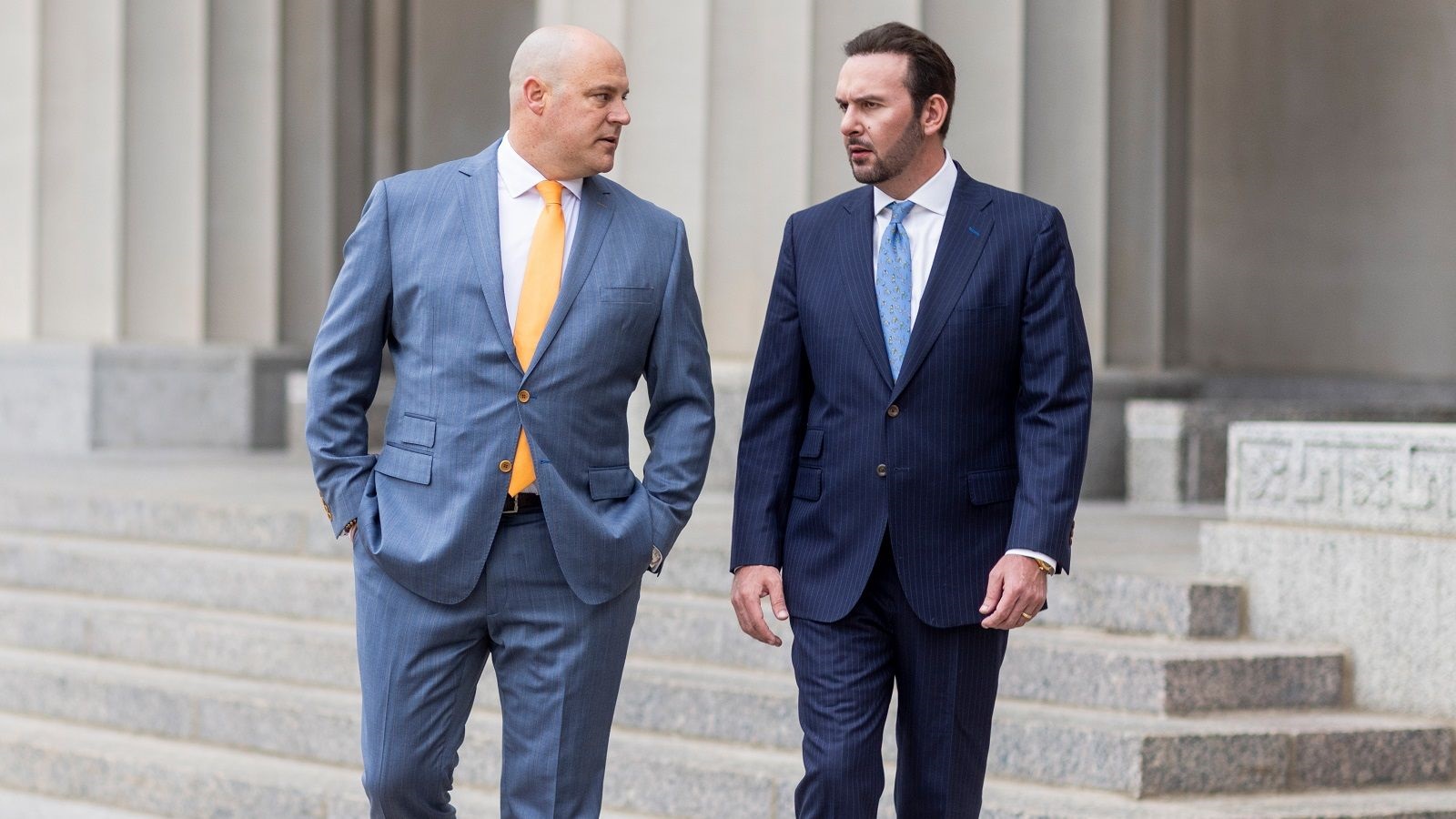
TO COMBS WATERKOTTE,YOU ARE WHY WE EXIST.


Felonies Lawyer St. Charles County, MO
Missouri divides felonies into five distinct classes–A, B, C, D, and E, depending on the severity of the crime and the length of the potential prison time (RSMo Section 558.011). A felony conviction also comes with consequences far beyond incarceration, however. Because a felony conviction has the potential to permanently impact your life, it is recommended that you take your felony charges seriously and retain aggressive criminal defense immediately. To speak with our St. Charles County criminal defense lawyers, with more than 100 years of combined legal experience, call (314) 900-HELP or contact us online for a free consultation.

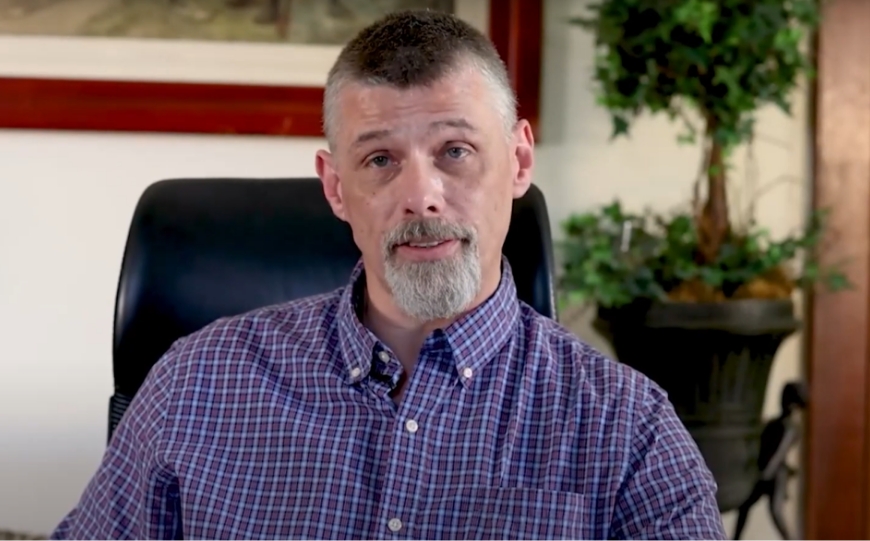
I owe my life to Combs Waterkotte. If not for them, I would be spending the rest of my life behind bars. There is no amount of words that can explain what they did for me and my family. Its the highest recommendation that I can give.
Alexander B.
Felonies
Verify on

If I could give Steve and his team 10 stars I would in a heartbeat. Was facing more then one felony charge and after these guys found the arresting officer violated my 4th Amendment Rights and those charges were dismissed. My family and I can't thank you enough.
Dean J
Felonies
Verify on
I was hands down guilty. ON VIDEO !!! In a smaller town, and a job dealing with the public, this was devastating. I made one phone call and spoke for maybe 15 minutes. I DIDN'T appear in court. I am extremely impressed. QUIETLY relieved of the matter!
Y.I.V.
Theft
Verify on
My fiance had a felony drug charge and Combs Waterkotte got it dismissed! There were no fines, court cost, nothing. Chris is loyal, professional, knowledgeable, and a man of his word. We are forever grateful for you.
Kimberly T.
Drug Crimes
Verify on
If I was found guilty, it would have been over 100 years in prison. They promised me that they would fight like hell and get me out of it. After everything was done, I just felt free. Like this wasn’t gonna end with me rotting away in a prison cell. I felt like I could start my life and have a fresh start.
Caleb
Assault 1st, Armed Criminal Action
Verify on
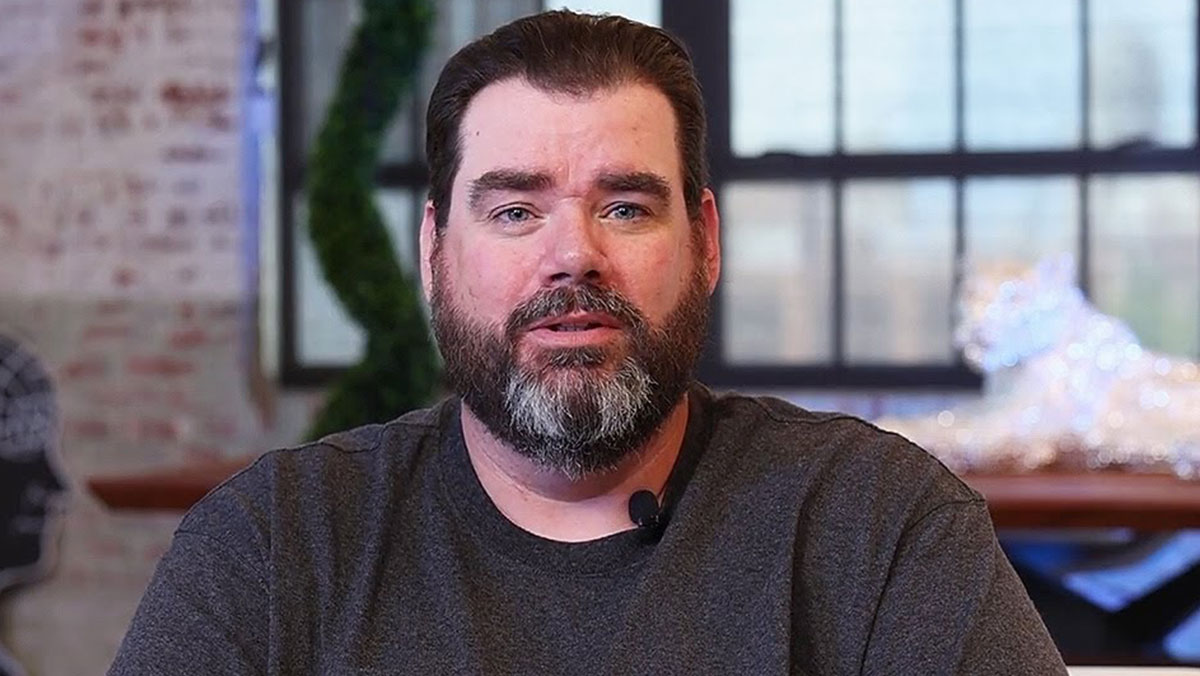
I was facing, probably 18 years… I actually got 5 years probation and 40 hours of community service. Without Combs Waterkotte’s help, I don’t think my family could have made it without me. It was just a written book to where it's a perfect ending.
Chris
Unlawful Use of a Weapon, Armed Criminal Action
Verify on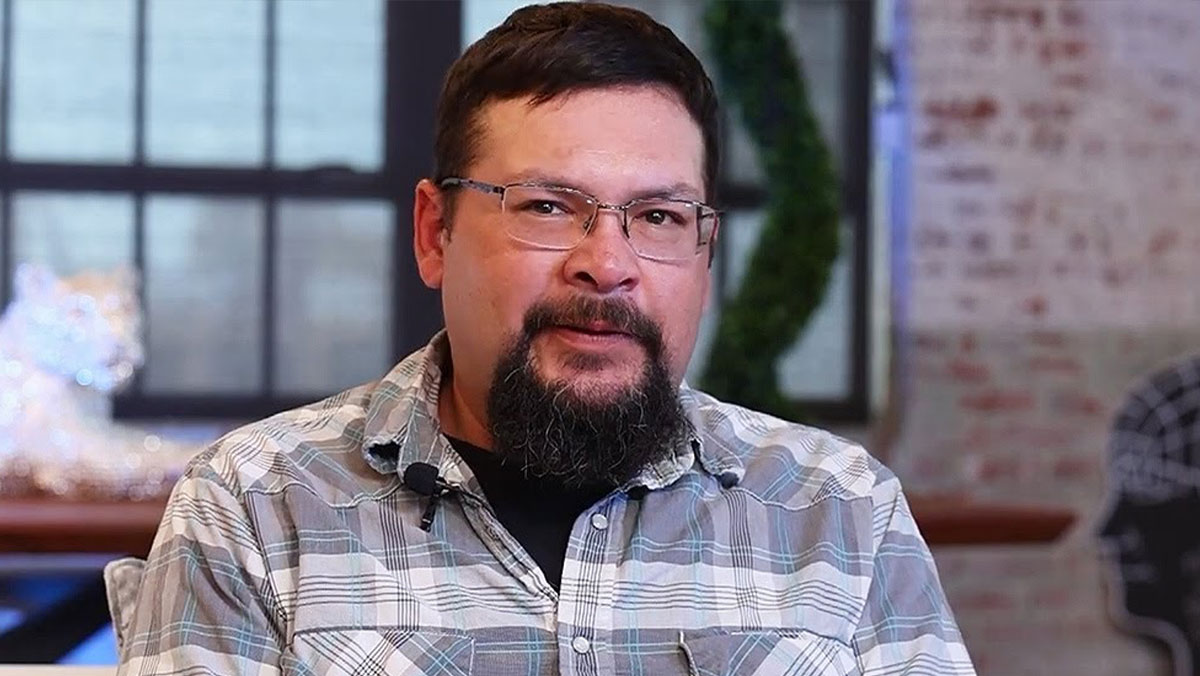
I went through what was supposed to be one of the top law firms in St. Louis. They said I wouldn't have no chance. I end up firing the other lawyer and everything and going with Chris. I felt like Combs Waterkotte actually did something for me and wasn't I wasn't just another number on somebody's desk.
Willy
DWI/DUI
Verify onI owe my life to Combs Waterkotte. If not for them, I would be spending the rest of my life behind bars. There is no amount of words that can explain what they did for me and my family. Its the highest recommendation that I can give.
Alexander B.
Felonies
If I could give Steve and his team 10 stars I would in a heartbeat. Was facing more then one felony charge and after these guys found the arresting officer violated my 4th Amendment Rights and those charges were dismissed. My family and I can't thank you enough.
Dean J
Felonies
I was hands down guilty. ON VIDEO !!! In a smaller town, and a job dealing with the public, this was devastating. I made one phone call and spoke for maybe 15 minutes. I DIDN'T appear in court. I am extremely impressed. QUIETLY relieved of the matter!
Y.I.V.
Theft
My fiance had a felony drug charge and Combs Waterkotte got it dismissed! There were no fines, court cost, nothing. Chris is loyal, professional, knowledgeable, and a man of his word. We are forever grateful for you.
Kimberly T.
Drug Crimes
If I was found guilty, it would have been over 100 years in prison. They promised me that they would fight like hell and get me out of it. After everything was done, I just felt free. Like this wasn’t gonna end with me rotting away in a prison cell. I felt like I could start my life and have a fresh start.
Caleb
Assault 1st, Armed Criminal Action
I was facing, probably 18 years… I actually got 5 years probation and 40 hours of community service. Without Combs Waterkotte’s help, I don’t think my family could have made it without me. It was just a written book to where it's a perfect ending.
Chris
Unlawful Use of a Weapon, Armed Criminal Action
I went through what was supposed to be one of the top law firms in St. Louis. They said I wouldn't have no chance. I end up firing the other lawyer and everything and going with Chris. I felt like Combs Waterkotte actually did something for me and wasn't I wasn't just another number on somebody's desk.
Willy
DWI/DUI
What is Considered a Felony in Missouri?
In Missouri, a felony is a serious crime that carries a punishment of more than one year in a state correctional facility. More serious than a misdemeanor, a felony offense involves a longer incarceration period, substantial fines and long-term consequences beyond the criminal case itself.
Whether something is charged as a felony often depends on factors such as the severity of the alleged injury, the value of the property involved, the use of a weapon, the age or status of an alleged victim and your prior convictions.
Missouri Felony Classes and Penalties
Missouri divides most felony offenses into Classes A through E, with Class A carrying the most severe sentencing range. Under current Missouri law, the authorized prison terms are:
- Class A Felony: This carries 10 to 30 years or life in prison.
- Class B Felony: This carries 5 to 15 years in prison.
- Class C Felony: This carries 3 to 10 years in prison.
- Class D Felony: This carries up to 7 years in prison.
- Class E Felony: This carries up to 4 years in prison.
Some felonies are unclassified felonies, however, and carry penalties established by the Missouri statute defining that crime.
Common Felony Charges in St. Charles County
In St. Charles County, prosecutors handle felony cases that involve everything from controlled substances and violent offenses to property crimes, weapons charges and repeat DWI offenses.
Common felony charges may include:
Drug Offenses
- Possession of a Controlled Substance (methamphetamine, cocaine or heroin)
- Drug Trafficking
- Delivery or Distribution of a Controlled Substance
Violent Offenses
- First- or Second-Degree Assault
- Felony Domestic Assault
- Robbery
- Manslaughter
- Murder
Property and Financial Crimes
- Burglary
- Felony Stealing
- Motor Vehicle Theft or Tampering
- Fraud or Forgery (financial scams, bad checks, identity theft)
Sex and Child-Related Offenses
- Rape and Sodomy
- Sexual Abuse
- Child Molestation
- Child Abuse or Neglect
- Felony Endangering the Welfare of a Child
- Child Pornography Offenses
DWI and Other Vehicle-Related Felonies
- Felony DWI involving qualifying prior offenses
- Leaving the Scene of an Accident in qualifying circumstances
- Certain felony offenses involving serious injury or death
Weapons and Other Felony Charges
- Unlawful Use of a Weapon
- Armed Criminal Action
- Felony Resisting Arrest
- Assault of a Law Enforcement Officer
Felony Crime and Prosecution Trends in St. Charles County
Prosecutors filed more than 2,500 new felony cases in St. Charles County in 2025, a 7% increase from the previous year. County officials have identified drug possession and domestic assault as two of the most common types of felony criminal cases locally.
Violent crimes and property crimes have seen significant drops, however, with contributing factors cited including an aggressive multi-jurisdictional task force and prosecution strategies. Warrant sign-outs are within 24 hours and high bond amounts may be requested to prevent “catch and release” repeat offenders, particularly when prosecutors believe the alleged conduct presents an ongoing threat to public safety.
Missouri also strengthened penalties for certain conduct affecting local felony cases. For example, unlawfully entering a motor vehicle with the intent to commit a felony or stealing offenses can constitute a second-degree burglary, and the offense becomes a Class C felony when the person possesses a firearm or steals a firearm from a vehicle.
Why Combs Waterkotte is the best Law firm for your case.
Real results for people just like you.

What Makes a Missouri Crime a Felony Instead of a Misdemeanor?
According to RSMo Section 557.021, the classification of an offense is determined by the specific statute defining the crime and that considers several key factors:
- Length of Incarceration: A felony is punishable by more than one year up to life imprisonment, whereas misdemeanors carry a maximum sentence of one year or less.
- Value of Property: Stealing property worth under $750 is generally a misdemeanor, while stealing property valued at $750 or more is a Class D felony.
- Use of Weapons or Injury: Causing serious physical injury or using a dangerous weapon can escalate a minor offense (like simple assault) into a felony.
- Identity of the Victim: If someone belongs to a protected class of victims–such as a law enforcement officer, elderly person or special victim–this can elevate the charge to a felony offense.
- Repeat Offenses: Prior convictions can trigger sentence enhancements. While a first-offense DWI is a misdemeanor, for example, a third offense within a 10 year period becomes a felony.
- Intent: While entering a property with the intent to trespass is a misdemeanor, entering or remaining unlawfully with the intent to commit a crime is felony burglary.
What Happens After a Felony Arrest in St. Charles County?
If your arrest was made without a warrant, law enforcement generally cannot hold you for more than 24 hours unless a warrant is obtained. After a felony arrest, you are booked into jail and officers may submit a warrant application, police report and probable cause statement to the St. Charles County Prosecuting Attorney’s Office for review.
Defendants that remain in custody are generally held at the St. Charles County Department of Corrections/Justice Center, across the street from the county courthouse in St. Charles.
If the prosecutor decides to file charges, the following steps take place:
- Initial Arraignment: The charges and your rights are reviewed, and the court addresses whether you have an attorney.
- Bond Hearing: If you cannot post bond, the defense may ask the judge to reduce the amount or to modify the conditions. The judge will consider the nature of your charge, whether you are a flight risk, community ties and other relevant factors.
- Probable Cause Review: Every felony case must go through a probable cause process, usually by preliminary hearing or grand jury. In St. Charles County, this begins in Associate Circuit Court but can transfer to Circuit Court if probable cause is established. A grand-jury case can proceed directly to Circuit Court after an indictment.
- Circuit Court Arraignment and Pretrial Proceedings: Once the case reaches Circuit Court, you are arraigned and the case may proceed through motions, plea negotiations, evidentiary hearings and eventually a jury or bench trial.
- Disposition or Trial: A felony case may end through dismissal, plea agreement, guilty plea or trial. These types of cases may take several months to resolve.
Felony cases in St. Charles County are prosecuted by the St. Charles County Prosecuting Attorney’s Office and move through the 11th Judicial Court, making early familiarity with the local court process important.
Can a Felony Charge be Reduced or Dismissed?
In Missouri, a felony charge may be reduced or dismissed through plea bargaining via negotiations, pretrial motions or the completion of diversion programs.
- Plea Negotiations: Prosecutors may agree to amend a felony to a lesser felony or misdemeanor offense, depending on the facts of the case and terms or resolution.
- Insufficient Evidence: Charges may be dismissed or reduced when the prosecution cannot establish the necessary elements of the offense, beyond a reasonable doubt.
- Pretrial Motions: A criminal defense attorney may seek to suppress illegally obtained evidence or statements and if these are excluded, the prosecution may have difficulty proceeding forward.
- Witness or Evidence Problems: Inconsistencies in witness accounts, unavailable evidence, unreliable identification or weaknesses in forensic evidence can affect whether prosecutors continue to pursue the original felony charge.
- Diversion or Treatment Court: Eligible defendants may qualify for diversion or treatment-based alternatives. For example, St. Charles County’s 11th Judicial Circuit operates Treatment Court programs for qualifying felony offenders.
Your available options will depend upon the offense being charged, the prosecution’s evidence, your eligibility for alternative programs and the strategy developed for your particular case.
Defenses to Felony Charges in St. Charles County
At Combs Waterkotte, we can help you identify which defense best applies to the circumstances surrounding your case. Common defenses for felony offenses in Missouri involve challenging the state’s evidence or proving a legal justification for the actions.
Some felony defenses do not dispute that the alleged conduct occurred. Instead, they argue that the conduct was legally justified or that other circumstances prevent or limit criminal responsibility (these are known as “affirmative” or “justification” defenses). .
The defenses that may apply to your case include:
Challenging the Prosecution’s Case
| Affirmative and Justification Defenses
|
Can Multiple Felony Charges Be Filed From the Same Incident?
In Missouri (RSMo 556.041), you can be prosecuted for separate offenses caused by the same conduct. For example, a single altercation could result in charges for first-degree assault and armed criminal action.
Multiple charges may apply when the alleged conduct satisfies the elements of more than one offense. However, Missouri law places limits on when a person may be convicted of multiple offenses based on the same conduct, including when one offense is a lesser-included offense of another.
Because your specific charges and potential penalties depend upon the unique circumstances of the incident, alleged conduct and the evidence available to prosecution, it is advised that you speak with a St. Charles County felony lawyer today for personalized legal advice.
Collateral Consequences of a Missouri Felony Conviction
Beyond prison time and a criminal record, a Missouri felony conviction can result in other consequences, such as:
- Loss of Firearm Rights: You could face a lifetime prohibition on possessing firearms.
- Restricted Voting Rights: You will be unable to vote while incarcerated and for some felony convictions, you will not be able to vote while on probation or parole.
- Employment Difficulty: Obtaining or maintaining a job can be more difficult for you, especially for occupations that require licensing, security, vulnerable populations or other legally regulated responsibilities.
- Impact on Professional Licenses: Certain convictions can affect your eligibility for occupational or professional licenses.
- Jury Service Ineligibility: You will be permanently disqualified from serving on a Missouri jury.
- Public Office Ineligibility: You will generally be disqualified as a candidate for elective public office.
- Limited Housing and Other Opportunities: You may face additional barriers when it comes to obtaining housing, education, and other opportunities.
- Jeopardized Immigration Status: You may lose your existing immigration status, be deported or lose the ability to gain lawful immigration status in the future.
In order to protect your rights and your future, you should not delay in obtaining legal counsel after being charged with a felony offense.
Can a Felony Offense Be Expunged in St. Charles County?
Yes, some Missouri felony convictions can be expunged in St. Charles County. Your petition will generally go through the Missouri court that handled your case. Your eligibility will depend upon the particular offense and your post-conviction history.
Examples of felonies that can be expunged from your record include certain nonviolent drug, theft and property offenses. Class A felonies are not eligible for expungement, however. Additionally, most violent offenses and sex offenses are not eligible for expungement.
Your waiting period, to seek expungement, begins after your case is concluded and upon completion of your probation or parole. For most felonies, you will have to wait three years after completing your sentence before applying for expungement. You must have no additional convictions or pending charges during the waiting period.
The expungement process includes:
- Determine eligibility.
- Complete the waiting period.
- Complete the sentence, including probation/parole.
- File an expungement petition with the court.
- Notify the prosecuting authorities.
- Attend a hearing.
- The judge will determine if the statutory requirements have been met.
RSMo 610.140 allows you to receive no more than two felony offense expungements during your lifetime.
What to Do If You Are Charged With a Felony in St. Charles County
Read More:

If you are charged with a felony in St. Charles County, you should take the following steps immediately:
- Contact a Criminal Defense Attorney
- Do Not Discuss the Case with Police Without Your Attorney
- Do Not Contact the Alleged Victim or Witnesses About the Case
- Follow Every Condition of Release
- Attend Every Court Hearing
- Preserve Evidence, but Don’t Alter it
- Don’t Discuss the Case on Social Media
Your case may involve an initial appearance or arraignment, a probable cause hearing, discovery, pretrial motions and plea negotiations before ultimately ending in either a plea agreement or trial. At each stage, it is important to have the right criminal defense attorney by your side to examine whether police had probable cause, whether any evidence was obtained illegally and whether the charges may be reduced or another favorable outcome may be available.
How a St. Charles County Felony Lawyer Can Help
A St. Charles County felony defense lawyer can investigate the allegations against you, review the prosecution’s evidence and identify weaknesses that may affect the case.
Having the right attorney by your side is crucial so that they can:
- Challenge unreliable witness statements or questionable identification evidence
- Seek to suppress evidence that was obtained unlawfully
- File pretrial motions that may strengthen your defense
- Determine which legal defenses may apply to your circumstances
- Represent you during bond hearings and other court proceedings
- Negotiate with prosecutors for reduced charges or alternative resolutions
- Prepare your case for trial if an acceptable resolution cannot be reached
Throughout the process, your attorney can help you understand the potential penalties and long-term consequences of a felony conviction so that you can make informed decisions about your case.
Call Our St. Charles County Felony Defense Lawyers Today

When you are facing a felony charge, your freedom, reputation and future may all be at risk. At Combs Waterkotte, our criminal defense team brings more than 100 years of combined legal experience to serious felony cases, and we are prepared to pursue every available avenue for protecting your rights.
We can examine the allegations, police conduct, witness statements, physical or digital evidence and the prosecution’s case to identify weaknesses and develop a defense strategy tailored to your circumstances. We understand how felony cases move through the St. Charles County criminal justice system and what is at stake when a conviction could mean prison time and lasting consequences beyond the courtroom.
Call (314) 900-HELP or request a free, confidential consultation online to discuss your felony case and learn how our St. Charles County criminal defense lawyers can help.
Resources
Relevant Blogs and FAQs
Steps to Take When You’re Charged with a Felony in Missouri
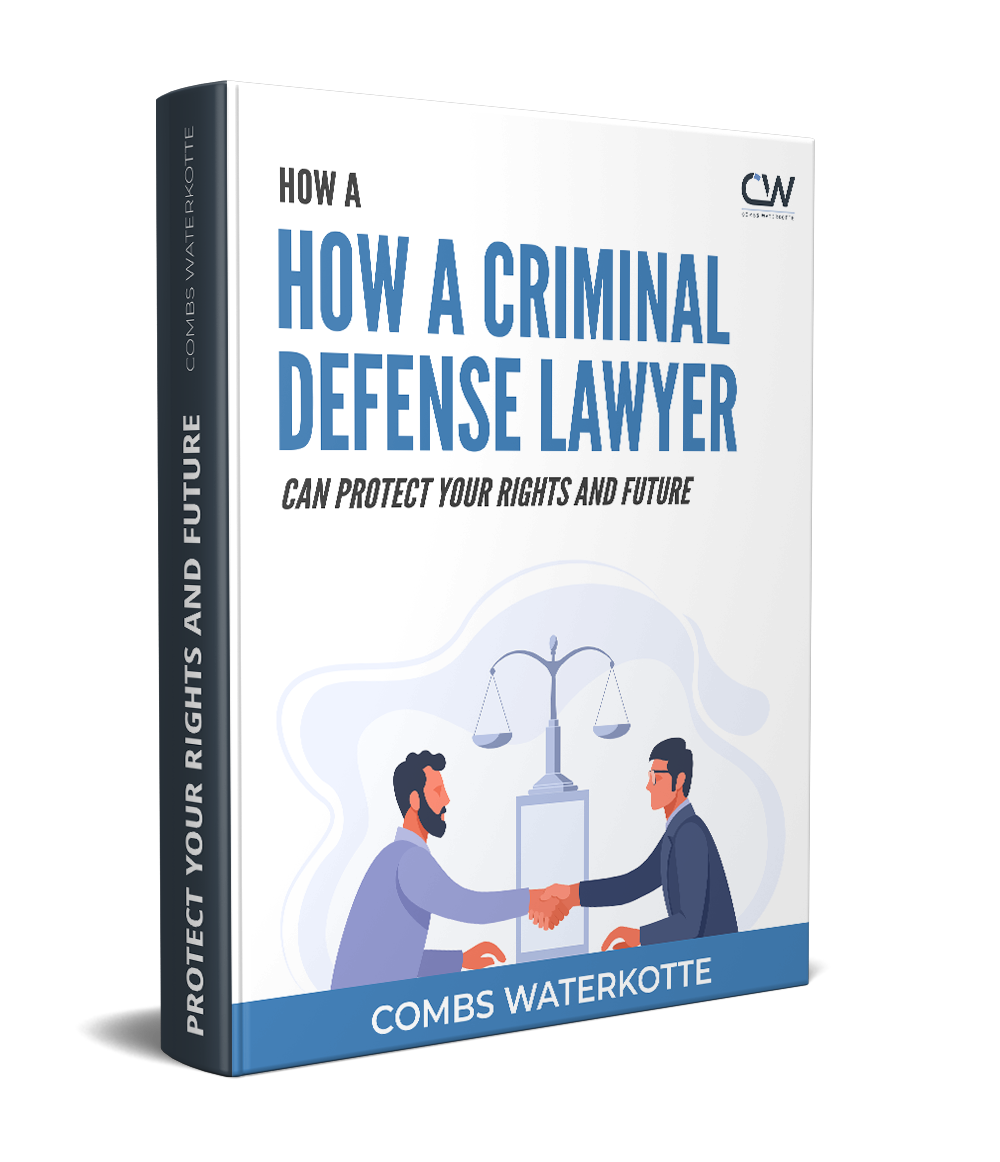
Free book
How a Criminal Defense Attorney Can Protect Your Rights and Future
Combs Waterkotte has over 80 years of experience and over 10,000 cases handled. This ebook helps guide you through the criminal defense process and how an experienced, skilled defense attorney can keep your freedoms intact.