
Involuntary Manslaughter Lawyer Kansas City, MO
Hire the leading Criminal Defense Law Firm in Kansas City, MO to protect your freedom, rights, and future. Whether you have been charged with a crime or arrested, we can help.
TO COMBS WATERKOTTE,YOU ARE WHY WE EXIST.


Involuntary Manslaughter Lawyer Kansas City, MO
An involuntary manslaughter accusation begins with a death. This means the investigation is emotionally charged from the start. You may be in shock or trying to understand how a simple accident became a felony case. At the same time, detectives may be collecting statements, phone data, video, medical records, vehicle evidence, or expert opinions to try to prove that you were reckless or criminally negligent.
At Combs Waterkotte, we defend people facing life-changing manslaughter charges in Kansas City, Missouri. We listen without judgment, explain your charge in plain language, and test the prosecution’s theory against the evidence. Early representation gives you the opportunity to preserve favorable evidence, manage contact with investigators, and begin building a defense before prosecutors can craft their narrative.

I owe my life to Combs Waterkotte. If not for them, I would be spending the rest of my life behind bars. There is no amount of words that can explain what they did for me and my family. Its the highest recommendation that I can give.
Alexander B.
Felonies
Verify on

If I could give Steve and his team 10 stars I would in a heartbeat. Was facing more then one felony charge and after these guys found the arresting officer violated my 4th Amendment Rights and those charges were dismissed. My family and I can't thank you enough.
Dean J
Felonies
Verify on
I was hands down guilty. ON VIDEO !!! In a smaller town, and a job dealing with the public, this was devastating. I made one phone call and spoke for maybe 15 minutes. I DIDN'T appear in court. I am extremely impressed. QUIETLY relieved of the matter!
Y.I.V.
Theft
Verify on
My fiance had a felony drug charge and Combs Waterkotte got it dismissed! There were no fines, court cost, nothing. Chris is loyal, professional, knowledgeable, and a man of his word. We are forever grateful for you.
Kimberly T.
Drug Crimes
Verify on
If I was found guilty, it would have been over 100 years in prison. They promised me that they would fight like hell and get me out of it. After everything was done, I just felt free. Like this wasn’t gonna end with me rotting away in a prison cell. I felt like I could start my life and have a fresh start.
Caleb
Assault 1st, Armed Criminal Action
Verify on
I was facing, probably 18 years… I actually got 5 years probation and 40 hours of community service. Without Combs Waterkotte’s help, I don’t think my family could have made it without me. It was just a written book to where it's a perfect ending.
Chris
Unlawful Use of a Weapon, Armed Criminal Action
Verify on
I went through what was supposed to be one of the top law firms in St. Louis. They said I wouldn't have no chance. I end up firing the other lawyer and everything and going with Chris. I felt like Combs Waterkotte actually did something for me and wasn't I wasn't just another number on somebody's desk.
Willy
DWI/DUI
Verify onI owe my life to Combs Waterkotte. If not for them, I would be spending the rest of my life behind bars. There is no amount of words that can explain what they did for me and my family. Its the highest recommendation that I can give.
Alexander B.
Felonies
If I could give Steve and his team 10 stars I would in a heartbeat. Was facing more then one felony charge and after these guys found the arresting officer violated my 4th Amendment Rights and those charges were dismissed. My family and I can't thank you enough.
Dean J
Felonies
I was hands down guilty. ON VIDEO !!! In a smaller town, and a job dealing with the public, this was devastating. I made one phone call and spoke for maybe 15 minutes. I DIDN'T appear in court. I am extremely impressed. QUIETLY relieved of the matter!
Y.I.V.
Theft
My fiance had a felony drug charge and Combs Waterkotte got it dismissed! There were no fines, court cost, nothing. Chris is loyal, professional, knowledgeable, and a man of his word. We are forever grateful for you.
Kimberly T.
Drug Crimes
If I was found guilty, it would have been over 100 years in prison. They promised me that they would fight like hell and get me out of it. After everything was done, I just felt free. Like this wasn’t gonna end with me rotting away in a prison cell. I felt like I could start my life and have a fresh start.
Caleb
Assault 1st, Armed Criminal Action
I was facing, probably 18 years… I actually got 5 years probation and 40 hours of community service. Without Combs Waterkotte’s help, I don’t think my family could have made it without me. It was just a written book to where it's a perfect ending.
Chris
Unlawful Use of a Weapon, Armed Criminal Action
I went through what was supposed to be one of the top law firms in St. Louis. They said I wouldn't have no chance. I end up firing the other lawyer and everything and going with Chris. I felt like Combs Waterkotte actually did something for me and wasn't I wasn't just another number on somebody's desk.
Willy
DWI/DUI
Kansas City, MO Involuntary Manslaughter Charges Explained
Missouri places involuntary manslaughter among its serious violent-crime offenses, but the charge does not require proof that you intended to kill anyone. Instead, the state has to prove a death, causation, and one of two mental states:
- Recklessness (for first-degree involuntary manslaughter)
- Criminal negligence (for second-degree involuntary manslaughter)

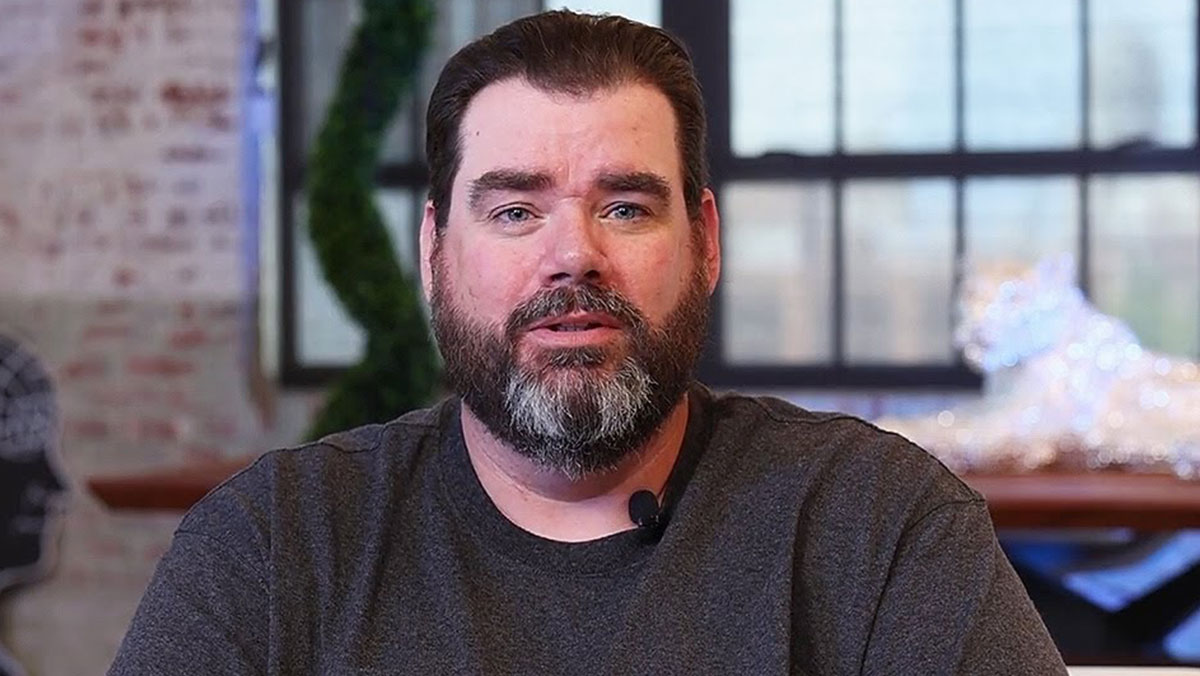
“Before I met [Combs Waterkotte], I was sitting in jail, and I felt like that was going to be my home for the next one hundred years… [They] promised me that [they] would fight like hell and get me out of it… [From] looking at over a hundred years in prison, I am now serving two-and-a-half years of SIS probation, and it will never be on my record. So I would highly recommend Combs and Waterkotte for anybody who’s looking for the best lawyer you can get.”
-Caleb | Combs Waterkotte Client
Cases can arise from a vehicle collision, mishandling a gun, unsafe supervision, a workplace accident, or a confrontation that prosecutors say involved unjustifiable risk. The death itself does not prove criminal liability. Prosecutors still must specifically connect your conduct to the death and prove either recklessness or criminal negligence beyond a reasonable doubt.
If police are investigating you, quickly take the following steps to protect both yourself and potential evidence:
- Don’t speak to police without contacting a lawyer first.
- Preserve messages, photos, videos, location records, vehicle data, and the names of potential witnesses.
- Don’t post publicly about anything that may relate to the incident or delete or alter any existing social media posts.
A Missouri-side Kansas City case usually moves through the circuit court for the county where the incident allegedly occurred (often Jackson County). The venue, charging practices, and the assigned prosecutor can all have an enormous impact on your case.
Why Combs Waterkotte is the best Law firm for your case.
Real results for people just like you.

Kansas City, Missouri Involuntary Manslaughter Laws
There are two degrees of involuntary manslaughter under Missouri law: first degree and second degree. The charge you face depends on your alleged state of mind when the death occurred, and each offense carries distinct sentencing ranges.
First-Degree Involuntary Manslaughter
RSMo § 565.024 defines first-degree involuntary manslaughter as recklessly causing another person’s death. Under Missouri’s criminal-code definitions, “recklessness” means consciously disregarding a substantial and unjustifiable risk, when that disregard varies greatly from what an ordinary person would do.
First-degree involuntary manslaughter is charged as a Class C felony, but it can become a Class B felony for offenses that result in the death of a police officer.
Second-Degree Involuntary Manslaughter
RSMo § 565.027 defines second-degree involuntary manslaughter as acting with criminal negligence to cause another person’s death. Criminal negligence happens when a person fails to recognize a substantial and unjustifiable risk, and that failure deviates from reasonable care.
Usually, second-degree involuntary manslaughter is charged as a Class E felony. However, it can be elevated to a Class D felony when the charge involves the death of a law enforcement officer.
Defenses Against Kansas City Involuntary Manslaughter Charges
The best defense strategy for your involuntary manslaughter charge depends on exactly what happened, which degree you’re facing, and the evidence available to the prosecution. Your defense team should start by reconstructing a timeline of events before deciding on a defense strategy. The following strategies are common when defending against Kansas City manslaughter allegations.
No Proof of Causation
The state has to prove that your conduct caused the death (rather than showing that the death simply occurred near the same time). Medical evidence, accident reconstruction, toxicology, scene measurements, mechanical inspections, and the acts of others involved may prove an alternative cause of death or damage the prosecution’s theory of what happened. Your defense team may be able to find an expert to test whether the state’s conclusions are scientifically and factually supported.
Lack of Intent
A bad outcome, mistake, or moment of carelessness doesn’t necessarily prove a gross deviation from reasonable care. For first degree involuntary manslaughter, the state must also establish conscious disregard of the risks involved.
An intent and mental-state defense may use witness testimony, safety practices, training records, environmental conditions, or expert analysis to show that prosecutors can’t prove recklessness or criminal negligence beyond a reasonable doubt.
The Event Was an Unavoidable Accident
An accident is not a complete defense if the state can still prove culpability. But an unforeseeable mechanical failure, a sudden medical emergency, an unexpected act by another person, or an inaccurate identification may dispute causation or the mental state required by the statute. Preserving physical evidence and independent videos quickly can be critical because vehicles are repaired, scenes change, and recordings can be overwritten.
Constitutional Violations
It’s not uncommon for individuals facing manslaughter charges to make an incomplete statement that investigators later frame as an admission. Police may also seek a phone, vehicle data, blood evidence, or a search of a home. Your lawyer can examine the chain of custody of evidence, testing methods, warrants, and whether or not you knowingly consented to a search. When evidence is obtained unlawfully, a Fourth Amendment challenge or another motion may limit what a jury is allowed to hear.
Consequences of an Involuntary Manslaughter Conviction in Kansas City, MO

Missouri felony sentencing ranges depend on the degree of the charge and possible statutory enhancements. Prior convictions, multiple counts, and consecutive sentencing can all impact a potential involuntary manslaughter prison sentence. Though each situation is unique, here are the common sentencing ranges:
| Offense | Potential Penalty |
|---|---|
| First degree | Class C felony — 3 to 10 years in prison and a fine up to $10,000 |
| First degree with targeting enhancement | Class B felony — 5 to 15 years in prison |
| Second degree | Class E felony — up to 4 years in prison and a fine up to $10,000 |
| Second degree with targeting enhancement | Class D felony — up to 7 years in prison and a fine up to $10,000 |
Missouri’s felony fine statute authorizes up to $10,000 for Class C, D, and E felonies. A conviction can also come with a slew of collateral consequences, including:
- Barriers to future employment
- The inability to obtain certain professional licenses
- Limited housing options
- Negative impacts on your immigration status
- The loss of your legal firearm rights
If the allegation involves a death that occurred while driving, separate DWI or licensing consequences could apply. A homicide case may also mean exposure to restitution or a civil wrongful-death claim (even if the criminal charge is contested).
Why Hire Combs Waterkotte for Your Kansas City Manslaughter Case
A Kansas City involuntary manslaughter case combines high emotional stakes with demanding questions about causation, state of mind, forensic evidence, and experts’ interpretations. Combs Waterkotte approaches the situation with respect while firmly defending you against the charges. We focus on the evidence, not the label placed on you by police investigators.


When you hire our defense team, you can expect a deliberate process built around the specifics of your case:
- Clear explanations of the charge, evidence, deadlines, and realistic options at each stage.
- Early work to preserve favorable records, physical evidence, and witness accounts before they disappear.
- A trial-ready approach that strengthens both courtroom preparation and responsible negotiations.
We are fully committed to direct communication, careful preparation, and a defense strategy shaped by the law and the evidence rather than a one-size-fits-all approach. You can trust that we’ll do everything in our power to help you.
How Combs Waterkotte Builds Your Involuntary Manslaughter Defense
In these particular cases, we start by listening to your version of events and identifying the issues most urgent to you: police contact, bond conditions, preservation of physical evidence, access to a vehicle or scene, employment concerns, and contact with the decedent’s family.

We then obtain the charging documents and discovery, map the state’s theory to each element of the offense, and identify what we need to investigate independently. Depending on the case, our work may include:
- Interviewing witnesses
- Reviewing critical evidence like:
- Dispatch records
- Medical files
- Toxicology reports
- Phone data
- Vehicle information
- Consulting medical, reconstruction, firearms, digital, or other experts
- Challenging unsupported conclusions
We may litigate suppression or evidentiary issues through pretrial motions and hearings, present weaknesses to prosecutors, evaluate any offers the prosecution may want to make, and prepare testimony and exhibits for trial. Throughout the process, the decisions remain yours, informed by candid advice about risk and opportunity.
Contact a Kansas City, Missouri Involuntary Manslaughter Lawyer
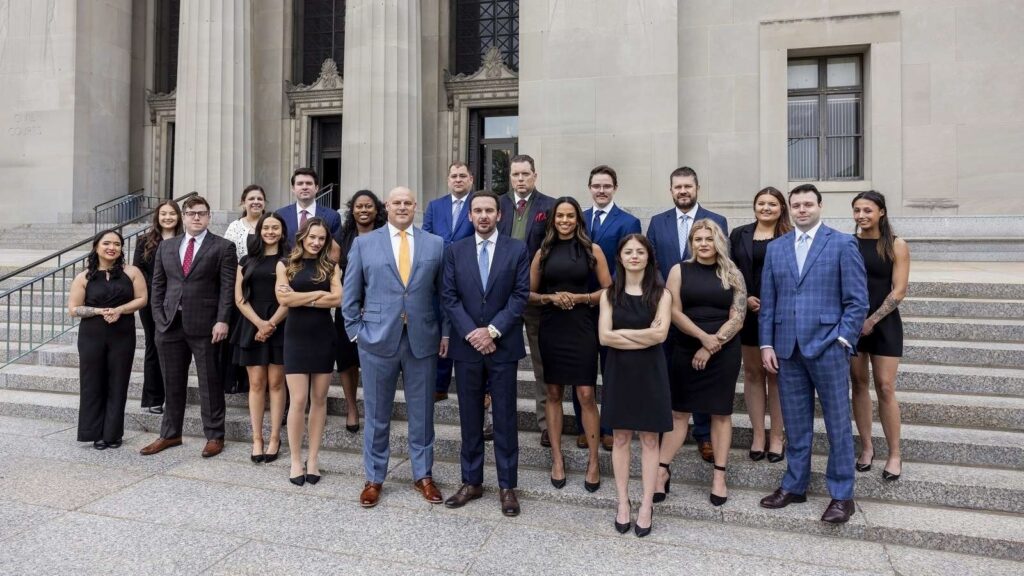
If you’ve been arrested or charged with involuntary manslaughter in Kansas City, Missouri, you should not face detectives and prosecutors alone. Call (314) 900-HELP to speak with Combs Waterkotte about protecting your rights, preserving evidence, and preparing for the next step. You can also contact our Kansas City criminal defense team online to request a confidential consultation. The sooner we understand what happened, the sooner we can begin testing the state’s allegations and building a focused defense.
Resources
For more information on criminal defense in Kansas City or anywhere else in Missouri, call the Combs Waterkotte criminal defense attorneys right away at (314) 900-HELP or contact us online for a confidential consultation.
What To Do If I’m Wanted For Questioning in Missouri
Should I Tell My Lawyer if I’m Guilty?
What Does a Kansas City, MO, Criminal Defense Attorney Actually Do?
Free book
How a Criminal Defense Attorney Can Protect Your Rights and Future
Combs Waterkotte has over 80 years of experience and over 10,000 cases handled. This ebook helps guide you through the criminal defense process and how an experienced, skilled defense attorney can keep your freedoms intact.

