





Additional Links
- First-Time DUI in Kansas City: What to Expect
- How Long Does a DWI/DUI Stay on My Driving Record in Missouri?
- What DWI/DUI Defense Lawyers Actually Do (and Why You Need One)
- Can You Drive After Being Charged With a DWI/DUI?
- Understanding the Missouri DWI Administrative Process
- How Likely is Jail Time for a First-Time DWI Offense in Missouri?
- What to Do During a DWI Stop?
- Should I Blow if I Get Pulled Over for a DWI in Missouri?
- DWI Lawyer: How to Protect Your Record
- Should/Can I Refuse a Blood Test?
- 7 Signs You Hired the Wrong Missouri Drunk Driving Lawyer
- Should/Can I Refuse a Field Sobriety Test?
DWI Lawyer in Kansas City, MO
Getting stopped in Kansas City, MO, after having a drink or using cannabis can initiate a chain of events that results in license suspension, fines, and even jail time. However, you may have defenses against DWI charges.
Combs Waterkotte has handled over 15,000 criminal cases, including countless DWIs. We protect our clients’ rights when they face serious charges that could result in imprisonment and other harsh consequences.
Facing a DWI charge in the Kansas City area? We can help. Call (314) 900-HELP or reach out online for a free, confidential consultation.
Impaired-Driving Offenses in Missouri
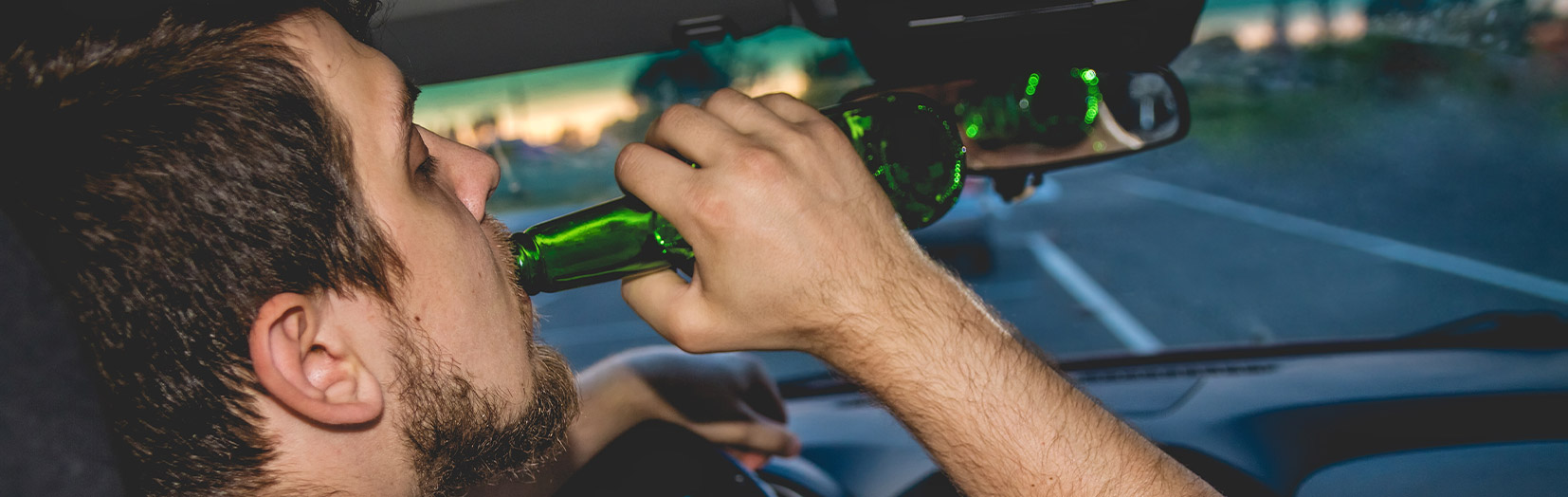
Driving while intoxicated (DWI), also called driving under the influence (DUI), is one of the leading causes of fatal car accidents nationwide. All states, including Missouri, outlaw driving while impaired by drugs or alcohol.
Intoxicating substances can affect all of the following skills needed to drive safely:
- Judgment
- Reasoning
- Reflexes
- Coordination and muscle control
- Perception
A driver who exhibits any of these impairments risks arrest and prosecution for DWI.
Missouri Statutes Covering DWI Offenses
Missouri has two primary statutes outlining DWI offenses:
Driving While Intoxicated
Missouri law prohibits the operation of a vehicle while in an “intoxicated condition.” That means you’re unable to operate a vehicle safely after consuming alcohol, illegal drugs, prescription drugs, or another intoxicant.
This statute is a catch-all for substances for which there’s no legal limit. For example, Missouri doesn’t have a legal limit for drivers who smoke marijuana or consume cannabis edibles. Since the police can’t arrest the driver for being over the legal limit, officers will look for signs of impairment and use this statute to prosecute the driver.
The law can also be used to prosecute motorists who drive dangerously even if their blood alcohol content (BAC) is below the legal limit. A driver who rarely drinks or has a slight build may become intoxicated after only a small amount of alcohol.
Another common scenario in which someone might be impaired despite being below the legal limit occurs in polysubstance cases. A driver might consume alcohol in combination with another substance, such as prescription medication. The combined effects may impair their abilities, despite their BAC being below the legal limit.
An arrest for this offense usually begins when a police officer sees the driver commit a traffic violation, such as weaving, speeding, or mounting a curb. It can also occur at an accident scene where the driver struck a fixed object, a pedestrian, or another vehicle.
The officer may suspect that the driver is impaired based on their observations. The following signs may alert an officer to possible intoxication:
- Slurred speech
- Bloodshot eyes
- Dilated pupils
- Difficulty answering questions
- Uncoordinated movements
The officer may try to verify the impairment with a field sobriety test, which involves physical and mental tasks designed to test the driver’s abilities.
Prosecutors frequently rely on police testimony and video from dash and body cameras to prove the accused’s intoxication. The responding officer will typically testify about their observations, and the video footage will be used as evidence to show the driving violation and the subsequent field sobriety test.
Driving With Excessive Blood Alcohol Content
There’s a second DWI law for prosecuting drunk drivers in Kansas City, MO. Under this law, no one may drive a personal automobile with a BAC of 0.08% or higher, or a commercial vehicle with a BAC of 0.04% or higher.
Notably, prosecutors don’t need evidence of impairment to prosecute you for excessive BAC—you might be guilty of this offense regardless of the effects of alcohol consumption on your driving abilities. Prosecutors only need a chemical test result showing that your BAC is at or above the legal limit.
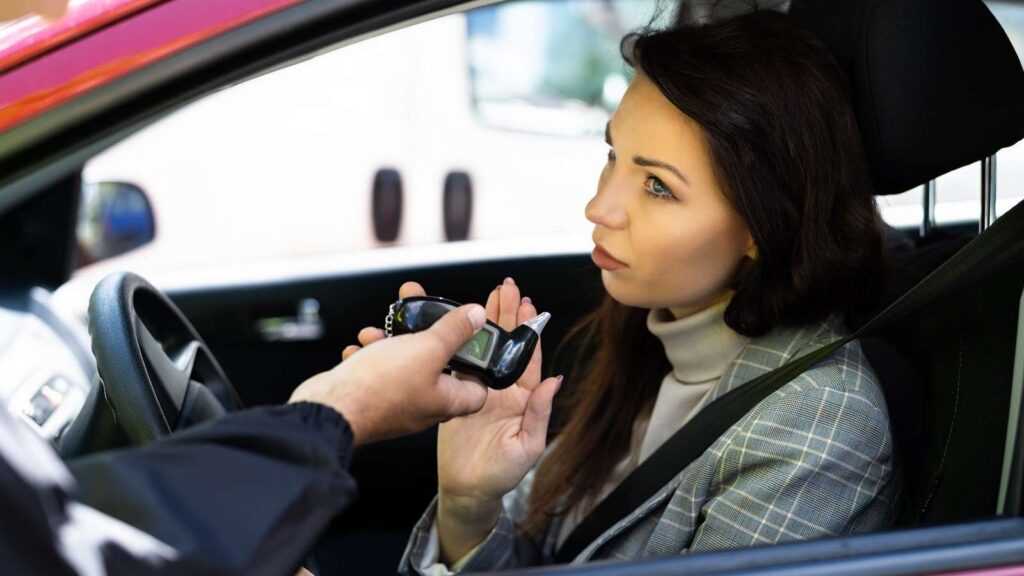
This test requires a breath, urine, or blood sample. While you have the right to refuse the test, Missouri’s implied consent law allows the state to suspend your driver’s license for your refusal, even if you’re never charged with or convicted of DWI.
At trial, prosecutors don’t need any testimony about the accused’s driving to get a conviction. The evidence will generally focus on the acquisition of the testing sample, its processing, and the results. Prosecutors can secure a conviction by proving beyond a reasonable doubt that the driver’s BAC was at or over the legal limit.
Additionally, the state will automatically suspend a driver’s license if the chemical test shows a BAC over the legal limit. Again, this will happen even if the charges are dismissed or downgraded.
Possible Defenses Your DWI Lawyer Can Raise Against Charges in Kansas City, MO
DWI cases, particularly those with chemical test results, may seem difficult to overcome. But a skilled Kansas City DWI lawyer might employ any of several criminal defense strategies to defend you against your charges.
Improper Traffic Stop
Under the Constitution’s Fourth Amendment, searches and seizures must be “reasonable.” As interpreted by the courts, this means the police must have probable cause to pull you over. An officer has probable cause when they have a reasonable suspicion that you broke the law.
Probable cause could be established if the officer saw you violate a traffic law or observed that your vehicle was unsafe because of an equipment violation. They can’t establish probable cause simply based on your race, gender, or other personal characteristics.
If the initial traffic stop is deemed unlawful, the court can throw out any evidence gathered during the stop, including chemical testing results.
Unreliable Test Results
It’s possible for a chemical test to provide unreliable results due to:
- Improperly calibrated equipment
- Defective or damaged equipment
- Cross-contamination of samples
- Improper collection or handling of samples
Similarly, certain testing conditions can produce a false positive. For example, alcohol-based mouthwash, cologne, or even some prescription medications can result in an incorrect alcohol reading on a breath test.
During discovery, your DWI lawyer will request documentation about your tests and the equipment used. Any misuse of the equipment could provide a defense against your DWI charges.
Involuntary Intoxication
Generally, you can’t defend yourself against a DWI charge by arguing that you didn’t intend to become impaired or failed to realize how intoxicated you were before driving. However, you may be able to argue that you were drugged without your knowledge or consent.
No Actual Control
The term “operate” requires that you have actual control of the vehicle. “Actual control” doesn’t necessarily mean you were driving at the time of the violation. It can also mean you were pulled over with the ignition off while sleeping.
To establish actual control, prosecutors must show that you had the ability and intent to drive. If you were asleep in the driver’s seat with the keys in your pocket, prosecutors may have a valid argument that you were in actual control of the vehicle.
However, you might have a defense if you were sleeping in the back seat or if you had thrown the keys out the window before falling asleep.
Penalties You Could Face After a DWI Conviction in Kansas City, MO
In Missouri, a DWI is normally treated as a Class B misdemeanor. The sentence may include up to six months in prison and a fine of up to $500.
However, the penalties increase if the defendant is a repeat offender. In determining the sentence for a repeat offender, the statutes use the following offender statuses:
- Prior offender: One prior DWI within the past five years
- Persistent offender: Two prior DWIs, or one prior DWI that caused injury or death
- Aggravated offender: Three or more prior DWIs, or two or more DWIs that caused injury or death
- Chronic offender: Four or more prior DWIs, or three or more DWIs that caused injury or death
- Habitual offender: Five or more prior DWIs, or four or more DWIs that caused injury or death
The penalties for repeat offenders may include the following:
| Offender Status | Potential Punishment |
|---|---|
| Prior offender | Class A misdemeanor; up to one year |
| Persistent offender | Class E felony; up to four years |
| Aggravated offender | Class D felony; up to seven years |
| Chronic offender | Class C felony; up to 10 years |
| Habitual offender | Class B felony; up to 15 years |