
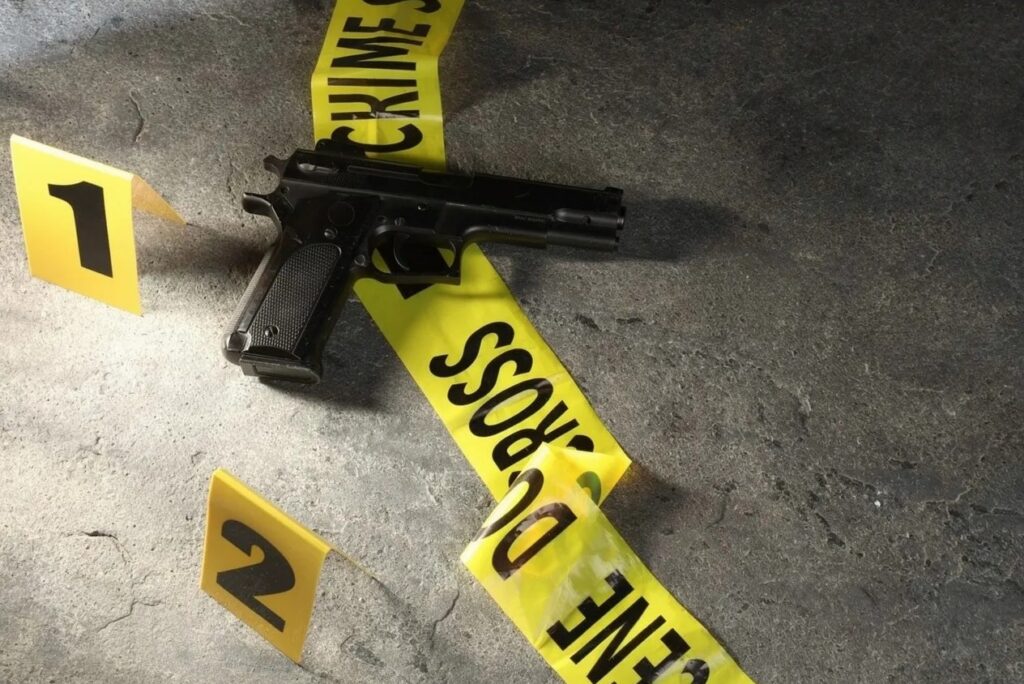
Gun Crime Lawyer Chicago, IL. Being accused of a gun crime in Chicago, IL is not something to wait out or explain away on your own. The accusation may involve possession, carrying without the right license, firing a weapon, threatening someone, having a gun after a felony conviction, or a firearm tied to another alleged crime. The police report may not tell the whole story, but it can quickly become the version prosecutors try to use against you.
If you’ve been arrested, charged, or contacted by law enforcement about a firearm, Combs Waterkotte’s Chicago, IL criminal defense attorneys can help. Our defense team represents people accused of serious firearm offenses in Chicago, IL, from possession and licensing cases to allegations involving threats, shots fired, drugs, domestic violence, or another felony charge.
Call (314) 900-HELP or contact us online today. A criminal defense lawyer in Chicago, IL can review what happened and help you understand what to do next.
Cases Handled
Over 10,000
Jail Days Saved
Over 1 Million
Google Reviews
500+ Perfect
Legal Experience
Over 80 Years
Below, we cover:
- How to protect yourself after being arrested or investigated for a gun charge in Chicago, IL
- The arrests, searches, accusations, and investigations that often lead to firearm charges in Chicago, IL
- Specific gun charges Combs Waterkotte defends in Chicago, IL
- Why Chicago, IL gun charges can carry serious penalties
- How a gun crime lawyer in Chicago, IL can fight the case
- Why people turn to Combs Waterkotte when a felony accusation threatens everything
- FAQs about firearm charges in Chicago, IL
Legal Videos
Everything You Need to Know About Felony Charges in Illinois
Everything You Need to Know About Felony Charges in the State of Illinois. Attorneys Steve Waterkotte and Joshua Boardman from Combs Waterkotte discuss everything you need to know about Illinois …
Can I Seal or Expunge My Criminal Record in Illinois?
Can I Seal or Expunge My Criminal Record in Illinois? Dealing with a criminal record in the state of Illinois? Combs Waterkotte attorney Joshua Boardman discusses the possibility of expunging your …
Can the Police Legally Search Me or My Property in Illinois?
Can the Police Legally Search Me or My Property in Illinois? Facing criminal charges in the state of Illinois? Combs Waterkotte attorney Joshua Boardman discusses probable cause and when police can …
Do I Need a Lawyer if I’m Innocent in Illinois?
Do I Need a Lawyer if I'm Innocent in Illinois? Facing criminal charges in the state of Illinois? Combs Waterkotte attorney Andrew Russek talks about it being more important to have a lawyer if …
How Can I Prove My Innocence if Accused of Sexual Assault in Illinois?
How Can I Prove My Innocence if Accused of Sexual Assault in Illinois? Facing sexual assault charges in the state of Illinois? Attorneys Joshua Boardman and Andrew Russek from Combs Waterkotte …
What Are Drug Schedules in Illinois?
What Are Drug Schedules in Illinois? Facing criminal drug charges in the state of Illinois? Attorneys Joshua Boardman and Andrew Russek from Combs Waterkotte discuss everything you need to know …
Everything You Need to Know About Felony Charges in Illinois
Everything You Need to Know About Felony Charges in the State of Illinois. Attorneys Steve Waterkotte and Joshua Boardman from Combs Waterkotte discuss everything you need to know about Illinois …
Can I Seal or Expunge My Criminal Record in Illinois?
Can I Seal or Expunge My Criminal Record in Illinois? Dealing with a criminal record in the state of Illinois? Combs Waterkotte attorney Joshua Boardman discusses the possibility of expunging your …
Can the Police Legally Search Me or My Property in Illinois?
Can the Police Legally Search Me or My Property in Illinois? Facing criminal charges in the state of Illinois? Combs Waterkotte attorney Joshua Boardman discusses probable cause and when police can …
Do I Need a Lawyer if I’m Innocent in Illinois?
Do I Need a Lawyer if I'm Innocent in Illinois? Facing criminal charges in the state of Illinois? Combs Waterkotte attorney Andrew Russek talks about it being more important to have a lawyer if …
How Can I Prove My Innocence if Accused of Sexual Assault in Illinois?
How Can I Prove My Innocence if Accused of Sexual Assault in Illinois? Facing sexual assault charges in the state of Illinois? Attorneys Joshua Boardman and Andrew Russek from Combs Waterkotte …
What Are Drug Schedules in Illinois?
What Are Drug Schedules in Illinois? Facing criminal drug charges in the state of Illinois? Attorneys Joshua Boardman and Andrew Russek from Combs Waterkotte discuss everything you need to know …
After a Gun Arrest in Chicago, IL, Protect Yourself First
A gun arrest is not the moment to improvise. Before you talk to police, message anyone about the case, or assume your release conditions are just paperwork, get clear on what can hurt you.
- Do not try to talk your way out of the case. Police may act like they just need your side, but your words can become evidence.
- Do not discuss the facts of the case by text, social media, or recorded jail call. Even comments that feel harmless can be pulled into the case if they touch the facts, the gun, the arrest, or the people involved.
- Understand your bond or pretrial release conditions before you leave court. Chicago, IL gun cases may involve no-contact orders, travel limits, firearm restrictions, curfews, electronic monitoring, check-ins, or other conditions. Breaking those rules can put you back in court, threaten your release, and give prosecutors more leverage.
- Do not miss court. Missing court can lead to a warrant, stricter release conditions, or detention while the case is pending.
- Make notes before the details blur. Details about the stop, search, firearm location, witnesses, consent, officer statements, and nearby cameras can matter later.
- Keep anything connected to the case. Save court papers, release conditions, FOID or concealed carry documents, firearm records, receipts, photos, videos, texts, location data, and notices from the court.
- Bring in a defense attorney before police and prosecutors get too far ahead. An attorney can speak with law enforcement for you, explain your release conditions, protect you from damaging statements, preserve key evidence, and start attacking the weak points in the case.
How Firearm Charges Start in Chicago, IL
No two gun cases start the same way. A traffic stop, search warrant, domestic call, shooting investigation, witness statement, or licensing issue can all lead to firearm charges in Chicago, IL.
- A vehicle stop turns into a firearm arrest after officers say a gun was within reach, loaded, improperly secured, or tied to a licensing problem.
- A gun is found in a shared car, home, apartment, hotel room, backpack, purse, or bedroom, raising questions about who knew it was there and who actually had control over it.
- The case is based on an allegation that a firearm was used to intimidate, threaten, injure, or escalate a confrontation.
- Police respond to gunfire and prosecutors try to connect a person, weapon, vehicle, location, or shell casings to the alleged shooting.
- Police or prosecutors claim a firearm was used during another alleged offense, such as robbery, burglary, assault, domestic violence, or a drug crime.
- A prior conviction, protective order, or other restriction turns alleged possession into a more serious firearm case.
- Police execute a warrant and find a gun while searching for evidence in a larger investigation.
- A co-defendant, alleged victim, or witness gives police a gun allegation, and the defense has to test whether that story matches the evidence.
- A FOID card, concealed carry license, transport rule, or restricted-location issue turns an otherwise lawful firearm into the basis for a criminal charge.
Gun Charges We Defend in Chicago, IL
Our Chicago, IL defense lawyers represent clients facing firearm and weapons charges such as:
- Aggravated unlawful use of a weapon, often called AUUW
- Unlawful use of a weapon
- Unlawful possession of a firearm
- Unlawful possession of a weapon by a felon
- Possession of a firearm without a valid FOID card
- Carrying a concealed firearm without a valid concealed carry license
- Gunrunning
- Possession of a stolen firearm
- Possession of a firearm while under an order of protection
- Reckless discharge of a firearm
- Aggravated discharge of a firearm
- Drive-by shooting allegations
- Assault weapon, .50 caliber rifle, and large-capacity magazine allegations
- Federal firearm investigations or cases involving both state and federal exposure
The Real Risks of a Gun Charge in Chicago, IL
A firearm conviction in Illinois can reach far beyond the courtroom, affecting your freedom, record, job, licensing, immigration status, firearm rights, and future criminal exposure.
The penalties in a gun crime in Chicago, IL depend on the facts, but the risks may include:
- Felony prosecution
- Jail or prison exposure
- Probation or conditional discharge
- Fines and court costs
- Loss or denial of firearm rights
- FOID card or concealed carry license consequences
- Enhanced penalties if the case involves drugs, violence, body armor, a prior conviction, or restricted locations
- Separate charges based on each firearm or alleged violation
- Loss of professional licenses
- Deportation or other immigration consequences
How Your Lawyer Can Push Back on a Gun Charge in Chicago, IL
Your lawyer’s job is to slow the case down, test the state’s evidence, and find the pressure points prosecutors may not want to talk about.
- Look at how the case began. The defense can start with whether officers had a lawful reason to stop, detain, arrest, question, or search you.
- Attack the evidence at its source. Firearm cases often depend on where police found the gun and whether they had probable cause, consent, a warrant, or another lawful reason to search.
- Dispute possession. If multiple people had access to the place where the firearm was found, prosecutors may have trouble proving who actually possessed it.
- Challenge stories from witnesses, alleged victims, or co-defendants. When a case depends on what someone claims they saw or heard, your lawyer can look for contradictions, bias, missing footage, motive to lie, or facts that support self-defense.
- Sort out the firearm paperwork and carry rules. Card status, license status, renewal timing, transport rules, and restricted locations can all matter in an Chicago, IL firearm case.
- Find the gaps in the state’s case. Your lawyer can look for evidence that contradicts the report, supports your version, or shows prosecutors are relying on assumptions.
- Fight for the strongest available resolution. Some cases call for negotiation, some need a motion to suppress, and some have to be prepared for trial. The right path depends on the evidence.
Why Choose Combs Waterkotte for a Gun Crime Case in Chicago, IL?
Combs Waterkotte represents people facing serious criminal charges in Chicago, IL and across Illinois. Firearm cases demand quick decisions, careful evidence review, and attorneys prepared for felony litigation.
- Experienced criminal defense attorneys: Combs Waterkotte brings more than 80 years of combined legal experience and has handled more than 10,000 cases, including serious felony matters.
- Client-centered representation: You get direct communication, personal attention, and clear guidance instead of silence and legal jargon. You will have the personal cell number of the attorney working on your case.
- 24/7 availability: Arrests and emergencies do not wait for business hours. Combs Waterkotte makes ourselves available when clients need help quickly. We don’t charge by the hour, so you can call us any time day or night with questions or concerns.
- Investigative resources: We work with investigators, forensic specialists, digital forensic experts, ballistics experts, and support staff to build evidence-backed defenses.
- Trial-ready approach: Combs Waterkotte prepares cases as if they may need to be fought in court, which can create leverage in negotiations and gives clients a stronger position if trial becomes necessary.
Cook County Resources
Below are quick links to important websites that may assist you with your legal matters in Cook County and Illinois.
- Illinois Criminal Defense Resources
- Illinois Criminal Defense Practice Areas
- Illinois Compiled Statutes
- Illinois Courts
- Illinois Supreme Court Rules
- Illinois Secretary of State
- Illinois State Police
- Illinois Department of Corrections
- Cook County Website
- Cook County Court
- Cook County Jail
- Cook County Sheriff’s Office
- Christopher Combs
- Steven Waterkotte
Contact a Gun Crime Lawyer in Chicago, IL
A gun charge in Chicago, IL can move fast. Early defense work can help protect evidence, challenge police assumptions, review release conditions, and put pressure on the state’s case before it settles into place.
Combs Waterkotte can help you understand the charge, protect your rights, and fight for the best available outcome. Call (314) 900-HELP or contact us online now for a free, confidential consultation with a gun crime lawyer in Chicago, IL.
Gun Crime Lawyer FAQs for Chicago, IL
What should I do after being arrested for a gun crime in Chicago, IL?
Start by protecting yourself from avoidable mistakes. Do not answer police questions without a lawyer, do not talk about the case in messages or calls, save your paperwork, and write down what happened while it is fresh. A defense attorney can begin preserving evidence and reviewing whether the stop, search, or arrest can be challenged.
Can AUUW be charged as a felony in Illinois?
AUUW can carry felony exposure in Illinois. The risk depends on facts like where the firearm was found, whether it was loaded or accessible, whether there was a valid FOID card or concealed carry license, and whether the accused has a prior record.
Can I face a firearm charge for a gun in another person’s vehicle?
Police may charge someone even when the vehicle belongs to another person, but prosecutors still have to prove the firearm was legally tied to the accused. A shared or borrowed car can raise serious questions about knowledge, access, and control.
Does it matter if the firearm was not mine?
The legal question is often not only who bought or owned the firearm. The state may try to prove who had control over it, while your lawyer can challenge that connection if the gun was in a shared space or belonged to someone else.
Can police search my car for a gun during a traffic stop?
Police do not automatically get to search your car just because they stopped you. They need a lawful basis, such as probable cause, valid consent, a warrant, or another recognized exception. If the search was unlawful, your lawyer may be able to challenge the firearm evidence.
Can I be charged for having a gun without a FOID card?
A no-FOID firearm charge may involve more than one issue. Your lawyer can look at residency, card status, application history, how the gun was found, and whether police had a lawful basis for the search.
Is a first gun charge still serious in Illinois?
A first offense can still be a serious case. A defense attorney can explain the risks, challenge the evidence, deal with prosecutors, and work toward dismissal, reduction, probation, suppression, or another favorable result when possible.
Can a gun charge in Illinois go away?
It depends on the facts. A gun charge may be reduced or dismissed when the search was illegal, possession evidence is weak, witness statements do not hold up, licensing issues matter, or prosecutors cannot prove the case beyond a reasonable doubt.

