

A federal criminal defense lawyer in New Hampshire defends individuals and organizations against high-stakes charges in federal court – with potential outcomes like incarceration, financial ruin, and irreversible reputational damage.
Federal criminal cases in New Hampshire are different from state charges in almost every way: they carry more severe consequences, involve more complex rules, and are pursued by well-resourced federal agencies.
If you’re under investigation, have been indicted by a grand jury, or are already facing federal charges, don’t wait to begin your legal defense. Federal agencies like the FBI, DEA, or IRS may already be building a case against you – and once they act, they want to move fast.
This isn’t something you should try to handle on your own, Combs Waterkotte‘s New Hampshire federal criminal defense lawyers are ready to step in early with proven federal defense experience – built on decades of courtroom knowledge and a history of defending our clients’ freedom. Don’t wait until your options disappear — early action is your best defense.
Cases Handled
Over 10,000
Jail Days Saved
Over 1 Million
Google Reviews
500+ Perfect
Legal Experience
100+ Years
Article Summary
- Federal crimes are prosecuted in U.S. District Courts and typically involve violations of federal law, crimes across state lines, or offenses investigated by federal agencies.
- Common federal charges include drug trafficking, wire fraud, tax evasion, money laundering, weapons offenses, and cybercrime.
- Federal cases differ from state cases because they involve different prosecutors, sentencing guidelines, legal standards, and court procedures.
- The federal legal process follows a multi-step path: investigation, grand jury indictment, pretrial stages, courtroom litigation, and sentencing.
- Early legal intervention is critical – the earlier you act — especially after contact from investigators or a subpoena — the better your chances of a favorable outcome.
- Our firm provides aggressive, experienced federal defense in New Hampshire and is ready to step in now with a free case review and federal courtroom experience.
Free book
Facing Federal Criminal Charges? Why They’re Different and How to Win
Combs Waterkotte, a leading federal criminal defense law firm, has handled over 10,000 cases successfully. This ebook guides you through the federal criminal defense process, how federal charges are different, and how to win.
When Does a Crime Become a Federal Offense in New Hampshire?
The Tenth Amendment of the U.S. Constitution reserves most criminal enforcement to individual states. Typically, charges like assault, theft, or DUI are prosecuted at the state level.
Crimes that touch federal land, violate federal law, or span multiple states fall under the control of the federal justice system.
A case is typically federal when:
- It violates a federal statute passed by Congress (like wire fraud or drug trafficking).
- It involves multiple states or affects interstate commerce.
- It happens on federal property (like federal land, courthouses, or national parks).
- It targets the federal government, its agencies, or its officials.
- It involves serious, complex, or national-level criminal activity requiring federal-level enforcement and prosecution due to its scope or impact.
Key takeaway:
What makes a crime federal isn’t just who’s involved — it’s how the entire legal system changes around it. The federal legal process differs in rules, sentencing, and procedural structure from New Hampshire’s state court cases. You deserve a lawyer who knows federal rules, judges, and how to protect your rights at every stage.
Federal Criminal Cases We Handle in New Hampshire
Federal criminal cases cover a wide range of offenses – from complex financial crimes to drug trafficking and violent acts that cross state lines. While every type of charge has different legal challenges, they all pit you against a powerful federal prosecution.
At Combs Waterkotte, our federal criminal defense attorneys in New Hampshire represent individuals facing charges like:
- Federal drug trafficking and distribution
Involves producing, transporting, or distributing illegal drugs — often with interstate or international elements. - Federal wire fraud and federal mail fraud
Applies to cases where someone uses digital or postal channels to deceive victims — often involving complex investment or scam allegations. - Federal money laundering
Moving funds through multiple transactions or accounts to conceal the origin of illegally obtained money. - Federal tax evasion and financial crimes
Occurs when individuals or businesses avoid paying federal taxes through deception or omission, often linked to broader fraud cases. - Federal weapons offenses
Includes unlawful possession, trafficking, or use of firearms – especially by prohibited persons or in furtherance of a drug or violent crime. - Federal child exploitation and federal child pornography offenses
Prosecuted aggressively in federal court, these cases require sensitive but strategic legal representation. - Federal cybercrimes
Encompasses internet-based crimes that target individuals, businesses, or government systems across jurisdictions. - Federal public corruption and bribery
Covers cases where officials are accused of abusing power for personal gain or financial benefit. - Immigration-related offenses
May involve unlawful entry, visa fraud, or providing aid to noncitizens in violation of federal immigration law.
To compare:
State-level charges often involve routine police work and local courtrooms, while federal charges like wire fraud can draw intense scrutiny from federal agencies and a federal grand jury. That difference in scale changes not just the risk, but how your defense must be built from day one.
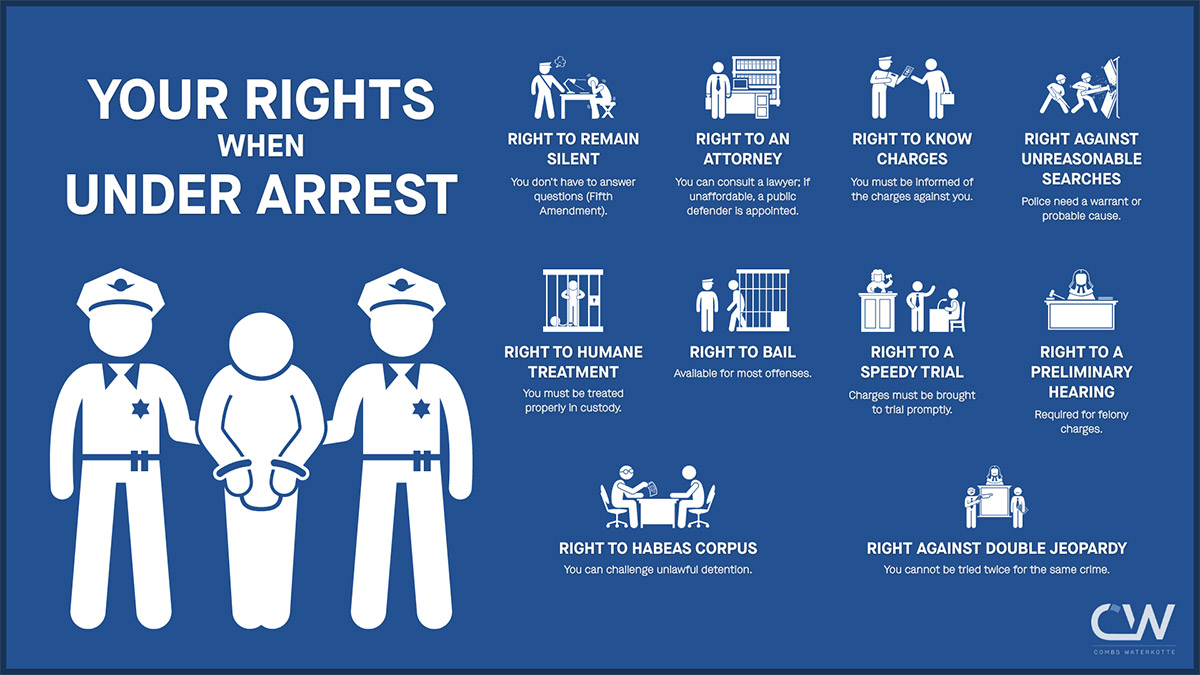
What to Expect in the Federal Criminal Process in New Hampshire
Being charged in federal court is a completely different experience from state-level prosecution. The process often begins long before a person is even arrested.
Here’s what usually happens in a federal criminal case:
Step 1: Investigation
Federal law enforcement investigations typically begin quietly and last for months. Agencies like the FBI, DEA, or IRS may monitor bank accounts, intercept communications, or build a case over months – even years – before making an arrest.
Most common mistake: Delaying legal help until after you’ve been charged — rather than acting during the investigation. The earlier we’re involved, the more we can do to protect you.
Step 2: Indictment
Once federal prosecutors think they have a strong case, they take it before a grand jury.
When the grand jury returns an indictment, it means formal federal charges are filed — frequently the first moment a person realizes they’re in serious legal jeopardy.
Step 3: Arraignment and Pretrial Motions
You’ll appear in court to enter a plea. At this stage, your attorney begins building your defense — potentially suppressing evidence, contesting the charges, or securing better pretrial conditions.
A proactive defense at this point can lead to full dismissal of charges before trial.
Step 4: Plea Negotiations or Trial
Many federal cases end in a plea agreement, but not all. We prepare every case as if it’s going to trial, and we’re ready to present your defense when that day comes.
Successfully navigating a trial takes mastery of federal evidence rules, strategic litigation planning, and strong courtroom presence.
Step 5: Sentencing (if applicable)
Federal judges rely on detailed sentencing rules set by the Guidelines, considering both the harm done and your record.
In some cases, mandatory minimums limit the judge’s discretion — increasing the stakes at sentencing.
Step 6: Appeals (if applicable)
A successful appeal requires an experienced advocate who understands how to spot legal errors and argue them in the appellate court system.
In summary:
Federal criminal cases move quickly and follow strict procedural rules. You need someone ready to match the federal government’s resources with experience, strategy, and relentless advocacy.
How Our New Hampshire Federal Criminal Defense Lawyer Approach Federal Cases
Successfully handling a federal case takes more than knowing the law – it requires timing, strategy, and the ability to respond to an aggressive and complex system.
Our approach is built around early intervention, thorough investigation, and focused and aggressive client-centered advocacy.
Step 1: Early Intervention
Don’t wait until it’s too late — the right time to get legal help is before you’re formally charged. If you’ve received a target letter, grand jury subpoena, or visit from federal agents, it likely means an indictment is being prepared.
Our role starts with direct communication with the prosecution, asserting your rights, and helping shape the case before charges are finalized.
Step 2: Strategic Investigation
Rather than reacting to the government’s version of events, we launch our own investigation immediately. We collaborate with private investigators, forensic analysts, and expert witnesses to find what the prosecution missed — and use it to your advantage.
Step 3: Realistic Negotiation
When the evidence is stacked and mandatory minimums loom, negotiating a favorable plea can prevent catastrophic sentencing.
Our team balances plea negotiations with trial preparation, ensuring we don’t give up leverage while staying ready to go to court.
You’ll get the facts, the risks, and the strategy — but the choice is always yours.
Step 4: Trial Readiness
If trial becomes unavoidable, you’ll have a team with real federal jury trial experience — not just negotiation skills. We develop persuasive narratives, challenge government witnesses, and present your case clearly and forcefully to a federal jury.
Step 5: Sentencing Advocacy
Even if a conviction happens, we continue to fight for you during sentencing. We prepare detailed sentencing memoranda, present mitigating factors, and argue for the lowest possible penalties under the Federal Sentencing Guidelines (or outside of them when appropriate).

Free book
How to Choose a Criminal Defense Lawyer
Charged with a crime? The lawyer you hire matters. Combs Waterkotte, recognized for top-tier criminal defense in Missouri and Illinois, created this guide to help you find the right attorney. Learn what to look for, key questions to ask, and red flags to avoid.
Why Choose Us to Defend Your [city] Federal Crime?
When the federal government targets you, the last thing you need is a defense lawyer who isn’t familiar with the system or the stakes. Clients throughout New Hampshire, have trusted us to defend them against aggressive federal investigations and devastating legal threats.
Why our firm stands out:
- Focused federal experience
With extensive experience in federal court in and around New Hampshire, we understand the procedural nuances and personalities that shape federal outcomes here. - Serious strategy, not surface-level support
From grand jury subpoenas to trial advocacy and sentencing mitigation, we tailor every step of your defense to the unique realities of federal prosecution and the facts of your case. - Responsive, personal service
Our New Hampshire federal criminal defense lawyers see you as more than just a case number. We answer our phones 24/7, return calls, explain things in plain English, and treat your situation with the urgency and attention it deserves. - Results that matter
Our track record includes dropped charges, smart plea deals, and not-guilty verdicts — real outcomes that have changed lives.
Take Action Now – Call a Federal Criminal Defense Lawyer in New Hampshire Now
Facing a federal investigation or indictment in New Hampshire? Every second counts. One wrong move early on can make your defense harder — but early legal action gives you power and control.
Get a free, discreet consultation — no pressure, just answers about where you stand and how we can help. Whether you’ve been indicted, contacted by agents, or served with a subpoena, Combs Waterkotte’s New Hampshire team is ready to defend you — fast.
Call (314) 900-HELP or connect online — and let’s start fighting for your future now.

