Class C Felonies Lawyer St. Charles County, MO
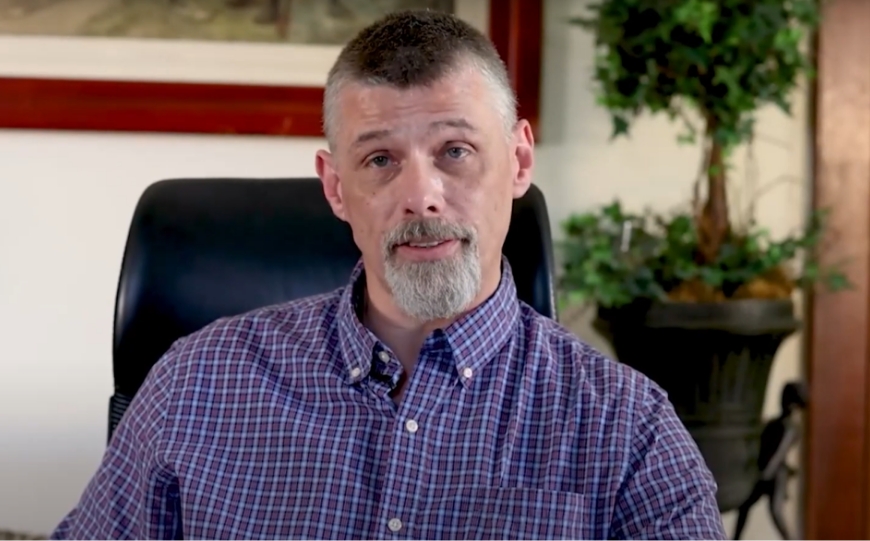
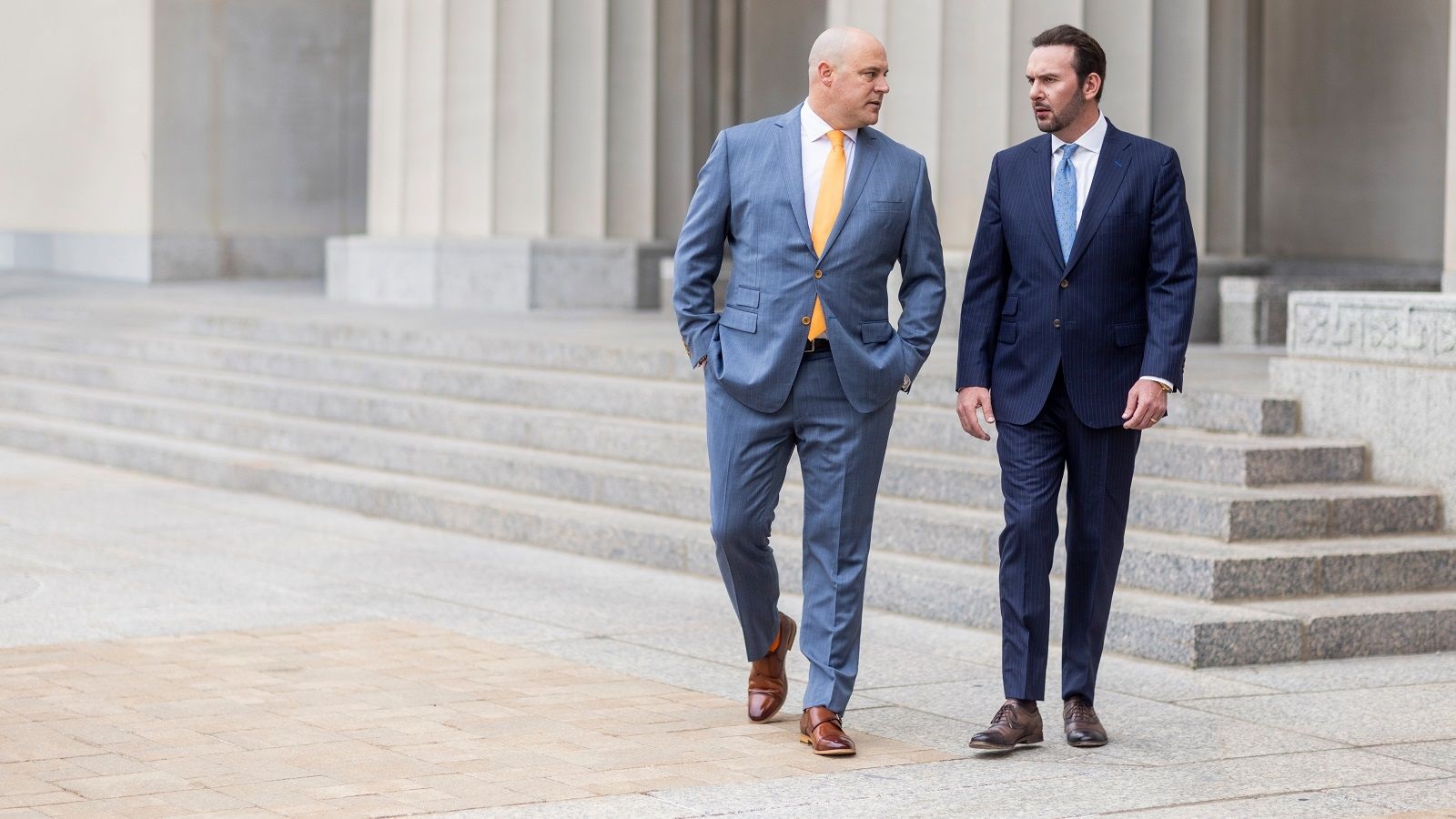
Charged with a Class C felony in St. Charles County, Missouri? Our criminal defense team at Combs Waterkotte has more than 100 years of combined legal experience and is prepared to help you navigate the legal process. Call us for a free case evaluation today.
TO COMBS WATERKOTTE,YOU ARE WHY WE EXIST.


Class C Felonies Lawyer St. Charles County, Missouri
A Class C felony offense carries a prison sentence of 3-10 years in Missouri. Additionally, a Class C felony conviction can have serious consequences beyond incarceration, affecting your employment, reputation, and other potential life opportunities.
If you are facing a Class C felony charge that threatens your freedom and future, our legal team at Combs Waterkotte is prepared to protect your rights and help you navigate the legal system. We have extensive knowledge of Missouri criminal law and will work to build a strong defense tailored to the circumstances of your case. For a free case evaluation with our Class C felonies lawyers, contact our office at (314) 900-HELP today.

I owe my life to Combs Waterkotte. If not for them, I would be spending the rest of my life behind bars. There is no amount of words that can explain what they did for me and my family. Its the highest recommendation that I can give.
Alexander B.
Felonies
Verify on

If I could give Steve and his team 10 stars I would in a heartbeat. Was facing more then one felony charge and after these guys found the arresting officer violated my 4th Amendment Rights and those charges were dismissed. My family and I can't thank you enough.
Dean J
Felonies
Verify on
I was hands down guilty. ON VIDEO !!! In a smaller town, and a job dealing with the public, this was devastating. I made one phone call and spoke for maybe 15 minutes. I DIDN'T appear in court. I am extremely impressed. QUIETLY relieved of the matter!
Y.I.V.
Theft
Verify on
My fiance had a felony drug charge and Combs Waterkotte got it dismissed! There were no fines, court cost, nothing. Chris is loyal, professional, knowledgeable, and a man of his word. We are forever grateful for you.
Kimberly T.
Drug Crimes
Verify on
If I was found guilty, it would have been over 100 years in prison. They promised me that they would fight like hell and get me out of it. After everything was done, I just felt free. Like this wasn’t gonna end with me rotting away in a prison cell. I felt like I could start my life and have a fresh start.
Caleb
Assault 1st, Armed Criminal Action
Verify on
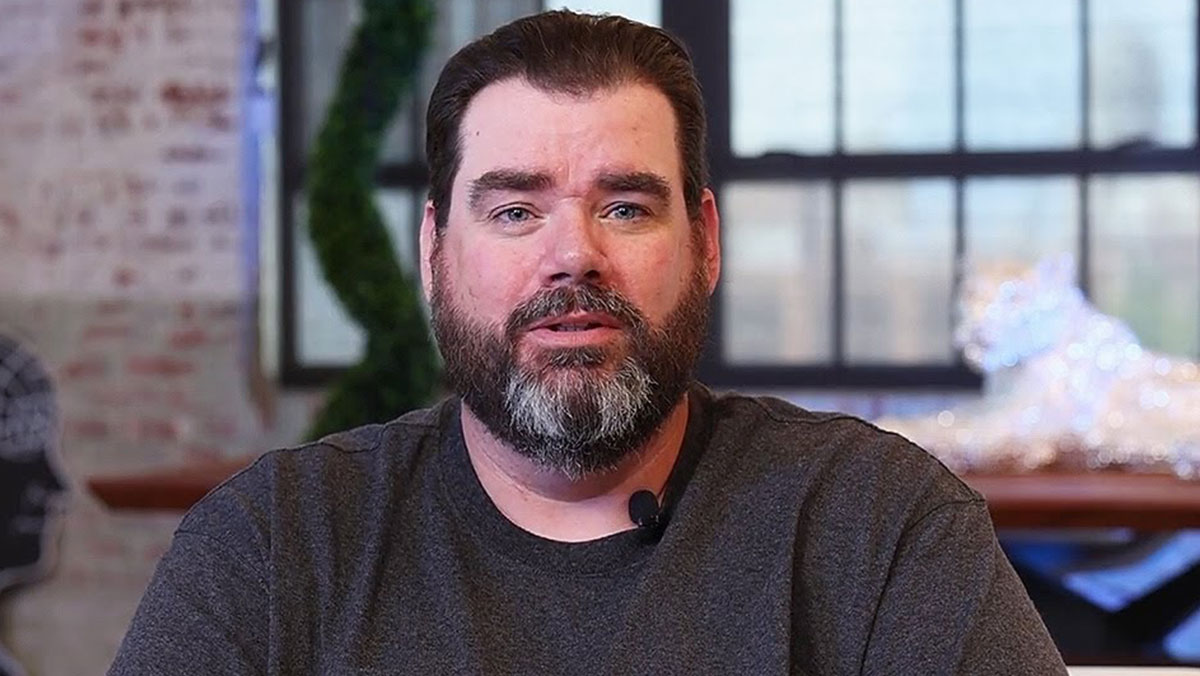
I was facing, probably 18 years… I actually got 5 years probation and 40 hours of community service. Without Combs Waterkotte’s help, I don’t think my family could have made it without me. It was just a written book to where it's a perfect ending.
Chris
Unlawful Use of a Weapon, Armed Criminal Action
Verify on
I went through what was supposed to be one of the top law firms in St. Louis. They said I wouldn't have no chance. I end up firing the other lawyer and everything and going with Chris. I felt like Combs Waterkotte actually did something for me and wasn't I wasn't just another number on somebody's desk.
Willy
DWI/DUI
Verify onI owe my life to Combs Waterkotte. If not for them, I would be spending the rest of my life behind bars. There is no amount of words that can explain what they did for me and my family. Its the highest recommendation that I can give.
Alexander B.
Felonies
If I could give Steve and his team 10 stars I would in a heartbeat. Was facing more then one felony charge and after these guys found the arresting officer violated my 4th Amendment Rights and those charges were dismissed. My family and I can't thank you enough.
Dean J
Felonies
I was hands down guilty. ON VIDEO !!! In a smaller town, and a job dealing with the public, this was devastating. I made one phone call and spoke for maybe 15 minutes. I DIDN'T appear in court. I am extremely impressed. QUIETLY relieved of the matter!
Y.I.V.
Theft
My fiance had a felony drug charge and Combs Waterkotte got it dismissed! There were no fines, court cost, nothing. Chris is loyal, professional, knowledgeable, and a man of his word. We are forever grateful for you.
Kimberly T.
Drug Crimes
If I was found guilty, it would have been over 100 years in prison. They promised me that they would fight like hell and get me out of it. After everything was done, I just felt free. Like this wasn’t gonna end with me rotting away in a prison cell. I felt like I could start my life and have a fresh start.
Caleb
Assault 1st, Armed Criminal Action
I was facing, probably 18 years… I actually got 5 years probation and 40 hours of community service. Without Combs Waterkotte’s help, I don’t think my family could have made it without me. It was just a written book to where it's a perfect ending.
Chris
Unlawful Use of a Weapon, Armed Criminal Action
I went through what was supposed to be one of the top law firms in St. Louis. They said I wouldn't have no chance. I end up firing the other lawyer and everything and going with Chris. I felt like Combs Waterkotte actually did something for me and wasn't I wasn't just another number on somebody's desk.
Willy
DWI/DUI
What is a Class C Felony?
A Class C felony is a mid-level felony offense carrying between 3-10 years in prison. Section 558.011 of the Revised Statutes of Missouri (RSMo) outlines other potential penalties such as a fine up to $10,000 and 30-50% of your sentence to be served before becoming eligible for parole.
Class C felony offenses frequently fall into the categories of violent, financial and drug-related crimes.

“I was charged with a felony… [Combs Waterkotte] was able to get it to a misdemeanor and a fine. It was more than expected. I was so happy with the outcome of my case and I cannot thank [the firm] enough.”
-V.V. | Combs Waterkotte Client
What Charges Qualify as a Class C Felony?
In Missouri, a Class C felony charge can involve a variety of offenses including:
- Stealing: When the value of property or services stolen is $25,000 or more.
- First-Degree Involuntary Manslaughter: When another person’s death is caused recklessly, as covered by Missouri law.
- DWI: When a case involves a repeat offender, death or serious injury.
- Drug Trafficking in the Second Degree: When a case involves specific controlled substances and quantities.
- Certain Firearm Offenses: Some unlawful firearm possession offenses may qualify, depending on the person’s criminal record.
- First-Degree Sexual Abuse: Generally a Class C felony, but it can be elevated to a Class B felony offense depending on the circumstances surrounding the case.
- Certain Second-Degree Burglary Cases: For entry into a motor vehicle with a firearm or theft of a firearm from the vehicle.
Why Combs Waterkotte is the best Law firm for your case.
Real results for people just like you.

Class C Felony Cases in St. Charles County
If you’re facing a Class C felony charge in St. Charles County, understanding the local court system can help you prepare for the legal process. Several local factors are relevant to criminal cases:
- Local Court Jurisdiction: St. Charles County criminal cases are generally handled by the Missouri 11th Judicial Circuit, which serves St. Charles County.
- Courthouse Location: The St. Charles County Courthouse is located at 300 North Second Street in St. Charles, Missouri. The Circuit Clerk’s Office, located in Suite 217, provides access to case information and court records.
- A Significant Criminal Caseload: In 2025, the 11th Judicial Circuit reported more than 8,000 new criminal cases filed and more than 7,100 resolved.
- Court Scheduling and Case Timelines: According to the circuit’s presiding judge, the volume of cases can contribute to delays, and some criminal cases may take a year or longer to reach resolution. Actual timelines vary based on the case and court schedule.
- Local Legal Representation: Our attorneys at Combs Waterkotte are familiar with Missouri criminal law and the St. Charles County court process and can help you understand your upcoming hearings, evaluate the evidence in your case, identify potential defenses, and assess available options for resolving your case.
What Penalties Could I Face?
Depending on the circumstances surrounding your charges, you could face several different penalties including:
- Imprisonment: Between 3-10 years in the Missouri Department of Corrections.
- Fines: Up to $10,000 or double the financial gain of the offense.
- Parole/Conditional Release: Between 30-50% of your sentence must be served before being eligible for parole.
- Probation or Alternative Sentencing: Some defendants may qualify for probation or other sentencing alternatives, depending on the offense and their circumstances.
- Enhanced Sentencing: Prior convictions or qualifying offender status may increase the potential sentence.
- Restitution and Court Costs: A court may order payment of restitution to victims and applicable court costs.
- Civil Rights Impact: The loss of certain rights such as voting while incarcerated, jury service, firearm ownership and impact on your employment.
How Does the St. Charles County Court Process Work?
When someone is arrested on suspicion of a Class C felony in St. Charles County, Missouri, law enforcement may take them into custody under an arrest warrant or make an arrest without a warrant when legally permitted. Following an arrest, the individual may be transported to the St. Charles County Department of Corrections Adult Detention Facility for booking and processing. The case will generally proceed through Missouri’s 11th Judicial Circuit Court, depending on how the charges are filed and the circumstances of the case.
Class C felony cases typically involve several stages of criminal proceedings, including:
- Initial Court Appearance and Release Conditions: A judge may address the allegations, the defendant’s legal representation, and whether the defendant can be released from custody under bond or other conditions.
- Probable Cause Review and Preliminary Hearing: When a felony case begins with a criminal complaint, a preliminary hearing generally determines whether sufficient evidence exists to proceed. A defendant may waive this hearing, and it generally is not required when the case proceeds through a grand jury indictment.
- Arraignment: The defendant is formally advised of the charges and enters a plea. The court may also address scheduling and other procedural matters.
- Pretrial Proceedings: The prosecution and defense may exchange evidence, file motions, challenge the admissibility of evidence, and negotiate a possible plea agreement.
- Trial or Case Resolution: If the case is not resolved through a negotiated agreement or dismissed, it may proceed to trial. If the defendant is convicted or pleads guilty, the court will address sentencing.
What Defenses May be Available?
When you turn to Combs Waterkotte to handle your felony case, we take the time to examine every aspect of your case to determine which defenses might best apply to you.
Examples of defenses that may be available in a Class C felony case include:
- Insufficient Evidence: The state must prove every element of a criminal charge beyond a reasonable doubt. When the evidence is unreliable or fails to establish an essential element of the alleged crime, the prosecution may be unable to obtain a conviction.
- Unlawful Search and Seizure: If law enforcement obtained evidence through an unconstitutional search or seizure, an attorney may be able to suppress that evidence.
- Alibi: Evidence showing that you were in another location when the alleged offense occurred may contradict the prosecution’s account and help establish that you could not have committed the crime.
- Mistaken Identity or False Accusations: If you have been incorrectly identified or falsely accused, your defense attorney may challenge the reliability of eyewitness testimony, surveillance recordings, and other evidence allegedly connecting you to the offense.
- Self-Defense or Defense of Others: In cases involving allegations such as third-degree assault, you may be able to argue that you reasonably believed using force was necessary to protect yourself or someone else from unlawful force that was occurring or about to occur.
- Lack of Required Mental State: Certain crimes require the prosecution to prove that you acted knowingly, purposely, or with criminal negligence. If the state cannot establish the required mental state beyond a reasonable doubt, it may not be able to prove the charged offense.
- Unreliable Witness or Forensic Evidence: Inconsistencies in witness accounts, questionable forensic methods, or problems with how evidence was collected and handled may provide grounds to challenge the prosecution’s evidence.
Can the Charge be Reduced or Dismissed?
Yes, a Class C felony offense may be reduced or dismissed.
An experienced criminal defense attorney can review the evidence, identify weaknesses in the prosecution’s case, challenge evidence obtained unlawfully, and negotiate with the prosecutor when appropriate. If the evidence fails to establish the alleged offense or a legal issue undermines the prosecution’s case, dismissal may be possible.
Plea negotiations may be able to accomplish:
- A Reduction of Charges: You may be able to plead guilty to a lesser or related offense, potentially reducing the severity of the conviction and its penalties.
- A Resolution of Charges: The prosecutor may agree to dismiss other counts in exchange for a guilty plea to an agreed-upon offense.
- A More Favorable Sentence: The prosecutor may recommend a particular sentence or agree not to oppose the defense’s sentencing request. The judge’s authority to accept or reject the proposed terms depends on the type of plea agreement.
How do Prior Convictions Affect Sentencing?
If you are classified as a persistent offender, and convicted of a Class C felony offense, you may face the sentencing range for a Class B felony, which carries a potential prison term of 5 to 15 years. Other statutory enhancements may also apply, depending on the offense and your record.
Prior convictions do not automatically mean you will receive the maximum sentence, however. The impact depends on the applicable law, the nature and timing of your prior convictions, and the circumstances of your current case.
At Combs Waterkotte, our Class C felonies lawyers can review your criminal record, evaluate whether an enhanced sentence is legally authorized, and advocate for the most favorable outcome available, on your behalf.
What are the Long-Term Consequences of a Class C Felony Conviction?
Beyond facing prison time and fines, you can also face collateral consequences to other areas of your life such as:
- Your Employment and Professional Licensing: Background checks, job opportunities, career advancement, and eligibility for certain professional licenses may all be affected.
- Your Civil Rights: This includes your firearm possession, jury service, voting eligibility, and eligibility for certain public offices.
- Your Housing and Financial Stability: Rental applications, access to certain public housing programs, and financial security may all be affected.
- Your Education and Public Benefits: Eligibility for certain student aid, public assistance programs, or benefits during incarceration may all be affected.
- Your Family and Parental Rights: Child custody, parenting time, and other family court matters could all be adversely impacted, depending on the circumstances.
- Your Immigration and Travel: Immigration status, deportation risk, or entry into certain foreign countries for noncitizens can all be jeopardized.
- Your Future Legal Options: You may face enhanced penalties for subsequent offenses and limitations on eligibility for expungement.
- Your Personal Reputation: Damage to your professional credibility, personal relationships, and standing in the community may all occur.
- Offense-Specific Restrictions: Sex offender registration requirements or restrictions can impact your eligibility for employment, ability to participate in certain social activities, or frequent certain locations.
Class C Felony Frequently Asked Questions
Can I get probation for a Class C felony in Missouri?
Yes, probation may be available for some Class C felony convictions. Eligibility depends on the offense, the defendant’s criminal history, and applicable sentencing restrictions. A judge determines whether probation is appropriate and may impose conditions such as supervision, treatment, or community service.
Can I be released on bond while facing a Class C felony charge?
Possibly. A judge may allow release on bond or other conditions while the case is pending. The decision depends on factors such as the nature of the charge, the defendant’s criminal history, and concerns about court appearances or public safety. Release is not guaranteed in every case.
How long does a Class C felony case take in St. Charles County?
The timeline varies depending on the complexity of the allegations, the amount of evidence, court scheduling, and whether the case proceeds to trial. Some cases resolve through plea negotiations, while others require additional hearings and a trial. An attorney familiar with the case can provide a more informed estimate of the likely timeline.
Can a Class C felony conviction be expunged in Missouri?
Some Class C felony convictions may qualify for expungement, but eligibility depends on the specific offense and the defendant’s circumstances. Missouri’s general expungement law generally requires at least three years to pass after completion of the sentence or other authorized disposition, along with additional conditions. Certain offenses are excluded, so not every Class C felony conviction can be expunged.
What should I do if police want to question me about a potential felony?
You can clearly state that you wish to remain silent and want to speak with an attorney before answering questions. Avoid discussing the allegations with investigators until you have received legal advice. Contacting a criminal defense attorney promptly can help you understand your rights and avoid actions that could harm your defense.
Why Choose Combs Waterkotte?

Read More:

Read More:
- 100+ Years of Combined Legal Experience: A seasoned criminal defense team with extensive knowledge of Missouri criminal law.
- 10,000+ Cases Handled: Broad experience navigating criminal cases and developing defense strategies tailored to each client’s circumstances.
- Trial-Ready Defense Strategies: Preparing cases for trial while pursuing favorable resolutions through negotiations when appropriate.
- Investigative and Forensic Resources: Access to investigators and forensic experts who can help examine evidence, challenge the prosecution’s case, and identify weaknesses.
- Personalized Legal Representation: Defense strategies built around the specific charges, evidence, and circumstances of each case.
- 24/7 Availability: Accessible legal support when urgent questions or concerns arise.
- Clear Communication: Guidance throughout the criminal justice process so clients understand their options and the next steps in their cases.
- Commitment to Protecting Your Future: Focused advocacy to protect clients’ rights, freedom, and long-term interests when facing serious felony charges.
Call Our Class C Felonies Defense Lawyers Today!

A Class C felony charge in St. Charles County can put your freedom, reputation, and future at risk. Taking prompt action can help you understand your options and develop a defense strategy tailored to your circumstances.
At Combs Waterkotte, our criminal defense attorneys are committed to protecting your rights, challenging the prosecution’s case, and pursuing the most favorable outcome possible. With more than 100 years of combined legal experience, our team is ready to advocate for you at every stage of the criminal justice process.
Contact our St. Charles County Class C felony defense lawyers today at (314) 900-HELP to schedule a free consultation and discuss how we can help.
Resources
For information about Class C felony charges in St. Charles County, Missouri, call Combs Waterkotte at (314) 900-HELP or contact us online for a confidential consultation.
Class C Felony Sentences Under Missouri Law
St. Charles County Felony Defense Lawyers
Class C Felonies in St. Louis, Missouri
11th Judicial Circuit Court in St. Charles County
St. Charles County Circuit Clerk
Missouri Criminal Defense Strategies
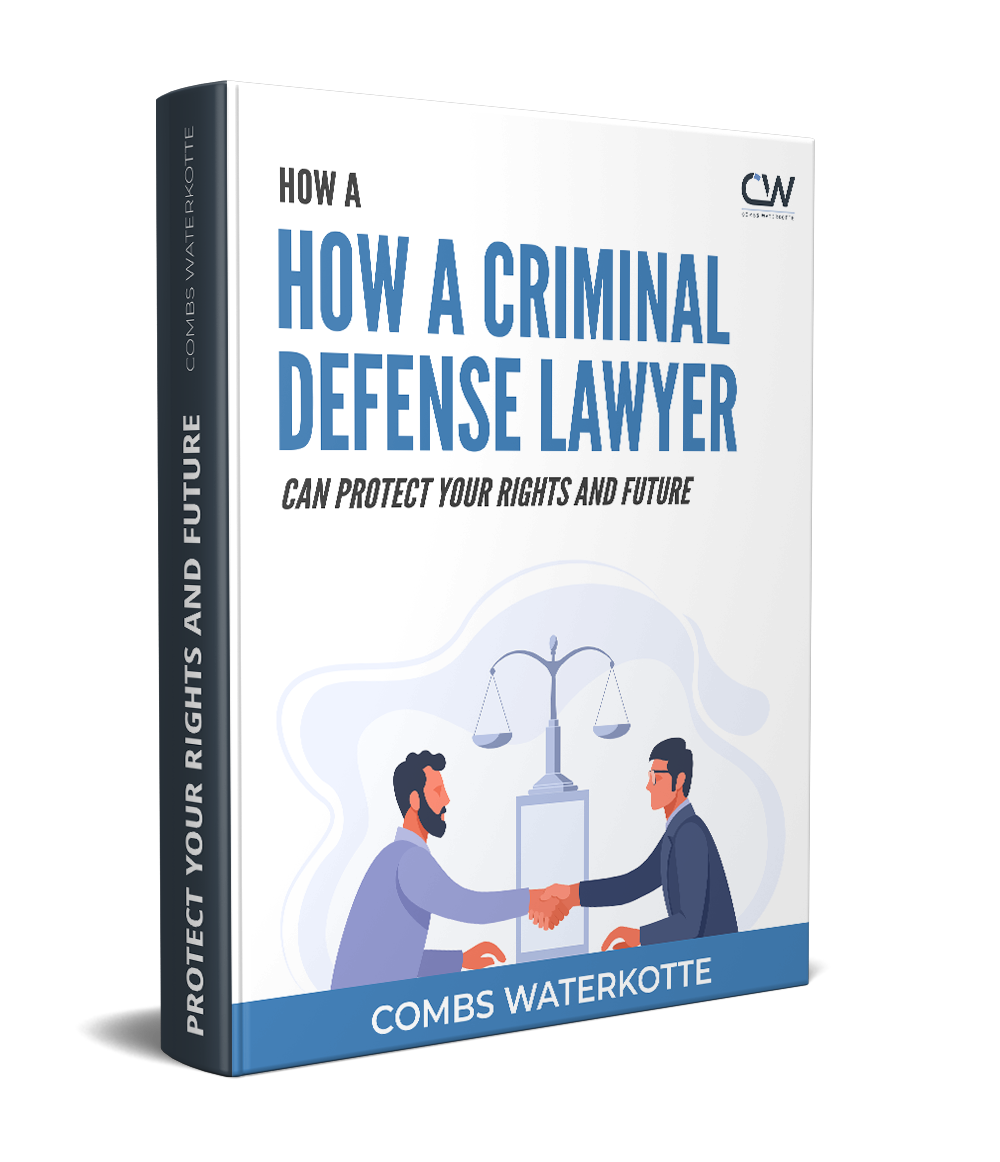
Free book
How a Criminal Defense Attorney Can Protect Your Rights and Future
Combs Waterkotte has over 80 years of experience and over 10,000 cases handled. This ebook helps guide you through the criminal defense process and how an experienced, skilled defense attorney can keep your freedoms intact.