

Second Degree Drug Trafficking Lawyer in Kansas City, MO
Reach out to Combs Waterkotte online for a free consultation or give us a call at (314) 900-HELP to start building your second degree drug trafficking charges defense.
TO COMBS WATERKOTTE,YOU ARE WHY WE EXIST.


Second Degree Drug Trafficking Lawyer in Kansas City, MO
Facing a second degree drug trafficking charge in Kansas City, Missouri is a stressful, difficult experience. Prosecutors in Jackson County take drug charges incredibly seriously, and a conviction can mean years in prison and the loss of certain civil rights. The best thing to do if you’ve been arrested or charged is to get in touch with an attorney immediately.
Combs Waterkotte’s Kansas City drug crime lawyers can examine the evidence behind the accusation, challenge an unsupported charge, and fight for your freedom. Call (314) 900-HELP or contact us online for a free, confidential consultation today.

I owe my life to Combs Waterkotte. If not for them, I would be spending the rest of my life behind bars. There is no amount of words that can explain what they did for me and my family. Its the highest recommendation that I can give.
Alexander B.
Felonies
Verify on

If I could give Steve and his team 10 stars I would in a heartbeat. Was facing more then one felony charge and after these guys found the arresting officer violated my 4th Amendment Rights and those charges were dismissed. My family and I can't thank you enough.
Dean J
Felonies
Verify on
I was hands down guilty. ON VIDEO !!! In a smaller town, and a job dealing with the public, this was devastating. I made one phone call and spoke for maybe 15 minutes. I DIDN'T appear in court. I am extremely impressed. QUIETLY relieved of the matter!
Y.I.V.
Theft
Verify on
My fiance had a felony drug charge and Combs Waterkotte got it dismissed! There were no fines, court cost, nothing. Chris is loyal, professional, knowledgeable, and a man of his word. We are forever grateful for you.
Kimberly T.
Drug Crimes
Verify on
If I was found guilty, it would have been over 100 years in prison. They promised me that they would fight like hell and get me out of it. After everything was done, I just felt free. Like this wasn’t gonna end with me rotting away in a prison cell. I felt like I could start my life and have a fresh start.
Caleb
Assault 1st, Armed Criminal Action
Verify on
I was facing, probably 18 years… I actually got 5 years probation and 40 hours of community service. Without Combs Waterkotte’s help, I don’t think my family could have made it without me. It was just a written book to where it's a perfect ending.
Chris
Unlawful Use of a Weapon, Armed Criminal Action
Verify on
I went through what was supposed to be one of the top law firms in St. Louis. They said I wouldn't have no chance. I end up firing the other lawyer and everything and going with Chris. I felt like Combs Waterkotte actually did something for me and wasn't I wasn't just another number on somebody's desk.
Willy
DWI/DUI
Verify onI owe my life to Combs Waterkotte. If not for them, I would be spending the rest of my life behind bars. There is no amount of words that can explain what they did for me and my family. Its the highest recommendation that I can give.
Alexander B.
Felonies
If I could give Steve and his team 10 stars I would in a heartbeat. Was facing more then one felony charge and after these guys found the arresting officer violated my 4th Amendment Rights and those charges were dismissed. My family and I can't thank you enough.
Dean J
Felonies
I was hands down guilty. ON VIDEO !!! In a smaller town, and a job dealing with the public, this was devastating. I made one phone call and spoke for maybe 15 minutes. I DIDN'T appear in court. I am extremely impressed. QUIETLY relieved of the matter!
Y.I.V.
Theft
My fiance had a felony drug charge and Combs Waterkotte got it dismissed! There were no fines, court cost, nothing. Chris is loyal, professional, knowledgeable, and a man of his word. We are forever grateful for you.
Kimberly T.
Drug Crimes
If I was found guilty, it would have been over 100 years in prison. They promised me that they would fight like hell and get me out of it. After everything was done, I just felt free. Like this wasn’t gonna end with me rotting away in a prison cell. I felt like I could start my life and have a fresh start.
Caleb
Assault 1st, Armed Criminal Action
I was facing, probably 18 years… I actually got 5 years probation and 40 hours of community service. Without Combs Waterkotte’s help, I don’t think my family could have made it without me. It was just a written book to where it's a perfect ending.
Chris
Unlawful Use of a Weapon, Armed Criminal Action
I went through what was supposed to be one of the top law firms in St. Louis. They said I wouldn't have no chance. I end up firing the other lawyer and everything and going with Chris. I felt like Combs Waterkotte actually did something for me and wasn't I wasn't just another number on somebody's desk.
Willy
DWI/DUI
What Is Second Degree Drug Trafficking in Kansas City, Missouri?
Under RSMo §579.068, second-degree trafficking involves knowingly doing any of the following with specified quantities of listed drugs and without legal authorization:
- Possessing drugs or having them under your control
- Purchasing (or attempting to purchase) illegal drugs
- Bringing illicit drugs into the state of Missouri

Reach out to Combs Waterkotte online for a free consultation or give us a call at (314) 900-HELP to start building your second degree drug trafficking charges defense.
To face these charges, prosecutors don’t have to prove that you intended to sell or distribute anything. For example, possession of qualifying controlled substances entirely within Kansas City can result in a charge. Crossing the Kansas-Missouri line is not required for a trafficking offense (though interstate activity can increase the severity of the charge).
Second Degree Trafficking vs. First-Degree Trafficking
The distinction between first and second degree drug trafficking in Kansas City revolves around your alleged conduct, not simply the amount of drugs seized. First-degree trafficking involves distributing, delivering, manufacturing, and producing, while second degree drug trafficking hinges on possessing or buying drugs. The same drug quantity can support a different trafficking charge depending on what prosecutors allege you did.
How Mixture Weights Affect Drug Trafficking Charges
Most drug trafficking thresholds cover the weight of the substance mixture, not just the weight of the pure drug itself. For example, 40 grams of a substance containing heroin can cross the Class C felony threshold even when the heroin itself weighs much less.
Some Missouri scheduled drugs do not appear in the second degree drug trafficking statute. Still, drugs outside this list or quantities below trafficking thresholds may still result in other drug charges, like drug possession or drug delivery.
Which Drugs and Quantities Trigger Second Degree Trafficking?
According to Missouri’s second degree trafficking statute, second degree drug trafficking is charged as a Class B felony or Class C felony in Kansas City. The charge you face depends on the type and weight of the alleged substance as outlined in the following table:
| Trafficked Substance | Class C Felony Amount | Class B Felony Amount |
|---|---|---|
| Heroin | More than 30 grams | 90 grams or more |
| Cocaine | More than 150 grams | 450 grams or more |
| LSD | More than 500 milligrams | 1 gram or more |
| PCP (mixture) | More than 30 grams | 90 grams or more |
| PCP (pure) | More than 4 grams | 12 grams or more |
| Marijuana | More than 30 kilograms | 100 kilograms or more |
| Methamphetamine | More than 30 grams | 90 grams to 450 grams |
| MDMA (ecstasy) | More than 30 grams | 90 grams to 450 grams |
| Fentanyl | More than 3 milligrams | 14 milligrams or more |
| Carfentanil | Any amount | More than 0.05 milligrams |
It’s important to understand that your prior criminal history may affect the drug trafficking charge you face. Offenders with prior drug crime convictions may be subject to harsher penalties and longer prison sentences than those outlined in the table above.
Class A Quantities and Special Drug Rules
In some instances, second degree drug trafficking may be charged as a Class A felony. The felony charge you face for certain controlled substances may also increase under certain circumstances. Here are the three most important outliners to understand:
- Stimulants and MDMA: A mixture weighing 450 grams or more makes second degree drug trafficking a Class A felony
- Marijuana plants: More than 500 plants results in a Class B felony charge
- Flunitrazepam (Rohypnol): Trafficking even less than 1 gram is a Class C felony for a first offense and a Class B felony for subsequent offenses
Penalties for Second Degree Drug Trafficking in Kansas City, MO
A second degree drug trafficking conviction carries mid to high-level felony prison sentences in the state of Missouri. Depending on the alleged substance, its weight, and your criminal history, you may face any of the following:
| Felony classification | Authorized prison sentence |
|---|---|
| Class C felony | 3 to 10 years |
| Class B felony | 5 to 15 years |
| Class A felony | 10 to 30 years, or life imprisonment |
Prison time isn’t the only thing you have to worry about, either. Felony convictions in Kansas City can also carry a fine of up to $10,000. In addition, RSMo §558.002 authorizes extra fines based on up to twice the amount of money you made trafficking drugs.
How Prior Drug Offenses can Increase Sentencing Exposure
Missouri’s prior and persistent drug offender rules can substantially increase a second degree drug trafficking prison sentence. Under RSMo §579.170, the following enhancements are possible:
- One prior drug crime conviction: A Class C felony trafficking conviction receives the Class B felony imprisonment range
- Two or more prior drug crime convictions: A Class C or Class B felony trafficking conviction receives the Class A felony imprisonment range
The past convictions can come from Missouri, federal court, or even another state. Probation eligibility, treatment-based options, and release eligibility all depend on your criminal record. A first offense does not automatically guarantee the possibility of probation, which is why it’s critical to involve an attorney as early as possible.
How Kansas City Prosecutors Attempt to Connect the Drugs to You
Like any other criminal case, in a drug trafficking case, the state must prove the charged conduct, required knowledge, and qualifying drug identity and quantity beyond a reasonable doubt. In possession-based cases RSMo §195.010 distinguishes:
- Actual possession: Drugs on your person (or within easy reach and convenient control)
- Constructive possession: The power and intention to control drugs, either directly or through someone else, even without physically holding them
Both require knowledge of the substance’s presence. Possession can also be shared, which can make a defense more difficult. Saying the drugs belonged to someone else is different from showing you did not knowingly possess or control them.
To fight back against the prosecution, our attorneys examine where the drugs were found, who could access them, and whether any messages, recordings, fingerprints, or other evidence actually connect you to the alleged offense. Sharing an address or riding in a vehicle does not automatically mean you had the required knowledge or control.
Defenses Against Second Degree Drug Trafficking Charges
An effective defense against a drug trafficking charge challenges the evidence head on. Depending on the facts, Combs Waterkotte may pursue any of the following defense strategies in your case.
Challenging an Unlawful Stop or Search
We’ll review why officers stopped you, any search warrant, and the scope of the search itself. When police violate your rights, a motion to suppress may prevent the prosecution from using unlawfully obtained evidence. Be aware, though, that not every warrantless search is illegal and suppression of evidence from warrantless searches is not automatic.
Disputing Knowledge or Control
Drugs hidden in a borrowed car, a shared residence, or another person’s luggage raise different questions than drugs found in your pocket. We’ll investigate access to the drugs, vehicle and property ownership records, and witness accounts rather than accepting an officer’s assumption that everything nearby was yours.
Examining Lab Testing and Weight
We also have the capacity to review substance identification, sampling methods, measurement records, and the evidence’s chain of custody. We understand that a label on an evidence bag is not a substitute for reliable proof. Testing problems may undermine a trafficking charge or a higher felony classification (although lesser charges may still be possible).
Contesting an Alleged Purchase (or Attempted Purchase)
An attempt at a crime requires purposeful conduct with a substantial step, not just a vague conversation or plan. We can examine recordings, messages, informant credibility, and the quantity of drugs allegedly sought. An entrapment defense may apply when officers or induce you to do something you were not ready and willing to do.
Establishing Lawful Possession
Some substances in the trafficking statutes have legitimate medical uses. A valid prescription, practitioner’s order, or other authorization may establish lawful possession under RSMo §579.107. We can obtain the relevant records and assess whether the authorization actually covers the alleged substance.
What to Do After a Kansas City Second Degree Drug Trafficking Arrest
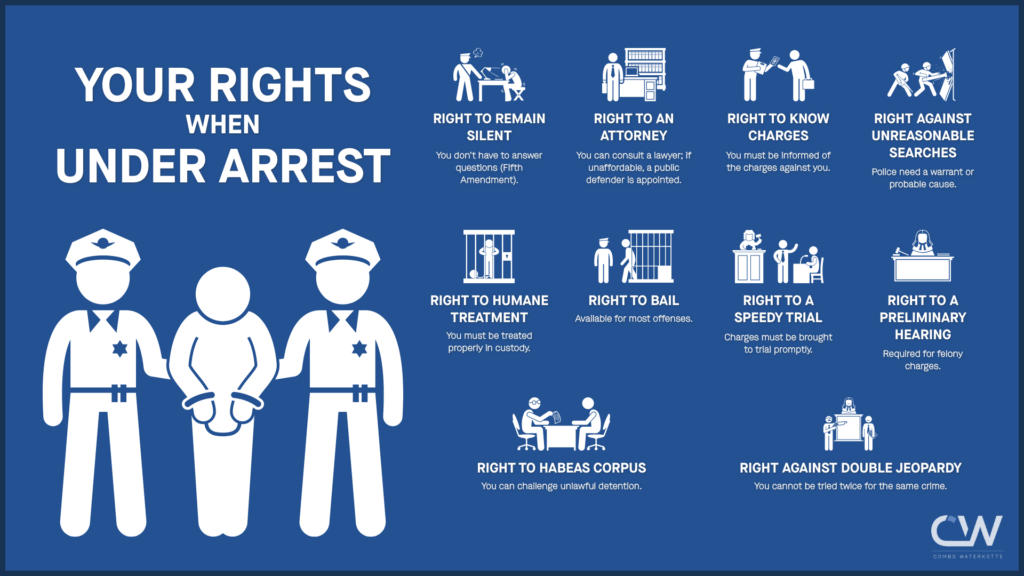
In a criminal case, it’s vital to give yourself as much coverage as possible. You can greatly help your defense against your second degree drug trafficking charges if you do the following during and after your arrest:
- Ask for a lawyer: This should be the first step for anyone arrested for or charged with a crime in Kansas City, Missouri.
- Invoke your right to remain silent: One of your Miranda rights is the right to remain silent. Use it at all times while interacting with police.
- Do not resist officers: Physically resisting police can result in additional charges. Avoid doing so at all costs.
- Preserve records: Keep messages, receipts, prescription records, and witness information. Do not delete any potential evidence.
- Follow release conditions: Attend court, obey bond restrictions, and keep your case’s details off of your social media accounts.


Why Choose Combs Waterkotte for Your Kansas City Drug Trafficking Case

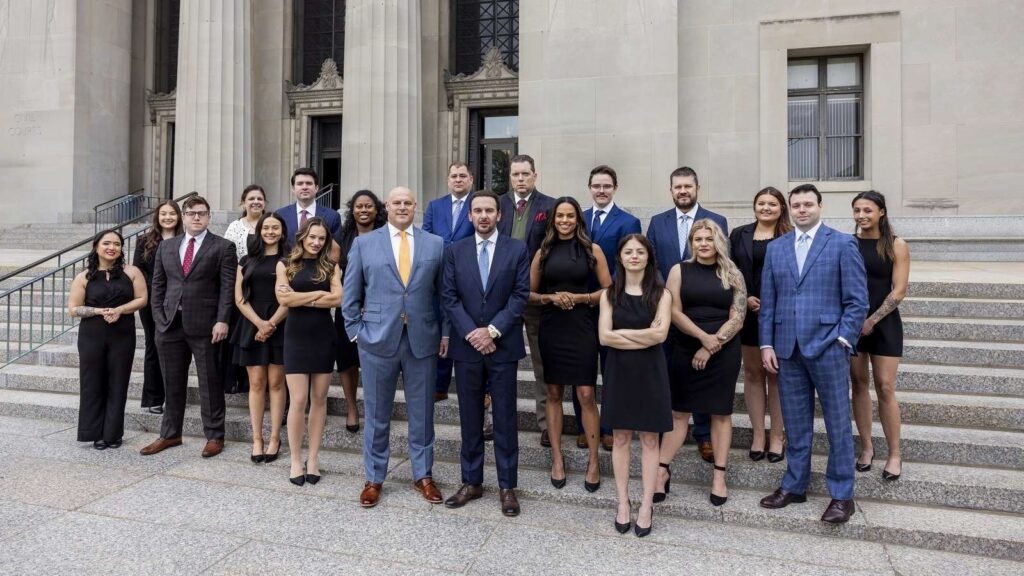
A drug trafficking accusation requires a complex, multi-tiered criminal defense. Combs Waterkotte represents people facing serious criminal charges in Kansas City, Jackson County, and throughout all of Missouri. When you hire us to handle your case, we listen to your account, investigate the state’s theory, and explain all of your options without judgment.


Read More:
Our trial-ready approach includes securing evidence, preparing witnesses, and evaluating expert review to create reasonable doubt. We use that preparation to seek charge dismissals, reduced sentences, or a negotiated outcome supported by the facts. We’ve handled over 15,000 criminal cases throughout Missouri, and we’re ready to take on yours immediately.
Contact a Kansas City Second Degree Drug Trafficking Lawyer
A second degree drug trafficking charge is serious. A conviction can alter the course of your life. You need a defense team that will examine the details in depth and explain what comes next at every step. Call Combs Waterkotte now at (314) 900-HELP or request a free, confidential consultation online into your Kansas City, Missouri second degree drug trafficking charges. We’re standing by to protect your freedom, your rights, and your future.
Resources
For more information on criminal defense in Kansas City or anywhere else in Missouri, call the Combs Waterkotte criminal defense attorneys right away at (314) 900-HELP or contact us online for a confidential consultation.
What Rights Do Felons Lose in Missouri?
Everything You Need to Know About Criminal Defense Cases in Missouri
Free book
From Possession to Trafficking: Your Guide to Fighting Drug Charges
Combs Waterkotte is a leading drug crimes defense firm in Missouri, known for handling high-stakes cases and delivering real results. With over 10,000 cases handled and more than one million days of jail time avoided, we know how to fight—and win—against serious drug charges. This guide is built from that experience.

