

Drug Crimes Lawyer Kansas City, MO
Hire the leading Criminal Defense Law Firm in Kansas City, MO to protect your freedom, rights, and future. Whether you have been charged with a crime or arrested, we can help.
TO COMBS WATERKOTTE,YOU ARE WHY WE EXIST.


Drug Crimes Lawyer in Kansas City, MO
A Kansas City drug investigation can quickly turn a traffic stop, home search, or intercepted package into a felony case with prison exposure and a lasting criminal record. The exact risk depends on the substance, quantity, alleged offense, location, and any prior criminal history. What looks like simple possession to you may be charged as a specific offense like delivery, manufacturing, or trafficking with decades of potential prison exposure.
At Combs Waterkotte, we approach these cases without judgment. We’ll listen to your account, work to protect your rights, examine how police obtained the evidence against you, and test whether the prosecution can prove knowledge, possession, and intent. Our goal is to build a defense around the facts of your case and help you get the best possible result.

I owe my life to Combs Waterkotte. If not for them, I would be spending the rest of my life behind bars. There is no amount of words that can explain what they did for me and my family. Its the highest recommendation that I can give.
Alexander B.
Felonies
Verify on

If I could give Steve and his team 10 stars I would in a heartbeat. Was facing more then one felony charge and after these guys found the arresting officer violated my 4th Amendment Rights and those charges were dismissed. My family and I can't thank you enough.
Dean J
Felonies
Verify on
I was hands down guilty. ON VIDEO !!! In a smaller town, and a job dealing with the public, this was devastating. I made one phone call and spoke for maybe 15 minutes. I DIDN'T appear in court. I am extremely impressed. QUIETLY relieved of the matter!
Y.I.V.
Theft
Verify on
My fiance had a felony drug charge and Combs Waterkotte got it dismissed! There were no fines, court cost, nothing. Chris is loyal, professional, knowledgeable, and a man of his word. We are forever grateful for you.
Kimberly T.
Drug Crimes
Verify on
If I was found guilty, it would have been over 100 years in prison. They promised me that they would fight like hell and get me out of it. After everything was done, I just felt free. Like this wasn’t gonna end with me rotting away in a prison cell. I felt like I could start my life and have a fresh start.
Caleb
Assault 1st, Armed Criminal Action
Verify on
I was facing, probably 18 years… I actually got 5 years probation and 40 hours of community service. Without Combs Waterkotte’s help, I don’t think my family could have made it without me. It was just a written book to where it's a perfect ending.
Chris
Unlawful Use of a Weapon, Armed Criminal Action
Verify on
I went through what was supposed to be one of the top law firms in St. Louis. They said I wouldn't have no chance. I end up firing the other lawyer and everything and going with Chris. I felt like Combs Waterkotte actually did something for me and wasn't I wasn't just another number on somebody's desk.
Willy
DWI/DUI
Verify onI owe my life to Combs Waterkotte. If not for them, I would be spending the rest of my life behind bars. There is no amount of words that can explain what they did for me and my family. Its the highest recommendation that I can give.
Alexander B.
Felonies
If I could give Steve and his team 10 stars I would in a heartbeat. Was facing more then one felony charge and after these guys found the arresting officer violated my 4th Amendment Rights and those charges were dismissed. My family and I can't thank you enough.
Dean J
Felonies
I was hands down guilty. ON VIDEO !!! In a smaller town, and a job dealing with the public, this was devastating. I made one phone call and spoke for maybe 15 minutes. I DIDN'T appear in court. I am extremely impressed. QUIETLY relieved of the matter!
Y.I.V.
Theft
My fiance had a felony drug charge and Combs Waterkotte got it dismissed! There were no fines, court cost, nothing. Chris is loyal, professional, knowledgeable, and a man of his word. We are forever grateful for you.
Kimberly T.
Drug Crimes
If I was found guilty, it would have been over 100 years in prison. They promised me that they would fight like hell and get me out of it. After everything was done, I just felt free. Like this wasn’t gonna end with me rotting away in a prison cell. I felt like I could start my life and have a fresh start.
Caleb
Assault 1st, Armed Criminal Action
I was facing, probably 18 years… I actually got 5 years probation and 40 hours of community service. Without Combs Waterkotte’s help, I don’t think my family could have made it without me. It was just a written book to where it's a perfect ending.
Chris
Unlawful Use of a Weapon, Armed Criminal Action
I went through what was supposed to be one of the top law firms in St. Louis. They said I wouldn't have no chance. I end up firing the other lawyer and everything and going with Chris. I felt like Combs Waterkotte actually did something for me and wasn't I wasn't just another number on somebody's desk.
Willy
DWI/DUI
What Constitutes a Drug Crime in Kansas City?
Missouri’s controlled-substance offenses cover a wide range of drug-related activity, including:
- Possession
- Delivery
- Manufacturing
- Trafficking
- Paraphernalia
- Fraudulent prescriptions
Many felony cases in Jackson County move through the 16th Judicial Circuit, but Kansas City’s jurisdiction includes other areas (like Cass County, Clay County, Platte County, and more) . A case’s venue depends on where the alleged conduct occurred.

Facing drug crime charges in Kansas City, Missouri? Call Combs Waterkotte today at (314) 900-HELP or contact our firm online.
A valid prescription may permit possession of a medication, and Missouri’s regulated medical and adult-use cannabis system changes how some marijuana conduct is treated. It does not legalize every form of possession, cultivation, transfer, or impaired driving, though. Depending on the investigation and alleged conduct, federal authorities may also pursue federal drug charges.
Federal law prohibits the unauthorized manufacture, distribution, and possession with intent to distribute drugs under 21 U.S.C. Section 841. An early review is especially important when local police, postal inspectors, or federal agents are involved.
Why Combs Waterkotte is the best Law firm for your case.
Real results for people just like you.

Common Kansas City, Missouri Drug Charges
Investigators may build drug allegations from controlled purchases, confidential informants, surveillance, intercepted parcels, or items found during a search. Each source has limits, though. A witness may have an incentive to cooperate, digital messages may lack context, and a substance found in a common area may not identify who possessed it.
Regardless of what conduct lead to your arrest, it’s important to understand the charges themselves in order to understand how to defend against them. Some of the most common Missouri drug offenses include the following.
Possession of a Controlled Substance
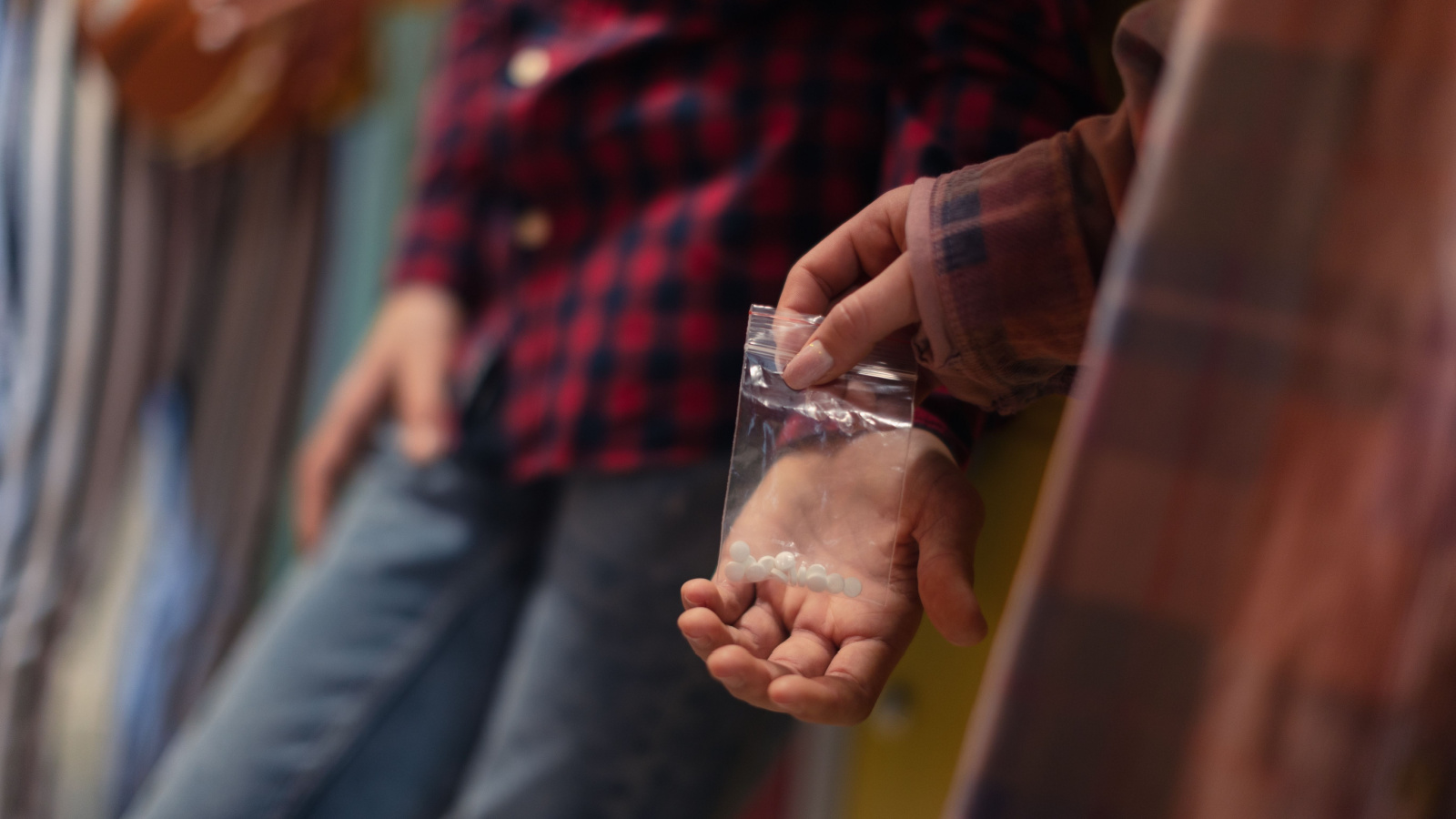
Missouri’s drug-possession statute requires the knowing possession or control of a controlled substance without legal authorization. Unauthorized possession of a controlled substance (other than marijuana and synthetic-cannabinoid exceptions) is typically a Class D felony. Finding drugs nearby on its on doesn’t necessarily prove who knew about them or controlled them, especially in a shared vehicle, residence, or hotel room.
Delivery or Possession With Intent to Deliver
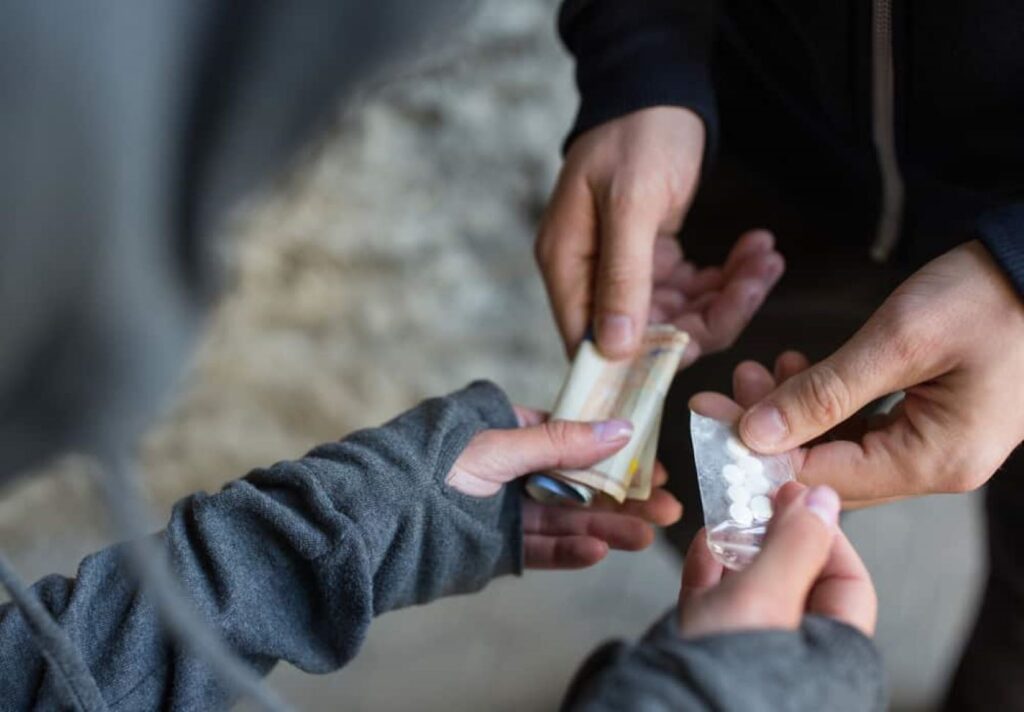
The delivery statute covers knowing distribution or delivery, attempted delivery, possession with intent to deliver, and specified conduct involving minors. A hand-to-hand sale is not required for prosecutors to allege delivery.
Instead, they may rely on quantity, packaging, messages, cash, scales, or witness statements to argue intent. Most delivery offenses involving controlled substances (again, other than the statute’s limited marijuana exception) are Class C felonies, with higher classifications in certain cases involving minors.
Manufacturing a Controlled Substance
Under Missouri’s drug-manufacturing law, manufacturing includes knowingly producing or growing a controlled substance, attempting to do so, or possessing one with the intent to manufacture it. The standard offense is generally a Class C felony.
Manufacturing near specified schools can become a Class B felony, and a methamphetamine-production fire or explosion that causes serious injury or death can trigger a Class A felony.
First- and Second-Degree Drug Trafficking
First-degree trafficking generally concerns distributing, delivering, manufacturing, producing, or attempting those acts above drug-specific quantity thresholds.
Second-degree trafficking generally concerns possessing, controlling, purchasing, attempting to purchase, or bringing specified quantities into Missouri. Depending on the substance and the legally measured quantity, offenders could face a Class C, B, or A felony. Federal quantity rules and penalties differ, which is why an investigation into a federal drug trafficking charge requires a separate defense.
Potential Defenses to a Kansas City Drug Charge
A viable defense against a Kansas City drug crime depends on the charge, the evidence, and how investigators obtained it. At Combs Waterkotte, we may examine several issues rather than relying on a single theory.
Some defenses attack the admissibility of evidence; others address an element like knowledge or intent. These approaches can overlap. For example, suppressing evidence from a vehicle search may narrow what evidence remains, while testimony and records may separately show that another person controlled the substance.
Unlawful Search or Seizure
The Fourth Amendment protects against unreasonable searches and seizures. We can examine the reason for a stop, whether it was improperly extended, the basis for a warrant, and how officers searched your phone, vehicle, or home. If a constitutional violation produced important evidence, we can ask the court to suppress that evidence.
No Knowing Possession or Control
The state must be able to connect you to the substance with proof of knowledge and control. Drugs hidden by a passenger, roommate, or visitor may not have been yours. We can compare fingerprints, body-camera footage, statements, access to the location, ownership records, and other evidence that supports or undermines the prosecution’s theory.
Problems With Identification, Weight, or Evidence Handling
Appearance alone does not necessarily mean that a material is a prohibited substance. Lab testing, sampling methods, reported weight, packaging, and chain-of-custody records can all be scrutinized. When an offense level depends on the type or quantity of a drug, an unsupported assumption or measurement problem can affect the charge prosecutors can actually prove.
No Intent to Deliver or Manufacture
Police tend to infer intent from surrounding facts. Quantity, packaging, cash, communications, or equipment may have innocent explanations. We can challenge whether those facts show no intent to deliver or manufacture, whether the drugs belong to someone else, or whether investigators interpreted ambiguous messages out of context.
Penalties and Collateral Consequences for Kansas City Drug Crimes

Missouri’s authorized imprisonment ranges run from up to four years for a Class E felony to 10 to 30 years or life for a Class A felony. Some of the most common classifications are listed below, but remember that quantity, substance, location, injuries, and prior findings can change the result.
| Common Missouri Charge | Typical Classification and Imprisonment Range |
|---|---|
| Unauthorized possession of most controlled substances | Class D felony — up to 7 years |
| Delivery of most controlled substances | Class C felony — 3 to 10 years |
| Manufacture of most controlled substances | Class C felony — 3 to 10 years |
| First-degree drug trafficking | Class B felony — 5 to 15 years, or Class A at higher statutory quantities — 10 to 30 years or life |
| Second-degree drug trafficking | Class C felony — 3 to 10 years, with Class B or A charges at higher statutory quantities |
A drug case or conviction can also affect your daily life beyond the sentence, including collateral consequences like:
- A public record that may complicate employment, housing, or professional licensing decisions.
- Probation conditions such as reporting, drug testing, treatment, travel limits, and court costs.
- Firearm restrictions, including federal prohibited-person rules that can apply after a felony conviction and in certain drug-related circumstances.
- Possible loss or forfeiture of money or property the prosecution alleges is connected to drug activity.
Remember that a statutory maximum is not an automatic sentence. Plenty of factors can affect a drug charge sentencing range, including:
- Charging decisions
- Criminal history
- Aggravating and mitigating facts
- Probation eligibility
- Treatment options
- Plea negotiations
- A judge’s rulings
At Combs Waterkotte, we evaluate those issues alongside the defenses so you can make informed decisions about both the immediate case and its longer-term effects.
Why Hire Combs Waterkotte for a Kansas City Drug Case?
Drug cases are built from details: a few minutes of body-camera footage, the wording of a warrant affidavit, who had access to a car, how a lab weighed a mixture, or what a text message actually meant. A focused defense lawyer can organize those details around the elements the government must prove and identify weaknesses before they become accepted as facts.
Our team gives you a place to explain what happened confidentially. We assess the immediate risks, communicate with prosecutors when appropriate, and keep you informed about your choices and tradeoffs. We prepare for negotiation and trial from the same evidence-based foundation, while avoiding promises no lawyer can responsibly make.
How We May Defend Your Drug Case in Kansas City
The defense process starts with listening to your side and preserving the facts. From there, depending on your case, our work may include:
- Reviewing the complaint, charging document, warrant, reports, videos, recordings, and lab material
- Building a timeline and identifying witnesses, records, phone data, receipts, prescriptions, or other evidence that supports your account
- Testing whether the state can prove identity, knowledge, control, intent, substance, and legally relevant quantity
- Filing appropriate motions, including a motion to suppress unlawfully obtained evidence when the facts support it
- Evaluating negotiations against the evidence, sentencing exposure, collateral consequences, and your priorities

If we can’t reach a fair resolution, we’ll prepare the case for trial, challenge the government’s witnesses and exhibits, and present a defense supported by the record. The path differs in every case, but the purpose remains the same: to make the prosecution prove every required element beyond a reasonable doubt with admissible evidence.
Contact a Kansas City Drug Crimes Lawyer Today
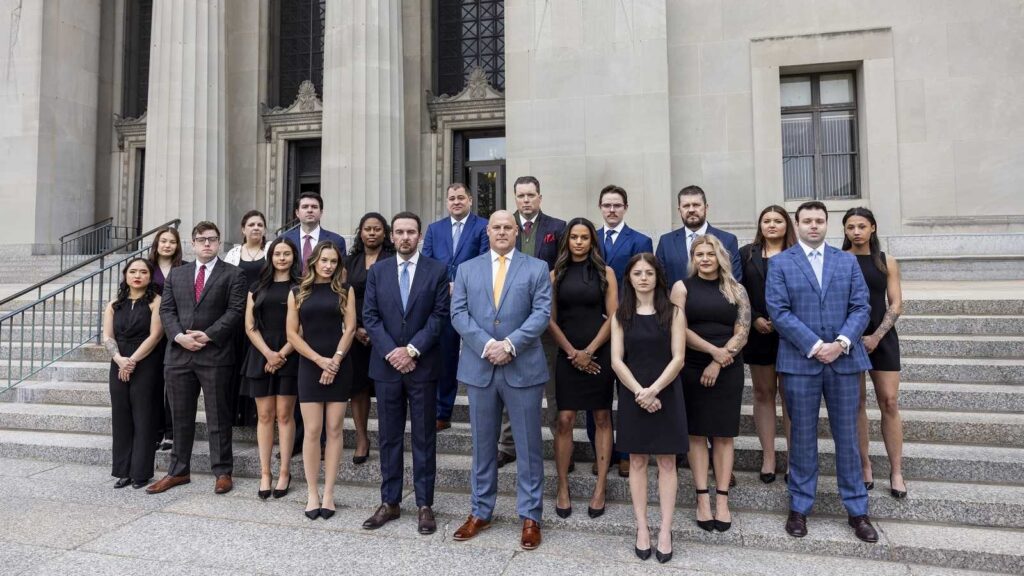
A drug case can move fast after an arrest, search, or request for an interview. Avoid discussing the facts publicly or consenting to new searches before getting advice tailored to your situation. Early legal advice may help preserve videos, messages, location records, and other evidence before it disappears.
Contact Combs Waterkotte online or call (314) 900-HELP to discuss your Kansas City drug allegation with a defense team that will listen, explain the process, and begin working toward a solution that minimizes the impact of your charges on your life.
Resources
For more information on criminal defense in Kansas City or anywhere else in Missouri, call the Combs Waterkotte criminal defense attorneys right away at (314) 900-HELP or contact us online for a confidential consultation.
K-9 Units and Drug Charges: What You Need to Know
What to Do If You Are Arrested For Drugs That Are Not Yours
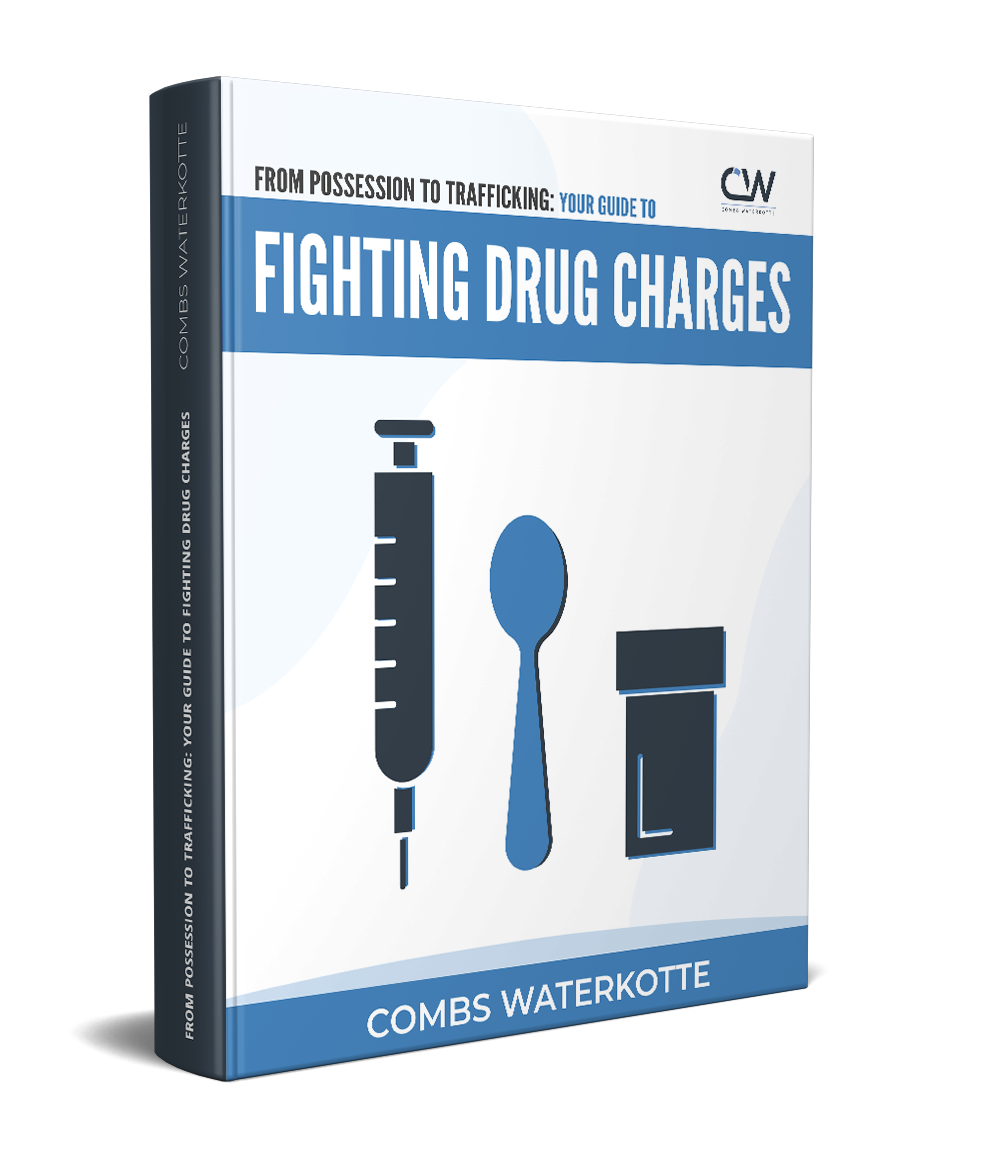
Free book
From Possession to Trafficking: Your Guide to Fighting Drug Charges
Combs Waterkotte is a leading drug crimes defense firm in Missouri, known for handling high-stakes cases and delivering real results. With over 10,000 cases handled and more than one million days of jail time avoided, we know how to fight—and win—against serious drug charges. This guide is built from that experience.

