

Cocaine Charges Lawyer Kansas City, MO
Hire the leading cocaine charges defense law firm in Kansas City, MO to protect your freedom, rights, and future. Whether you have been charged or are under investigation, we can help.
TO COMBS WATERKOTTE,YOU ARE WHY WE EXIST.


Cocaine Charges Lawyer Kansas City, MO
A cocaine arrest in Kansas City can expose you to a felony conviction, prison, and a record that follows you long after your case ends. Delivery, distribution, manufacturing, or trafficking charges can result in lifelong consequences. If you’ve been arrested or charged, you need a criminal defense attorney on your side.
Combs Waterkotte represents clients facing serious Kansas City, Missouri drug charges. Our attorneys examine the police investigation, lab evidence, alleged drug weight, and intent evidence to determine how best to defend you to limit the impact of your cocaine charges on your life and career. Call (314) 900-HELP today to start building your defense.

I owe my life to Combs Waterkotte. If not for them, I would be spending the rest of my life behind bars. There is no amount of words that can explain what they did for me and my family. Its the highest recommendation that I can give.
Alexander B.
Felonies
Verify on

If I could give Steve and his team 10 stars I would in a heartbeat. Was facing more then one felony charge and after these guys found the arresting officer violated my 4th Amendment Rights and those charges were dismissed. My family and I can't thank you enough.
Dean J
Felonies
Verify on
I was hands down guilty. ON VIDEO !!! In a smaller town, and a job dealing with the public, this was devastating. I made one phone call and spoke for maybe 15 minutes. I DIDN'T appear in court. I am extremely impressed. QUIETLY relieved of the matter!
Y.I.V.
Theft
Verify on
My fiance had a felony drug charge and Combs Waterkotte got it dismissed! There were no fines, court cost, nothing. Chris is loyal, professional, knowledgeable, and a man of his word. We are forever grateful for you.
Kimberly T.
Drug Crimes
Verify on
If I was found guilty, it would have been over 100 years in prison. They promised me that they would fight like hell and get me out of it. After everything was done, I just felt free. Like this wasn’t gonna end with me rotting away in a prison cell. I felt like I could start my life and have a fresh start.
Caleb
Assault 1st, Armed Criminal Action
Verify on
I was facing, probably 18 years… I actually got 5 years probation and 40 hours of community service. Without Combs Waterkotte’s help, I don’t think my family could have made it without me. It was just a written book to where it's a perfect ending.
Chris
Unlawful Use of a Weapon, Armed Criminal Action
Verify on
I went through what was supposed to be one of the top law firms in St. Louis. They said I wouldn't have no chance. I end up firing the other lawyer and everything and going with Chris. I felt like Combs Waterkotte actually did something for me and wasn't I wasn't just another number on somebody's desk.
Willy
DWI/DUI
Verify onI owe my life to Combs Waterkotte. If not for them, I would be spending the rest of my life behind bars. There is no amount of words that can explain what they did for me and my family. Its the highest recommendation that I can give.
Alexander B.
Felonies
If I could give Steve and his team 10 stars I would in a heartbeat. Was facing more then one felony charge and after these guys found the arresting officer violated my 4th Amendment Rights and those charges were dismissed. My family and I can't thank you enough.
Dean J
Felonies
I was hands down guilty. ON VIDEO !!! In a smaller town, and a job dealing with the public, this was devastating. I made one phone call and spoke for maybe 15 minutes. I DIDN'T appear in court. I am extremely impressed. QUIETLY relieved of the matter!
Y.I.V.
Theft
My fiance had a felony drug charge and Combs Waterkotte got it dismissed! There were no fines, court cost, nothing. Chris is loyal, professional, knowledgeable, and a man of his word. We are forever grateful for you.
Kimberly T.
Drug Crimes
If I was found guilty, it would have been over 100 years in prison. They promised me that they would fight like hell and get me out of it. After everything was done, I just felt free. Like this wasn’t gonna end with me rotting away in a prison cell. I felt like I could start my life and have a fresh start.
Caleb
Assault 1st, Armed Criminal Action
I was facing, probably 18 years… I actually got 5 years probation and 40 hours of community service. Without Combs Waterkotte’s help, I don’t think my family could have made it without me. It was just a written book to where it's a perfect ending.
Chris
Unlawful Use of a Weapon, Armed Criminal Action
I went through what was supposed to be one of the top law firms in St. Louis. They said I wouldn't have no chance. I end up firing the other lawyer and everything and going with Chris. I felt like Combs Waterkotte actually did something for me and wasn't I wasn't just another number on somebody's desk.
Willy
DWI/DUI
Cocaine Charges in Kansas City, Missouri
The state of Missouri doesn’t have a catch-all cocaine offense. Prosecutors can levy several different charges based on what they claim you did, including:
- Possession
- Delivery
- Protected-location distribution
- Manufacturing
- Trafficking
Missouri’s controlled-substance offenses generally apply both to powder cocaine and crack cocaine. Conduct, knowledge, location, and the weight of the cocaine are all factors that affect the charge you may face.
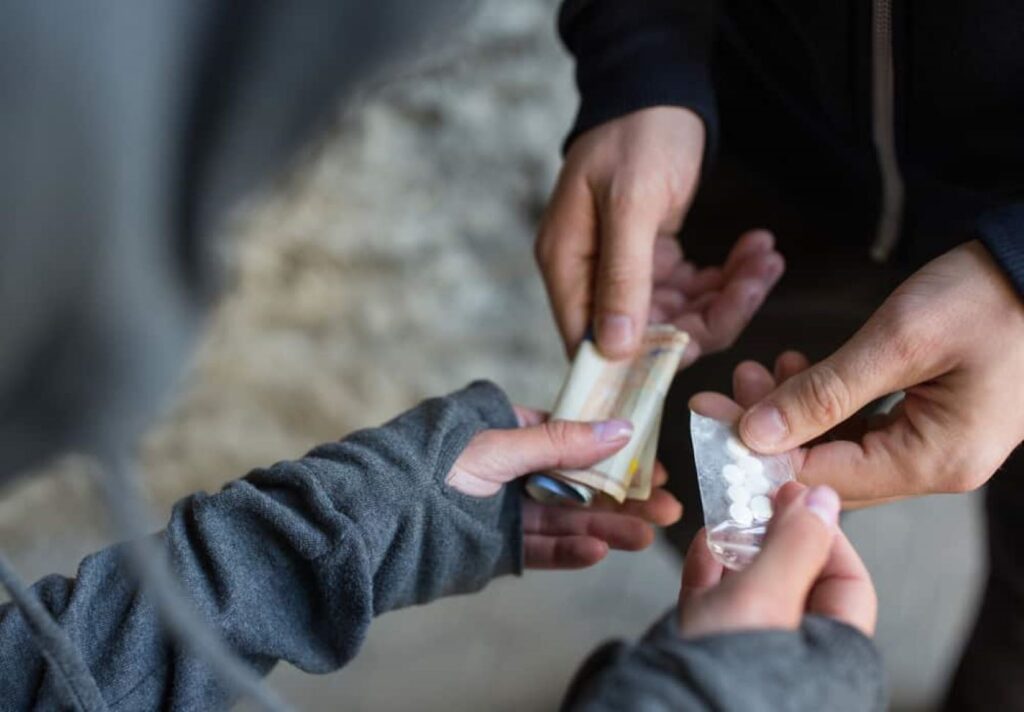
A small amount may result in a possession charge. The state may pursue a delivery charge when it claims a person sold cocaine, transferred it, attempted a transfer, or possessed it with intent to deliver. Packaging, scales, cash, communications, or witness accounts often drive the charging decision.

Cocaine crimes come with heavy consequences in Kansas City, Missouri. Contact Combs Waterkotte online or call (314) 900-HELP to start building your defense today.
Trafficking charges add another distinction. First-degree trafficking covers conduct like delivering, distributing, manufacturing, or producing cocaine in certain amounts. Second-degree trafficking covers possession, control, or a purchase. For cocaine, the threshold begins above 150 grams, and 450 grams marks the higher penalty tier.
The law makes a distinction between a drug mixture that partly contains cocaine and laboratory-pure cocaine. Practically, this means that the state’s weighing methods and chemical analyses can impact whether prosecutors can sustain a trafficking charge.
Why Combs Waterkotte is the best Law firm for your case.
Real results for people just like you.

Cocaine Offenses in the Missouri Revised Statutes
Missouri Revised Statutes Chapter 579 outlines the conduct and felony classifications that control most state cocaine cases. Remember: A charge is only an accusation. Prosecutors have to prove all aspects of their accusation, including the required act, knowledge, and any facts used to enhance the offense beyond a reasonable doubt.
Possession of Cocaine
RSMo §579.015 prohibits knowingly possessing a controlled substance. Under Missouri’s drug possession law, cocaine possession is a Class D felony, even when the alleged quantity is small and intended for personal use.
“Actual possession” is when cocaine is found on the accused’s person (like in a pocket or wallet). “Constructive possession,” on the other hand, involves drugs found elsewhere (like a bag, bedroom, or shared apartment) and the state claims the accused knew about and controlled the drugs. Shared access to property or a location can create reasonable doubt about who actually possessed the cocaine.
Delivery and Protected-Location Distribution
RSMo §579.020 covers knowingly distributing or delivering cocaine or possessing any amount with intent to distribute or deliver it. The delivery offense is usually a Class C felony. It can become a Class B felony when a person sells cocaine to someone under 17 who is at least two years younger than the accused, or when the accused knowingly lets a minor purchase or transport cocaine.
Missouri has additional punishments for distribution in a protected location. Knowingly selling, distributing, or delivering cocaine within 2,000 feet of school property, on a school bus, within 1,000 feet of a park, or on public housing property is a Class A felony.
Manufacturing Cocaine
RSMo §579.055, Missouri’s drug manufacturing statute, covers knowingly manufacturing or producing a controlled substance, attempting to do so, and knowingly possessing a controlled substance with intent to make more. Manufacturing cocaine specifically is a Class C felony and rises to a Class B felony when it’s done within 2,000 feet of a school.
First- and Second-Degree Cocaine Trafficking
First-degree drug trafficking under RSMo §579.065 applies when a person knowingly distributes, manufactures, or attempts to make or sell more than 150 grams of cocaine. First-degree trafficking is a Class B felony above 150 grams and a Class A felony for 450 grams or more.
Second-degree drug trafficking under RSMo §579.068 addresses knowingly possessing, controlling, or purchasing more than 150 grams of cocaine. It’s a Class C felony above 150 grams and a Class B felony at 450 grams or more.
Defense Strategies for Cocaine Charges in Kansas City
Defenses against Kansas City, Missouri cocaine charges are usually multifaceted. At Combs Waterkotte, we look for weaknesses that affect admissibility, possession, intent, substance identification, weight, or witness credibility. Depending on the facts, our attorneys may pursue several defense strategies to fight your charges.
Challenging the Stop, Search, or Seizure
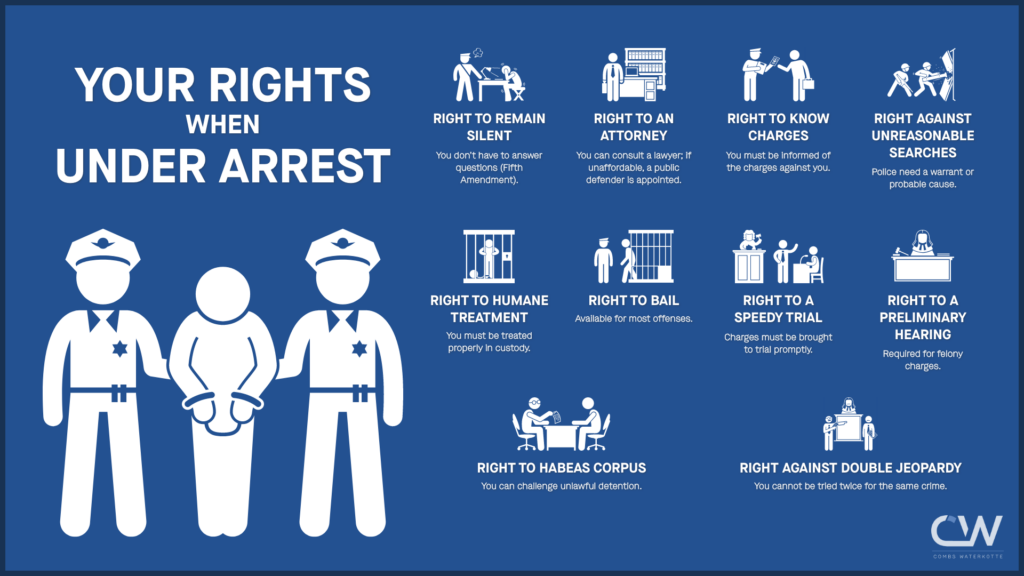
Cocaine cases usually start with a vehicle stop, search warrant, package interception, or street encounter. We’ll review the reason for the stop, warrant affidavit, canine sniff, and the handling of phones or containers by law enforcement. When police violate constitutional limits, a Fourth Amendment defense can support a motion to suppress the drugs and related evidence.
Disputing Knowing Possession
Finding cocaine in a car or residence does not automatically prove that every occupant possessed it. The prosecution must be able to connect the accused to knowing control rather than mere presence alone. To counter, we’ll examine access, ownership, fingerprints, and DNA evidence for flaws.
Contesting Intent to Deliver
Prosecutors often infer sales intent from cocaine quantity, packaging, cash, scales, or messages. We can test whether those facts have innocent, non-criminal explanations and whether prosecutors interpreted communications lawfully. A lack-of-intent defense can attack the elements that separate possession from a more serious delivery charge.
Challenging the Substance, Weight, and Evidence Handling
A cocaine field test is not as robust as reliable laboratory analysis. As part of your defense, we can scrutinize sampling, contamination, analyst procedures, instrument records, and the chain of custody of the drug evidence. If the tested substance is not cocaine or its weight falls below 150 or 450 grams, the state may not be able to charge trafficking or other high-tier, cocaine-related felonies.
Challenging Informants, Controlled Buys, and Digital Evidence
Informants and cooperating witnesses may expect money, leniency, or another benefit. We can compare their accounts with recordings, surveillance, searches (both before and after a controlled purchase), and location data. We can also challenge incomplete message threads, uncertain account ownership, and conclusions that exceed what the digital evidence shows.
Possible Penalties for Cocaine Offenses in Missouri
Missouri’s authorized prison ranges are covered in RSMo §558.011. The actual cocaine statute involved determines the felony class with which someone is charged. The table below summarizes the most common charges and sentencing ranges for cocaine-related drug offenses in Kansas City, Missouri.
| Offense | Classification | Authorized Prison Term |
|---|---|---|
| Possession of cocaine | Class D felony | Up to 7 years |
| Delivery or intent to deliver cocaine | Class C felony | 3 to 10 years |
| Delivery of cocaine to a minor | Class B felony | 5 to 15 years |
| Distribution of cocaine in a protected location | Class A felony | 10 to 30 years or life |
| Manufacturing cocaine | Class C felony | 3 to 10 years |
| Manufacturing cocaine within 2,000 feet of a school | Class B felony | 5 to 15 years |
| First-degree cocaine trafficking (150 to 450 grams) | Class B felony | 5 to 15 years |
| First-degree cocaine trafficking (450 grams or more) | Class A felony | 10 to 30 years or life |
| Second-degree cocaine trafficking (150 to 450 grams) | Class C felony | 3 to 10 years |
| Second-degree cocaine trafficking (450 grams or more) | Class B felony | 5 to 15 years |
A cocaine conviction can also have collateral effects on employment, housing, education, professional licensing, and firearm rights. Courts may also impose supervision requirements and financial obligations. This means reducing the charge or defeating an enhancement can protect a defendant from more than just prison time.
Why Choose Combs Waterkotte for a Kansas City Cocaine Case?

Cocaine prosecutions can rely on narcotics officers, confidential informants, forensic chemists, and surveillance—all very complex subjects. Combs Waterkotte has the experience and resources to test each part of the prosecution’s evidence.

Our firm has handled more than 15,000 criminal cases. We bring decades of combined experience to negotiations and motion practice, and we keep every case prepared for a jury. Clients receive direct explanations, realistic options, and a strategy built around their unique circumstances and priorities.
We pursue dismissal or reduction when the evidence supports it and we negotiate from a position of preparation. All the while, we remain trial-ready when prosecutors don’t offer a fair resolution.
How Combs Waterkotte Will Take On Your Cocaine Charges
We start by learning what happened and identifying the most urgent and pressing issues involving bond, employment, witnesses, or evidence preservation. Our team then obtains discovery, reconstructs the investigation, reviews video and reports, traces the seized evidence, and compares the filed charge with the statute’s actual elements. Here’s how we do it:
- Examine police conduct: Challenge unlawful stops, searches, seizures, warrants, or interrogations
- Audit the evidence: Review lab work, weight calculations, packaging, and chain of custody
- Separate presence from possession: Identify shared access and evidence pointing to another person’s control
- Attack elevated charges: Require proof of delivery intent, protected location, trafficking weight, and conduct
- Prepare for every outcome: Pursue suppression, dismissal, reduction, a fair agreement, or trial acquittal


We explain your choices and the possible consequences at every stage. Whether the case comes down to a suppression hearing, an expert review, cross-examination of an informant, or a jury trial, we build the record and defense before the most critical moments arrive.
Contact a Cocaine Charges Lawyer in Kansas City, MO

Don’t let the gravity of a cocaine charge convince you that a conviction is inevitable. Cocaine cases can contain weaknesses in several aspects: the search, ownership evidence, alleged intent, lab analysis, mixture weight, or witness accounts. Prompt legal work can preserve evidence, create more options, and increase your chance of a favorable result.
To fight back against your Kansas City, Missouri cocaine charges, contact Combs Waterkotte online or call (314) 900-HELP today. We can evaluate the allegations, explain the potential penalties, and begin building a focused defense to keep you out of prison and keep your record clean.
Resources
For more information on criminal defense in Kansas City or anywhere else in Missouri, call the Combs Waterkotte criminal defense attorneys right away at (314) 900-HELP or contact us online for a confidential consultation.
What Happens If You’re Caught With Drugs in Kansas City?
Can I Avoid Jail Time for a First-Time Drug Crime?
Free book
From Possession to Trafficking: Your Guide to Fighting Drug Charges
Combs Waterkotte is a leading drug crimes defense firm in Missouri, known for handling high-stakes cases and delivering real results. With over 10,000 cases handled and more than one million days of jail time avoided, we know how to fight—and win—against serious drug charges. This guide is built from that experience.

