
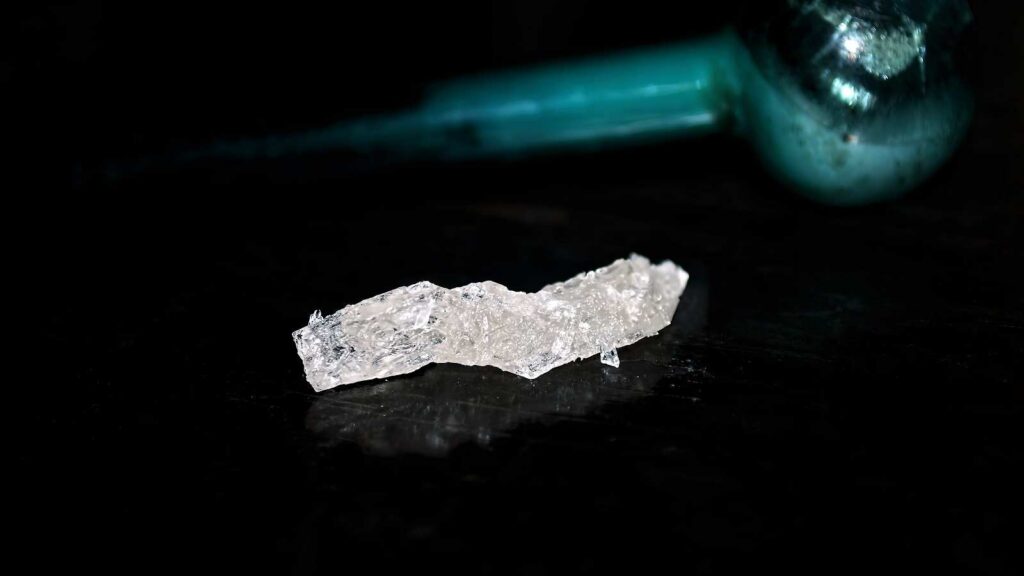
Methamphetamine Charges Lawyer Kansas City, MO
Hire the leading methamphetamine charges defense law firm in Kansas City, MO to protect your freedom, rights, and future. Whether you have been charged or are under investigation, we can help.
TO COMBS WATERKOTTE,YOU ARE WHY WE EXIST.


Methamphetamine Charges Lawyer Kansas City, MO
A methamphetamine arrest in Kansas City, Missouri can lead to a felony case, even for small quantities and simple possession. Larger quantities, evidence of sales, lab equipment, or precursor chemicals can result in far more serious charges and years in prison.
Combs Waterkotte defends people facing Kansas City drug charges, including meth possession, delivery, manufacturing, and trafficking allegations. We investigate how police found the evidence, what it actually proves, and whether prosecutors can establish their case against you beyond a reasonable doubt.

I owe my life to Combs Waterkotte. If not for them, I would be spending the rest of my life behind bars. There is no amount of words that can explain what they did for me and my family. Its the highest recommendation that I can give.
Alexander B.
Felonies
Verify on

If I could give Steve and his team 10 stars I would in a heartbeat. Was facing more then one felony charge and after these guys found the arresting officer violated my 4th Amendment Rights and those charges were dismissed. My family and I can't thank you enough.
Dean J
Felonies
Verify on
I was hands down guilty. ON VIDEO !!! In a smaller town, and a job dealing with the public, this was devastating. I made one phone call and spoke for maybe 15 minutes. I DIDN'T appear in court. I am extremely impressed. QUIETLY relieved of the matter!
Y.I.V.
Theft
Verify on
My fiance had a felony drug charge and Combs Waterkotte got it dismissed! There were no fines, court cost, nothing. Chris is loyal, professional, knowledgeable, and a man of his word. We are forever grateful for you.
Kimberly T.
Drug Crimes
Verify on
If I was found guilty, it would have been over 100 years in prison. They promised me that they would fight like hell and get me out of it. After everything was done, I just felt free. Like this wasn’t gonna end with me rotting away in a prison cell. I felt like I could start my life and have a fresh start.
Caleb
Assault 1st, Armed Criminal Action
Verify on
I was facing, probably 18 years… I actually got 5 years probation and 40 hours of community service. Without Combs Waterkotte’s help, I don’t think my family could have made it without me. It was just a written book to where it's a perfect ending.
Chris
Unlawful Use of a Weapon, Armed Criminal Action
Verify on
I went through what was supposed to be one of the top law firms in St. Louis. They said I wouldn't have no chance. I end up firing the other lawyer and everything and going with Chris. I felt like Combs Waterkotte actually did something for me and wasn't I wasn't just another number on somebody's desk.
Willy
DWI/DUI
Verify onI owe my life to Combs Waterkotte. If not for them, I would be spending the rest of my life behind bars. There is no amount of words that can explain what they did for me and my family. Its the highest recommendation that I can give.
Alexander B.
Felonies
If I could give Steve and his team 10 stars I would in a heartbeat. Was facing more then one felony charge and after these guys found the arresting officer violated my 4th Amendment Rights and those charges were dismissed. My family and I can't thank you enough.
Dean J
Felonies
I was hands down guilty. ON VIDEO !!! In a smaller town, and a job dealing with the public, this was devastating. I made one phone call and spoke for maybe 15 minutes. I DIDN'T appear in court. I am extremely impressed. QUIETLY relieved of the matter!
Y.I.V.
Theft
My fiance had a felony drug charge and Combs Waterkotte got it dismissed! There were no fines, court cost, nothing. Chris is loyal, professional, knowledgeable, and a man of his word. We are forever grateful for you.
Kimberly T.
Drug Crimes
If I was found guilty, it would have been over 100 years in prison. They promised me that they would fight like hell and get me out of it. After everything was done, I just felt free. Like this wasn’t gonna end with me rotting away in a prison cell. I felt like I could start my life and have a fresh start.
Caleb
Assault 1st, Armed Criminal Action
I was facing, probably 18 years… I actually got 5 years probation and 40 hours of community service. Without Combs Waterkotte’s help, I don’t think my family could have made it without me. It was just a written book to where it's a perfect ending.
Chris
Unlawful Use of a Weapon, Armed Criminal Action
I went through what was supposed to be one of the top law firms in St. Louis. They said I wouldn't have no chance. I end up firing the other lawyer and everything and going with Chris. I felt like Combs Waterkotte actually did something for me and wasn't I wasn't just another number on somebody's desk.
Willy
DWI/DUI
Kansas City, Missouri Methamphetamine Charges
Meth cases can go a number of different ways in Kansas City. The charge depends on the alleged conduct, the quantity and makeup of the substance, where the alleged conduct occurred, and whether anyone suffered a serious injury or died during an attempted meth cook.
The state’s controlled-substance laws cover four core accusations:
- Possessing meth for personal use
- Delivering meth (or intending to deliver it)
- Manufacturing meth
- Trafficking meth
Police may also pursue charges involving precursor chemicals even when they recover no finished methamphetamine.

Call (314) 900-HELP or get in touch with Combs Waterkotte online to start building a defense against your Kansas City, Missouri meth charges.
The line between these offenses often depends on circumstantial evidence. Quantity, packaging, scales, messages, cash, equipment, or precursor chemicals may shape the charge, but the state still has to prove the required knowledge or intent.
Trafficking is quantity-driven, but Missouri also distinguishes delivery or production from possession or control. The difference between these aspects can affect the exact charge you face.
Why Combs Waterkotte is the best Law firm for your case.
Real results for people just like you.

Methamphetamine Offenses in the Missouri Revised Statutes
Chapter 579 of the Missouri Revised Statutes creates several ways for prosecutors to charge meth crimes. Although each statute uses different elements, intention is a critical aspect of most charges. The state must prove that you knowingly possessed the meth or engaged in the alleged activity, not just show that meth was somewhere nearby.
The following are some of the most common meth-related charges brought in Kansas City courts.
Methamphetamine Possession
Under RSMo §579.015, a person commits possession by knowingly possessing a controlled substance without legal authorization. Missouri treats methamphetamine possession as a Class D felony regardless of the amount involved.
Possession can be “actual,” (i.e., meth found in a pocket), or “constructive” (i.e., drugs found in a place the state claims you had control over). Constructive possession cases are very fact-sensitive, because several people can share a car, home, or hotel room. Proximity alone does not automatically prove that you intentionally controlled the drugs.
Delivery or Intent to Deliver
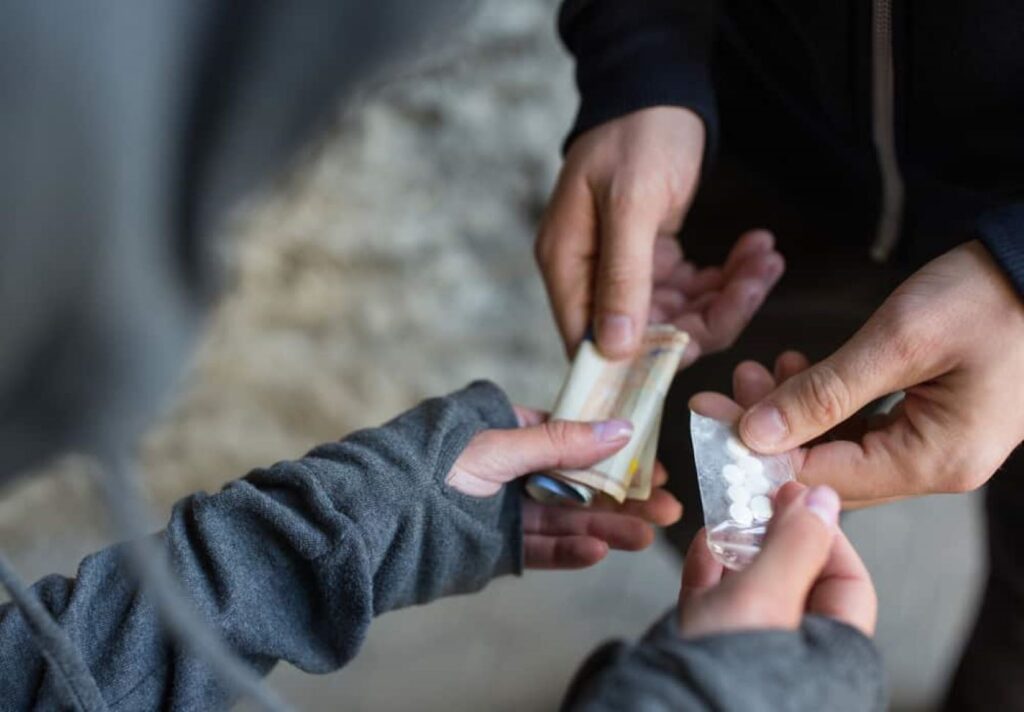
Missouri’s delivery statute, RSMo §579.020, covers knowingly distributing or delivering meth, attempting to deliver meth, possessing meth with the intent to distribute or deliver it, and knowingly allowing a minor to purchase meth. A completed sale is not required for someone to be charged.
For methamphetamine, the baseline offense is a Class C felony, but conduct involving a minor can raise it to a Class B felony.
Manufacturing Meth and Possessing Precursors
RSMo §579.055 defines drug manufacturing. It includes knowingly manufacturing a controlled substance, attempting to manufacture a controlled substance, and knowingly possessing a controlled substance with intent to make more.
Ordinary drug manufacturing charges involving meth are Class C felonies. The offense escalates to a Class B felony when drugs are manufactured within 2,000 feet of a school. Meth manufacturing becomes a Class A felony when a fire or explosion caused by an attempt to make meth causes serious physical injury or death.
Missouri law RSMo §579.110 addresses methamphetamine precursors. To charge someone under the statute, prosecutors must prove knowing possession of precursor chemicals and an intent to use them to manufacture methamphetamine.
First- and Second-Degree Meth Trafficking
First-degree trafficking under RSMo §579.065 addresses knowingly distributing, delivering, manufacturing, or producing, more than 30 grams of methamphetamine. The offense is normally a Class B felony. It becomes a Class A felony at 90 grams or more.
The Class A enhancement can also apply above 30 grams when someone trafficks meth near a school, school bus, public housing, or a hotel or motel.
Second-degree trafficking under RSMo §579.068 covers knowingly possessing or purchasing more than 30 grams of a meth. It’s a Class C felony above 30 grams, a Class B felony from 90 grams up to (but not including) 450 grams, and a Class A felony at 450 grams or more.
Defense Strategies for Methamphetamine Charges in Kansas City
No single defense fits every meth case perfectly. A good lawyer should start with the police search, the alleged connection between the drugs and the accused, and the evidence used to elevate the charge. Depending on the facts, Combs Waterkotte may pursue the following defense strategies in your case.
Challenge the Stop, Search, or Warrant
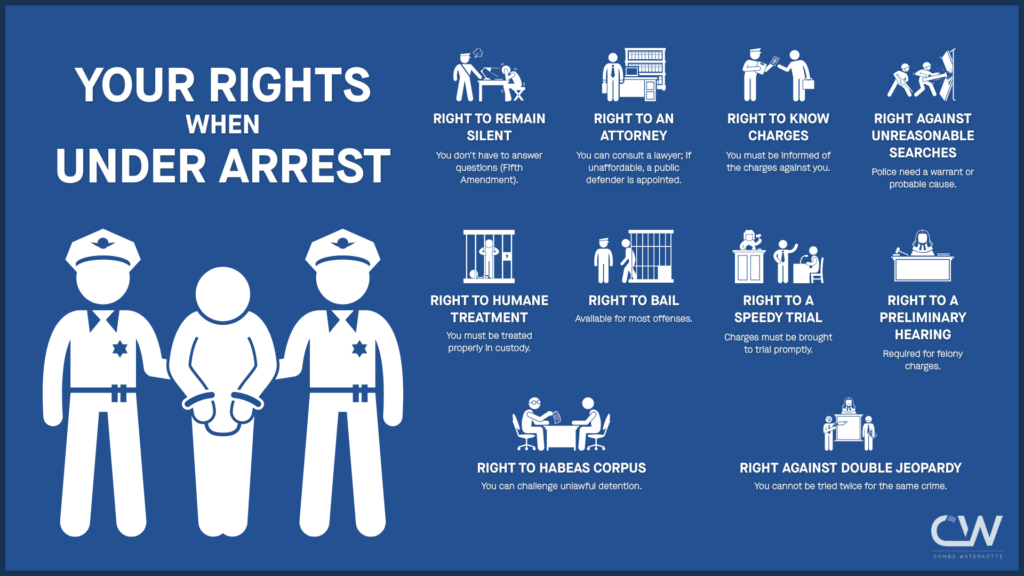
Police have to justify a vehicle stop, home search, phone search, or seizure. We’ll examine warrant affidavits, canine searches, the timing of a traffic stop, and the scope of every search. If officers violated your rights, we can use a Fourth Amendment defense to suppress evidence, including the meth, messages, cash, or equipment.
Dispute Knowledge and Possession
The state has to do more than just place you near contraband. In a shared space, it can be argued that another person may have owned or controlled the meth. We look for things like fingerprints, DNA, personal belongings, keys, recorded statements, and witness accounts to push back against possession charges.
A lack-of-intent defense may also apply if the state can’t prove that you knew what a package contained or whether you intended to use ordinary chemicals for meth production.
Contest the Drug, Weight, and Chain of Custody
Field drug tests can produce incomplete or misleading results. The state must preserve the evidence and establish reliable lab identification. We can question contamination, scrutinize calibration, attack sampling, question weight, point out missing evidence, and investigate every transfer in the chain of custody.
Attack an Inflated Delivery or Manufacturing Theory
Scales, cash, bags, tools, and household chemicals don’t prove manufacturing intent by themselves. We can compare the prosecution’s theory with legitimate explanations and the complete context for allegedly suspicious equipment or chemicals.
We can also test the credibility of confidential informants, witnesses, controlled buy procedures, and extracted phone data. The right challenge may reduce a trafficking, delivery, or manufacturing count to a lesser charge.
Possible Penalties for Missouri Methamphetamine Offenses
Authorized prison ranges under Missouri law are found in RSMo §558.011, while the felony charge comes from the drug statutes themselves. The following table summarizes the most common meth offenses:
| Offense | Classification | Authorized Prison Term |
|---|---|---|
| Possession of meth | Class D felony | Up to 7 years |
| Possession of meth precursors | Class E felony | Up to 4 years |
| Delivery or intent to deliver meth | Class C felony | 3 to 10 years |
| Manufacturing meth | Class C felony | 3 to 10 years |
| Manufacturing within 2,000 feet of a school | Class B felony | 5 to 15 years |
| Meth fire or explosion causing serious injury or death | Class A felony | 10 to 30 years or life |
| First-degree meth trafficking (over 30 grams) | Class B felony | 5 to 15 years |
| First-degree meth trafficking (near restricted location) | Class A felony | 10 to 30 years or life |
| Second-degree meth trafficking (30 to 90 grams) | Class C felony | 3 to 10 years |
| Second-degree meth trafficking (90 to 450 grams) | Class B felony | 5 to 15 years |
| Second-degree meth trafficking (450 grams or more) | Class A felony | 10 to 30 years or life |
A felony conviction in Missouri can also affect employment, housing, licensing, and firearm rights. Early defense work matters because reducing the offense class can limit prison exposure and long-term consequences.
Why Choose Combs Waterkotte for a Kansas City Meth Case?

Meth cases combine complicated factors like constitutional issues, lab evidence, digital records, witnesses, and quantity thresholds. Combs Waterkotte has decades of combined criminal defense experience and statewide resources to examine each part of the state’s case.

We keep clients informed, explain realistic options, and build strategies around your priorities. That may mean pursuing dismissal, negotiating for a reduced charge, or preparing to lay your case out in front of a jury. Our attorneys remain trial-ready in case the prosecution refuses to offer a fair resolution.
We’ve handled more than 15,000 cases. That experience helps us anticipate the prosecution’s tactics, identify pressure points, and move quickly on urgent defense issues.
How Combs Waterkotte Will Take On Your Methamphetamine Charges
To fight back against your meth charge, we’ll begin by listening to your account and identifying the most immediate risks. Our team is equipped to:
- Investigate the seizure: Test the stop, warrant, consent, and claimed exceptions
- Analyze the science: Review lab testing methods, mixture weight, contamination risks, and evidence chain of custody
- Challenge the enhancement: Separate possession from delivery, manufacturing, or trafficking when the proof falls short
- Build the defense record: Interview witnesses, retain experts, and preserve favorable digital or physical evidence
- Pursue the best outcome: Seek suppression, dismissal, a charge reduction, a favorable agreement, or a trial acquittal
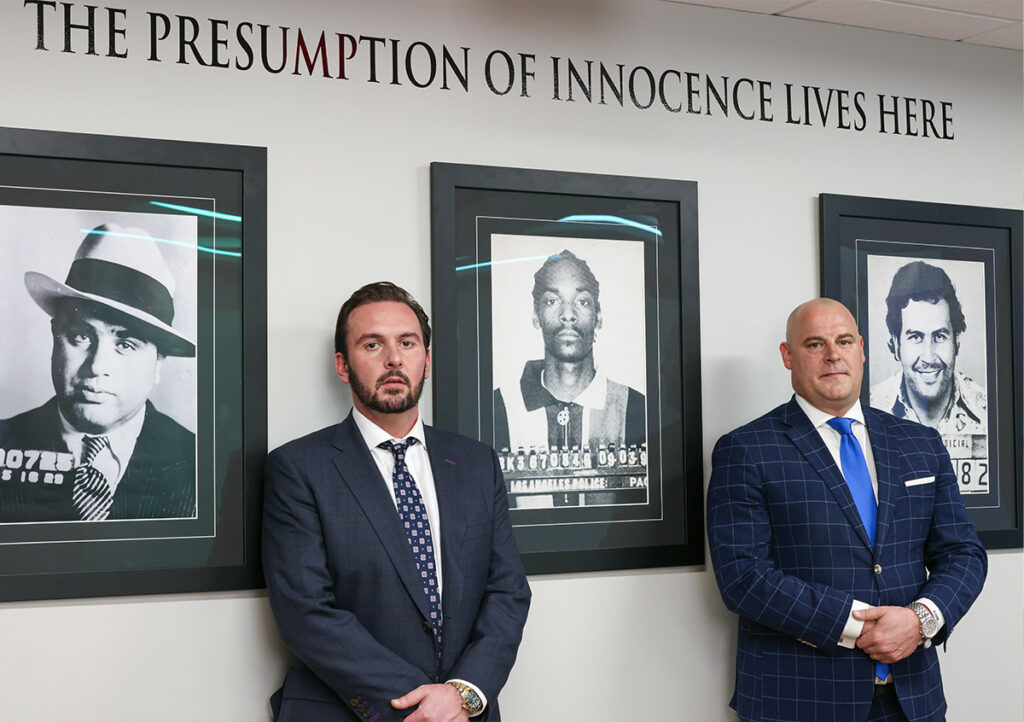

Throughout the case, we explain what comes next at each step. We prepare to litigate the search, challenge the science, cross-examine witnesses, and present a coherent defense to minimize the impact of your charges on your life.
Contact a Methamphetamine Charges Lawyer in Kansas City, MO
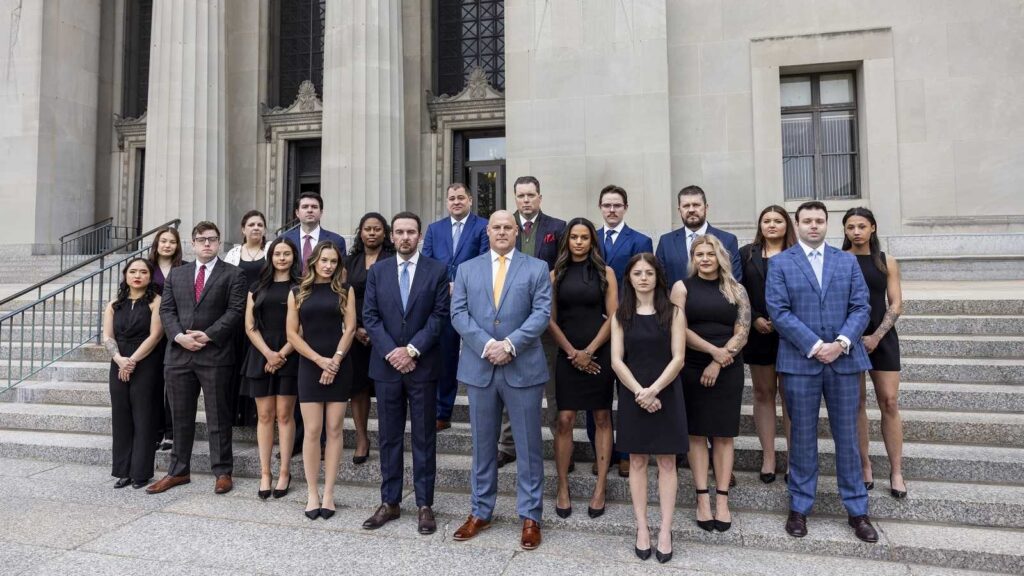
A meth charge can move quickly from simple possession to allegations carrying decades in prison. Never assume that the quantity, lab report, texts, or police narrative makes a conviction inevitable. A good defense team in your corner can make all the difference.
Contact Combs Waterkotte online or call (314) 900-HELP today. We can assess the evidence against you, explain your exposure, and begin building a focused defense against your Kansas City, Missouri methamphetamine charges.
Resources
For more information on criminal defense in Kansas City or anywhere else in Missouri, call the Combs Waterkotte criminal defense attorneys right away at (314) 900-HELP or contact us online for a confidential consultation.
What Happens If You’re Caught With Drugs in Kansas City?
Can I Avoid Jail Time for a First-Time Drug Crime?
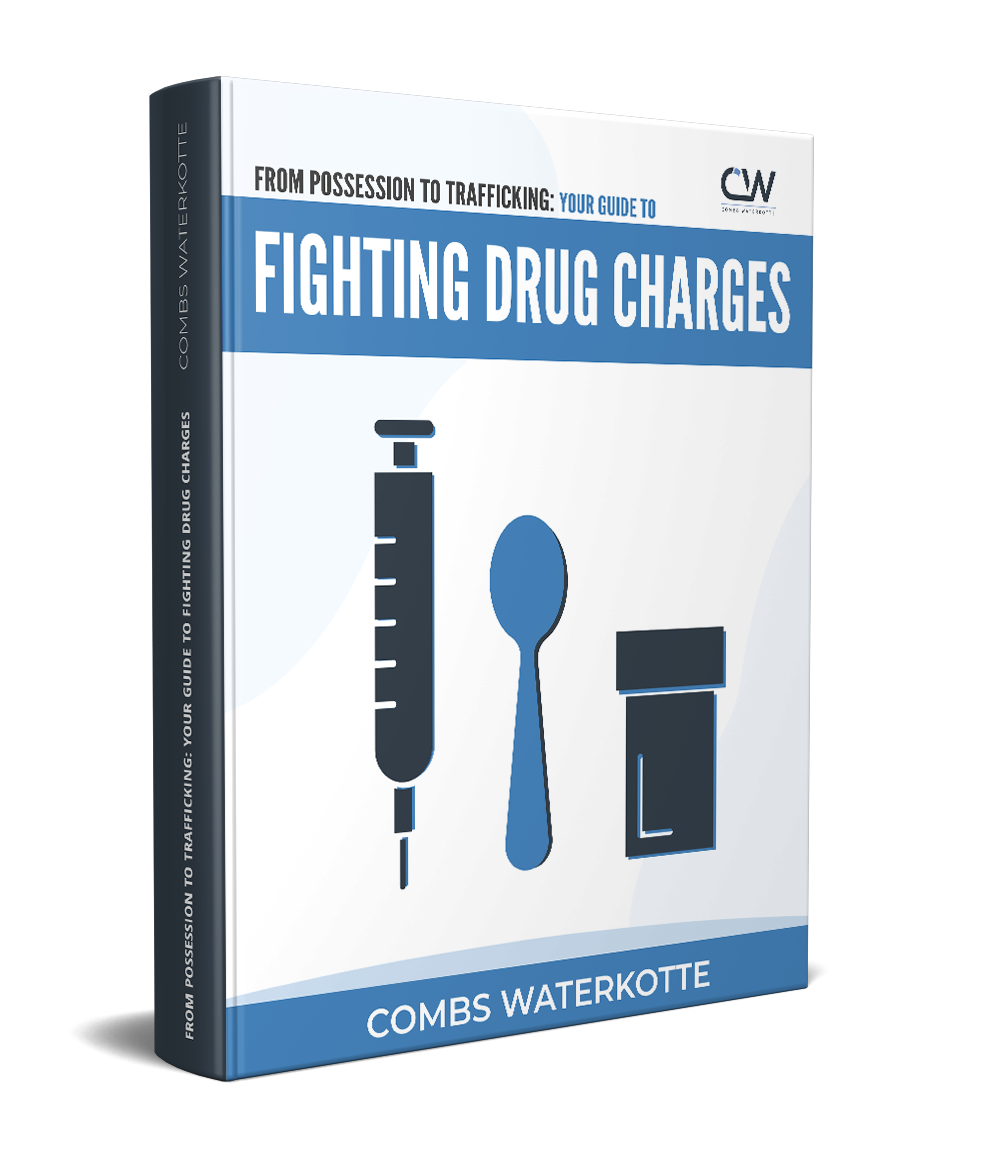
Free book
From Possession to Trafficking: Your Guide to Fighting Drug Charges
Combs Waterkotte is a leading drug crimes defense firm in Missouri, known for handling high-stakes cases and delivering real results. With over 10,000 cases handled and more than one million days of jail time avoided, we know how to fight—and win—against serious drug charges. This guide is built from that experience.

