
A Indiana federal criminal defense lawyer helps people and businesses facing serious legal jeopardy in the federal court system – where the penalties can involve lengthy prison sentences, government seizure of assets, and lasting harm to your future.
Federal criminal cases in Indiana follow an entirely separate path than cases in state court: the stakes are higher, the procedures are stricter, and the prosecutors have more resources at their disposal.
If federal charges are on the table — or even just being discussed — it’s critical to begin your defense immediately. Federal agencies like the FBI, DEA, or IRS don’t issue warnings — if you’ve been contacted, they may already be prepared to move forward with charges.
You shouldn’t face the federal system without experienced help, Combs Waterkotte‘s Indiana federal criminal defense lawyers are ready to step in early with proven federal defense experience – built on decades of courtroom knowledge and a history of defending our clients’ freedom. Don’t wait until your options disappear — early action is your best defense.
Cases Handled
Over 10,000
Jail Days Saved
Over 1 Million
Google Reviews
400+ Perfect
Legal Experience
Over 60 Years
Article Summary
- Federal crimes typically fall under U.S. District Court jurisdiction and involve violations of federal statutes, interstate activity, or cases built by federal agencies.
- Common federal charges include drug trafficking, wire fraud, firearm violations, financial fraud, computer-related crimes, and tax offenses.
- Federal cases differ from state cases because they involve different prosecutors, sentencing guidelines, legal standards, and court procedures.
- The federal legal process includes investigation, indictment, arraignment, pretrial motions, plea negotiations, trial, and sentencing.
- Early legal intervention is critical – particularly if you’ve been questioned by agents, served with a subpoena, or suspect you’re under federal scrutiny.
- Our firm provides aggressive, experienced federal defense in Indiana and is ready to step in now with a free case review and federal courtroom experience.

Free book
Facing Federal Criminal Charges? Why They’re Different and How to Win
Combs Waterkotte, a leading federal criminal defense law firm, has handled over 10,000 cases successfully. This ebook guides you through the federal criminal defense process, how federal charges are different, and how to win.
What Makes a Crime in Indiana “Federal”?
The Tenth Amendment of the U.S. Constitution reserves most criminal enforcement to individual states. In most cases, state courts handle offenses like theft, assault, or DUI.
But when a crime affects national interests, crosses state lines, or involves federal property or agencies, it falls under the jurisdiction of the federal government.
A case is typically federal when:
- It violates a federal statute such as those involving drug trafficking, wire fraud, or weapons offenses.
- It involves multiple states or affects interstate commerce.
- It happens on federal property (like property controlled by the federal government, including VA hospitals or administrative buildings).
- It targets the federal government, including federal programs or employees.
- It involves serious, complex, or national-level criminal activity requiring federal-level enforcement and prosecution due to its scope or impact.
Key takeaway:
Being charged federally means more than just different prosecutors — it means facing a distinct legal framework with higher stakes. The federal legal process differs in rules, sentencing, and procedural structure from Indiana’s state court cases. You deserve a lawyer who knows federal rules, judges, and how to protect your rights at every stage.
Federal Criminal Cases We Handle in Indiana
Federal criminal cases cover a wide range of offenses – from complex financial crimes to drug trafficking and violent acts that cross state lines. Each charge carries its own risks, but all share one thing in common: the federal government brings massive resources to the table.
Our Indiana-based federal defense team at Combs Waterkotte defends clients against a wide range of serious federal charges, such as:
- Federal drug trafficking and distribution
Involves producing, transporting, or distributing illegal drugs — often with interstate or international elements. - Federal wire fraud and federal mail fraud
Using electronic communications or mail to defraud individuals or institutions – often charged in business or investment-related cases. - Federal money laundering
The process of disguising the source of criminal proceeds by routing them through legitimate financial systems. - Federal tax evasion and financial crimes
Includes fraudulent filings, income concealment, or false deductions — frequently paired with other financial misconduct. - Federal weapons offenses
Involves violations of federal gun laws, often tied to drug conspiracies or violent offenses. - Federal child exploitation and federal child pornography offenses
Prosecuted aggressively in federal court, these cases require sensitive but strategic legal representation. - Federal cybercrimes
Encompasses internet-based crimes that target individuals, businesses, or government systems across jurisdictions. - Federal public corruption and bribery
Involves schemes to influence federal actions or decisions through illegal payments or favors. - Immigration-related offenses
Includes illegal reentry, document fraud, or harboring undocumented individuals – often triggered by ICE or DHS investigations.
To compare:
State-level charges often involve routine police work and local courtrooms, while federal charges like wire fraud can draw intense scrutiny from federal agencies and a federal grand jury. The stakes – and the strategies – are entirely different.
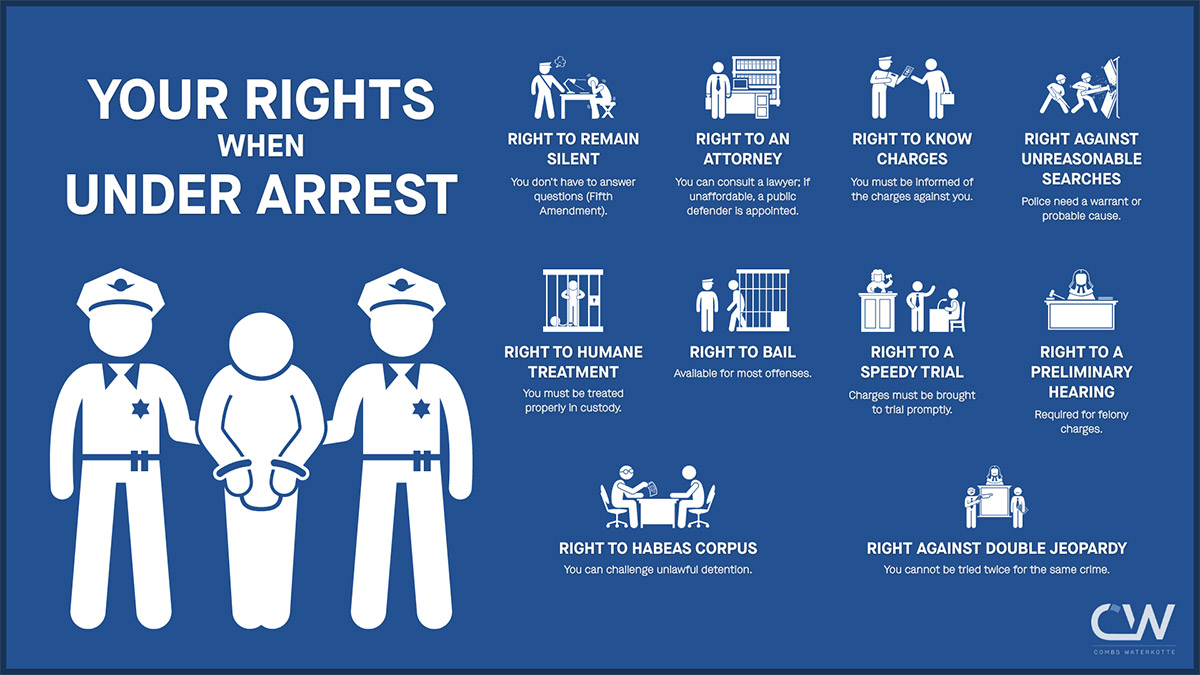
Understanding the Federal Criminal Process in Indiana
Federal criminal cases follow a very different path than their state counterparts. Often, the federal process starts behind the scenes — sometimes months before charges are filed.
Here’s how a typical federal criminal case unfolds:
Step 1: Investigation
Investigations by federal agencies are usually long-term and covert. Agencies like the FBI, DEA, or IRS can spend months or even years gathering evidence before moving forward with an arrest.
Most common mistake: Delaying legal help until after you’ve been charged — rather than acting during the investigation. Early representation can change the course of a federal case before it ever reaches court.
Step 2: Indictment
If prosecutors believe they have enough evidence, they’ll present the case to a federal grand jury.
An indictment signals that charges have been authorized, and for many, it’s the first sign they’re being targeted by the government.
Step 3: Arraignment and Pretrial Motions
The defendant is required to appear before a federal judge and enter a formal plea. At this stage, your attorney begins building your defense — potentially suppressing evidence, contesting the charges, or securing better pretrial conditions.
Strong early motions and investigations can sometimes result in charges being dropped.
Step 4: Plea Negotiations or Trial
Many federal cases end in a plea agreement, but not all. If necessary, we’ll take your case to trial and advocate for you aggressively in front of a jury.
Trials in federal court demand sharp advocacy skills and an intimate knowledge of the Federal Rules of Evidence.
Step 5: Sentencing (if applicable)
If convicted, sentencing in federal court is guided by the Federal Sentencing Guidelines, which consider a range of factors, including prior convictions and the amount of harm or loss.
Some charges carry mandatory minimum penalties.
Step 6: Appeals (if applicable)
You may have the right to challenge your conviction or sentence in the federal appellate courts – a process that requires meticulous legal arguments and deep familiarity with federal law.
In summary:
Federal criminal cases move quickly and follow strict procedural rules. You need someone ready to match the federal government’s resources with experience, strategy, and relentless advocacy.
How Our Indiana Federal Criminal Defense Lawyers Handle Federal Cases
Successfully handling a federal case takes more than knowing the law – it requires timing, strategy, and the ability to respond to an aggressive and complex system.
Our approach is built around early intervention, thorough investigation, and focused and aggressive client-centered advocacy.
Step 1: Early Intervention
It’s critical to involve a defense attorney as early as possible — ideally before charges are filed. If you’ve received a target letter, grand jury subpoena, or visit from federal agents, it likely means an indictment is being prepared.
We step in immediately to communicate with prosecutors, assert your rights, and influence the case immediately.
Step 2: Strategic Investigation
Rather than reacting to the government’s version of events, we launch our own investigation immediately. Our team works with professional investigators, digital forensic experts, and other specialists to uncover mitigating evidence, challenge assumptions, and build a defense based on the full picture, not just the government’s version of events.
Step 3: Realistic Negotiation
In cases with strong federal evidence or harsh penalties, a well-structured plea agreement can be the smartest path forward.
We know how to navigate plea discussions while preserving leverage, and we always prepare for trial – whether we expect to go to one or not.
We give you all the information you need and leave the ultimate decision in your hands.
Step 4: Trial Readiness
If your case proceeds to trial, you’ll be represented by attorneys with real courtroom experience and federal trial wins. We develop persuasive narratives, challenge government witnesses, and present your case clearly and forcefully to a federal jury.
Step 5: Sentencing Advocacy
Even if a conviction happens, we continue to fight for you during sentencing. Through thorough documentation and advocacy, we push for sentencing reductions that reflect your full story and circumstances.

Free book
How to Choose a Criminal Defense Lawyer
Charged with a crime? The lawyer you hire matters. Combs Waterkotte, recognized for top-tier criminal defense in Missouri and Illinois, created this guide to help you find the right attorney. Learn what to look for, key questions to ask, and red flags to avoid.
Why Choose Us as Your Indiana Federal Criminal Defense Lawyers?
Not every Indiana federal criminal defense lawyer is equipped to handle federal charges, and not every law firm understands the pressure you’re under when the federal government comes after you. We’ve gone toe-to-toe with federal prosecutors, protected our clients’ rights, and helped them avoid life-altering outcomes.
Why our firm stands out:
- Focused federal experience
Our team has handled federal cases in Indiana and beyond, and knows how to navigate the local judges, rules, and courtroom dynamics. - Serious strategy, not surface-level support
We approach each case with a comprehensive strategy that accounts for federal processes and the specific facts involved — not cookie-cutter legal advice. - Responsive, personal service
We pride ourselves on being accessible and responsive — we talk like people, act fast, and give your case the attention we’d want if we were in your shoes. - Results that matter
Whether through dismissals, favorable plea deals, or courtroom acquittals, we’ve helped our clients avoid long prison terms and reclaim their lives.
Take Action Now – Call a Federal Criminal Defense Lawyer in Indiana Now
If federal agents are knocking or you’ve been charged in Indiana, don’t wait another day to protect yourself. One wrong move early on can make your defense harder — but early legal action gives you power and control.
Our consultations are private, informative, and designed to help you understand what’s happening and how to respond. Don’t wait until court is around the corner — our Indiana federal defense team is prepared to act immediately on your behalf.
Call (314) 900-HELP now or contact us online and let’s start protecting your future today.