






Obscenity Lawyer in Southern Illinois
Obscenity charges in Southern Illinois are serious criminal allegations that can carry lasting legal, professional, and personal consequences. These cases often involve allegations related to explicit materials, communications, or conduct that prosecutors claim violates Illinois obscenity laws. A conviction can lead to jail time, steep fines, mandatory registration consequences in some situations, and permanent damage to your reputation.
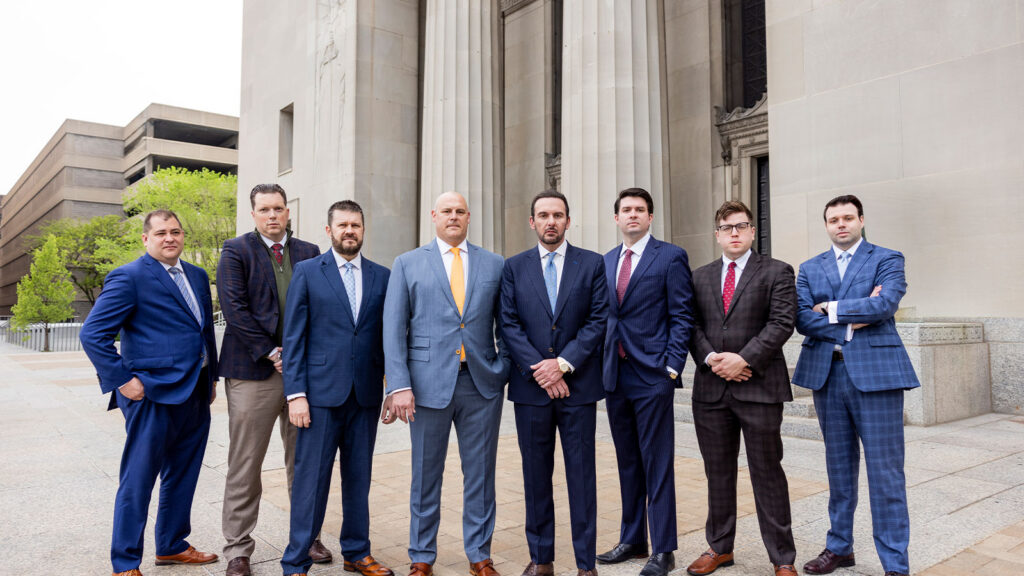
The criminal defense attorneys at Combs Waterkotte bring decades of combined experience defending individuals in Southern Illinois accused of sensitive, high-stakes criminal offenses. We understand that obscenity cases are often emotionally charged, aggressively prosecuted, and frequently misunderstood. Our team provides a strategic, aggressive, and discreet defense designed to protect your rights, your future, and your reputation.
Call our obscenity defense team in Southern Illinois today at (314) 900-HELP or reach out online for a free, confidential consultation.
What Is Considered Obscenity Under Illinois Law?
Illinois obscenity laws are designed to regulate certain sexually explicit materials and conduct, but the line between protected speech and criminal behavior is often blurred. Obscenity cases frequently hinge on subjective interpretations, community standards, and prosecutorial discretion.
Under Illinois law, material or conduct may be considered obscene if it meets a three-part legal test, often referred to as the Miller test, which evaluates whether:
- The average person, applying contemporary community standards, would find the material appeals to prurient interests
- The material depicts or describes sexual conduct in a patently offensive way as defined by statute
- The material lacks serious literary, artistic, political, or scientific value
Because these determinations are highly subjective, obscenity charges are especially vulnerable to constitutional challenges when defended properly.
Common Obscenity Charges in Southern Illinois
Prosecutors in Southern Illinois may pursue obscenity charges in a variety of situations, including allegations involving:
- Distribution or sale of allegedly obscene materials
- Possession of obscene content with intent to distribute
- Obscene electronic communications or transmissions
- Public display of obscene materials
- Obscenity involving digital media, internet content, or messaging platforms
- Obscenity allegations tied to businesses, bookstores, or adult entertainment venues
In some cases, obscenity charges are paired with additional allegations, such as solicitation, exploitation, or electronic communications offenses, significantly increasing the stakes.

Illinois Obscenity Statutes Explained
Illinois obscenity laws appear across multiple statutory provisions and can be charged as misdemeanors or felonies depending on the nature of the alleged conduct, prior convictions, and whether distribution or minors are involved.
Because obscenity statutes are closely tied to First Amendment protections, these cases demand a defense attorney who understands constitutional law as well as Illinois criminal procedure. Potential charges in Southern Illinois may include:
- Obscenity (general offenses)
- Obscene material distribution
- Obscene performances or exhibitions
- Enhanced penalties for repeat offenses
Why Choose Combs Waterkotte for Obscenity Defense in Southern Illinois?
Combs Waterkotte has handled 10,000+ criminal cases, including sensitive and complex offenses that require discretion, precision, and courtroom skill. We understand that obscenity charges are often driven by misunderstanding, overreach, or moral judgment rather than clear legal violations.
Our firm is known for:
- Meticulous evidence review
- Strategic negotiations with prosecutors
- Trial-ready defense when dismissal is not offered
- Respectful, confidential representation
- Aggressive constitutional challenges
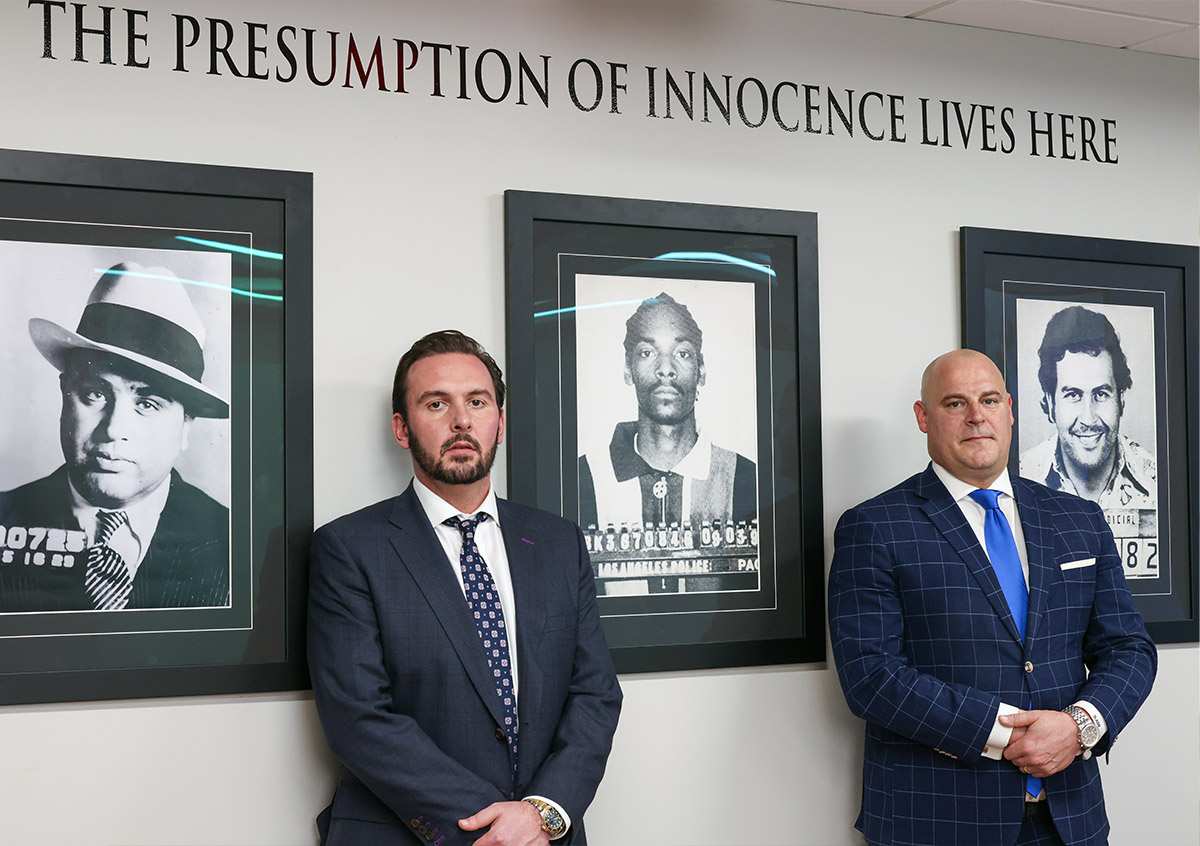
We don’t assume guilt. We demand proof.
How Police and Prosecutors Build Obscenity Cases in Southern Illinois
Obscenity cases are often built through undercover investigations, digital surveillance, controlled purchases, or monitoring of online activity. Law enforcement may seize electronic devices, search business premises, or rely on screenshots, recordings, or third-party complaints.
Unfortunately, these investigations frequently involve:
- Overbroad or unlawful searches and seizures
- Misinterpretation of digital content
- Failure to apply proper constitutional standards
- Selective or retaliatory enforcement
- Reliance on subjective opinions rather than legal definitions
At Combs Waterkotte, we scrutinize every step of the investigation to determine whether your rights were violated and whether the evidence can be challenged or suppressed.
Possible Defenses to Obscenity Charges in Southern Illinois
Every obscenity case in Southern Illinois is unique, but common defense strategies our attorneys use include:
Constitutional Protection (First Amendment)
Not all explicit material is illegal. Many obscenity charges fail because the material is protected speech under the First Amendment.
Lack of Knowledge or Intent
Prosecutors must prove you knowingly engaged in prohibited conduct. Accidental possession or lack of intent/awareness can be powerful defenses.
Illegal Search and Seizure
Unlawful searches of phones, computers, or businesses can result in evidence being suppressed and cases dismissed.
Entrapment or Improper Police Conduct
Undercover operations sometimes cross legal boundaries. When law enforcement induces conduct that would not otherwise occur, charges may be challenged.
Failure to Meet the Legal Definition
If the prosecution cannot satisfy all elements of the obscenity test, the charge cannot stand.
Potential Penalties for Obscenity Convictions in Southern Illinois
Penalties vary depending on the charge level and circumstances, but may include:
- Misdemeanor or felony convictions
- Jail or prison time
- Significant fines
- Probation and court supervision
- Seizure of property or electronic devices
- Long-term damage to employment and reputation
Early legal intervention can often mean the difference between dismissal, reduction, or severe consequences.