Before addressing situations where you might get a felony reduced to a misdemeanor, it will be helpful to define “reduced.” Reductions in charges typically occur when a charge can be filed as either a misdemeanor or a felony.
The difference in the offense level may involve different elements. For example, an aggravated assault against a state employee is a felony if the assailant used a knife with a blade at least three inches long. However, the same assault would be a misdemeanor if the knife blade were less than three inches long.
The difference may also involve the accused’s prior record. Thus, a pharmacist who fails to keep the state-mandated records of controlled substances sales would face a misdemeanor charge for a first offense and a felony charge for a second or subsequent offense.
Having a felony reduced to a misdemeanor doesn’t mean facing a different charge. For instance, if your criminal defense lawyer were to persuade prosecutors that you didn’t commit felony aggravated assault, they could drop those charges and file misdemeanor assault charges instead. Technically speaking, this isn’t a reduction.
The typical scenario in which an attorney can negotiate to have a felony reduced to a misdemeanor involves “wobbler” offenses. These crimes can be charged as felonies or misdemeanors based on any of the following factors:
- Prosecutorial discretion
- Different elements of the offense
- The accused’s criminal record
The first step in seeking to have a felony reduced to a misdemeanor charge is to determine whether your charges fit this description. The offenses that meet these criteria tend to fall into several categories, including assault, theft, and drug crimes.
Strategies for Having a Felony Reduced to a Misdemeanor
Once your criminal defense lawyer determines that your charges may be eligible for reduction, you have several options for moving forward. Notably, the following strategies aren’t mutually exclusive. In other words, your lawyer may see fit to employ all of them.
Negotiating With Prosecutors
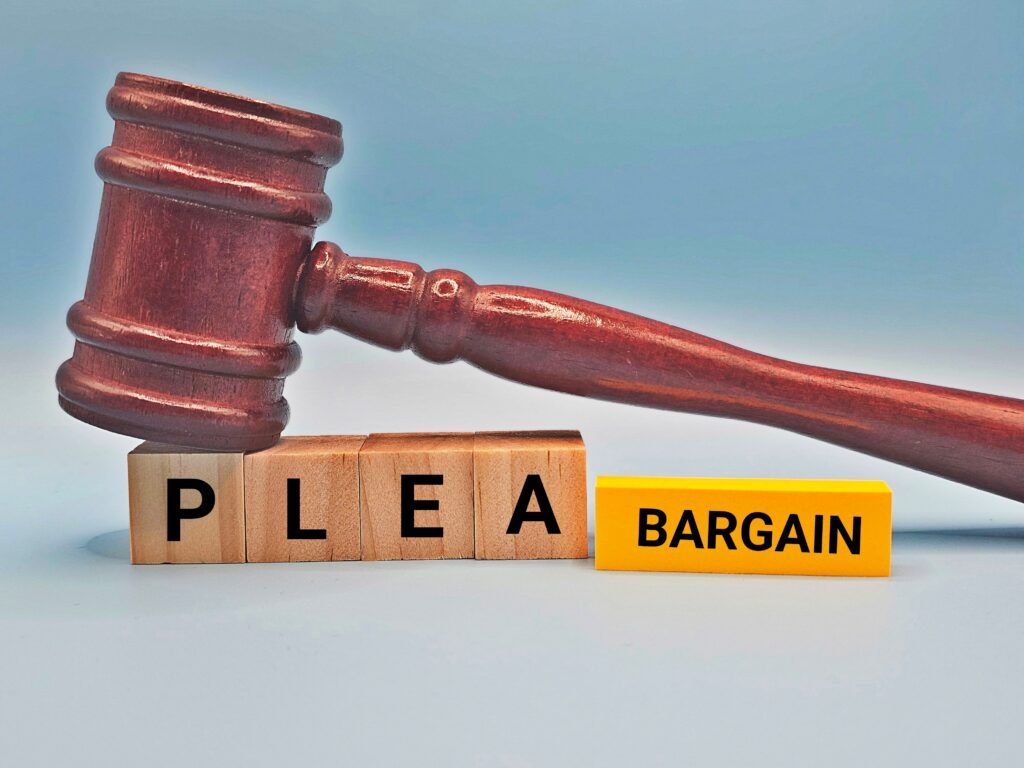
In many cases, prosecutors will charge wobbler offenses as felonies as a negotiating tactic. They know that felony charges can place enormous pressure on defendants to take a plea bargain. If they offer to reduce the charge to a misdemeanor, the defendant will likely accept the deal, and they’ll secure a conviction.
Cases involving these charges are ripe for reduction. If prosecutors filed your charges as a felony, knowing that they would likely reduce them during plea negotiations, your lawyer can ask for a reduction in exchange for a guilty plea.
Proving That You Don’t Meet the Elements for the Felony Offense
Depending on the circumstances, prosecutors may genuinely believe that you committed a felony offense, so the higher-level charges aren’t filed simply as a negotiating tactic. In this situation, your lawyer may need to gather evidence to prove that you don’t meet the elements for a felony charge.
Sometimes, the evidence will clearly establish that the felony charge is inappropriate and that the charge should be either reduced or dismissed. Alternatively, the evidence may simply raise enough doubt that prosecutors will downgrade or dismiss the charge to avoid losing at trial.
For example, the level of shoplifting charges depends on the value of the property taken. Your lawyer might have evidence that the value of the property falls below Illinois’s $300 threshold for a felony charge, while the prosecution might have evidence that the property was worth $300 or more, thereby justifying a felony charge.
In this case, prosecutors might reduce the charge to a misdemeanor to avoid an acquittal even though they have evidence to substantiate the felony.
Filing a Motion to Dismiss the Charges
Court rules allow your attorney to file a motion to dismiss any charges unsupported by evidence.
This motion may occur before trial, although the judge might delay ruling on it until they’ve heard the evidence at trial. In some cases, however, the evidence may be clear that a felony charge is unsupported, allowing the judge to dismiss it and force prosecutors to pursue a misdemeanor charge to proceed with the case.
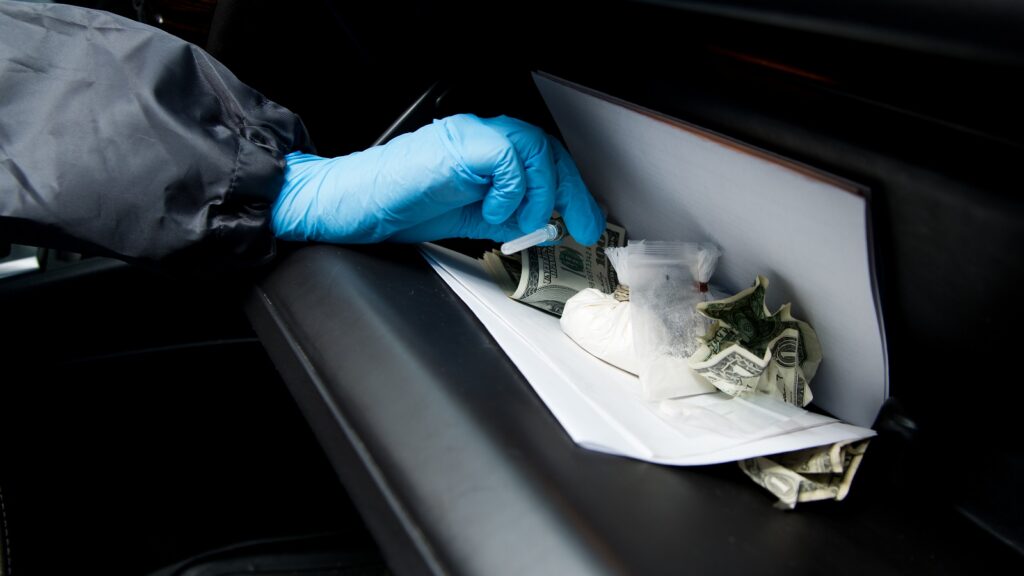
For example, suppose that you were charged with distributing a controlled substance. However, laboratory testing later proved that the substance wasn’t actually an illegal drug but a counterfeit lookalike substance. Distributing a lookalike substance is still a crime, but it’s charged as a misdemeanor.
Another example involves drug possession charges, for which the offense level depends on the amount recovered. Your lawyer might present evidence that the amount fell below the threshold for a felony charge.
Alternatives to Having a Felony Reduced to a Misdemeanor
It may also be possible to avoid some or all of the negative effects of a felony conviction without having your charges reduced. The following strategies might help you avoid felony punishment:
Offering to Plead to Alternate Charges
While not strictly a reduction, it may be possible to plead guilty to another offense that has less severe penalties.
One example is domestic violence. Aggravated domestic battery is a serious felony, while domestic battery is a misdemeanor. However, aggravated domestic battery includes several additional elements, making it harder to prove.
Therefore, you might offer to plead guilty to misdemeanor domestic battery in exchange for a dismissal of the felony aggravated domestic battery charges. Prosecutors might accept the offer, particularly if their evidence is shaky.
Seeking a Conditional Discharge
Conditional discharge is available for felony charges where the court finds that imprisonment is inappropriate. Wobbler charges often fit this description since they straddle the line between a short jail sentence and a lengthy prison term.
The drawback of conditional discharge is that you’ll have a felony conviction on your record. Even so, a conditional discharge allows you to serve your sentence on probation rather than in prison.
Contact Combs Waterkotte to Mount a Defense to Your Criminal Charges in Southern Illinois
Avoiding a felony conviction can shorten your sentence of imprisonment and prevent the stigma of a felony record. Contact us online or at (314) 900-HELP for more information about getting your felony charges reduced.