
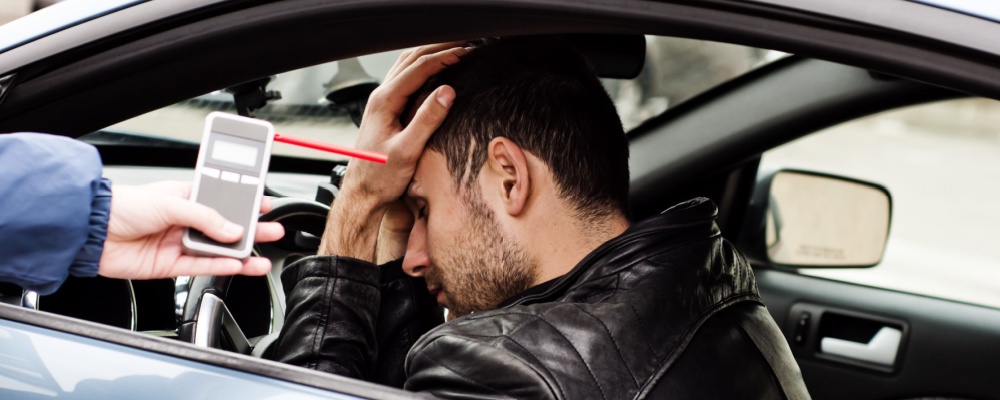
Leading felony DWI lawyer in Bowling Green, MO. A DWI arrest in Bowling Green, MO is serious under any circumstances. But when a drunk or drugged driving charge becomes a felony, the stakes change dramatically. Instead of dealing primarily with the possibility of fines, probation, and a temporary driver’s license suspension, you could be facing years in prison, a felony criminal record, and collateral consequences that can follow you for the rest of your life.
The seriousness of a felony DWI prosecution also means there may be significantly more evidence to investigate. The state could build its case around previous DWI convictions, breath and blood tests, statements made during the arrest, police video, field sobriety tests, medical evidence, accident reconstruction, and allegations involving serious physical injury or a fatality. Each piece of evidence, and the allegations being used to justify felony treatment, deserves careful scrutiny.
At Combs Waterkotte, our criminal defense attorneys represent people facing serious DWI charges throughout the Bowling Green area and across Missouri. We investigate the traffic stop, arrest, chemical testing, prior convictions, and every aggravating allegation prosecutors intend to use against you. When your freedom and future are on the line, you need someone on your side fighting to make sure the government is required to prove every element of its case beyond a reasonable doubt.
If you’re facing felony DWI charges in or around Bowling Green, MO, call Combs Waterkotte right away at (314) 900-HELP or reach out online to schedule a free, confidential consultation with an experienced DWI defense attorney.
-
Protect Your License
![Image]()
Protect Your License
You have only 15 days to request an administrative hearing. Act quickly to protect your driver’s licenses.
Reach Out Now
-
Know Your Next Steps
![Image]()
Know Your Next Steps
Wondering what happens after your DWI/DUI arrest? The experienced Combs Waterkotte attorneys have the answers.
Stay Informed
-
Get Started Now
![Image]()
Ready to Talk to an Expert?
Contact the skilled Combs Waterkotte DWI/DUI lawyers now at (314) 900-HELP to get started on your defense.
Get Started

Cases Handled
Over 10,000
Jail Days Saved
Over 1 Million
Google Reviews
500+ Perfect
Legal Experience
100+ Years
Legal Videos
Will a CDL DUI Automatically Suspend My Commercial Driving Privileges in Illinois?
Will a CDL DUI Automatically Suspend My Commercial Driving Privileges in Illinois? Combs Waterkotte attorney Joshua Boardman discusses everything you need to know about Illinois DUI criminal …
Do DUI Arrests Have to be Reported by CDL Drivers in Illinois?
Do DUI Arrests Have to be Reported by CDL Drivers in Illinois? Combs Waterkotte attorney Joshua Boardman discusses everything you need to know about Illinois DUI criminal charges, including …
How Does a Second DUI Affect a CDL in Illinois?
How Does a Second DUI Affect a CDL in Illinois? Combs Waterkotte attorney Joshua Boardman discusses everything you need to know about Illinois DUI criminal charges, including first-time DUI, second …
What Happens to My Job After a CDL DUI Arrest in Illinois?
What Happens to My Job After a CDL DUI Arrest in Illinois? Combs Waterkotte attorney Joshua Boardman discusses everything you need to know about Illinois DUI criminal charges, including first-time …
Can I Drive Commercially While My DUI Case is Pending in Illinois?
Can I Drive Commercially While My DUI Case is Pending in Illinois? Combs Waterkotte attorney Joshua Boardman discusses everything you need to know about Illinois DUI criminal charges, including …
Can a CDL DUI be Expunged or Sealed in Illinois?
Can a CDL DUI be Expunged or Sealed in Illinois? Combs Waterkotte attorney Joshua Boardman discusses everything you need to know about Illinois DUI criminal charges, including first-time DUI …
Will a CDL DUI Automatically Suspend My Commercial Driving Privileges in Illinois?
Will a CDL DUI Automatically Suspend My Commercial Driving Privileges in Illinois? Combs Waterkotte attorney Joshua Boardman discusses everything you need to know about Illinois DUI criminal …
Do DUI Arrests Have to be Reported by CDL Drivers in Illinois?
Do DUI Arrests Have to be Reported by CDL Drivers in Illinois? Combs Waterkotte attorney Joshua Boardman discusses everything you need to know about Illinois DUI criminal charges, including …
How Does a Second DUI Affect a CDL in Illinois?
How Does a Second DUI Affect a CDL in Illinois? Combs Waterkotte attorney Joshua Boardman discusses everything you need to know about Illinois DUI criminal charges, including first-time DUI, second …
What Happens to My Job After a CDL DUI Arrest in Illinois?
What Happens to My Job After a CDL DUI Arrest in Illinois? Combs Waterkotte attorney Joshua Boardman discusses everything you need to know about Illinois DUI criminal charges, including first-time …
Can I Drive Commercially While My DUI Case is Pending in Illinois?
Can I Drive Commercially While My DUI Case is Pending in Illinois? Combs Waterkotte attorney Joshua Boardman discusses everything you need to know about Illinois DUI criminal charges, including …
Can a CDL DUI be Expunged or Sealed in Illinois?
Can a CDL DUI be Expunged or Sealed in Illinois? Combs Waterkotte attorney Joshua Boardman discusses everything you need to know about Illinois DUI criminal charges, including first-time DUI …
What You’ll Learn on This Page About Bowling Green, MO Felony DWI Lawyers
A felony DWI charge in the Bowling Green, MO area carries consequences that go far beyond those associated with a typical first-time impaired driving offense. Whether you are facing charges because of prior DWI convictions, a serious accident, or allegations involving injury or death, understanding how Missouri classifies and prosecutes felony DWI cases is critical to protecting your future.
This guide explains important aspects of felony DWI cases in Bowling Green, MO, including:
- When a DWI becomes a felony in Missouri including prior offenses and other circumstances that can result in more serious charges
- How repeat offenders are categorized under Missouri law, including persistent, aggravated, chronic, and habitual DWI offenders
- What penalties may follow a felony DWI conviction, including the applicable felony levels, potential incarceration, and certain restrictions on early release
- What happens when a DWI allegedly causes serious injury or death and why causation may become a critical issue in these cases
- How the government attempts to establish intoxication and criminal responsibility through breath tests, blood tests, field sobriety tests, video recordings, witnesses, and accident evidence
- What issues could potentially undermine the prosecution’s case, from unlawful traffic stops and unreliable chemical testing to problems with prior-offense enhancements
- Why your criminal case and driver’s license case are different and why both may require immediate attention following an arrest
- What a felony DWI lawyer in Bowling Green, MO can do for your defense , particularly when substantial prison exposure and a permanent felony record are at stake
Felony DWI cases can expose defendants to years in prison and consequences that extend well beyond the courtroom. The Bowling Green, MO defense attorneys at Combs Waterkotte can examine every part of the prosecution’s case and develop a defense strategy based on the specific facts and evidence involved.
What Can Elevate a DWI to a Felony in Bowling Green, MO?
Not every DWI in Bowling Green, MO is a felony. A first-time DWI is generally prosecuted as a misdemeanor when no circumstances exist that justify more serious charges. However, under Missouri Revised Statute § 577.010, the severity of DWI charges increases when certain aggravating factors are present.
Prosecutors will typically examine both your previous driving record and the facts surrounding the current arrest when determining what charges to pursue. Circumstances that can make a DWI case considerably more serious in Bowling Green, MO include:
- A High Blood Alcohol Concentration (BAC): A BAC level of .15 or higher increases penalties and restricts alternative sentencing options.
- Prior DWI-Related Offenses: Prior qualifying offenses can place a defendant into a more serious repeat-offender category, potentially turning another DWI into a felony prosecution.
- An Accident Causing Injury or Death: Acting with criminal negligence to cause physical injury to law enforcement, emergency personnel, or any other person elevates the charge.
- Driving With a Minor: Driving intoxicated with a child under the age of 17 in the vehicle makes a first offense a Class A misdemeanor, and a subsequent occurrence a felony.
- Other Complicating Circumstances: Driving with a suspended or revoked license or refusing a chemical test can compound the severity of the charges.
As a result, a felony DWI defense can involve multiple issues at the same time. A Bowling Green, MO DUI defense attorney may challenge the evidence that you were intoxicated while separately contesting the prior convictions, injury allegations, or other factors the prosecution claims support felony-level charges.
Pike County Resources
Below are quick links to important websites that may assist you with your legal matters in Pike County and Missouri.
Bowling Green, MO Felony DWI Charges Based on Prior Offenses
Missouri uses different classifications for repeat DWI offenders. These classifications become increasingly serious as qualifying prior offenses accumulate. Under RSMo § 577.023, these classifications are:
Persistent Offender in Bowling Green, MO
A person may face enhanced DWI charges as a persistent offender based on qualifying prior intoxication-related traffic offenses. A DWI prosecuted under this classification can become a felony, exposing the defendant to substantially greater consequences than those associated with an ordinary misdemeanor DWI.
Aggravated Offender
Aggravated offender status applies to defendants with a more substantial history of qualifying intoxication-related traffic offenses or certain serious prior DWI-related offenses. The designation increases the severity of the felony charge and can result in greater potential prison exposure.
Chronic Offender
Missouri law also recognizes chronic offenders, who face even greater criminal exposure based on their history of qualifying DWI-related offenses. At this level, prosecutors may seek substantial prison time, making careful examination of every prior conviction critical to the defense.
Habitual Offender
Habitual offender status can place a defendant among the most seriously prosecuted repeat DWI offenders in Bowling Green, MO. Although the potential penalties are severe, the classification is not automatic simply because a person has multiple prior DWI cases. Prosecutors must prove that the defendant’s record contains the qualifying offenses required to establish habitual offender status.
Our DWI attorneys in Bowling Green, MO examine court records, charging documents, dispositions, plea records, and other evidence surrounding prior cases to determine whether prosecutors can actually establish the required offender classification.
Felony DWI Sentencing and Repeat Offender Penalties in Missouri
Missouri’s DWI penalties become increasingly severe when a defendant has qualifying prior intoxication-related traffic offenses. In Bowling Green, MO, persistent offender status can elevate a DWI to a felony, while aggravated, chronic, and habitual offender classifications can expose defendants to progressively higher felony levels and substantially longer prison sentences.
| Offender Status | Qualifying Offense History | Level of Offense | Potential Prison Sentence | Minimum Time Before Parole or Probation |
|---|---|---|---|---|
| Prior Offender | One prior intoxication-related traffic offense within the applicable 5-year period | Class A misdemeanor | Up to 1 year | Generally 10 days, subject to statutory community service or treatment alternatives |
| Persistent Offender | Two or more intoxication-related traffic offenses committed on separate occasions, or certain prior intoxication-related offenses involving injury or death | Class E felony | Up to 4 years | Generally 30 days, subject to statutory community service or treatment alternatives |
| Aggravated Offender | Three or more intoxication-related traffic offenses, or qualifying combinations involving prior DWI offenses that caused injury or death | Class D felony | Up to 7 years | At least 60 days |
| Chronic Offender | Four or more intoxication-related traffic offenses, or certain combinations of prior offenses involving injury or death | Class C felony | 3 to 10 years | At least 2 years |
| Habitual Offender | Five or more intoxication-related traffic offenses, or certain combinations of prior offenses involving injury or death | Class B felony | 5 to 15 years | At least 2 years |
Keep in mind: Repeat-offender classification is not determined solely by counting previous DWIs. Qualifying intoxication-related offenses involving physical injury or death can affect how a defendant is classified, meaning persistent, aggravated, chronic, or habitual offender status may apply even when the defendant has fewer prior offenses than the classifications might otherwise suggest.
The consequences of a felony DWI in Bowling Green, MO can continue long after the criminal sentence ends. A conviction may interfere with employment, professional licensing, housing, education, immigration consequences, firearm rights, and other aspects of your life. Repeat DWI convictions can also make any future intoxication-related driving allegation substantially more dangerous.
That is why hiring a skilled Bowling Green, MO DWI defense attorney should begin as early as possible.
Bowling Green, MO Serious Injury Allegations in a Felony DWI Case
When another person suffers serious injuries in an alleged impaired-driving crash, what might otherwise be a less serious DWI case in Bowling Green, MO, can carry dramatically greater criminal exposure. Depending on the accident, the injured person could be:
- Drivers of other vehicles
- Passengers
- A pedestrian
- A cyclist
- A motorcyclist
- An emergency responder
- A worker in a highway or construction zone
- Another person affected by the collision
The existence of an injury does not automatically establish criminal responsibility. Prosecutors still have to connect the defendant’s alleged intoxication and conduct to the injury. That makes causation a critical issue in many felony DWI accident cases.
A collision may have involved another motorist speeding, disregarding a traffic signal, making an unsafe lane change, or engaging in other conduct that contributed to the accident. Poor road conditions, limited visibility, mechanical problems, and additional circumstances can also influence how and why a crash occurred. A thorough felony DWI defense therefore needs to look beyond BAC results and examine the evidence surrounding the collision itself.
DWI Resulting in Death in Bowling Green, MO
The consequences become even more severe when prosecutors allege that an intoxicated driver caused a fatal collision. These cases carry enormous emotional weight. Prosecutors may face significant pressure to obtain a conviction, and defendants can face substantial prison sentences if convicted.
Still, the occurrence of a death does not automatically establish that the accused caused it. Determining criminal responsibility may require a detailed investigation of evidence including:
- The sequence of events leading to the crash
- Vehicle speeds before impact
- Braking and steering activity
- Traffic signals and signs
- Weather and roadway conditions
- Dash-camera and surveillance recordings
- Damage to the vehicles
- Event data recorder information
- Witness testimony
- Toxicology evidence
- Accident reconstruction findings
- Whether another motorist’s actions contributed to the fatal collision
There is an important legal distinction between being involved in an accident in which someone dies and being criminally responsible for causing that death while intoxicated. When the circumstances require it, our DWI defense attorneys in Bowling Green, MO can work with investigators and expert witnesses to independently examine the collision and challenge weaknesses in the government’s accident reconstruction.
What Evidence Do Prosecutors Use in Felony DWI Cases in Bowling Green, MO?
Felony DWI cases can involve a much broader investigation than a routine impaired-driving arrest. Depending on the circumstances, law enforcement and prosecutors may attempt to build their case using evidence such as:
- Police observations and reports
- Dash-camera recordings
- Body-cam video
- Field sobriety testing
- Breathalyzer test results
- Blood or urine testing
- Hospital records
- Eyewitness accounts
- 911 recordings
- Surveillance video
- Electronic vehicle data
- Cellphone records
- Accident reconstruction reports
- Prior DWI records
Having evidence and proving a felony DWI beyond a reasonable doubt are not the same thing.
Every category of evidence can raise its own questions. An officer’s recollection may conflict with camera footage. A witness may have seen only part of what happened. Field sobriety tests may have been conducted under poor conditions or administered incorrectly. Chemical testing can involve equipment or procedural errors, while accident reconstruction conclusions may change when additional evidence is considered. A careful defense investigation can test whether the prosecution’s evidence actually supports the conclusions the government claims it does.
How Reliable Are Breath and Blood Tests in Bowling Green, MO DWI Cases?
A BAC result may be powerful evidence for prosecutors, but it is not necessarily unquestionable. Breath-testing devices must be properly maintained and operated. Blood samples must be properly collected, preserved, transported, tested, and documented. Errors anywhere in that process can raise questions about reliability.
Potential issues may include:
- Whether the breath-testing device was properly calibrated
- Testing equipment problems
- Failure to follow required procedures
- Possible contamination of blood evidence
- Improper sample storage
- Chain-of-custody problems
- Delays between driving and testing
- Errors during laboratory analysis
- Medical conditions that could influence testing
- Questions about how toxicology findings were interpreted
In a serious accident case, chemical evidence may originate from blood drawn during emergency medical treatment rather than a routine DWI investigation. An experienced Bowling Green, MO felony DWI lawyer can investigate the circumstances surrounding the blood draw, trace the handling of the sample, examine the testing methodology, and determine whether there are grounds to challenge the reliability or admissibility of the prosecution’s chemical evidence.
Arrested on a felony DWI allegation in Bowling Green, MO? When you hire Combs Waterkotte a felony DWI lawyer in the Bowling Green, MO area, you aren’t simply selecting an ideal felony DWI defense attorney in Bowling Green, MO and throughout Missouri – you are securing your rights, your freedom, and your future. In addition to experienced felony DWI defense attorneys, our legal team is available 24/7 and offers expertise in the following areas for residents in Bowling Green, MO:
Potential Strategies for Defending a Felony DWI in Bowling Green, MO
Every felony DWI case presents different legal and factual issues. The strongest defense strategy will depend on the circumstances surrounding the traffic stop or accident, the observations made by law enforcement, the chemical testing involved, and the specific allegations prosecutors are using to pursue felony-level charges.
Depending on the facts of your case, defense strategies for winning your DWI case may include:
Challenging the Legality of the Traffic Stop
A police officer cannot simply stop a motorist without sufficient legal justification. When the circumstances do not legally justify the traffic stop in Bowling Green, MO, a defense attorney may challenge evidence law enforcement obtained afterward.
If critical evidence is suppressed, prosecutors may have difficulty proceeding with the case.
Questioning the Reliability of Chemical Testing
Breath and blood testing procedures are technical, but they are not infallible. Your attorney can investigate whether equipment, personnel, laboratory procedures, and sample handling complied with applicable requirements.
Challenging Evidence of Intoxication or Impairment
Many behaviors police associate with intoxication can have other explanations. Fatigue, anxiety, physical injuries, medical conditions, confusion, and nervousness can all affect how someone speaks, moves, or responds during an encounter with law enforcement.
Dash-camera and body-camera recordings may also provide objective evidence that contradicts or places an officer’s observations into a different context.
Disputing What Caused the Accident or Injuries
When a felony DWI prosecution involves serious injury or death, establishing intoxication may be only one part of the government’s case. Prosecutors may also need to prove that the defendant’s conduct legally caused the resulting harm.
Evidence involving vehicle speeds, road conditions, mechanical failures, traffic signals, another driver’s actions, or accident reconstruction may raise questions about whether the defendant actually caused the collision or resulting injuries.
Challenging Prior-Offense Enhancements
When felony status depends on previous intoxication-related offenses, those prior cases deserve careful examination.
The prosecution must establish that the prior offenses satisfy the requirements for the enhancement being sought. Questions about the nature of a prior conviction, available court records, or whether an offense legally qualifies may affect the severity of the current charge.
What Should You Do After a Felony DWI Arrest in Bowling Green, MO?
What you do following a felony DWI arrest can have consequences for both the criminal prosecution and your driving privileges. If you have been arrested for felony DWI in or around Bowling Green, MO, consider taking the following steps:
Step 1: Avoid Answering Questions About the Case Without Your Attorney
You are not required to help investigators build the criminal case against you. Police may ask additional questions about where you were, what you consumed, or how an accident occurred. Use your right to remain silent and consult your Bowling Green, MO felony DWI defense attorney before providing statements about the allegations.
Step 2: Keep the Details of Your Case Off Social Media
Social media can create evidence that did not otherwise exist. Posts, photographs, comments, videos, location information, and conversations about the arrest or accident may be taken out of context or used during the prosecution. Avoid posting details about the case while it remains pending.
Step 3: Preserve All Evidence
Preserve photographs, videos, messages, receipts, location information, rideshare records, and anything else connected to the incident. These materials may help establish what happened before, during, or after the alleged offense and give your defense attorney additional information to investigate.
Step 4: Organize Your Court and Driver’s License Documents
Do not throw away notices, citations, bond paperwork, court documents, or driver’s license correspondence you receive following your arrest. A DWI in Bowling Green, MO can involve both a criminal case and separate administrative driver’s license proceedings. These documents may contain important deadlines and information your attorney needs to review.
Step 5: Speak With an Experienced Bowling Green Felony DWI Defense Attorney as Soon as Possible
Felony DWI cases can involve chemical testing, prior convictions, accident reconstruction, witness testimony, video evidence, and serious sentencing exposure. Getting a knowledgeable Bowling Green, MO felony DWI attorney involved early provides more time to investigate what happened, preserve favorable evidence, examine the state’s allegations, and begin developing your defense.
Waiting gives prosecutors additional time to build their case while potentially allowing favorable evidence to disappear. The sooner your defense begins investigating, the greater the opportunity to preserve evidence and identify issues that could affect the outcome of your case.
Why Choose Combs Waterkotte for a Felony DWI Case in Bowling Green, MO?
When you are facing felony DWI charges, the outcome can affect your freedom and future for years to come. A case with consequences this serious requires a defense built to address every aspect of the government’s allegations.
At Combs Waterkotte, we understand that the government’s version of events is only one side of the story. Police reports, chemical test results, prior convictions, and accident allegations all need to be examined rather than simply accepted.
When we represent someone facing felony DWI charges in Bowling Green, MO, our defense team can:
- • Investigate what happened before, during, and after your DWI arrest
- • Challenge a traffic stop that was not supported by sufficient legal justification
- • Review field sobriety testing
- • Scrutinize breath, blood, and urine testing for procedural or reliability problems
- • Determine whether prior Bowling Green, MO DWI convictions legally support the enhancement prosecutors are seeking
- • Investigate allegations involving serious physical injury or a fatal collision
- • Compare police reports with dash-camera and body-camera recordings
- • Interview witnesses
- • Bring in qualified experts and additional resources
- • Challenge illegally obtained or unreliable evidence
- • Utilize a client-centered approach, negotiate with prosecutors when doing so serves your interests
- • Build a trial-ready defense when the prosecution refuses to reach a fair resolution
There is no reason your felony DWI defense should look exactly like someone else’s. Combs Waterkotte builds a strategy around your Bowling Green, MO case, the evidence against you, and what is at stake for your future.
Contact a Felony DWI Attorney in Bowling Green, MO Right Away
Felony DWI charges can put far more than your driving privileges at risk. A conviction may mean substantial prison time, a felony record, damage to your career and reputation, and consequences that continue long after the criminal case is over. With so much at stake, every aspect of the prosecution’s allegations deserves careful examination.
At Combs Waterkotte, we defend clients accused of felony DWI throughout Bowling Green and across Missouri. Whether the state is attempting to enhance your charge because of prior DWI convictions, an alleged high BAC, a serious collision, injuries, or other aggravating circumstances, our attorneys can examine the evidence, challenge weaknesses in the government’s case, and develop a defense based on your specific circumstances.
Call Combs Waterkotte at (314) 900-HELP or contact us online today to discuss your case with an experienced Bowling Green, MO felony DWI lawyer.

