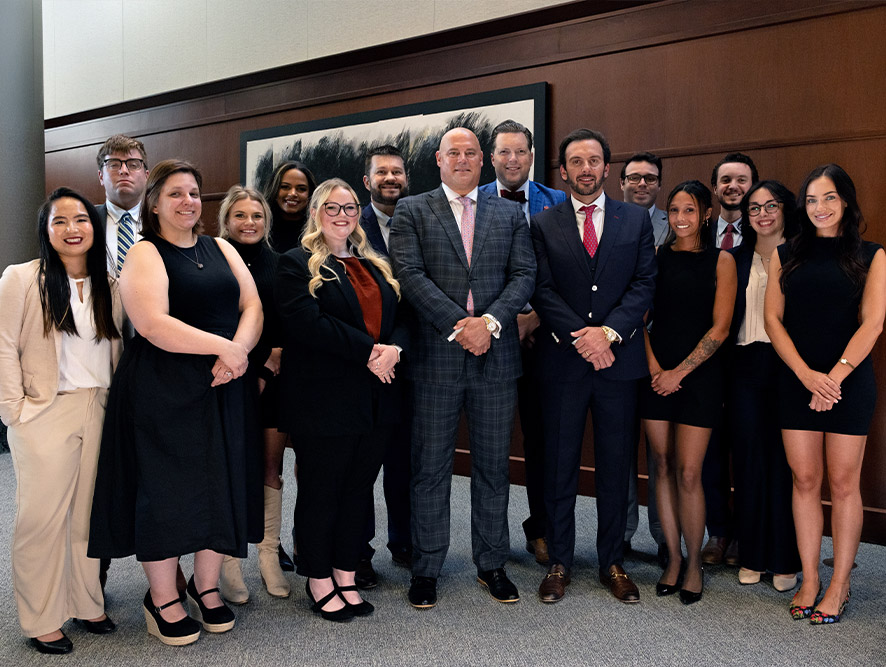
A federal criminal defense lawyer in Louisiana represents clients in complex legal battles within the federal criminal justice system – with potential outcomes like incarceration, financial ruin, and irreversible reputational damage.
Federal criminal cases in Louisiana differ significantly from typical state-level prosecutions: the stakes are higher, the procedures are stricter, and the prosecutors have more resources at their disposal.
If federal charges are on the table — or even just being discussed — it’s critical to begin your defense immediately. Federal agencies like the FBI, DEA, or IRS often conduct investigations for months before making an arrest – and when they act, they do so quickly.
This isn’t something you should try to handle on your own, Combs Waterkotte‘s Louisiana federal criminal defense lawyers are ready to step in early with proven federal defense experience – backed by deep knowledge of the federal court system and a track record of protecting our clients’ rights. Don’t wait until your options disappear — early action is your best defense.
Cases Handled
Over 10,000
Jail Days Saved
Over 1 Million
Google Reviews
400+ Perfect
Legal Experience
Over 60 Years
Article Summary
- Federal crimes are prosecuted in U.S. District Courts and typically involve violations of federal law, crimes across state lines, or offenses investigated by federal agencies.
- Common federal charges include drug trafficking, wire fraud, tax evasion, money laundering, weapons offenses, and cybercrime.
- Federal cases differ from state cases due to their stricter rules, longer sentences, and federal prosecutorial teams.
- The federal legal process includes investigation, indictment, arraignment, pretrial motions, plea negotiations, trial, and sentencing.
- Early legal intervention is critical – especially if you’ve been contacted by federal agents, received a grand jury subpoena, or believe you may be under investigation.
- Our firm provides aggressive, experienced federal defense in Louisiana and offers immediate case evaluations and no-cost consultations to begin building your defense.
Free book
Facing Federal Criminal Charges? Why They’re Different and How to Win
Combs Waterkotte, a leading federal criminal defense law firm, has handled over 10,000 cases successfully. This ebook guides you through the federal criminal defense process, how federal charges are different, and how to win.
When Does a Crime Become a Federal Offense in Louisiana?
The Tenth Amendment of the U.S. Constitution generally leaves criminal law to the states. Typically, charges like assault, theft, or DUI are prosecuted at the state level.
But when a crime affects national interests, crosses state lines, or involves federal property or agencies, it falls under the jurisdiction of the federal government.
A case is typically federal when:
- It violates a federal statute such as those involving drug trafficking, wire fraud, or weapons offenses.
- It involves multiple states or affects interstate commerce.
- It happens on federal property (like federal land, courthouses, or national parks).
- It targets the federal government, involving crimes against institutions like the IRS, federal courts, or elected officials.
- It involves serious, complex, or national-level criminal activity where national security, federal oversight, or coordinated enforcement applies.
Key takeaway:
Federal crimes are not just more serious because of who investigates or prosecutes them. The federal legal process differs in rules, sentencing, and procedural structure from Louisiana’s state court cases. That’s why working with a defense attorney experienced in the federal court system is essential.
Types of Federal Charges We Defend in Louisiana
Federal criminal cases cover a wide range of offenses – from complex financial crimes to drug trafficking and violent acts that cross state lines. While every type of charge has different legal challenges, they all pit you against a powerful federal prosecution.
Our Louisiana-based federal defense team at Combs Waterkotte defends clients against a wide range of serious federal charges, such as:
- Federal drug trafficking and distribution
Involves producing, transporting, or distributing illegal drugs — often with interstate or international elements. - Federal wire fraud and federal mail fraud
Applies to cases where someone uses digital or postal channels to deceive victims — often involving complex investment or scam allegations. - Federal money laundering
The process of disguising the source of criminal proceeds by routing them through legitimate financial systems. - Federal tax evasion and financial crimes
Underreporting income, failing to file returns, or defrauding the IRS — often accompanied by related white-collar offenses. - Federal weapons offenses
Includes unlawful possession, trafficking, or use of firearms – especially by prohibited persons or in furtherance of a drug or violent crime. - Federal child exploitation and federal child pornography offenses
Handled with strict penalties and zero tolerance at the federal level — requiring experienced, discreet advocacy. - Federal cybercrimes
Computer fraud, identity theft, hacking, and data breaches – especially those affecting interstate commerce or federal interests. - Federal public corruption and bribery
Involves schemes to influence federal actions or decisions through illegal payments or favors. - Immigration-related offenses
Includes illegal reentry, document fraud, or harboring undocumented individuals – often triggered by ICE or DHS investigations.
To compare:
A theft case in state court may be resolved quickly by local authorities, but federal fraud charges can trigger complex investigations involving the FBI, expert analysts, and a grand jury. That difference in scale changes not just the risk, but how your defense must be built from day one.
What to Expect in the Federal Criminal Process in Louisiana
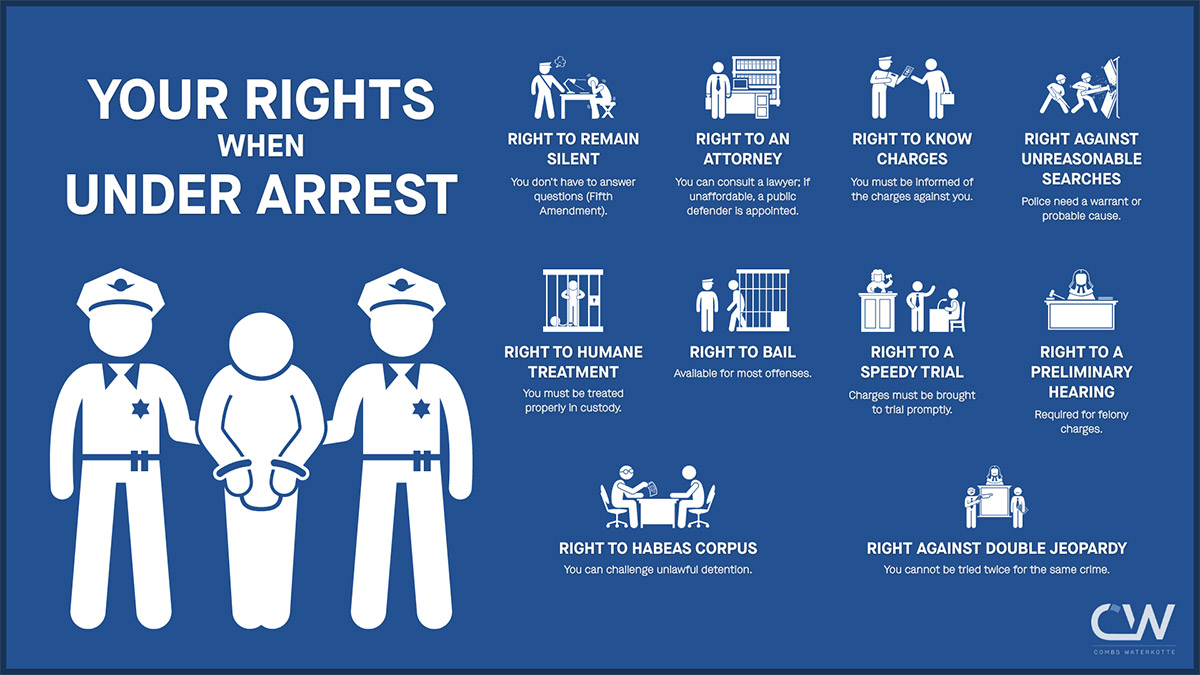
Being charged in federal court is a completely different experience from state-level prosecution. Often, the federal process starts behind the scenes — sometimes months before charges are filed.
Here’s how a typical federal criminal case unfolds:
Step 1: Investigation
Federal investigations are often extensive and conducted in secret. Agencies like the FBI, DEA, or IRS can spend months or even years gathering evidence before moving forward with an arrest.
Most common mistake: Delaying legal help until after you’ve been charged — rather than acting during the investigation. Getting counsel early gives us more options to influence the outcome.
Step 2: Indictment
Prosecutors seeking to file formal charges bring the matter to a federal grand jury for review.
When the grand jury returns an indictment, it means formal federal charges are filed — frequently the first moment a person realizes they’re in serious legal jeopardy.
Step 3: Arraignment and Pretrial Motions
You’ll appear in court to enter a plea. This is where a skilled Louisiana federal criminal defense lawyer begins shaping the case – by challenging evidence, filing suppression motions, and negotiating favorable conditions for release.
Strong early motions and investigations can sometimes result in charges being dropped.
Step 4: Plea Negotiations or Trial
Many federal cases end in a plea agreement, but not all. We prepare every case as if it’s going to trial, and we’re ready to present your defense when that day comes.
Trials in federal court demand sharp advocacy skills and an intimate knowledge of the Federal Rules of Evidence.
Step 5: Sentencing (if applicable)
In federal court, sentencing is determined under the Federal Sentencing Guidelines — with factors like criminal history and financial impact playing major roles.
In some cases, mandatory minimums limit the judge’s discretion — increasing the stakes at sentencing.
Step 6: Appeals (if applicable)
If convicted, you may be able to appeal — but the process demands precision and thorough knowledge of federal appellate rules.
In summary:
Federal criminal cases move quickly and follow strict procedural rules. You need someone ready to match the federal government’s resources with experience, strategy, and relentless advocacy.
Our Approach to Defending Federal Criminal Cases in Louisiana
Successfully handling a federal case takes more than knowing the law – it requires timing, strategy, and the ability to respond to an aggressive and complex system.
At every stage, we emphasize fast action, deep analysis, and tailored legal advocacy designed around your needs.
Step 1: Early Intervention
The best time to call a lawyer is before you’re charged. Any contact from federal agents — whether it’s a subpoena or a target letter — signals that prosecution is likely on the horizon.
Our role starts with direct communication with the prosecution, asserting your rights, and helping shape the case before charges are finalized.
Step 2: Strategic Investigation
We don’t wait for prosecutors to define the facts. Our team works with professional investigators, digital forensic experts, and other specialists to uncover mitigating evidence, challenge assumptions, and build a defense based on the full picture, not just the government’s version of events.
Step 3: Realistic Negotiation
In many cases where the state’s evidence is strong, especially where mandatory minimums apply, negotiating a smart plea deal is key to avoiding disastrous outcomes.
We know how to navigate plea discussions while preserving leverage, and we always prepare for trial – whether we expect to go to one or not.
You’ll get the facts, the risks, and the strategy — but the choice is always yours.
Step 4: Trial Readiness
When trial is necessary, we bring proven trial attorneys with a track record of federal victories to the table. We cross-examine aggressively, shape compelling arguments, and deliver your defense with confidence in court.
Step 5: Sentencing Advocacy
If your case results in a conviction, our work isn’t over. Our team crafts persuasive sentencing arguments, emphasizing mitigating circumstances to secure the lowest sentence possible under — or outside — the Federal Sentencing Guidelines.

Free book
How to Choose a Criminal Defense Lawyer
Charged with a crime? The lawyer you hire matters. Combs Waterkotte, recognized for top-tier criminal defense in Missouri and Southern Illinois, created this guide to help you find the right attorney. Learn what to look for, key questions to ask, and red flags to avoid.
Why Choose Combs Waterkotte as Your Louisiana Federal Criminal Defense Lawyers?
Federal cases demand a different level of skill — and not all Louisiana lawyers or law firms are built to handle that pressure. We’ve gone toe-to-toe with federal prosecutors, protected our clients’ rights, and helped them avoid life-altering outcomes.
What makes our approach different:
- Focused federal experience
We have a proven record of defending clients in federal court in Louisiana and beyond, and understand how local judges, prosecutors, and procedures operate. - Serious strategy, not surface-level support
We approach each case with a comprehensive strategy that accounts for federal processes and the specific facts involved — not cookie-cutter legal advice. - Responsive, personal service
Our Louisiana federal criminal defense lawyers see you as more than just a case number. We answer our phones 24/7, return calls, explain things in plain English, and treat your situation with the urgency and attention it deserves. - Results that matter
Whether through dismissals, favorable plea deals, or courtroom acquittals, we’ve helped our clients avoid long prison terms and reclaim their lives.
Take Action Now – Call a Federal Criminal Defense Lawyer in Louisiana Now
If you’re being investigated or have been charged with a federal crime in Louisiana, there is no time to wait. One wrong move early on can make your defense harder — but early legal action gives you power and control.
Our consultations are private, informative, and designed to help you understand what’s happening and how to respond. Don’t wait until court is around the corner — our Louisiana federal defense team is prepared to act immediately on your behalf.
Call (314) 900-HELP or connect online — and let’s start fighting for your future now.