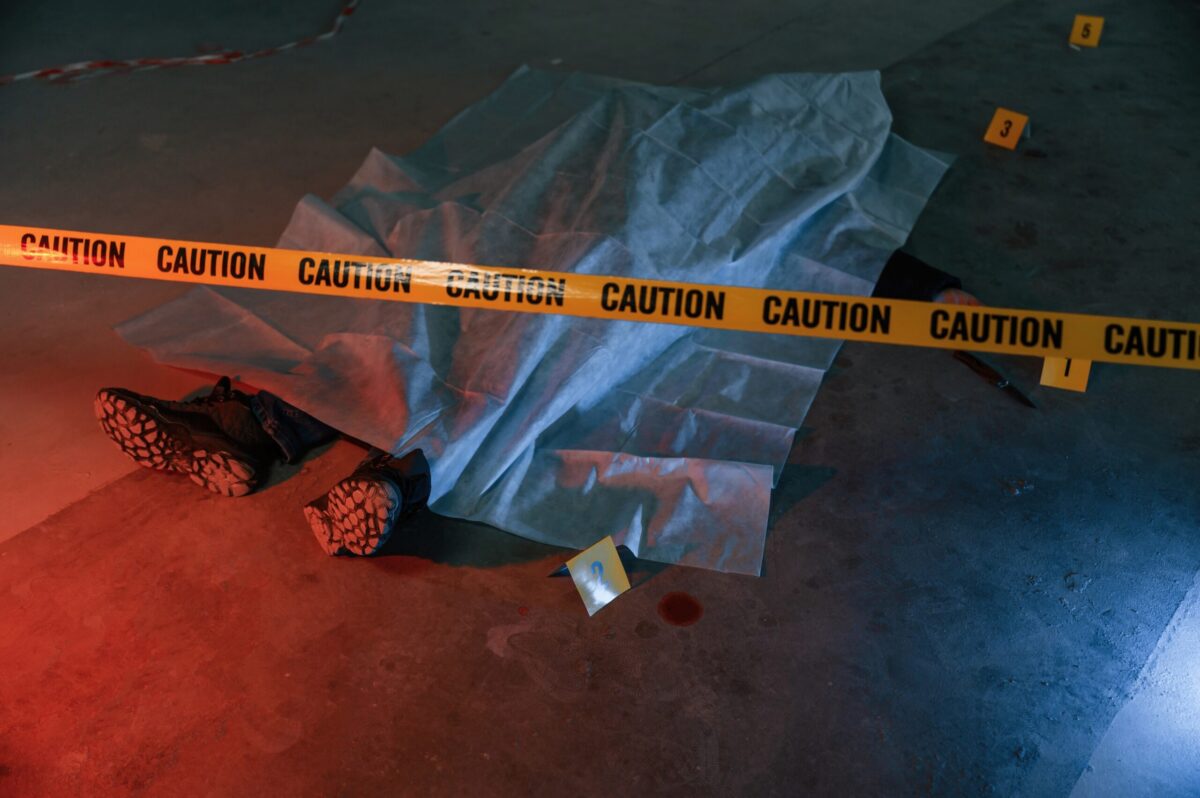







What is a Second-Degree Involuntary Manslaughter Charge in Missouri?
Second-degree involuntary manslaughter involves criminal negligence—meaning a person failed to recognize a substantial and unjustifiable risk that resulted in death. This differs from first-degree involuntary manslaughter, where the risk is known but ignored.
Generally charged as a Class E felony, it can be elevated to a Class D felony if the victim is a law enforcement officer.
If you're facing second-degree involuntary manslaughter charges in St. Louis, we are ready to go to bat for you. To protect your future now, call our St. Louis second-degree involuntary manslaughter lawyers today at (314) 900-HELP.
Examples of Common Cases in St. Louis
Examples of situations that may lead to charges include:
- Negligent firearm handling
- Leaving a child in a dangerous situation
- Unsafe work conditions leading to death
- Providing dangerous substances
- Operating machinery in a grossly negligent manner
Some cases—such as negligent driving or unsafe handling of dangerous situations—may be charged as either first or second-degree manslaughter depending on the facts.
Penalties for Second-Degree Manslaughter
Penalties typically include:
- Up to 4 years in prison
- Fines up to $10,000
- A permanent felony record
Penalties may increase if the victim is a law enforcement officer.
What Happens After an Arrest?
- Initial appearance and bond hearing
- Arraignment
- Preliminary hearing
- Pre-trial motions and discovery
- Trial or plea negotiations
- Sentencing
- Appeals
What to Do After Arrest
Take these steps immediately:
- Remain silent and request an attorney
- Do not post on social media
- Do not consent to searches
- Do not contact the victim’s family
- Hire an experienced defense lawyer
How Prosecutors Prove the Case
The prosecution must prove that you failed to recognize a substantial and unjustifiable risk that resulted in death.
- Evidence of dangerous conduct
- Proof that the risk should have been obvious
- Direct causation of death
They may rely on witness testimony, forensic evidence and expert analysis.
Defenses Available to You
Depending on your case, defenses may include:
- Lack of criminal negligence
- No direct causation
- Another party responsible
- Self-defense
- Insufficient evidence
- Constitutional violations- such as Fourth Amendment violations, Fifth Amendment violations or Miranda Rights violations
- Misidentification
We may also seek to reduce charges to lesser offenses such as careless driving or child endangerment.