






Additional Links
- Legal Video | Everything You Need to Know About Criminal Defense Cases in Missouri
- Legal Video | How Long Do Misdemeanors Stay On Your Record?
- Legal Video | Can Criminal Charges Be Dropped?
- Legal Video | Can I Lose My Job If I’m Charged With a Crime?
- Legal Video | Can Police Lie About Charges?
- Legal Video | Do Expunged Records Show Up On Background Checks?
- What is the Statute of Limitations for Criminal Charges in Missouri?
- What Is the Difference Between Being Charged and Convicted?
- If I’m Innocent, Do I Still Need a Criminal Defense Attorney?

2nd Degree Property Damage Lawyer in St. Louis, Missouri
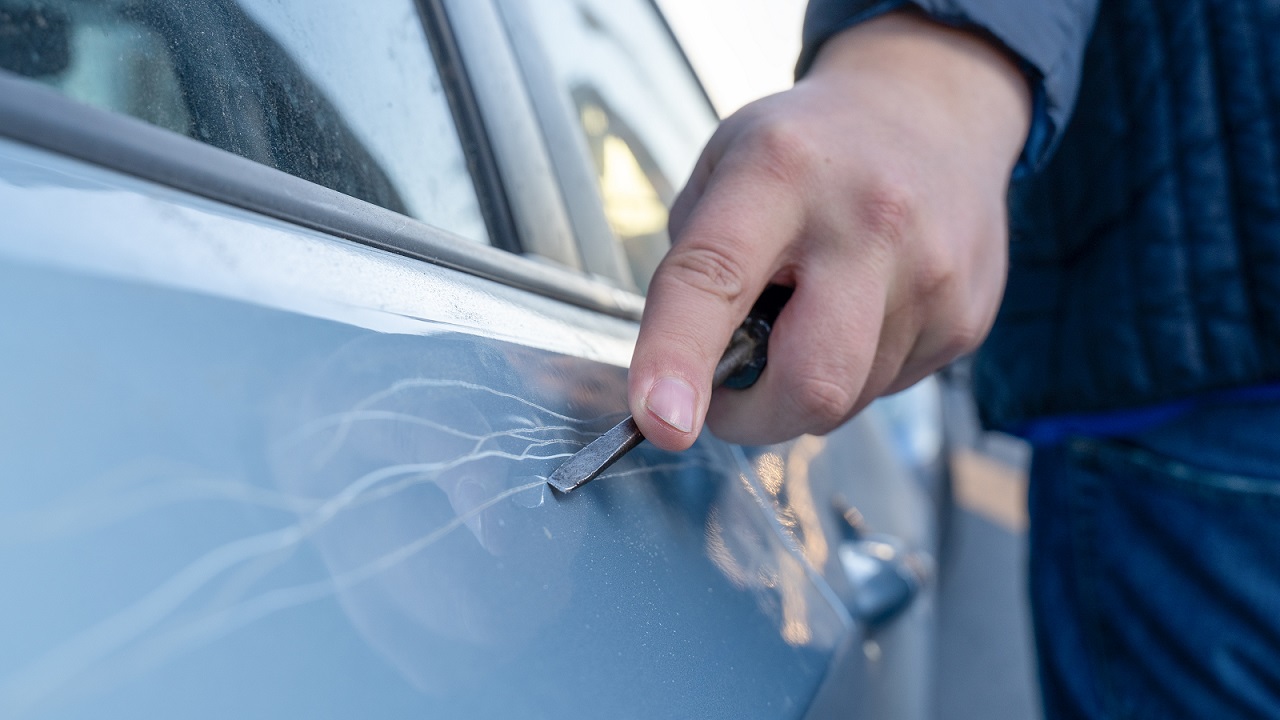
A second degree property damage charge in St. Louis, Missouri can carry real consequences that follow you long after your case is resolved. Fines, potential jail time, and a lasting criminal record are all on the table. Trying to handle these charges on your own can put you at a serious disadvantage, especially when prosecutors are working against you to secure a conviction.
At Combs Waterkotte, we bring more than 100 years of combined criminal defense experience to every case we handle. Our team understands how St. Louis prosecutors approach property damage charges, and we use that insight to build strategic defenses tailored to each client’s unique situation. We don’t believe in one-size-fits-all representation. Instead, every case gets the individualized attention and analysis it deserves.
“Excellent professional service. [Combs Waterkotte] goes above and beyond to make sure [their] clients are well taken care of. I’ve used [them] for numerous cases. Unlike most attorneys, the communication and dedication [they bring] is wonderful. Would definitely recommend!”
-A.B. | Combs Waterkotte Client
When you choose Combs Waterkotte, we take the time to understand your side of the story and investigate every detail of the allegations against you. From examining evidence and witness statements to identifying weaknesses in the prosecution’s case, we use our vast resources to position you for the best possible outcome. Whether that means negotiating for reduced charges or preparing for trial, we’re ready to advocate for you at every stage.
If you’re facing a second degree property damage charge in St. Louis, don’t wait to get the legal help you need. The sooner you involve an experienced criminal defense attorney, the better your chances of protecting your record and your future. Contact Combs Waterkotte today at (314) 900-HELP or reach out to us online to start defending your future today.
What Is 2nd Degree Property Damage in St. Louis, Missouri?
There are several property crimes under Missouri law that cover offenses from high-level theft to arson. Second degree property damage is covered under RSMo §569.120. The statute defines the offense as:
- Knowingly damaging the property of another, or
- Damaging property for the purpose of defrauding an insurer
The word “knowingly” is important here, as it separates an intentional criminal act from a mere accident. RSMo §556.061 contains several definitions that govern Missouri criminal law, and it defines “knowingly” as:
- Circumstances in which a person is aware of his or her conduct
- A person is aware that their conduct is practically certain to cause a certain result
This means that property damage that comes as a result of a legitimate accident may not be considered criminal property damage in many cases. Many criminal defense strategies against second degree property damage charges use this language in the statute to challenge intent.
What Is the Difference Between 1st and 2nd Degree Property Damage in St. Louis?
While Missouri law around second degree property damage covers damage to property of an unspecified amount, first degree property damage is a bit more specific. A person can be charged with property damage in the first degree in St. Louis when they:
- Knowingly damage at least $750 worth of someone else’s property
- Damage at least $750 worth of property to defraud an insurer
- Break into a motor vehicle to steal it (or steal things from it)
- Knowingly damage or destroy an ATM
Not only does Missouri’s first degree property damage statute assign a dollar value to property damage, but it also introduces the vehicle and ATM aspects of the crime that aren’t present in the second degree property damage statute. It’s these elevated actions that result in different penalties for first and second degree property damage in St. Louis.
What Are the Penalties for 2nd Degree Property Damage in St. Louis?

While first degree property damage is charged as a felony in St. Louis, Missouri, second degree property damage is charged as a misdemeanor. And while misdemeanors carry lesser penalties than felonies under Missouri law, anyone charged with second degree property damage should still take the charges very seriously and hire a criminal attorney right away.

The base-level charge for a second degree property damage conviction in St. Louis is a Class B misdemeanor. A conviction for a Class B misdemeanor can result in up to 6 months in jail and a possible fine of up to $1,000.
However, the offense becomes a Class A misdemeanor if:
- The offender knowingly damages the property of a law enforcement officer
- The offender knowingly damages the property of a relative of a law enforcement officer
These elevated penalties for offenses against law enforcement are common throughout Missouri’s Revised Statutes. In St. Louis, a person convicted of a Class A misdemeanor can spend up to 1 year in St. Louis City jail or St. Louis County jail and pay a fine up to $2,000.
Criminal Defense Strategies Against 2nd Degree Property Damage Charges in St. Louis
If you’ve been arrested for or charged with second degree property damage in St. Louis, Missouri, it’s critical to hire a criminal defense lawyer. A good attorney will be able to use the criminal defense strategies below to help get your property damage charges reduced or dismissed.
Lack of Intent
In St. Louis, second-degree property damage often hinges on whether the defendant knowingly damaged property. If the incident was accidental, like backing into a fence, mishandling equipment, or causing unintended damage, this defense can work well. Demonstrating that the act lacked intent or awareness may prevent the prosecution from meeting its burden. In many cases, reframing the situation as negligence rather than criminal conduct can lead to reduced charges or dismissal.
Challenging Who Actually Caused the Damage
Property damage cases in St. Louis (especially minor vandalism) often rely on circumstantial evidence or eyewitness accounts. These can be unreliable. A mistaken identity defense focuses on proving that the wrong person was accused. Surveillance footage, alibi evidence, or inconsistencies in witness descriptions can all be used to cast doubt. If the prosecution cannot definitively place the defendant at the scene, their case weakens significantly.
Disputing the Severity of the Damage
Because second-degree property damage charges in St. Louis typically involve lower-value damage, the exact extent of the harm matters. A defense strategy may involve challenging repair estimates, arguing that damage was pre-existing, or showing that costs are being exaggerated. If the actual damage is minimal or unproven, prosecutors may struggle to justify even a misdemeanor conviction, opening the door to dismissal or informal resolution.
Consent or Implied Permission
In many real-world scenarios like roommate disputes or shared property, the line between criminal damage and permitted use can blur. If the alleged victim gave consent (or reasonably appeared to), that can negate the criminal nature of the act. Even implied permission based on past behavior or a relationship context can be enough to create reasonable doubt and undermine the prosecution’s theory.
Claim of Right
Second-degree property damage cases in St. Louis often arise in personal or business disputes. If the defendant believed they had a right to modify, access, or even damage the property (for example, removing fixtures from a shared space), that belief may serve as a defense. While not always a complete bar to prosecution, it can negate intent and significantly reduce the likelihood of conviction.
Insufficient Evidence: Weak or Circumstantial Case
Many second degree property damage cases are built on thin evidence: no direct witnesses, unclear timelines, or lack of physical proof. A defense attorney can highlight these gaps. By emphasizing the prosecution’s inability to prove each element beyond a reasonable doubt, your attorney can push for dismissal or acquittal without needing to prove an alternative theory.
Restitution and Early Resolution Strategy
While not a traditional defense strategy, proactively offering restitution can be a strategic move in second degree property damage cases. Demonstrating a willingness to repair or pay for damages may encourage prosecutors to reduce charges, offer diversion, or dismiss the case altogether. This approach is particularly effective when combined with a clean record and minimal damage.