



Additional Links
- What Makes Federal Criminal Cases Different from State Cases?
- What to Do if You’ve Received a Federal Target Letter
- Can I Get Probation for a Federal Crime?
- What Constitutes a Federal Crime?
- Legal Video | Everything You Need To Know About Federal Criminal Charges
- Legal Video | Can Federal Drug Charges Be Reduced Or Dismissed?
- Legal Video | Do Federal Cases Have Mandatory Minimum Sentences?
- Legal Video | How Is Intent Determined In A Federal Drug Case?
- Legal Video | What Are Federal Drug Trafficking Charges?
- Legal Video | What Is Federal Drug Conspiracy?
Federal Drug Crimes Lawyers in Chicago Serving All of Cook County, Illinois
Federal drug crime cases in Chicago and throughout Cook County are prosecuted aggressively, with federal authorities dedicating substantial time and resources to securing convictions. When you’re up against the U.S. federal government, you need more than just legal representation; you need an expert defense team that understands how these cases are built and how to dismantle them. Trying to handle a federal drug charge without a skilled attorney can put your freedom and future at serious risk.
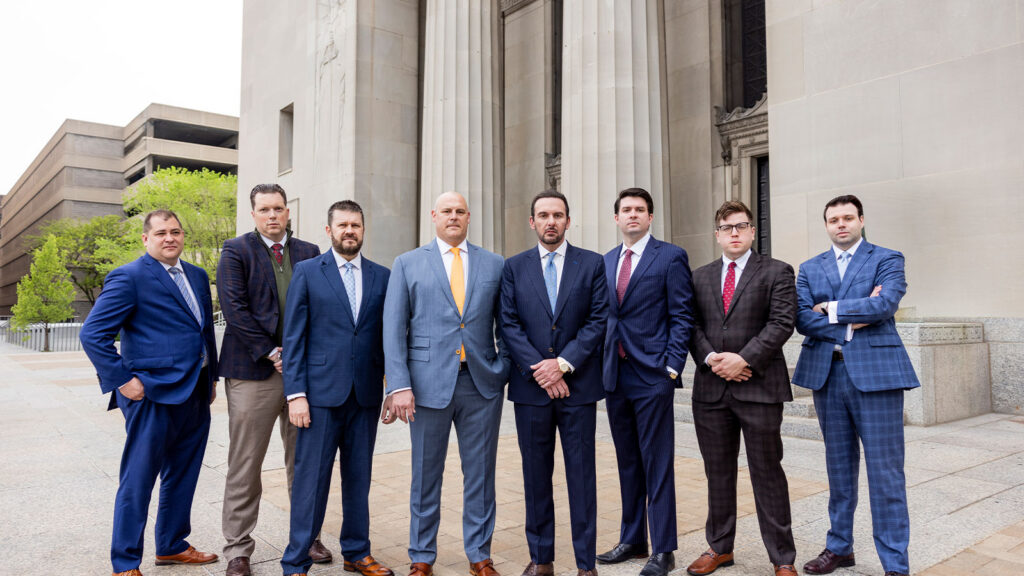
At Combs Waterkotte, we bring over 100 years of combined criminal defense experience to every case we handle. Our team knows how to analyze complex federal investigations, challenge the legality of searches, wiretaps, and seizures, and identify weaknesses in the prosecution’s strategy. We don’t take a one-size-fits-all approach. Every defense we build is tailored to the specific facts and evidence in your case.
“The prosecution for my case was over zealous, charged me unreasonably, and in trial would say anything to win. [Combs Waterkotte] always maintained professionalism in my court case. [They are] fully knowledgeable of how the court system works. [The firm] stands up honestly for people in a harsh criminal justice system and h[it] gets results. I have used the firm three times with outstanding results with the latest being a NOT GUILTY verdict.”
-D.V. | Combs Waterkotte Client
When you choose Combs Waterkotte, you gain a dedicated legal team that prioritizes communication, preparation, and results. We carefully review every detail, from how evidence was obtained to whether your constitutional rights were violated at any stage of the investigation. Our goal is to get your charges reduced or dismissed whenever possible, but we are always prepared to take your case to trial and fight for a not-guilty verdict if that’s what it takes.
If you’re facing federal drug charges in Chicago or anywhere in Cook County, don’t wait to secure experienced legal counsel. The earlier you involve Combs Waterkotte, the more opportunities we have to influence the outcome of your case. Call (314) 900-HELP or reach out to us online today to protect your rights, your reputation, and your future.
When Does a Drug Crime Become a Federal Case in Chicago, Illinois?
Federal drug charges in Chicago are typically reserved for serious, large-scale, or complex criminal activity. While many Chicago drug arrests are handled under Illinois law or in Cook County courts, certain factors can quickly elevate a case to the federal level, especially when federal agencies become involved or the alleged conduct crosses state or other jurisdictional lines.
In general, a Chicago drug case is more likely to be prosecuted federally when it involves broader operations rather than isolated incidents. Federal prosecutors in the Northern District of Illinois tend to focus on cases that reflect organized activity, higher quantities of controlled substances, or increased public safety concerns. Some common factors that can lead to federal drug charges include:
- Large-scale drug quantities
- Kilogram-level amounts of cocaine, heroin, fentanyl, or methamphetamine
- Quantities that trigger mandatory minimum sentences under federal law
- Interstate trafficking activity
- Transporting drugs across state lines into or out of Illinois
- Use of major trafficking corridors (I-55, I-80, or I-90)
- International connections
- Drug importation through O’Hare International Airport
- Ties to foreign suppliers or trafficking organizations
- Conspiracy or organized distribution networks
- Multiple individuals working together in a coordinated operation
- Allegations involving supply chains, distributors, and couriers
- Firearms or weapons involvement
- Possession or use of a weapon in connection with drug activity
- Potential additional charges carrying mandatory consecutive sentences
- Federal investigative resources
- Financial activity or communications evidence
- Large cash movements, money laundering, or structured transactions
- Extensive use of phones, text messages, or encrypted apps
In many situations, it is the combination of these factors that leads federal authorities to take over a case. Once that happens, the stakes increase significantly, with stricter procedures, tougher sentencing laws, and more aggressive prosecution strategies than in Illinois state court.
Common Federal Drug Crimes in Chicago, Illinois
Since most low and medium-level drug cases in Chicago are handled by municipal and state courts, federal drug cases tend to be charged only for specific amounts and with narrow but serious aggravating factors. Here are some of the most common federal drug charges brought by Chicago federal prosecutors.
Federal Drug Trafficking and Distribution Charges
Federal drug trafficking and distribution laws cover the manufacture, distribution, or possession with intent to distribute controlled substances. Under 21 U.S.C. § 841, the drugs that tend to catch federal prosecutors’ attention (in large amounts) are:
- Heroin
- Cocaine
- Phencyclidine (PCP)
- Lysergic acid diethylamide (LSD)
- Fentanyl
- Methamphetamine
Any individual involved in a large criminal distribution and sales network of large quantities of these or any other controlled substance can easily find themselves facing federal drug trafficking and distribution charges.
Federal Drug Conspiracy Charges
Drug conspiracy charges essentially apply the federal drug trafficking and distribution charges to other individuals involved in the criminal network. Under 21 U.S.C. § 846, any person who conspires to traffick or distribute drugs may be subject to the same penalties as one would be for actually trafficking or distributing drugs.
Federal Racketeer Influenced and Corrupt Organizations (RICO) Charges
The well-known RICO statute has long been used to arrest and try multiple individuals accused of being part of the same alleged criminal organization. 18 U.S.C. § 1962 extends to drug crimes as well, commonly used in large-scale criminal enterprises to charge multiple individuals with acting under the same criminal conspiracy.
Federal Firearms in Drug Trafficking Charges
The federal government may add harsh additional penalties when firearms are used in connection with certain crimes, including federal drug crimes. Under 18 U.S.C. § 924(c), prosecutors can add mandatory consecutive prison terms for firearm possession in the commission of a drug offense. This acts as a major leverage point for the prosecution, and even mere possession can trigger the charge.
Federal Importation and International Drug Trafficking Charges
21 U.S.C. § 960 covers federal drug offenses in which controlled substances are smuggled into the United States in large quantities. These charges are often brought in international trafficking cases. In Chicago, the offense often occurs when people attempt to smuggle drugs in through O’Hare.
Federal Conspiracy to Import Drugs Charges
Similar to federal drug conspiracy charges, the offense of conspiracy to import drugs applies to individuals who even attempt to bring controlled substances into the country. 21 U.S.C. § 963 says that the drugs don’t even need to be imported successfully for someone to be charged; merely conspiring to do so is enough.
Other Federal Drug Offenses
On top of the charges already listed, there are additional, less commonly charged federal drug crimes on the books. These offenses still carry serious penalties, and they include:
- Simple federal drug possession — Prohibits knowingly possessing certain controlled substances
- Maintaining a drug-involved premises — Prohibits maintaining a location for drug manufacturing, distribution, or use (like trap houses or storage locations)
- Use of phones or texts — Prohibits the use of communication devices to further a drug crime or conspiracy
What Are the Penalties for Federal Drug Crimes in Chicago, Illinois?
While some offenses are more serious than others, every federal drug crime should be treated with the same level of severity. Any federal drug charge can result in years or even decades in federal prison, with some offenses carrying life behind bars. Here are the prison sentences most commonly imposed for federal drug crimes in Chicago and Cook County, Illinois:
- Drug trafficking and distribution; Drug conspiracy; Conspiracy to import; Importation of controlled substances
- 0 to 20 years as a baseline sentence
- 5 to 40 years for mid-level quantities (with a 5-year mandatory minimum)
- 10 years to life for large quantities (with a 10-year mandatory minimum)
- 15 years to life if the offender has a prior drug felony
- 20 years to life if the offense leads to serious bodily injury or death
- Mandatory life in prison for offenders with multiple prior convictions
- Racketeer Influenced and Corrupt Organizations (RICO)
- 20 years (for underlying drug crimes with 20-year sentences)
- Life in prison (for underlying drug crimes with life sentences)
- Asset forfeiture (drug-related cash, vehicles, real estate, and business interests)
- Fines up to $250,000 or more
- Maintaining a drug-involved premises
- Up to 20 years
- Potential fines
- Potential asset forfeiture
- Use of phones or texts
- Up to 4 years per count
- Up to 8 years per count (with a prior drug conviction)
- Drug possession
- First offense: Up to 1 year
- Second offense: 15 days to 2 years
- Third or subsequent offense: 90 days to 3 years
Sentencing Enhancements for Federal Drug Crimes
Depending on the circumstances of the case, federal prosecutors in Chicago and Cook County may add sentencing enhancements for federal drug convictions resulting in longer prison sentences. The most common factor that affects enhanced sentencing is a prior conviction, which may:
- Double mandatory minimum sentences
- Lead to mandatory life sentences
Based on the scope of the case, individuals who were only tangentially involved in the drug crime can face maximum penalties under the law for aiding and abetting. When it comes to federal drug crimes, this enhancement typically extends liability to:
- Couriers
- Drivers
- Lookouts and other associates
What to Do If You’re Arrested for a Federal Drug Crime in Chicago, Illinois
If you’re arrested for a federal drug crime in Chicago, it’s critical to do anything you can to protect your rights and aid in your criminal defense. The Chicago drug crime lawyers at Combs Waterkotte recommend taking the following steps after a federal drug arrest.
Do Not Answer Questions Without a Federal Defense Attorney Present
If you are arrested on a federal drug charge in Chicago, do not answer questions from agents or investigators without legal counsel. Federal cases often rely on statements made early in an investigation, especially during DEA or FBI questioning. Even seemingly harmless explanations can be used against you later. Politely invoke your right to remain silent and clearly request an attorney. This is one of the most important steps you can take to protect yourself.
Contact a Chicago Federal Drug Defense Lawyer Immediately
Federal drug charge cases in Chicago and Cook County are highly complex and carry severe consequences, making early legal representation essential. An experienced federal defense attorney can analyze the evidence, challenge search warrants or wiretaps, and guide you through critical decisions. Acting quickly may also create opportunities to negotiate with prosecutors before charges fully develop. If you are facing a federal drug arrest in Chicago, seeking legal counsel immediately is one of the best things you can do.
Do Not Discuss Your Case Over the Phone or in Jail
Federal authorities frequently monitor jail calls and review electronic communications. Anything you say to friends, family, or associates, whether by phone, email, or messaging apps, can potentially be used as evidence. Many federal cases are built on recorded conversations. Until you have legal guidance, avoid discussing the facts of your case with anyone other than your attorney, even if you believe the conversation is private.
Avoid Contact With Co-Defendants or Witnesses
If your Chicago federal drug case involves multiple defendants, avoid communicating with anyone connected to the investigation. Federal prosecutors may interpret contact as obstruction or witness tampering, which can lead to additional charges. Courts may also impose strict pretrial release conditions prohibiting such communication, and even informal outreach can complicate your case. It is best to let your attorney handle all interactions related to the investigation.
Be Aware of Conspiracy Charges and Shared Liability
Federal drug cases often include conspiracy charges, meaning you can be held responsible for the actions of others in a group. Even limited involvement like sending messages or being present during transactions can lead to serious charges. You do not need to have handled drugs personally to face federal prosecution. Understanding this broad scope of liability is critical when evaluating your situation and planning your defense strategy.
Recognize the Risk of Mandatory Minimum Sentences
Many federal drug charges in Chicago carry mandatory minimum prison sentences, particularly for larger quantities or certain substances like fentanyl or cocaine. Judges have limited discretion in these cases unless specific exceptions apply. This means early decisions, such as whether to cooperate or how to approach plea negotiations, can significantly impact your potential sentence. Taking immediate legal action can help preserve options that may not be available later.
Prepare for Federal Court Procedures and Conditions of Release
Federal court operates differently than state court in Illinois. Initial appearances, detention hearings, and bond decisions are governed by federal law, and pretrial detention is more common. You may be held without bond if the court believes you pose a flight risk or that you are a danger to the community. Understanding these procedures and preparing for them with your attorney can improve your chances of securing pretrial release.
Criminal Defense Strategies Against Federal Drug Crime Charges in Chicago, Illinois
Even though federal drug crimes are very serious, a good criminal defense attorney can still make a huge difference in your case. Combs Waterkotte has helped Chicagoans with federal drug charges before, and we’ve found the criminal defense strategies below to be very effective in securing acquittals, charge reductions, and even dismissals.
Challenging the Legality of Searches and Seizures
Chicago area federal drug cases often rely on evidence obtained through search warrants, traffic stops, or surveillance. A key defense strategy is examining whether law enforcement violated your Fourth Amendment rights. If a search was conducted without probable cause or a valid warrant, your attorney may file a motion to suppress the evidence. In federal court, suppressing key evidence like drugs, cash, or firearms can significantly weaken the prosecution’s case or lead to dismissal.
Attacking Wiretap Evidence
Many federal drug prosecutions in Chicago are built on wiretaps authorized under Title III. These are highly technical and must meet strict legal requirements. Defense attorneys can challenge whether the government properly obtained authorization, minimized irrelevant calls, or demonstrated necessity. If the wiretap was unlawful, recorded conversations may be excluded. Because juries often find wiretap evidence persuasive, successfully challenging it can be a critical turning point in a federal case.
Disputing Conspiracy Allegations
Chicago federal prosecutors frequently rely on conspiracy charges to expand liability. A strong defense may focus on showing that no true agreement existed or that the defendant was not knowingly involved. Mere association, presence, or communication is not enough to prove conspiracy. Your attorney may challenge cooperating witness testimony, text messages, or recorded calls to argue that the government is overstating your role or misinterpreting your involvement in alleged drug activity.
Challenging Confidential Informants and Cooperating Witnesses
Federal drug cases in Chicago and Cook County often depend on testimony from informants or co-defendants seeking reduced sentences. These witnesses may have strong incentives to provide information that benefits the prosecution. A defense strategy may involve exposing inconsistencies, bias, or credibility issues during cross-examination. Demonstrating that a key witness is unreliable can undermine the government’s narrative and create reasonable doubt, especially in cases where physical evidence is limited or indirect.
Arguing Lack of Knowledge or Intent
Many federal drug charges require proof that the defendant knowingly participated in illegal activity. A viable defense may be that you did not know drugs were present or did not intend to distribute them. This can be especially relevant in cases involving shared vehicles, residences, or packages. By challenging the government’s ability to prove intent beyond a reasonable doubt, your attorney may reduce or eliminate criminal liability.
Contesting Drug Quantity and Sentencing Exposure
In federal controlled substance cases, drug quantity directly impacts mandatory minimums and sentencing ranges. Defense attorneys often scrutinize how the government calculated drug weight, including lab testing methods and assumptions about relevant conduct. Reducing the attributed quantity even slightly can lower mandatory minimum exposure or guideline ranges. This strategy is especially important in conspiracy cases, where defendants may be held responsible for drugs handled by others.
Fighting Firearm Enhancements
Firearm charges can dramatically increase federal prison exposure in Chicago drug cases due to mandatory consecutive sentences. A defense strategy may involve arguing that the firearm was not used in furtherance of drug trafficking or was unrelated to the alleged offense. Simply owning a firearm is not always enough. Successfully challenging a weapon enhancement charge can eliminate years of additional mandatory prison time and significantly change the stakes of the case.
Negotiating with Federal Prosecutors
In some Chicago federal drug cases, the most effective strategy involves early negotiation with federal prosecutors. This may include seeking cooperation agreements, arguing for reduced charges, or positioning the case for sentencing relief under provisions like 18 U.S.C. § 3553(f). An experienced federal defense attorney can guide these discussions while protecting your rights. Strategic negotiation can lead to significantly reduced penalties compared to the potential sentence after a trial conviction.