
DWI First Offense Lawyer Kansas City, MO
Hire the leading DWI Defense Law Firm in Kansas City, MO to protect your freedom, rights, and future. Whether you have been charged with a crime or arrested, we can help.
TO COMBS WATERKOTTE,YOU ARE WHY WE EXIST.


DWI First Offense Lawyer Kansas City, MO
A first-time DWI arrest in Kansas City, Missouri can put your license in jeopardy within days while also exposing you to a criminal record, probation, fines, and up to six months in jail. It can threaten your job, your car insurance costs, your education, or a or commercial driver’s license. All of these consequences are scary, but a good defense lawyer can help mitigate them.
Combs Waterkotte offers aggressive criminal and driver’s license defenses against first-time DWI charges in Kansas City. Our team will listen to what happened, explain the applicable deadlines to you, and examine the stop, arrest, testing, and paperwork before advising you how best to proceed.

I owe my life to Combs Waterkotte. If not for them, I would be spending the rest of my life behind bars. There is no amount of words that can explain what they did for me and my family. Its the highest recommendation that I can give.
Alexander B.
Felonies
Verify on

If I could give Steve and his team 10 stars I would in a heartbeat. Was facing more then one felony charge and after these guys found the arresting officer violated my 4th Amendment Rights and those charges were dismissed. My family and I can't thank you enough.
Dean J
Felonies
Verify on
I was hands down guilty. ON VIDEO !!! In a smaller town, and a job dealing with the public, this was devastating. I made one phone call and spoke for maybe 15 minutes. I DIDN'T appear in court. I am extremely impressed. QUIETLY relieved of the matter!
Y.I.V.
Theft
Verify on
My fiance had a felony drug charge and Combs Waterkotte got it dismissed! There were no fines, court cost, nothing. Chris is loyal, professional, knowledgeable, and a man of his word. We are forever grateful for you.
Kimberly T.
Drug Crimes
Verify on
If I was found guilty, it would have been over 100 years in prison. They promised me that they would fight like hell and get me out of it. After everything was done, I just felt free. Like this wasn’t gonna end with me rotting away in a prison cell. I felt like I could start my life and have a fresh start.
Caleb
Assault 1st, Armed Criminal Action
Verify on
I was facing, probably 18 years… I actually got 5 years probation and 40 hours of community service. Without Combs Waterkotte’s help, I don’t think my family could have made it without me. It was just a written book to where it's a perfect ending.
Chris
Unlawful Use of a Weapon, Armed Criminal Action
Verify on
I went through what was supposed to be one of the top law firms in St. Louis. They said I wouldn't have no chance. I end up firing the other lawyer and everything and going with Chris. I felt like Combs Waterkotte actually did something for me and wasn't I wasn't just another number on somebody's desk.
Willy
DWI/DUI
Verify onI owe my life to Combs Waterkotte. If not for them, I would be spending the rest of my life behind bars. There is no amount of words that can explain what they did for me and my family. Its the highest recommendation that I can give.
Alexander B.
Felonies
If I could give Steve and his team 10 stars I would in a heartbeat. Was facing more then one felony charge and after these guys found the arresting officer violated my 4th Amendment Rights and those charges were dismissed. My family and I can't thank you enough.
Dean J
Felonies
I was hands down guilty. ON VIDEO !!! In a smaller town, and a job dealing with the public, this was devastating. I made one phone call and spoke for maybe 15 minutes. I DIDN'T appear in court. I am extremely impressed. QUIETLY relieved of the matter!
Y.I.V.
Theft
My fiance had a felony drug charge and Combs Waterkotte got it dismissed! There were no fines, court cost, nothing. Chris is loyal, professional, knowledgeable, and a man of his word. We are forever grateful for you.
Kimberly T.
Drug Crimes
If I was found guilty, it would have been over 100 years in prison. They promised me that they would fight like hell and get me out of it. After everything was done, I just felt free. Like this wasn’t gonna end with me rotting away in a prison cell. I felt like I could start my life and have a fresh start.
Caleb
Assault 1st, Armed Criminal Action
I was facing, probably 18 years… I actually got 5 years probation and 40 hours of community service. Without Combs Waterkotte’s help, I don’t think my family could have made it without me. It was just a written book to where it's a perfect ending.
Chris
Unlawful Use of a Weapon, Armed Criminal Action
I went through what was supposed to be one of the top law firms in St. Louis. They said I wouldn't have no chance. I end up firing the other lawyer and everything and going with Chris. I felt like Combs Waterkotte actually did something for me and wasn't I wasn't just another number on somebody's desk.
Willy
DWI/DUI
A First-Time DWI Creates Two Cases in Kansas City, Missouri
The state of Missouri treats a DWI arrest as more than just a traffic ticket. This one event can launch two proceedings with different decision-makers, evidence, deadlines, and possible outcomes. And it’s important to note that a victory or negotiated result in one track does not necessarily end or guarantee certain results for the other.

“I am forever grateful to [Combs Waterkotte] for their exceptional service. I was charged with my second DWI and was very scared as to what might happen. [They were] able to get my charges reduced and my license was not suspended for one day. I would strongly recommend [their firm] to anyone charged with a DWI.”
-Joe | Combs Waterkotte Client
The Criminal Case
Kansas City prosecutors must prove a charged DWI offense in court beyond a reasonable doubt. Depending on the agency and charging decision, a Kansas City case may proceed under a city ordinance or under Missouri law. The criminal side determines factors like:
- Guilt or innocence
- Potential jail time
- Fines
- Probation
- Court-ordered conditions
The criminal side of a DWI case can also create a possible license action if a DWI or excessive blood alcohol content (BAC) conviction is reported to the Missouri Department of Revenue.
The Driver’s-License Case
The Missouri Department of Revenue explains that an alcohol action based on a failed test or a test refusal is separate from a criminal ticket. After a failed test, the notice generally gives you only 15 days to request an administrative license hearing. The Secretary of State’s current Driver License Bureau hearing rule addresses written requests, telephone or in-person hearings, evidence, and the stay that applies when a timely request is made.
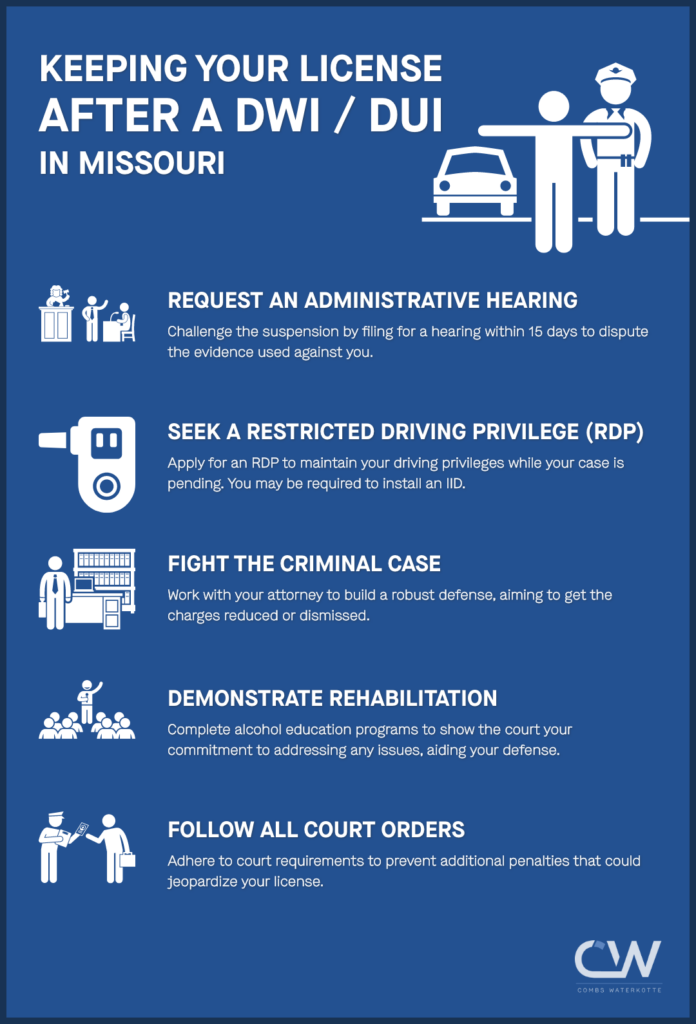
Before that window closes, be sure to protect information that can prove useful to your lawyer:
- Keep every ticket, notice, temporary permit, bond paper, and tow or release record.
- Write down your route, the reason given to you for the stop, the officer’s questions, and whether you performed any field sobriety tests while your memory is fresh.
- Preserve dash cam footage, phone records, receipts, passenger accounts, and location evidence
- Never post anything about your arrest online.
If you refuse a chemical test, your driver’s license can be immediately suspended for one year under a statutory summary suspension (SSS). The temporary permit police give you after a DWI arrest is generally valid for only 15 days, so it’s best not to wait to get a lawyer involved.
Why Combs Waterkotte is the best Law firm for your case.
Real results for people just like you.

What Kansas City Prosecutors Must Prove in a First-Offense DWI Case
A test number is not the only way the state may try to prove a DWI, and an arresting officer’s conclusion is not the final word. The exact elements particular to your case depend entirely on the charge filed.
Driving While Intoxicated
Under Missouri’s DWI statute, the state must prove that you operated a vehicle while in an intoxicated condition. Missouri law defines intoxication as being under the influence of alcohol, a controlled substance, a drug, or a combination of alcohol or drugs.
Note that a BAC of 0.08% or higher is not necessarily required for this charge. Prosecutors can rely on other factors to prove you were driving while intoxicated, including:
- Your driving behavior
- A police officer’s observations
- Field sobriety tests
- Admissions you make about substance use
Driving With Excessive Blood Alcohol Content
A separate excessive-BAC offense requires proof that you operated a vehicle with a blood alcohol content of at least 0.08%. This threshold is 0.04% for drivers who are operating a commercial vehicle. Police must follow Missouri law while administering tests, so your reported BAC, the collection process, and instrument records can all have an impact on your case.
What Counts as a First Offense?
A person may think they’re facing a first-time DWI because they have no earlier convictions. The law, however, uses specific definitions for prior-offender status, while the Department of Revenue separately examines alcohol-related enforcement contacts on your driving record. An earlier out-of-state case, test refusal, or license suspension may affect your offense classification or license consequences, even if your current ticket appears to say first offense.
Criminal Defense Strategies for a First DWI in Kansas City
A useful defense starts with the state’s actual proof. At Combs Waterkotte, we compare reports and video with the law, testing rules, and what you remember about the stop. We commonly use the defense strategies below to defend Kansas City, Missouri clients against DWI charges.
The Stop or Arrest Was Not Legal
Police need a lawful basis to conduct a traffic stop. They also need probable cause to place someone under arrest. Video, dispatch records, license plate information, road conditions, and the officer’s observations can reveal gaps or contradictions in their story.
When police gather evidence by way of a constitutional violation, a Fourth Amendment challenge may seek to suppress that evidence. The result depends on the facts of your case and the connection between the violation and the evidence.
You Weren’t in Control of the Vehicle
For the state to charge a DWI, Missouri requires a driver to be physically driving or operating the vehicle. In a parked-car, a crash, or a delayed-contact case, the identity of the driver and the timing of operation may be disputed. Passenger accounts, keys, seating positions, video, phone data, and the location where officers first encountered you can all help to prove you weren’t actually in control of the vehicle while you were intoxicated.
Impairment Evidence Has Innocent Explanations
During a field sobriety test, poor balance, red eyes, unusual speech, or difficulty following instructions can arise from factors other than intoxication. You may be fatigued, anxious, injured, wearing restrictive footwear, performing tests in poor weather, have a medical condition, or be on an uneven surface.
Field sobriety exercises are observations, not laboratory tests. Body cam footage may help to show whether the officer’s instructions were unclear and whether the report fairly describes your performance.
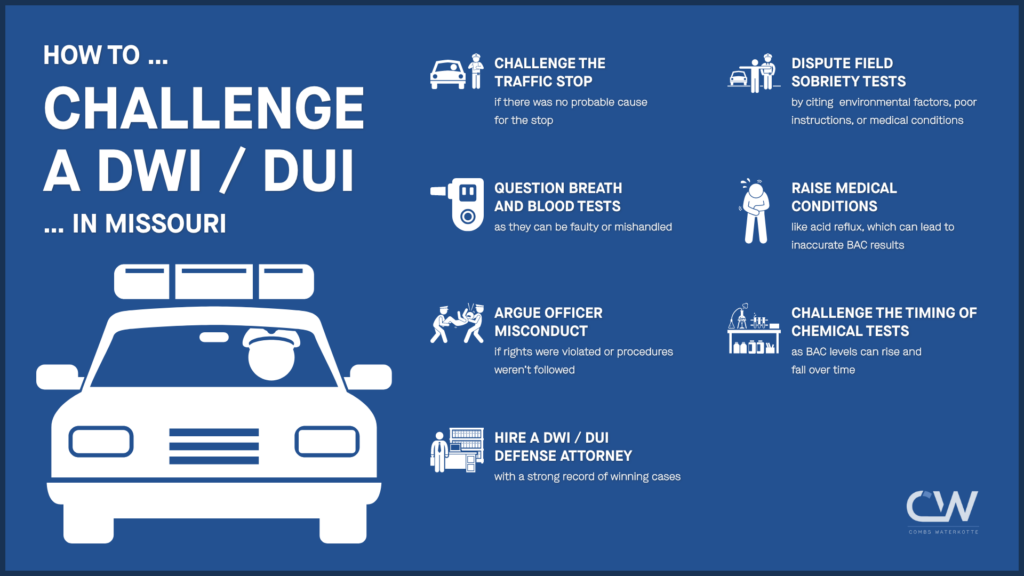
Breath, Blood, or Refusal Evidence Is Defective
Missouri law controls when a chemical result is admissible, and the Secretary of State publishes detailed breath-analyzer regulations. Those rules cover approved instruments, permits, maintenance, operational checklists, and a 15-minute observation period.
We may compare the test packet with those requirements and, based on what we find, we can argue that:
- Blood collection was done incorrectly
- Blood or urine was improperly stored
- The evidence’s chain of custody was broken
- Laboratory procedures weren’t followed
- Your test refusal was due to a lack of proper instructions
First DWI Penalties in Kansas City: Jail, Fines, and Your Driver’s License
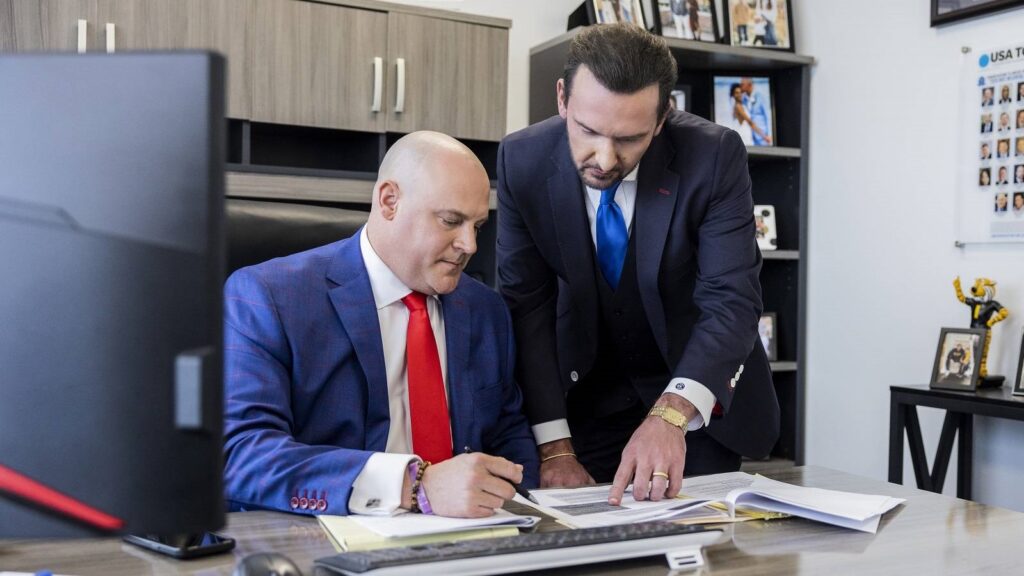
A standard first DWI or excessive BAC offense is ordinarily a Class B misdemeanor. Missouri’s current sentencing ranges and fine limits allow for jail and financial consequences, even for first-time offenders.
Aggravating facts like injuries, death, a prior record, or a passenger under 17 can increase the charge and require a separate analysis. Generally, though, the penalties for a first-time DWI conviction in Kansas City, Missouri are as follows:
| Charge or License Action | Potential Consequence |
|---|---|
| Standard first DWI or excessive BAC | Class B misdemeanor — up to 6 months in jail and a fine up to $1,000 |
| High-BAC sentencing rule | 48 hours in jail for BAC 0.15% to 0.20% At least 5 days for BAC above 0.20% |
| Chemical test failure | 90 days — 30 days suspended plus 60 days restricted |
| Chemical test refusal | One-year license revocation |
The process of getting your license restored after a DWI is not automatic. The Department of Revenue’s current reinstatement requirements call for:
- A $45 fee
- The completion of a SATOP class
- SR-22 proof of insurance
Whether or not you need to add an ignition-interlock device to your car depends on your driving record, the route you use for your restricted privileges, your BAC at the time of your arrest, and whether an injury or any property damage occurred during the offense.
Why Hire Combs Waterkotte for Your First Kansas City DWI
The first weeks of a DWI case involve decisions that can affect the entire outcome of your case. You need someone who can identify license deadlines, obtain testing records, preserve video evidence, and evaluate both your criminal and administrative problems. Combs Waterkotte will give you a direct explanation of what all the paperwork means and a defense plan tied to your actual priorities, including work, school, family responsibilities, and the ability to drive legally.


We prepare for contested proceedings without operating under the assumption that every case has to end the same way. A trial-ready approach helps us assess the strength of the traffic stop, witness testimony, video, field exercises, test records, and evidence chain of custody before you decide whether to go to court or consider negotiating with prosecutors. We will explain your options at every step and help you build a defense to achieve the outcome that’s best for you.
How Combs Waterkotte Protects Your Criminal Record and License
With DWI cases, we find that it’s best to begin with the time-sensitive work: reviewing the notice, identifying the correct license challenge, and requesting all available records. We then reconstruct the encounter from the first police observation through your release, compare the officer’s narrative with video and objective evidence, and obtain the lab materials, warrants, medical records, or witness accounts that your case requires.


Read More:
As the evidence develops, we may subpoena a witness for an administrative hearing or challenge the foundation for chemical-test evidence. We may also negotiate with the prosecution or litigate evidentiary issues through pretrial motions and hearings. If the case proceeds to trial, we’ll prepare all the necessary testimony, exhibits, cross-examination, and scientific issues needed to test the state’s case. At all times, we’ll keep the license strategy aligned with your criminal defense so one deadline or decision doesn’t undermine the other.
Contact a Kansas City DWI First Offense Lawyer from Combs Waterkotte
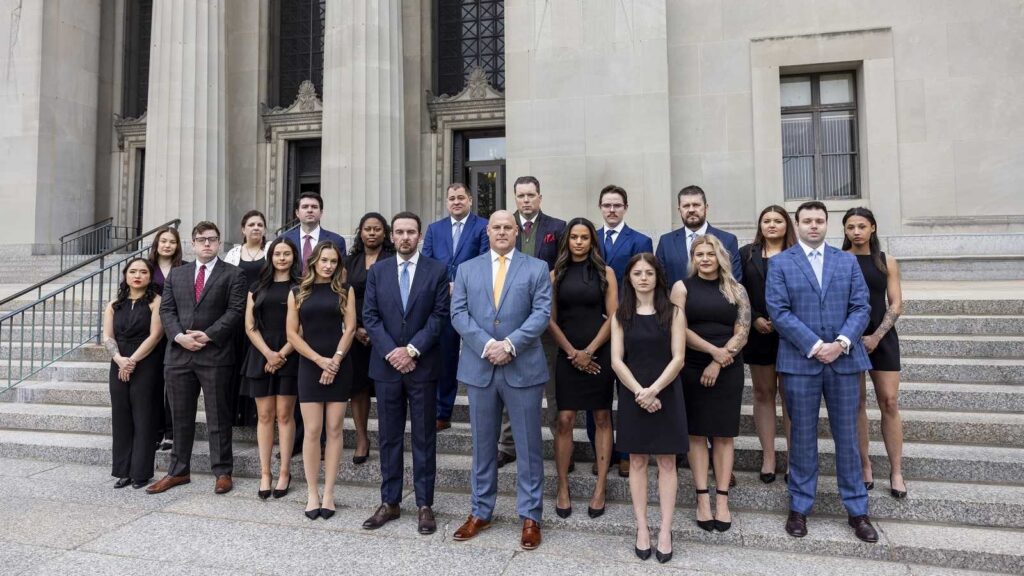
After a DWI charge in Kansas City, the 15-day license window can begin running before your first court appearance. This means waiting can eliminate your options. Call (314) 900-HELP to speak with Combs Waterkotte about your ticket, your temporary permit, test results or refusals, and your upcoming court date. You can also contact us online to request a free, confidential consultation. Bring every document from the stop so we can identify immediate deadlines and begin protecting both your driving privileges and your criminal defense.
Resources
For more information on criminal defense in Kansas City or anywhere else in Missouri, call the Combs Waterkotte criminal defense attorneys right away at (314) 900-HELP or contact us online for a confidential consultation.
DWI Attorney: How a DWI Charge Can Damage Your Reputation
Can You Get Probation for DWI/DUI?
What Defense Strategies Are Effective in DWI/DUI Cases?

Free book
Don’t “Blow” Your DWI/DUI Case: Key Mistakes to Avoid
Combs Waterkotte, Missouri and Illinois’s leading DWI/DUI law firm, has handled over 10,000 cases successfully. This ebook guides you through the DWI/DUI defense process and helps you avoid key mistakes.

