






Additional Links
- Legal Video | What Should I Say to Police if Arrested in Illinois?
- Legal Video | What Should I Do if I’m Charged With a Crime in Illinois?
- Legal Video | What Happens If I Violate Probation in Illinois?
- Legal Video | Will a Conviction Stay on My Criminal Record in Illinois?
- Legal Video | What is the Difference Between a Misdemeanor and a Felony in Illinois?
- Can a Felony Be Reduced to a Misdemeanor in Illinois?
- How Much Prison Time Do You Face for a Felony in Illinois?
- What Are the Long-Term Consequences of a Felony Conviction in Illinois?
- What Happens After an Arrest in Chicago?
Criminal Trespassing Lawyers in Chicago Serving All of Cook County, Illinois
Criminal trespassing charges in Chicago and throughout Cook County can escalate quickly, especially if prosecutors believe the situation involved intent to commit additional crimes, prior offenses, or other aggravating factors. What might seem like a simple misunderstanding can result in serious legal consequences. That’s why having a knowledgeable criminal defense attorney on your side is critical from the very beginning.
“Highly recommend [this] firm. They were very responsive and great at communicating every step of the way. I actually had originally hired a different attorney to begin with, however, I switched to [Combs Waterkotte] after speaking with [them] because [they] gave me full confidence that [they] would be able to get my charge reduced to something that won’t show on my record which [they were] able to do. I am glad I made the switch and I will definitely be using [Combs Waterkotte] again if needed.”
-Jayme D. | Combs Waterkotte Client
At Combs Waterkotte, we’ve helped clients across Cook County fight back against criminal trespassing charges and protect their futures. Our team takes a personalized approach to every case, starting with a free, confidential consultation to understand your side of the story. From there, we thoroughly examine the evidence, identify weaknesses in the prosecution’s case, and build a defense strategy tailored to your specific situation.
Whether through negotiation or by winning at trial, our goal is always to have your charges reduced or dismissed whenever possible. If you’re ready to take control of your case and defend your rights, call Combs Waterkotte at (314) 900-HELP or reach out to us online today. The sooner you act, the stronger your defense can be.
Criminal Trespassing Laws in Chicago, Illinois
There are several specific trespassing offenses outlined under Illinois law. The most common one, criminal trespassing to real property, is defined in 720 ILCS 5/21-3. The statute says someone is guilty of trespassing on property when they:
- Knowingly and unlawfully enter or remain within a building
- Enter someone else’s land after receiving notice from the owner that entry is forbidden
- Remain on someone else’s land after being told by the owner to leave
- Present false identity to a land or building owner to gain access
- Drive onto someone’s farmland after being given notice to keep off by the landowner
For trespassing offenses, it’s important to know that Illinois law considers the term notice to include:
- Verbal warnings
- Written warnings
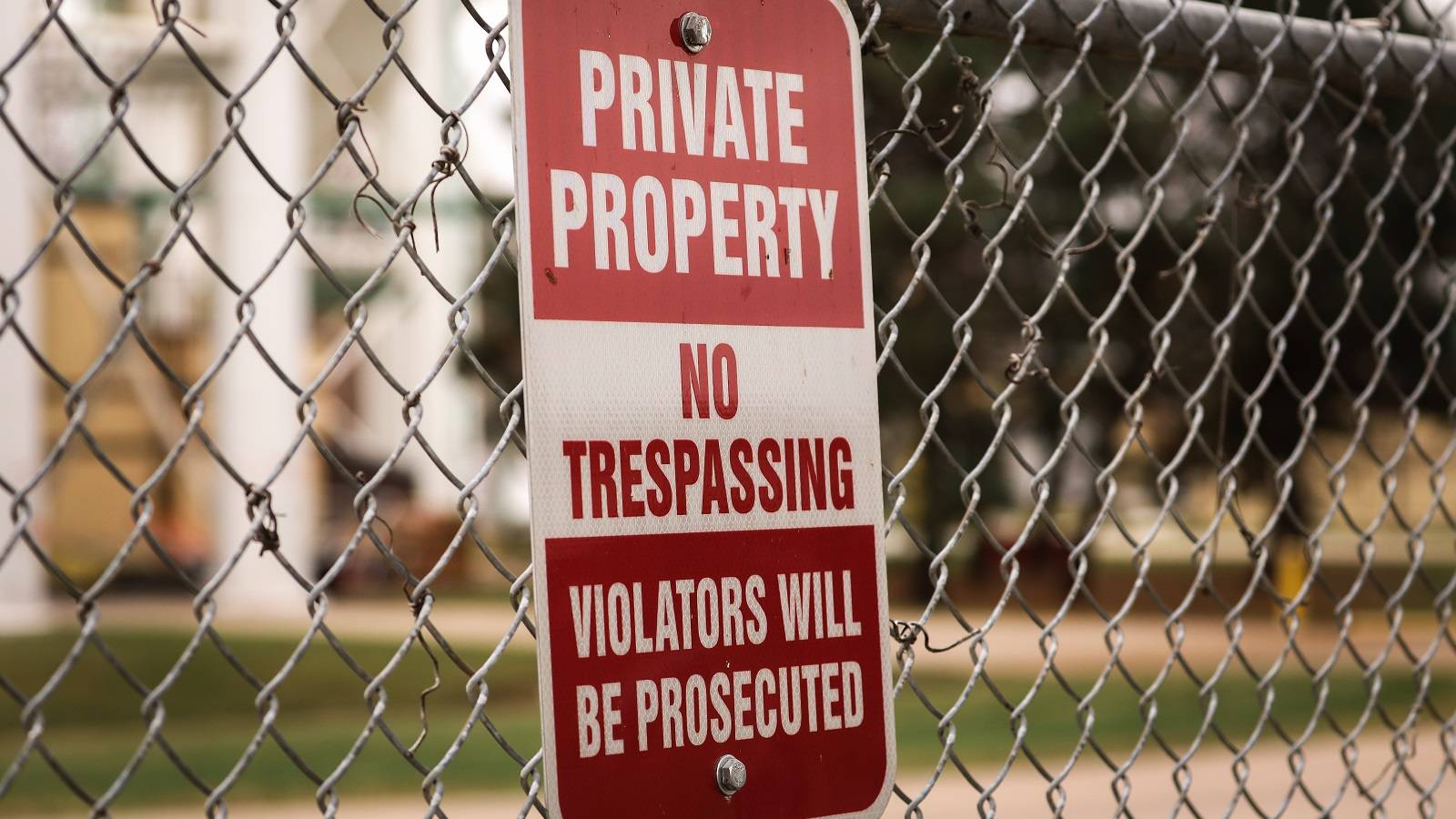
- Signage on or around the property in question
Illinois law also contains a statute specifically forbidding trespassing to vehicles. Outlined in 720 ILCS 5/21-2, this short, straightforward statute says someone may not knowingly enter anyone’s vehicle, aircraft, watercraft, or snowmobile without valid authority.
Perhaps unsurprisingly, the Illinois Criminal Code also contains a statute covering criminal trespass to state-supported land. 720 ILCS 5/21-5 says that someone is guilty of this offense when they:
- Enter land that is fully or partially supported by state or federal funds after being given notice to stay out
- Gains access to state-supported land by misrepresenting their credentials or presenting false documentation
720 ILCS 5/21-7 covers trespassing offenses that occur in restricted areas and landing areas at Illinois airports. The law says that individuals may not:
- Enter restricted areas or runways at airports after being given notice to stay out
- Enter restricted areas by lying about their credentials to airport authorities
- Enter restricted areas by impersonating an airport worker (by wearing certain uniform attire or false ID badges)
Trespassing to a nuclear facility is covered under Illinois law as well. The offense, defined under 720 ILCS 5/21-8, says that individuals violate this law when they:
- Enter a nuclear facility after receiving notice that entry is forbidden
- Remain at a nuclear facility after being told by the owner or manager of the facility to leave
- Enter a nuclear facility after misrepresenting their identity or providing false identification to the facility’s owner or manager
Finally, the law also outlines criminal trespassing offenses for places of public amusement. This refers to sports stadiums, theaters, concert halls, and similar venues. The law, 720 ILCS 5/21-9, says that individuals may not:
- Enter a playing field, athletic surface, stage, locker room, or dressing room after being told that the general public is restricted from entering
- Gain access to any of these areas by falsifying their credentials or presenting fake documentation
Penalties for Criminal Trespassing Charges in Chicago, Illinois
Trespassing offenses in Chicago and Cook County may either be a misdemeanor or a felony depending on the circumstances of the trespassing and certain aggravating factors.
The following include Class B misdemeanor trespassing offenses under Illinois law, punishable by up to 6 months in jail and a fine up to $1,500:
- Criminal trespass to real property, when:
- An individual knowingly enters or remains inside a building without lawful authority
- Goes on someone else’s land after receiving notice from the owner that entry is forbidden
- Remains on someone’s land after being told be the owner to depart
- Presents false ID to a land or building owner to gain access
The following are the Class A misdemeanor trespassing offenses under Illinois law, punishable by up to 1 year in jail and a fine up to $2,500:
- Any instance of criminal trespass to vehicles
- Any instance of criminal trespass to state-supported land
- Criminal trespass to restricted areas and airport properties when the offender lies to authorities about their credentials
The following trespassing offenses are Class 4 felonies in Chicago and Cook County, punishable by 1 to 3 years in state prison and a fine up to $25,000:
- Criminal trespass to restricted areas and airport properties when:
- Entering restricted areas or airport runways after receiving notice to stay out
- Entering restricted areas or airport runways by impersonating an airport worker
- Any instance of criminal trespass on a nuclear facility
- Any instance of criminal trespass to a place of public amusement
Finally, the most serious trespassing offense a person can be charged with in Chicago is criminal trespass to restricted areas and airport properties when the individual trespasses while possessing a firearm. This offense is a Class 3 felony with a possible prison sentence between 2 and 5 years and a potential fine up to $25,000.
Criminal Defense Strategies Against Chicago Criminal Trespassing Charges
Whether you’ve been accused of misdemeanor or felony trespassing in Chicago or Cook County, a good criminal defense lawyer can help. At Combs Waterkotte, we’ve found the following criminal defense strategies to be effective at fighting Chicago trespassing charges.
Insufficient Notice That Entry Was Prohibited
In Chicago and Cook County criminal trespassing cases, prosecutors must prove that the defendant had notice that entry was forbidden. This notice can come from posted signs, fencing, verbal warnings, or other clear indicators. If the property lacked adequate signage or boundaries or if the warning was unclear or not communicated directly, the prosecution may struggle to prove its case. Challenging insufficient notice is especially effective in urban Chicago settings where property lines and access points are often ambiguous.
Lack of Proper Authority by the Complaining Witness
Not every person who asks someone to leave a property has the legal authority to do so. In some Chicago trespassing cases, the complaint comes from employees, security personnel, or third parties whose authority may be limited or unclear. If the individual who issued the order to leave did not have lawful control over the property, the state may struggle to prove that the defendant was lawfully warned, creating a viable path to dismissal.
Lack of Intent
One of the most effective defenses to criminal trespass in Chicago is demonstrating a lack of intent. Prosecutors must prove that the defendant knowingly entered or remained on property without authorization. If the entry was accidental or due to unclear property boundaries, this element may fail. For example, entering an unlocked building believing it was open to the public can undermine the prosecution’s case and support dismissal or acquittal.
Consent
Consent can be a powerful defense against Chicago and Cook County trespassing charges. It’s used if the accused had permission to be on the property. This may come from the owner, a tenant, a manager, or another authorized individual. In many Chicago trespassing cases, disputes arise between acquaintances, roommates, or former partners. If the defendant reasonably believed they were allowed to enter or remain on the property, that consent can negate the “without authority” requirement and significantly weaken the prosecution’s argument.
Claim of Right to the Property
A claim of right defense applies in situations where the defendant genuinely believed they had a legal right to enter or remain on the property. In Chicago criminal trespassing cases, this often arises in landlord-tenant disputes, shared ownership situations, or family conflicts. Even if that belief is mistaken, it may still defeat criminal liability if it was reasonable. This defense strategy directly challenges whether the defendant acted “without authority,” a key statutory element.
Necessity in Emergency Situations
A necessity defense argues that the defendant entered the property to prevent a greater harm. It may apply in cases where an individual was seeking shelter during extreme weather, fleeing immediate danger, or assisting someone in distress. These and similar scenarios may justify otherwise unlawful entry. Cook County courts evaluate whether the harm avoided outweighed the violation and whether there were reasonable alternatives.
Mistaken Identity or Wrongful Accusation
In busy areas of Chicago, mistaken identity is more common than many people may assume. Surveillance footage may be unclear, eyewitnesses may be unreliable, and police may rely on incomplete descriptions about an alleged perpetrator. A defense attorney can challenge whether the defendant was actually the person who entered or remained on the property. If the State cannot confidently establish identity beyond a reasonable doubt, the trespass charge cannot stand.

What to Do If You’re Arrested for Criminal Trespassing in Chicago, Illinois
What you do or say after a trespassing arrest in Chicago or Cook County can make or break your case. At Combs Waterkotte, we recommend anyone charged with trespassing in Chicago take the following steps in the hours and days after their arrest.
Do Not Admit Fault or Try to Explain on the Spot
After a criminal trespassing arrest, it may feel natural to explain why you were on the property, but anything you say can be used against you later. In these cases, statements about your intent, permission, or knowledge are critical, and even innocent explanations can be misinterpreted. Politely decline to answer police questions and avoid making spontaneous statements. Instead, wait until you have legal representation who can help present your side of the story effectively.
Contact a Criminal Defense Attorney Familiar with Chicago Courts
Hiring an attorney as soon as possible is one of the most important steps you can take after a criminal trespassing arrest. A lawyer familiar with Chicago courts and Illinois trespassing laws can evaluate whether the prosecution can prove key elements like notice and lack of authority. They can also identify procedural issues, negotiate with prosecutors, and begin building a defense strategy tailored to your specific situation, often before formal charges are even filed.
Understand That Trespass Can Escalate Quickly
Many people assume trespassing in Chicago is a minor offense, but it can quickly lead to more serious charges depending on the circumstances. Allegations involving intent to commit another crime, property damage, or refusal to leave can elevate the case. In Chicago and Cook County, trespassing arrests are sometimes tied to broader investigations. Understanding the potential consequences early can help you take the situation seriously and avoid decisions that could negatively impact your case.
Ask Whether You Were Given Proper Notice to Leave
Because Chicago trespassing laws heavily depend on property owners giving notice to alleged trespassers, it is important to immediately consider whether you were clearly told to leave or whether signage was present. If you were not given a direct warning or if the property lacked proper markings, that may become a key defense later. While you should not argue with officers, mentally noting these details can be extremely valuable when discussing your case with a defense attorney.
Document the Scene as Soon as Possible
After the incident, try to document everything you can remember about the location and circumstances. This includes whether there were signs posted, whether doors were open, who spoke to you, and how the interaction unfolded. If possible, gather photos or witness contact information. In a city like Chicago where properties and access points can be confusing, these details can play a major role in building a strong defense.
Avoid Returning to the Property
After a trespassing arrest in Chicago, returning to the same property can significantly worsen your situation. Even if you believe you have a right to be there, going back may lead to additional charges or strengthen the prosecution’s case against you. Cook County courts often look at repeated conduct as evidence of intent. So, until your case is resolved, it is best to stay away from the location entirely and follow any conditions set by law enforcement or the court.