


Child molestation lawyer in Pulaski County, MO. Being accused of child molestation in Pulaski County, MO can turn your personal and professional life upside down almost immediately, even when no criminal charge has been filed.
Sometimes the investigation begins with a phone call from a detective. Sometimes the Children’s Division becomes involved. Sometimes an accusation surfaces during a divorce, custody dispute, school investigation, or family conflict. And sometimes the first sign of trouble is law enforcement arriving with a search warrant or asking you to come to the station to “clear a few things up”.
At this stage, it is important to remember: the accusation against you is not proof that a crime occurred.
At Combs Waterkotte, our Pulaski County, MO sex crimes defense attorneys understand the extraordinary stakes involved in child molestation cases. Prison is only part of the threat. Your family relationships, employment, professional license, reputation, housing opportunities, and potential sex offender registration obligations may all be affected.
Building an effective defense requires looking beyond the accusation itself. Police reports must be scrutinized, interviews carefully evaluated, electronic evidence preserved and analyzed, witnesses investigated, and the events surrounding the allegation independently reconstructed.
If you are being investigated or have been charged with child molestation in Pulaski County, MO, call Combs Waterkotte at (314) 900-HELP or contact us online. The sooner our defense team becomes involved, the sooner we can begin protecting you.
-
Protect Your Life
![Image]()
Protect Your Life
A felony can have long-term consequences. Act quickly and carefully to protect your future and your livelihood.
Reach Out Now
-
Know Your Next Steps
![Image]()
Know Your Next Steps
Wondering what happens after your felony arrest? The skilled Combs Waterkotte attorneys have the answers.
Stay Informed
-
Title
![Image]()
Ready to Talk to an Expert?
Contact the experienced Combs Waterkotte felony lawyers now at (314) 900-HELP to get started on your defense.
Get Started


Cases Handled
Over 10,000
Jail Days Saved
Over 1 Million
Google Reviews
500+ Perfect
Legal Experience
100+ Years
Legal Videos
What if the Accusation Is Connected to Child Custody?
What if the Accusation Is Connected to Child Custody? Attorneys Christopher Combs and Joshua Boardman from Combs Waterkotte discuss everything you need to know about Illinois sex crime charges …
How Can a Defense Lawyer Prove an Allegation is False?
How Can a Defense Lawyer Prove an Allegation is False? Combs Waterkotte attorneys Christopher Combs and Joshua Boardman discuss everything you need to know about Illinois sex crime charges …
What if the Accusation is Retaliation or Revenge?
What if the Accusation is Retaliation or Revenge? Attorneys Christopher Combs and Joshua Boardman from Combs Waterkotte discuss everything you need to know about Illinois sex crime charges …
What if the Allegation Comes From a Breakup or Divorce?
What if the Allegation Comes From a Breakup or Divorce? Combs Waterkotte attorneys Christopher Combs and Joshua Boardman discuss everything you need to know about Illinois sex crime charges …
Can Contacting the Accuser Hurt My Case?
Can Contacting the Accuser Hurt My Case? Attorneys Christopher Combs and Joshua Boardman from Combs Waterkotte discuss everything you need to know about Illinois sex crime charges, including sexual …
Can I Lose Professional Licenses Due to Sex Crime Allegations?
Can I Lose Professional Licenses Due to Sex Crime Allegations? Combs Waterkotte attorneys Christopher Combs and Joshua Boardman discuss everything you need to know about Illinois sex crime charges …
What if the Accusation Is Connected to Child Custody?
What if the Accusation Is Connected to Child Custody? Attorneys Christopher Combs and Joshua Boardman from Combs Waterkotte discuss everything you need to know about Illinois sex crime charges …
How Can a Defense Lawyer Prove an Allegation is False?
How Can a Defense Lawyer Prove an Allegation is False? Combs Waterkotte attorneys Christopher Combs and Joshua Boardman discuss everything you need to know about Illinois sex crime charges …
What if the Accusation is Retaliation or Revenge?
What if the Accusation is Retaliation or Revenge? Attorneys Christopher Combs and Joshua Boardman from Combs Waterkotte discuss everything you need to know about Illinois sex crime charges …
What if the Allegation Comes From a Breakup or Divorce?
What if the Allegation Comes From a Breakup or Divorce? Combs Waterkotte attorneys Christopher Combs and Joshua Boardman discuss everything you need to know about Illinois sex crime charges …
Can Contacting the Accuser Hurt My Case?
Can Contacting the Accuser Hurt My Case? Attorneys Christopher Combs and Joshua Boardman from Combs Waterkotte discuss everything you need to know about Illinois sex crime charges, including sexual …
Can I Lose Professional Licenses Due to Sex Crime Allegations?
Can I Lose Professional Licenses Due to Sex Crime Allegations? Combs Waterkotte attorneys Christopher Combs and Joshua Boardman discuss everything you need to know about Illinois sex crime charges …
What to Know About Child Molestation Charges in Pulaski County, MO
Child molestation allegations involve complicated Missouri sex crime laws and potentially life-changing consequences. Understanding the charges, the evidence prosecutors may use, and your options for fighting back is an important first step. On this page, you’ll learn:
- How Missouri defines child molestation and the four degrees of charges
- The potential felony classifications, prison sentences, and other penalties
- The elements prosecutors must establish beyond a reasonable doubt
- How law enforcement investigates child molestation allegations in the Pulaski County, MO area
- How forensic interviews, witness accounts, electronic communications, and other evidence may affect the case
- Defense strategies that may be available depending on the allegations and evidence
- The potential impact of a conviction on sex offender registration, your career, family, reputation, and everyday life
- What you should and should not do when detectives, Children’s Division, or other investigators become involved
- Why contacting a Pulaski County, MO child molestation lawyer before speaking with investigators can be an important step in protecting your rights
Missouri Child Molestation Allegations Carry Severe Consequences
There is no single child molestation charge under Missouri law. Instead, Chapter 566 divides child molestation into four degrees. Which offense prosecutors pursue can depend on the age of the child, the age difference between the child and the accused, allegations of forcible compulsion, and whether the circumstances meet the requirements of an aggravated sexual offense.
As those circumstances change, so can the severity of the charge. Depending on the offense alleged, a child molestation case may involve anything from a Class E felony to the far more serious Class A felony.
And the potential criminal sentence does not tell the whole story.
An accusation alone can lead to bond conditions, restrictions involving children, disruption within your family, career and professional licensing concerns, and substantial reputational harm. If the case results in a conviction, you may also face sex offender registration obligations and restrictions with consequences extending well beyond the completion of a jail or prison sentence. Child molestation offenses are specifically addressed within Missouri’s sex offender registration laws.
You do not need to wait until you are arrested or formally charged to take steps to protect yourself. If you know an investigation is underway, the time to begin addressing it is now.
Pulaski County Resources
Below are quick links to important websites that may assist you with your legal matters in Pulaski County and Missouri.
Understanding Missouri’s Child Molestation Laws
“Child molestation” is a broad phrase, but Missouri law divides these allegations into several distinct criminal offenses. The statutes generally address allegations of sexual contact involving minors, with different legal requirements applying depending on the child’s age and other circumstances surrounding the alleged conduct.
As a result, the way an accusation is described by police, witnesses, or others may not tell you precisely what criminal charge you are facing. Prosecutors must determine which degree applies and then prove the specific elements required by that statute.
The four degrees are:
- Child molestation in the first degree (Missouri Revised Statute § 566.067)
- Child molestation in the second degree (RSMo § 566.068)
- Child molestation in the third degree (RSMo § 566.069)
- Child molestation in the fourth degree (RSMo § 566.071)
Each degree has its own elements and potential penalties, making the exact offense charged a critical part of evaluating the case and developing a defense.
Missouri Child Molestation Charges by Degree
First-Degree Child Molestation
Under RSMo § 566.067, a person may face first-degree child molestation when they are accused of subjecting someone under the age of 14 to sexual contact under circumstances that constitute an aggravated sexual offense.
Child molestation in the first degree is classified as a Class A felony. The consequences become even more restrictive when the alleged victim is younger than 12. In those cases, Missouri law requires the term of imprisonment to be served without eligibility for probation, parole, or conditional release.
A Class A felony carries an authorized imprisonment range of 10 to 30 years or life imprisonment under Missouri’s currently effective general felony sentencing statute.
Child Molestation in the Second Degree
Under RSMo §566.068, second-degree child molestation covers allegations involving either:
- Subjects a child younger than 12 to sexual contact; or
- Being more than four years older than a child younger than 17, subjecting that child to sexual contact, and the alleged conduct constituting an aggravated sexual offense.
Child molestation in the second degree is a Class B felony.
Under Missouri’s current general sentencing ranges, a Class B felony can carry 5 to 15 years in prison.
Child Molestation in the Third Degree
RSMo §566.069 applies when someone subjects a child younger than 14 to sexual contact.
The offense is generally classified as a Class C felony. When prosecutors allege that forcible compulsion was used during the offense, the charge is elevated to a Class B felony.
That distinction can significantly increase the potential punishment. A Class C felony carries an authorized prison term of 3 to 10 years, compared with 5 to 15 years for a Class B felony.
Fourth-Degree Child Molestation
RSMo §566.071 addresses fourth-degree child molestation. The offense applies when a person who is more than four years older than a child under 17 is accused of subjecting that child to sexual contact. Missouri classifies the offense as a Class E felony.
A Class E felony currently carries a potential prison sentence of up to 4 years.
When Is a Sexual Offense Considered Aggravated in Pulaski County, MO?
The classification of an aggravated sexual offense depends on whether certain additional factors are present in the alleged offense. Missouri law considers circumstances such as:
- Serious physical injury allegedly inflicted upon the victim
- A weapon or dangerous instrument allegedly displayed in a threatening way
- The alleged conduct involves a relative
- The victim is subjected to sexual intercourse involving multiple people
- The accused has certain prior sexual offense convictions
- Allegations that the offense was part of a pattern involving two or more people

Potential Penalties for Child Molestation in Missouri
The consequences of a Missouri child molestation conviction depend heavily on which degree prosecutors charge. As shown below, the offenses range from a Class E felony to a Class A felony carrying the possibility of life imprisonment. Other circumstances surrounding the allegation can also affect the penalties a defendant ultimately faces.
| Offense | Conduct Covered | Classification | Potential Prison Sentence |
|---|---|---|---|
| First-Degree Child Molestation | Sexual contact with a person under 14 involving an aggravated sexual offense | Class A felony | 10–30 years or life |
| Second-Degree Child Molestation | Sexual contact with a child under 12, or certain aggravated sexual offenses involving a child under 17 when the accused is more than four years older | Class B felony | 5–15 years |
| Third-Degree Child Molestation | Sexual contact with a child younger than 14 | Class C felony; Class B if forcible compulsion is involved | 3–10 years; 5–15 years if Class B |
| Fourth-Degree Child Molestation | Sexual contact with a child under 17 when the accused is more than four years older | Class E felony | Up to 4 years |
The classifications and sentencing ranges above are general examples only. First-degree child molestation also contains an especially severe restriction when the alleged victim is younger than 12: the statute provides that the term of imprisonment must be served without eligibility for probation, parole, or conditional release.
The State’s Burden of Proof in a Pulaski County, MO Child Molestation Case
A child molestation allegation can carry enormous weight, but the accusation itself does not prove that a crime occurred or that the accused committed it.
An effective defense starts by examining each required element and determining whether the evidence actually supports it. A police report reflects the government’s investigation, it should not automatically be treated as an established account of what happened.
Depending on the offense, prosecutors may need to establish issues involving:
- The age of the alleged victim
- The defendant’s age
- The alleged age difference between the two
- Whether sexual contact occurred
- The circumstances and purpose surrounding the alleged contact
- Whether an aggravated sexual offense is alleged
- Whether forcible compulsion is alleged
- The defendant’s identity as the person who allegedly committed the act
The defense should test the prosecution’s evidence against each of these requirements. Statements in police reports, investigative conclusions, and allegations from witnesses are evidence to be examined and challenged, not facts that must simply be accepted as true.
Contacted by Police About a Child Molestation Investigation in Pulaski County, MO
A request to “come in and talk” may sound informal, but you should treat it seriously. Do not try to convince investigators of your innocence on your own.
By the time police contact you, investigators may have already interviewed the accuser, family members, witnesses, or other people connected to the allegation. They may also have collected records, messages, or other evidence. Walking into an interview without knowing what information they possess can put you at a serious disadvantage.
Even an innocent mistake can create problems. Getting a date wrong, struggling to remember an old conversation, giving an unclear answer, or making a statement that differs from another person’s account may later be presented as evidence that you were being deceptive.
You have the right to remain silent and the right to an attorney. Using those rights is not an admission of guilt.
If Pulaski County, MO-area police or another law enforcement agency wants to question you about suspected child molestation, contact a sex crimes defense lawyer in Pulaski County, MO before agreeing to an interview.
How Prosecutors Build Child Molestation Cases in Pulaski County, MO
Child molestation allegations do not always produce physical evidence. There may be no DNA evidence, definitive medical findings, or other forensic proof that independently establishes what allegedly occurred.
In these cases, statements can become central to the prosecution. That makes it important for the defense to look beyond a police report and investigate the circumstances surrounding each disclosure, interview, and witness account.
A careful review may focus on questions such as:
- How did the allegation first come to light?
- Who was the first person told about the alleged conduct?
- The exact words reportedly used
- Did the description of events remain consistent as the investigation progressed?
- How many adults discussed the allegations with the child before a recorded or forensic interview?
- Whether interviewers used open-ended questions or potentially leading and suggestive techniques
- Whether conversations with family members or others could have influenced later statements
- Do the statements match available records and other objective evidence?
- Whether dates, locations, and other details support the alleged timeline
- Are there reasons to question the reliability, motives, or credibility of any witnesses?
The point is not to assume that an allegation is false. It is to determine whether the evidence actually proves what prosecutors say it proves.
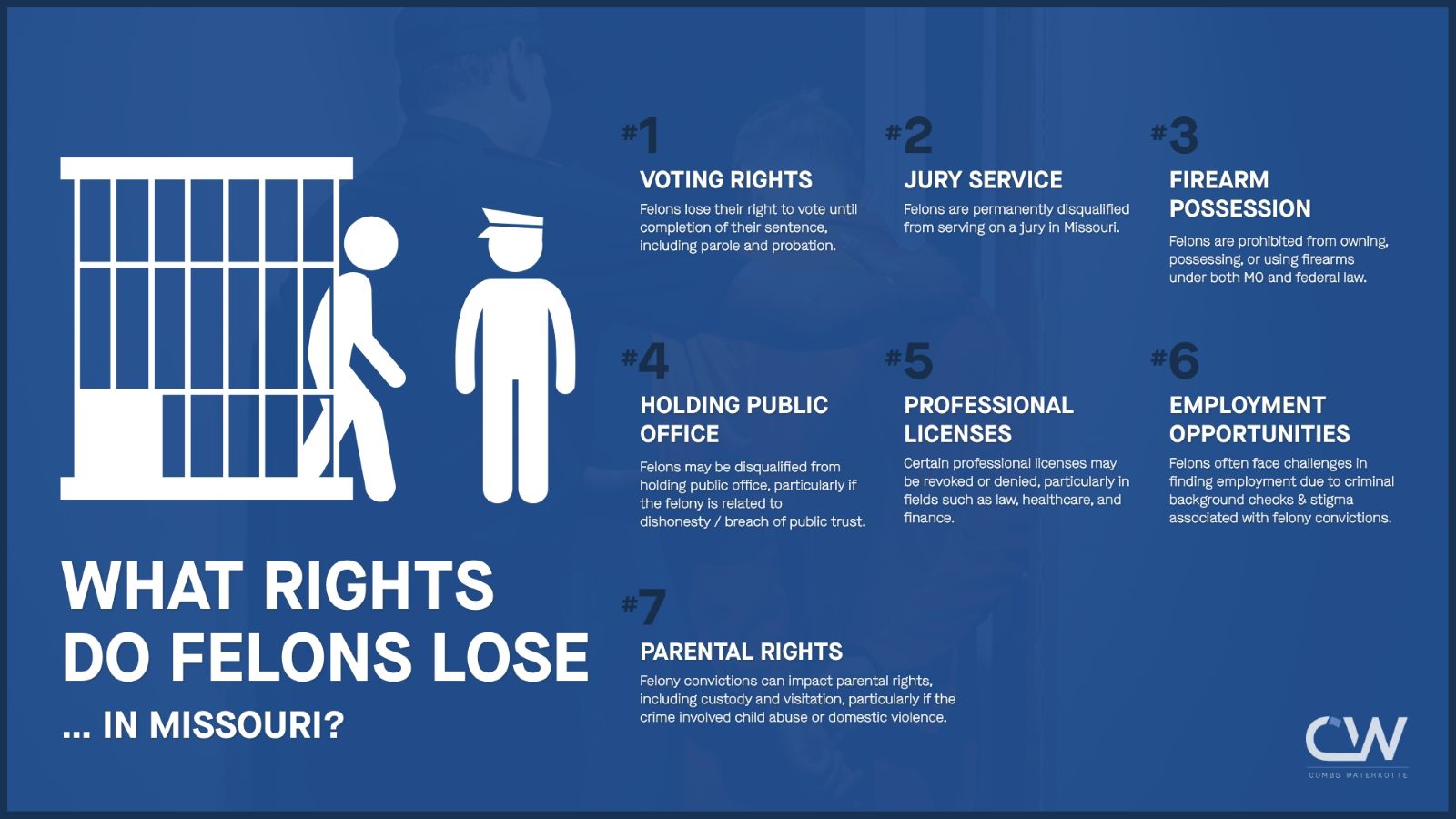
Facing a child molestation charge in Pulaski County, MO? When you choose Combs Waterkotte Pulaski County, MO a child molestation defense lawyer, you aren’t just selecting an ideal child molestation defense lawyer in Pulaski County, MO and throughout Missouri – you’re protecting your rights, your freedom, and your future. Along with esteemed sex crime defense attorneys, our staff is available 24/7 and provides expertise in the following areas for residents in Pulaski County and beyond:
How Forensic Interviews Can Shape a Child Molestation Case in Pulaski County, MO
A forensic interview can become a central piece of evidence when a child makes an allegation of sexual abuse. What is said during that interview, and the circumstances leading up to it, may significantly influence how investigators and prosecutors evaluate the case.
For that reason, the interview should be examined closely rather than viewed in isolation.
Your Pulaski County, MO child molestation defense attorney can review both the child’s statements and the process through which those statements were obtained.
Questions can arise about whether the child had previously discussed the allegation with parents, relatives, teachers, counselors, police officers, or others; whether details changed between accounts; whether interview questions introduced information; and whether the child’s statements are consistent with other evidence.
Whenever the interview was recorded, reviewing the recording itself can reveal tone, context, questioning techniques, pauses, and other details that may not appear in a written summary. Whenever possible, the defense should evaluate the underlying evidence rather than relying solely on an investigator’s interpretation of the interview.
Can Prosecutors File Child Molestation Charges in Pulaski County, MO Without Physical Evidence?
No. Prosecutors may pursue a child molestation charge even when the investigation does not produce DNA, medical findings, or other forms of physical evidence.
But that does not mean physical evidence is irrelevant, or that a statement-based case cannot be challenged.
When there is little or no physical evidence, other aspects of the prosecution’s case may take on greater significance. The defense may closely examine the credibility and consistency of statements, the alleged timeline, witness accounts, digital evidence, surrounding circumstances, and the methods investigators used to gather information.
An experienced child molestation defense attorney in Pulaski County, MO should assess the evidence as a whole, identifying what supports the state’s theory, what contradicts it, and what may create reasonable doubt about the allegations.
Possible Defenses to Child Molestation Charges in Pulaski County, MO
Every child molestation case presents different facts, allegations, and evidence. There is no single defense strategy that applies to everyone. An effective defense must be built around what prosecutors are alleging and whether the evidence can actually establish each element of the charged offense.
Issues that may become important to the defense include:
The Allegation Does Not Reflect What Actually Happened
Not every child molestation allegation accurately reflects what happened. An accusation may arise in the context of a custody dispute, family conflict, anger, misunderstanding, outside influence, pressure from another person, or other circumstances that deserve investigation.
The defense should investigate the origin and development of the allegation instead of simply labeling it false.
Prosecutors Cannot Establish the Required Sexual Contact
Prosecutors must prove the specific conduct required by the Missouri child molestation offense charged. Physical contact that is innocent, accidental, ambiguous, or misunderstood does not automatically satisfy the legal requirements for criminal sexual contact.
Examining exactly what allegedly happened, and the context surrounding the interaction, can therefore become a central part of the defense.
Objective Evidence Contradicts the Allegation
Child molestation allegations frequently involve claims about where and when particular events occurred in or around Pulaski County, MO. Independent records may provide a way to test those claims.
Phone and location records, photographs, work schedules, receipts, surveillance video, GPS data, travel records, and witness testimony may show whether the alleged timeline and circumstances are consistent with what actually occurred.
The Allegations Evolved During the Investigation
Not every inconsistency destroys a prosecution. But meaningful changes involving when, where, how, or how often something allegedly happened deserve careful investigation.
The defense can compare initial disclosures, forensic interviews, police reports, medical histories, deposition or hearing testimony, and other accounts to determine how the allegations developed.
Law Enforcement Obtained Evidence Unlawfully
The seriousness of a child molestation accusation does not allow investigators to disregard the defendant’s constitutional rights.
Police may seek warrants to search a residence, cellphone, computer, online account, or other property for evidence. A defense attorney can scrutinize whether those searches and seizures were lawful and challenge evidence obtained in violation of constitutional or statutory protections.
The Evidence Does Not Support the Specific Degree Charged
Missouri’s four degrees of child molestation are separate offenses with different statutory elements.
Factors such as age, the difference in age between the parties, the nature of the alleged contact, forcible compulsion, and aggravated-sexual-offense allegations can determine which degree applies. The state must prove the requirements of the specific offense charged beyond a reasonable doubt; it cannot substitute a general accusation for proof of those elements.
Long-Term Consequences of Sex Offender Registration in Missouri
For many people accused of a sex crime, registration is one of the most frightening potential consequences.
Missouri uses a tier-based sex offender registration system that includes child molestation offenses. The applicable tier, how long registration lasts, how frequently someone must report, and whether relief may eventually be available depend on the specific conviction and individual circumstances.
Registration requirements can create practical challenges involving housing, employment, law enforcement reporting, and other aspects of day-to-day life.
Those requirements may also exist alongside significant collateral consequences resulting from the conviction.
Depending on your circumstances, those consequences may involve:
- Finding or keeping employment
- Obtaining or maintaining a professional license
- Housing limitations
- Custody and visitation with your children
- Reduced educational opportunities
- Immigration status for noncitizens
- Loss or restriction of firearm rights
- Personal and professional relationships
- Your reputation in the community
These consequences make it important to evaluate the entire case, not simply the immediate possibility of incarceration.
Steps to Take After a Child Molestation Accusation in Pulaski County, MO
The days following a child molestation accusation can move quickly. While investigators may already be gathering evidence, decisions you make during this period can either protect your position or make defending the case more difficult.
1. Do Not Try to Clear Your Name in a Police Interview
Do not assume you can make the investigation disappear by explaining yourself. Speak with a child molestation lawyer in Pulaski County, MO before answering substantive questions from investigators.
2. Do Not Reach Out to the Accuser
Resist the urge to ask the child, parent, relative, or anyone connected to the case why the accusation was made. A conversation you intend as harmless could later be characterized as confrontation, pressure, intimidation, or an attempt to influence the investigation.
3. Follow Every Bond or No-Contact Condition
If a court has imposed restrictions, follow them exactly, even if the other person initiates contact.
4. Protect and Preserve Potential Evidence
Keep relevant texts, emails, photographs, social media content, location records, and other electronic or physical information. Do not delete, modify, or destroy material simply because you believe it is unimportant or potentially embarrassing.
Something that appears insignificant now may become important once your attorney has reviewed the prosecution’s theory and evidence.
5. Do Not Discuss the Case on Social Media
Avoid posting explanations, denials, accusations, or other comments about the case online. Statements concerning the accuser, witnesses, investigators, or allegations can potentially be preserved and used as evidence.
6. Write Down What You Remember for Your Attorney
Make a private record for your attorney of relevant dates, places, conversations, witnesses, and other details you remember. Avoid circulating your account to other people who could later become involved as witnesses.
7. Get a Pulaski County, MO Child Molestation Defense Attorney Involved Early
Early representation gives your defense team more time to preserve evidence, identify and interview witnesses, investigate how the allegation developed, and address law enforcement strategically before the case progresses further.
Why Early Intervention Matters in a Child Molestation Investigation
A child molestation defense can begin before an arrest, indictment, or formal criminal charge. If law enforcement is already investigating you in Pulaski County, MO, waiting for the government to complete its case can mean losing valuable opportunities to protect yourself.
Important evidence does not always remain available indefinitely. Surveillance video can be erased, electronic communications can disappear, witnesses can become difficult to find, and memories can become less precise. At the same time, detectives may continue interviewing people, collecting records, and developing their theory of the case.
Early representation may allow your Pulaski County, MO attorney to:
- Communicate with law enforcement through legal counsel
- Avoid making unnecessary statements that could complicate your defense
- Determine what law enforcement is investigating
- Preserve favorable electronic and physical evidence
- Identify and investigate witnesses who may have relevant information
- Reconstruct important timelines, locations, and events
- Scrutinize warrants, searches, and investigative procedures
- Prepare for the possibility that prosecutors will file charges
- Develop the defense’s version of events before the government’s theory becomes entrenched
The earlier the defense begins investigating, the more opportunity there may be to preserve important evidence, understand the allegations, and prepare strategically before the criminal case moves forward.

A Serious Child Molestation Charge Demands a Serious Defense in Pulaski County, MO
Defending a child molestation allegation requires more than responding to what prosecutors put in front of you. These cases demand careful investigation, a detailed understanding of the evidence, and a defense strategy that recognizes how much is at stake outside the courtroom as well.
At Combs Waterkotte, we know how quickly an accusation involving a sex crime can affect your reputation, relationships, career, and future. But an accusation is not proof, and we do not approach your case as though the outcome has already been decided.
We haven’t. Our job is to investigate the evidence, protect your constitutional rights, challenge what can be challenged, and force the state to prove its allegations.
Our Pulaski County, MO defense team can:
- • Build an independent investigation instead of relying solely on the state’s case
- • Review police reports and investigative records
- • Obtain and review forensic interview recordings
- • Identify contradictions or changes in witness accounts
- • Secure potentially important texts, messages, location records, and electronic evidence
- • Evaluate relevant medical and forensic evidence
- • Investigate when, how, and under what circumstances the allegation originated
- • Challenge unconstitutional searches and improperly obtained evidence
- • Examine whether prosecutors can establish every element of the charged offense
- • Draw on investigators and qualified experts when additional resources are needed
- • Build the defense around you and what is at stake in your life
- • Prepare your case for trial when a fair resolution cannot be reached
You are more than the allegation written in a police report. We take the time to understand what happened, investigate the state’s version of events, and build a defense specifically around your case.
Facing a Child Molestation Allegation in Pulaski County, MO? Put a Defense in Place Now
Once a child molestation accusation is made, the investigation can move forward quickly, even while you are still trying to understand what happened and what the allegation could mean for your future.
You do not have to sit back while law enforcement builds its case. You have the right to an attorney, the right to challenge the evidence against you, and the right to require the state to prove its allegations.
At Combs Waterkotte, we defend people against some of the most serious and damaging criminal allegations in Missouri. We investigate the circumstances behind the accusation, analyze forensic interviews and digital evidence, identify inconsistencies and weaknesses in the state’s case, challenge evidence obtained unlawfully, and prepare a defense designed to hold prosecutors to their burden.
Do not try to navigate a child molestation investigation alone, and do not wait until prosecutors have finished building their case to begin building yours in Pulaski County, MO.
Call Combs Waterkotte at (314) 900-HELP or contact us online today to discuss your situation confidentially with an experienced child molestation lawyer in Pulaski County, MO.

