



Additional Links
- What Are the Sexual Exploitation Laws Regarding Child Pornography?
- Can I Be Arrested for a Sex Crime Without Evidence?
- Do I Need a Lawyer if I’m Innocent in a Sex Crime Case?
- How Does the Sex Offender Registry Work in Missouri?
- If I’m Convicted of a Sex Crime, Do I Have to Register as a Sex Offender?
- Top 10 Sex Crime Questions
- What Are My Rights When Accused With a Sex Crime?
- What Happens When You Are Charged With a Child Sex Crime?
- What Happens When You Are Wrongfully Accused of a Sex Crime?
First Degree Promoting Child Pornography Defense Attorneys in St. Louis
A first degree promoting child pornography charge in St. Louis is not something you can afford to face alone. The stakes are extraordinarily high, and the legal process can be complex, technical, and unforgiving. Building a strong defense requires a deep understanding of Missouri law, digital evidence, and the strategies needed to challenge the prosecution’s case at every stage.
At Combs Waterkotte, we bring more than eight decades of combined criminal defense experience to cases just like yours. We understand that these charges often involve detailed forensic investigations and sensitive allegations, and we approach every case with the discretion, thoroughness, and focus it demands. From the moment you hire our firm, we begin analyzing the evidence, identifying weaknesses, and developing a defense strategy tailored specifically to your situation.
“I cannot begin to thank [Combs Waterkotte] enough for [their] dedication and expertise in assisting me with a legal matter. The outcome could not have gone any better. [They] made me feel comfortable in knowing [they were] giving 100% to assist me! Thank you [Combs Waterkotte] for your intuitiveness and intelligence in handling my legal matter!”
-Mikhail Lin | Combs Waterkotte Client
When you choose Combs Waterkotte, one of our expert child pornography criminal defense lawyers will carefully examine how evidence was obtained, whether your rights were violated, and whether the prosecution can truly meet its burden of proof. We are prepared to challenge improper searches, question the validity of digital evidence, and expose inconsistencies in the case against you. Whenever possible, we work to have charges reduced or dismissed, but we are always ready to take your case to trial if that’s what it takes to protect your future.
If you select us to represent you, you’re choosing a team that is committed to standing by your side from start to finish. We prioritize clear communication, personalized attention, and aggressive advocacy in every case we handle. If you’re ready to take the first step toward defending your rights and your reputation, contact our St. Louis defense attorneys online today or give us a call at (314) 900-HELP.
What Is First Degree Promoting Child Pornography in St. Louis, MO?
Of all the pornography-related offenses under Missouri law, first degree promoting child pornography is one of the most serious. The state of Missouri maintains that someone commits this offense when they:
- Knowingly possess child pornography depicting a child under 14 years old (or someone who appears to be a child under 14 years old), and
- Promotes or intends to promote the pornography
There’s not much to the statute itself, so it’s important to understand some of the definitions associated with child pornography under Missouri law. The most applicable terms that apply to a first degree promoting child pornography charge are:
- Child pornography — Obscene photo, film, video, or performance depicting sexual conduct or contact in which one of the participants is a minor
- Minor — Any person under 18 years of age
- Child — Any person under 14 years of age
- Promote — To manufacture, issue, sell, provide, mail, deliver, transfer, transmute, publish, distribute, circulate, disseminate, present, exhibit, or advertise
The most important definition is “promote,” which is very broad. The wide scope of the definition means St. Louis prosecutors have a lot of leeway in prosecuting child pornography promotion charges—and the penalties for a conviction are severe.
What Are the Penalties for First Degree Promoting Child Pornography in St. Louis, MO?
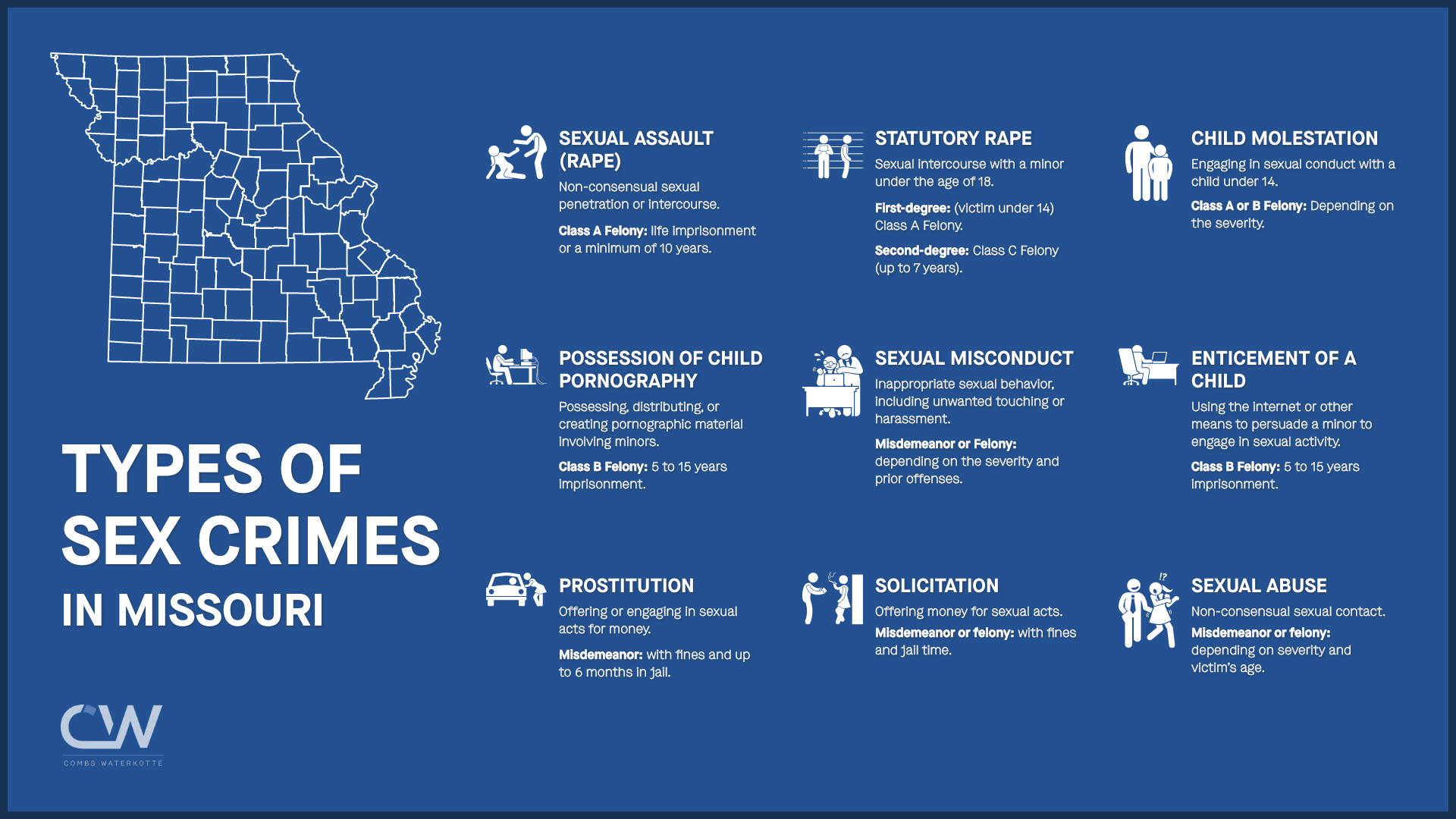
First degree promoting child pornography is always charged as a felony in St. Louis, Missouri. The standard charge is a Class B felony, a conviction for which carries a possible prison sentence between 5 and 15 years. Any individual convicted of the offense is ineligible for probation.
The offense may also be elevated to a Class A felony, the most serious felony charge under Missouri law. First degree promoting child pornography is a Class A felony when an individual promotes child pornography to a minor, an offense for which a prison term between 10 to 30 years or even life in prison is possible.
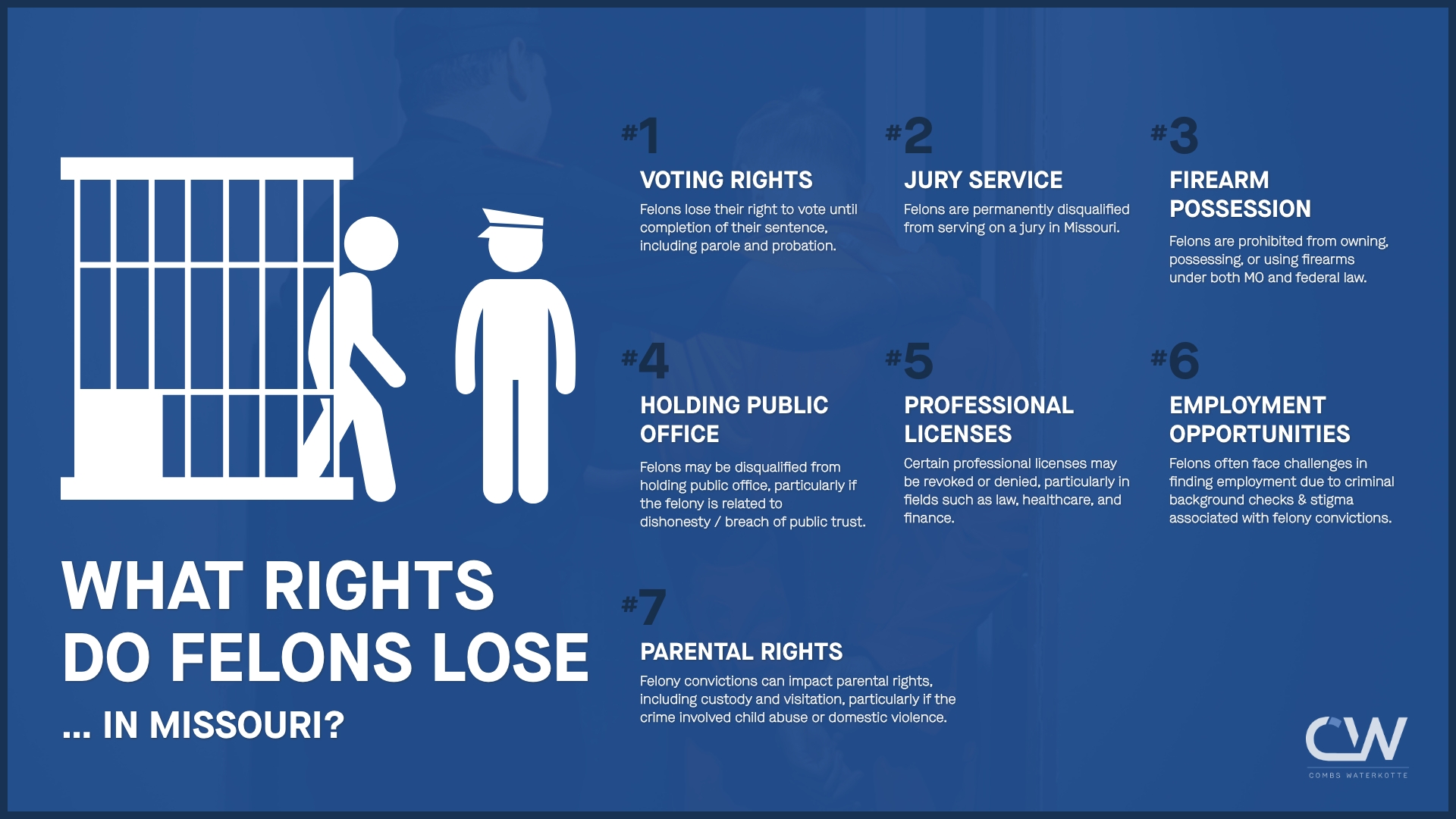
On top of a possible decades-long prison sentence, there are several additional consequences that come with a first degree promoting child pornography conviction. Because the offense is always a felony, a conviction can result in many collateral consequences for a felony conviction, including:
- Employment barriers, especially for jobs related to education, healthcare, childcare, and government work
- Housing issues, particularly for public or subsidized housing or dwellings located near a school or daycare
- Professional licensing issues, as a sex offense conviction often carries automatic denials or near-impossible rehabilitation hurdles
- Child custody consequences, such as loss of custody, supervised visitation, or termination of parental rights
Sex Offender Registry Requirements for a First Degree Promoting Child Pornography Conviction in St. Louis
A conviction for first degree promoting child pornography requires individuals to register as a sex offender in Missouri. According to RSMo §589.414(6)(g), first degree promoting child pornography requires someone to register as a tier II sex offender. Under RSMo §589.400(4)(2), tier II sex offenders must remain registered for a period of at least 25 years.
Tier II sex offenders may apply for removal from the Missouri sex offender registry after 25 years (applications submitted before the 25-year period has elapsed are automatically denied). In order to be removed from the registry, RSMo §589.401(11) maintains that an individual must:
- Commit no additional sex offenses during their 25 years as a tier II sex offender
- Complete any requirements of supervised release, probation, or parole
- Complete a sex offender treatment program
- Demonstrate that they are not a current or potential threat to public safety
Criminal Defense Strategies for First Degree Promoting Child Pornography in St. Louis
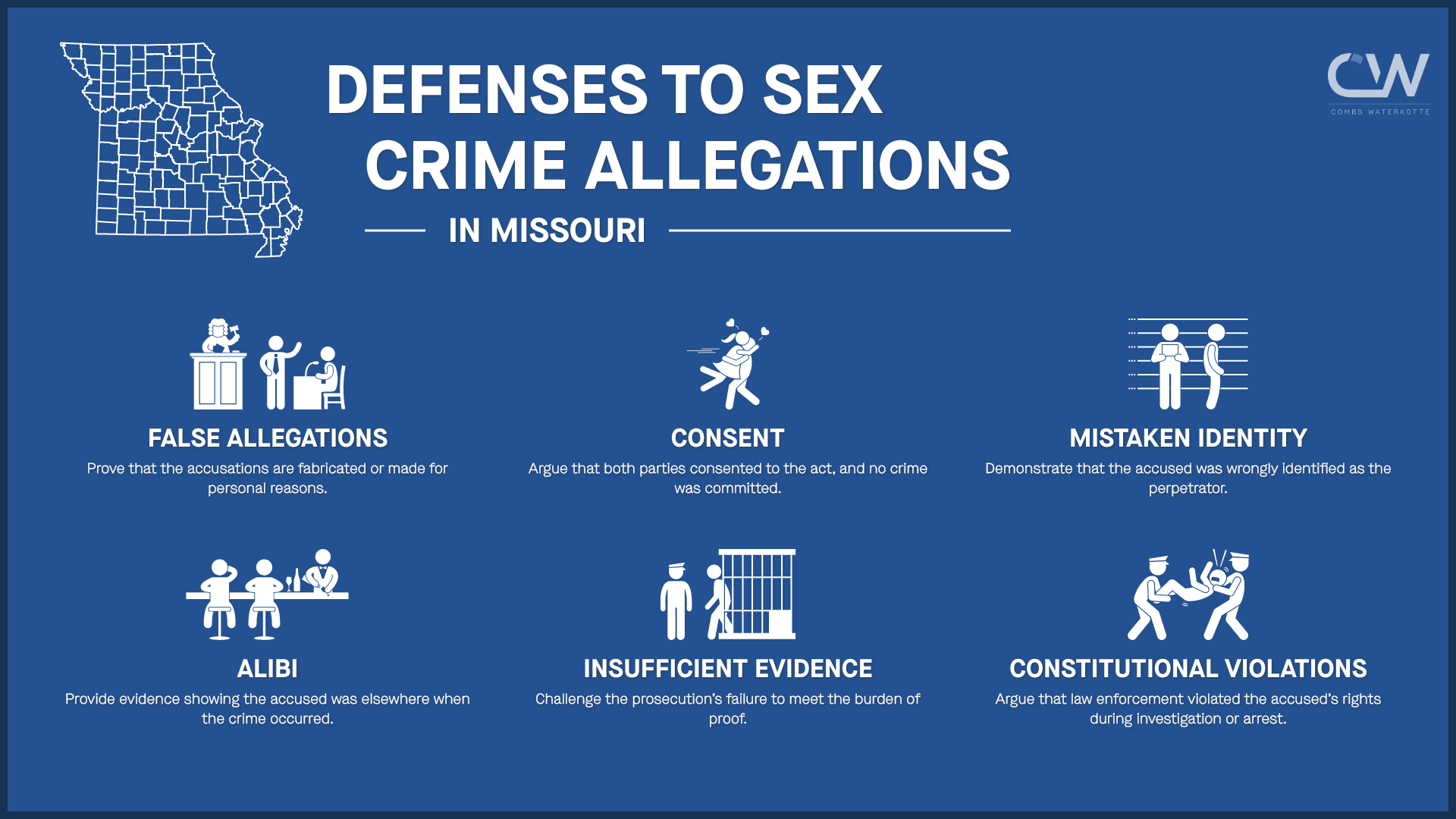
As serious as a first degree child porn promotion charge is, a good St. Louis criminal defense attorney can still make a huge difference in your case. At Combs Waterkotte, we’ve found the following criminal defense strategies to be particularly effective in securing acquittals, charge reductions, and even dismissals in child porn promotion cases.
Lack of Intent
Many promoting child pornography charges in St. Louis hinge on whether the defendant knowingly distributed or intended to distribute illegal material. If the prosecution cannot prove intent, like in cases involving accidental downloads, auto-sharing software, or lack of awareness, the charges may not hold. Demonstrating that the accused did not knowingly promote or distribute illicit content can be a powerful defense strategy.
Fourth Amendment Violations
Digital evidence is often central to child porn promotion cases, but it must be obtained legally. If St. Louis law enforcement conducted a search of a computer, phone, or online account without a valid warrant or probable cause, that evidence may be suppressed. Challenging unconstitutional searches can significantly weaken the prosecution’s case, especially when the majority of evidence comes from seized electronic devices or online activity.
Fifth Amendment Violations
Statements made during St. Louis police questioning can play a major role in prosecution. However, if those statements were obtained without proper legal safeguards like coercion or failure to honor the right to remain silent, they may be inadmissible. A strong defense may involve challenging how law enforcement obtained statements and whether the defendant’s constitutional rights against self-incrimination were violated during interrogation.
Miranda Rights Violations
Law enforcement must inform individuals of their Miranda rights before custodial interrogation. If St. Louis area police officers fail to advise a defendant of these rights, any statements made may be excluded from evidence. In cases involving alleged online conduct, suppressing statements can be critical, particularly when prosecutors rely on admissions to establish knowledge or intent.
Entrapment
In some investigations, law enforcement uses undercover operations or online stings. If officers or agents induced someone to distribute or share material they would not have otherwise engaged with, an entrapment defense may apply. This defense focuses on whether the criminal conduct originated with law enforcement rather than the defendant, and whether the accused was predisposed to commit the offense.
Mistaken Identity or Unauthorized Access
In many cases, digital evidence is tied to an IP address or device rather than a specific person. If multiple individuals had access to the same device or network, it may be difficult for prosecutors to prove who was responsible. A defense based on unauthorized access, hacking, or shared device usage can raise reasonable doubt about the identity of the person who allegedly promoted the material.
Insufficient Evidence
The prosecution must prove every element of the offense beyond a reasonable doubt, including that the material qualifies as child pornography under Missouri law and that the defendant knowingly promoted it. If there are gaps in the evidence like unclear file origins, lack of distribution proof, or questionable forensic methods, a defense attorney can challenge the strength and reliability of the case.
Plea Negotiations and Charge Reduction Options
In some cases, a skilled defense attorney may be able to negotiate a reduction from first-degree promoting child pornography to less severe charges. These may include second degree promoting child pornography or possession of child pornography depending on the evidence and alleged conduct. While still serious, these reduced charges may carry lower penalties and different long-term consequences. Strategic plea negotiations can be critical in minimizing exposure to lengthy prison sentences and lifetime registration requirements.