
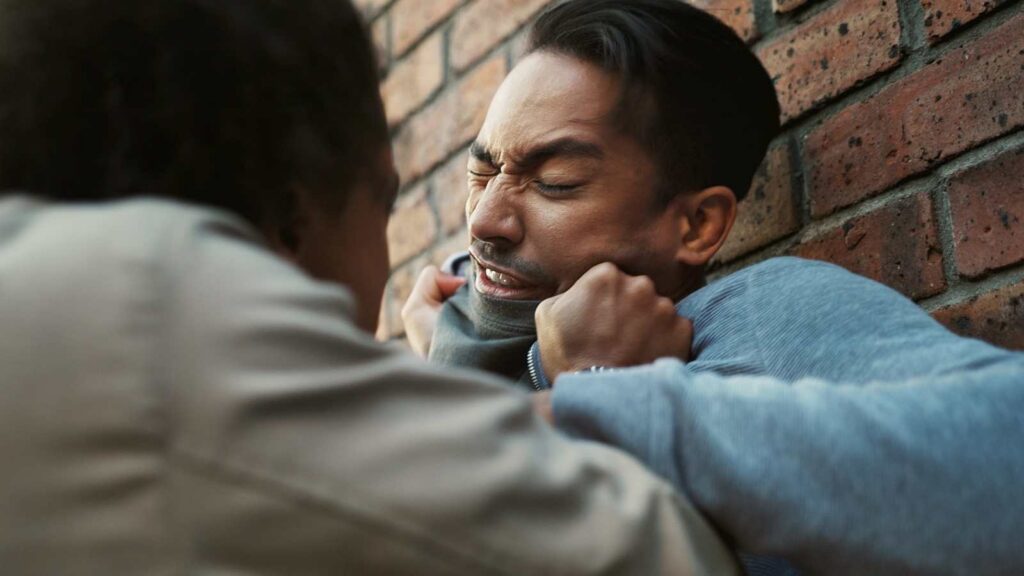
Second-Degree Assault Lawyer Kansas City, MO
Charged with second-degree assault in Kansas City, Missouri? Combs Waterkotte can fight to protect your freedom, reputation, and future.
TO COMBS WATERKOTTE,YOU ARE WHY WE EXIST.


Second-Degree Assault Lawyer Kansas City, MO
In Kansas City, you can face felony assault charges even if you don’t intend to injure someone. Combs Waterkotte has defended over 15,000 criminal prosecutions, saving clients over 1 million days in jail or prison. If you’ve been charged with second-degree assault, our experienced team can fight aggressively to secure a dismissal, plea deal, or acquittal on your behalf.

I owe my life to Combs Waterkotte. If not for them, I would be spending the rest of my life behind bars. There is no amount of words that can explain what they did for me and my family. Its the highest recommendation that I can give.
Alexander B.
Felonies
Verify on

If I could give Steve and his team 10 stars I would in a heartbeat. Was facing more then one felony charge and after these guys found the arresting officer violated my 4th Amendment Rights and those charges were dismissed. My family and I can't thank you enough.
Dean J
Felonies
Verify on
I was hands down guilty. ON VIDEO !!! In a smaller town, and a job dealing with the public, this was devastating. I made one phone call and spoke for maybe 15 minutes. I DIDN'T appear in court. I am extremely impressed. QUIETLY relieved of the matter!
Y.I.V.
Theft
Verify on
My fiance had a felony drug charge and Combs Waterkotte got it dismissed! There were no fines, court cost, nothing. Chris is loyal, professional, knowledgeable, and a man of his word. We are forever grateful for you.
Kimberly T.
Drug Crimes
Verify on
If I was found guilty, it would have been over 100 years in prison. They promised me that they would fight like hell and get me out of it. After everything was done, I just felt free. Like this wasn’t gonna end with me rotting away in a prison cell. I felt like I could start my life and have a fresh start.
Caleb
Assault 1st, Armed Criminal Action
Verify on
I was facing, probably 18 years… I actually got 5 years probation and 40 hours of community service. Without Combs Waterkotte’s help, I don’t think my family could have made it without me. It was just a written book to where it's a perfect ending.
Chris
Unlawful Use of a Weapon, Armed Criminal Action
Verify on
I went through what was supposed to be one of the top law firms in St. Louis. They said I wouldn't have no chance. I end up firing the other lawyer and everything and going with Chris. I felt like Combs Waterkotte actually did something for me and wasn't I wasn't just another number on somebody's desk.
Willy
DWI/DUI
Verify onI owe my life to Combs Waterkotte. If not for them, I would be spending the rest of my life behind bars. There is no amount of words that can explain what they did for me and my family. Its the highest recommendation that I can give.
Alexander B.
Felonies
If I could give Steve and his team 10 stars I would in a heartbeat. Was facing more then one felony charge and after these guys found the arresting officer violated my 4th Amendment Rights and those charges were dismissed. My family and I can't thank you enough.
Dean J
Felonies
I was hands down guilty. ON VIDEO !!! In a smaller town, and a job dealing with the public, this was devastating. I made one phone call and spoke for maybe 15 minutes. I DIDN'T appear in court. I am extremely impressed. QUIETLY relieved of the matter!
Y.I.V.
Theft
My fiance had a felony drug charge and Combs Waterkotte got it dismissed! There were no fines, court cost, nothing. Chris is loyal, professional, knowledgeable, and a man of his word. We are forever grateful for you.
Kimberly T.
Drug Crimes
If I was found guilty, it would have been over 100 years in prison. They promised me that they would fight like hell and get me out of it. After everything was done, I just felt free. Like this wasn’t gonna end with me rotting away in a prison cell. I felt like I could start my life and have a fresh start.
Caleb
Assault 1st, Armed Criminal Action
I was facing, probably 18 years… I actually got 5 years probation and 40 hours of community service. Without Combs Waterkotte’s help, I don’t think my family could have made it without me. It was just a written book to where it's a perfect ending.
Chris
Unlawful Use of a Weapon, Armed Criminal Action
I went through what was supposed to be one of the top law firms in St. Louis. They said I wouldn't have no chance. I end up firing the other lawyer and everything and going with Chris. I felt like Combs Waterkotte actually did something for me and wasn't I wasn't just another number on somebody's desk.
Willy
DWI/DUI
Degrees of Assault in Missouri
Missouri divides assault charges into four degrees. First-degree assault is the most serious charge with the harshest penalties. Fourth-degree assault is the least serious charge subject to the lightest punishment.
Assault in the second degree falls in the middle of these offenses. If you are charged with first-degree assault, second-degree assault might represent a fair resolution with a significant reduction in your potential sentence.

A second-degree assault conviction can change your life. Be proactive. Call Combs Waterkotte at (314) 900-HELP or contact us online to start building your defense.
Similarly, if your original charge is second-degree assault, your attorney has room to negotiate for lesser charges and may be able to secure a plea deal for third-degree assault or fourth-degree assault.
Keep in mind that in Missouri, assault is merged with other crimes, such as battery, to cover any situation in which the accused makes or threatens harmful or offensive contact with another.
Why Combs Waterkotte is the best Law firm for your case.
Real results for people just like you.

Second-Degree Assault in the Missouri Revised Statutes
In the Missouri Revised Statutes, second-degree assault occurs under the following circumstances:
Seriously Injures or Attempts to Kill or Seriously Injure Under Sudden Passion
To understand this type of assault, you must first understand two homicide charges. Second-degree murder happens when someone knowingly causes another person’s death. However, this charge can be reduced to manslaughter if the accused claims they acted under sudden passion arising from an adequate cause.
First- and second-degree assault parallel these homicide charges. The first-degree offense happens when someone attempts to kill, seriously injures, or attempts to seriously injure another party. This charge can be reduced to second-degree assault when the accused asserts that they acted under sudden passion arising from an adequate cause.
Sudden passion arising from adequate cause can explain the accused’s actions in a way that reduces their culpability. As defined by the state’s statutes, sudden passion means a powerful emotion triggered by a provocation, such as by the other party or someone acting with the other party.
The emotion arises at the time of the alleged assault rather than a prior provocation. Adequate cause means a reason that would understandably trigger sudden passion in a person with an ordinary temperament, impairing their self-control.
A serious physical injury causes a substantial risk of death, severe disfigurement, or extended functional loss or impairment of a body part. It is worth noting, though, that Missouri’s legislature amended this statute to replace the term “serious physical injury” with “great bodily harm” for cases from July 2027 onward.
Great bodily harm means a physical injury that creates a high probability of death or a serious and permanent or extended functional loss of a body member or organ. Other serious bodily harm may also qualify.
Injures or Attempts to Injure With a Deadly Weapon or Dangerous Instrument
Additionally, a second-degree offense can also happen when the accused caused or attempted to cause a physical injury to someone with a deadly weapon or dangerous instrument.
A physical injury is any injury that slightly or even temporarily impairs the function or use of a body part. This definition is meant to cover nearly all physical injuries, such as minor bruises, lacerations, or abrasions.
On the other hand, a deadly weapon is very narrowly defined to include these devices:
- Loaded or unloaded firearms
- Projectile weapons capable of killing or seriously injuring
- Switchblades
- Daggers
- Billy clubs
- Blackjacks
- Metal knuckles
Except for firearms and projectile weapons, these devices are used primarily for harming people. However, the list excludes other devices that are obviously deadly weapons, such as hunting knives or throwing stars.
The law defines a dangerous instrument broadly to include any instrument, article, or substance that is readily capable of killing or seriously injuring. Unlike the definition of deadly weapons, this definition does not provide specific, and potentially limiting, examples. As a result, prosecutors can interpret this definition broadly to include motor vehicles, baseball bats, poisons, or even broken beer bottles.
An example of a situation falling under this scenario could occur if someone knowingly added a harmful substance to their spouse’s food. Even if the substance is non-lethal, any damage to the spouse’s digestive system could justify these charges.

Recklessly Causes Serious Injury
Recklessness means that the accused consciously disregarded a substantial and unjustifiable risk. This disregard must constitute a gross deviation from the behavior expected in the situation.
For example, driving with your eyes closed might constitute recklessness, as could throwing rocks off a highway overpass. If you cause a serious injury, these reckless actions could come with assault charges.
Recklessly Injures Using a Firearm
Recklessness involving a firearm can also mean facing assault charges. Since firearms require extra care, you can commit a second-degree offense by causing any injury, not just serious injuries.
This means prosecutors might pursue second-degree charges for assault even if the other party did not suffer a gunshot wound. For instance, you might be charged for firing a gun inside a house, damaging another person’s eardrums.
Potential Defenses Against Kansas City, MO, Second-Degree Assault Charges
When you hire us, we build a criminal defense strategy that is unique to the circumstances of your case. However, here are some common defenses that can be useful in second-degree assault cases:
Lack of Intent
Assault in the second degree requires either intent or reckless conduct. The law requires these mental states to avoid its application to simple accidents.
Suppose that you accidentally discharged a pistol while putting it into your holster. The bullet ricocheted and hit a firearm instructor. If the gun discharged due to a mechanical malfunction, we might argue that you lacked the intent required for assault.
Self-Defense and Defense of Others
Missouri law specifically protects your right to use force to defend yourself and others. Under the state’s statute, you may use physical force against someone else when you reasonably believe force is needed to prevent the imminent use of unlawful force. For example, you might use force to stop someone who comes at you while brandishing a knife.
The self-defense law even allows for reasonable mistakes. You could presumably use force to disarm someone who has a toy gun if the toy would have fooled any reasonable person. We can consider whether self-defense would apply to your situation.
Castle Doctrine
The castle doctrine permits you to use force against someone, without retreating, when that person is unlawfully entering or attempting to enter your home, even if you are not inside. This law also applies when you are not in your home.
You can also use force to defend your office or vehicle as long as you have a lawful right to be there and you believe that the other person lacks such a right.
If someone was on your property who shouldn’t have been, we may be able to leverage the castle doctrine in your defense.
Penalties for Second-Degree Assault in Kansas City, MO
Assault in the second degree is normally a Class D felony punishable by up to seven years in prison. However, people convicted of Class D felonies are potentially eligible for probation instead of imprisonment.
This charge can be elevated to a Class B felony, which comes with 5 to 15 years in prison, when the person assaulted is a “special victim.” Special victims include:
- Law enforcement officers, corrections officers, and probation or parole officers performing official duties
- EMTs, firefighters, and medical personnel performing job duties
- People who are elderly, disabled, or vulnerable
- Highway workers in work zones
- Utility workers, cable workers, and mass transit workers performing job duties
It’s important to note that under Missouri law, vulnerable people include anyone in the care of the Department of Mental Health.
Why You Should Hire Combs Waterkotte in Kansas City for Your Second-Degree Assault Case
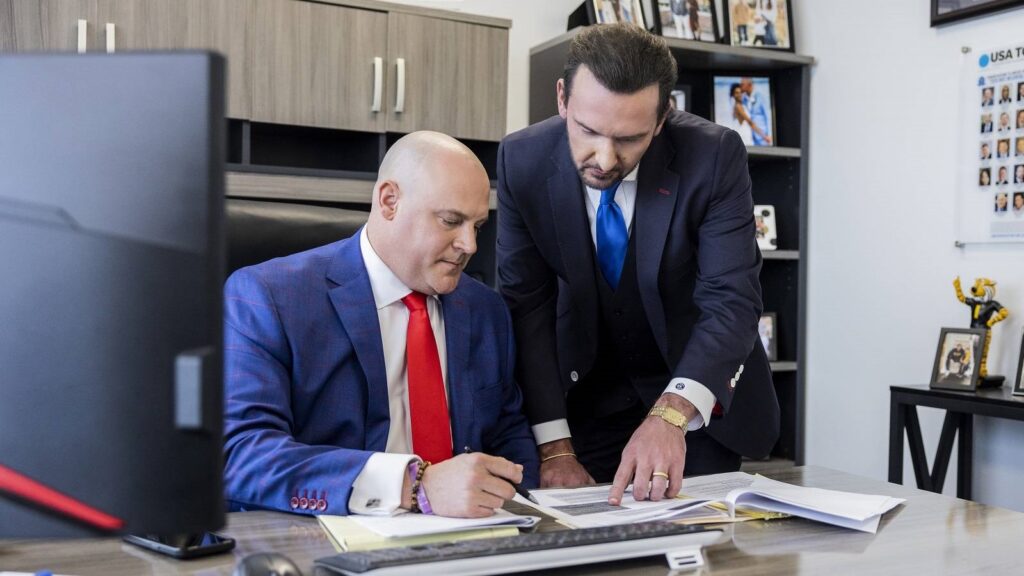
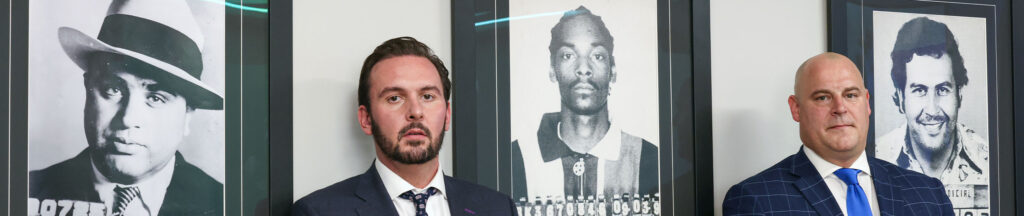
The attorneys at Combs Waterkotte have over 80 years of combined legal experience fighting for the rights of the accused across the state. Many assault cases involve conflicting stories about what happened. We listen to your side of the story so we can give you a voice, no matter what criminal charges you’re facing.
Read More:

We can carefully examine the prosecution’s evidence to identify gaps in their case. Our team can also gather evidence missed by the prosecutors, including witnesses and physical evidence, to support your defense.
How We Defend You From Kansas City, MO, Second-Degree Assault Charges
Our team uses your version of the events to tailor a strong defense for the facts of your case. We then present the defense and any exculpatory or mitigating evidence to the prosecution and can negotiate for a dismissal or reduction in charges. In many cases, we can raise enough questions that the prosecution will offer a fair plea deal.


If we cannot secure a positive plea bargain, our trial-ready lawyers can defend you in court. There, we can advocate fiercely for an acquittal.
Contact Combs Waterkotte to Start Your Kansas City Second-Degree Assault Defense

Second-degree assault is a serious crime that can carry a lengthy prison sentence. If you’re facing these charges, we can aggressively defend your freedom and reputation. Contact us online or at (314) 900-HELP to schedule a consultation and find out how we can protect your future today.
Resources
For more information on criminal defense in Kansas City or anywhere else in Missouri, call the Combs Waterkotte criminal defense attorneys right away at (314) 900-HELP or contact us online for a confidential consultation.
Should I Take a Plea Deal in My Kansas City Criminal Case?
Ultimate Guide To Missouri Arrest Warrants
Does Your Criminal Record Clear After 7 Years?
What Does a Kansas City, MO, Criminal Defense Attorney Actually Do?
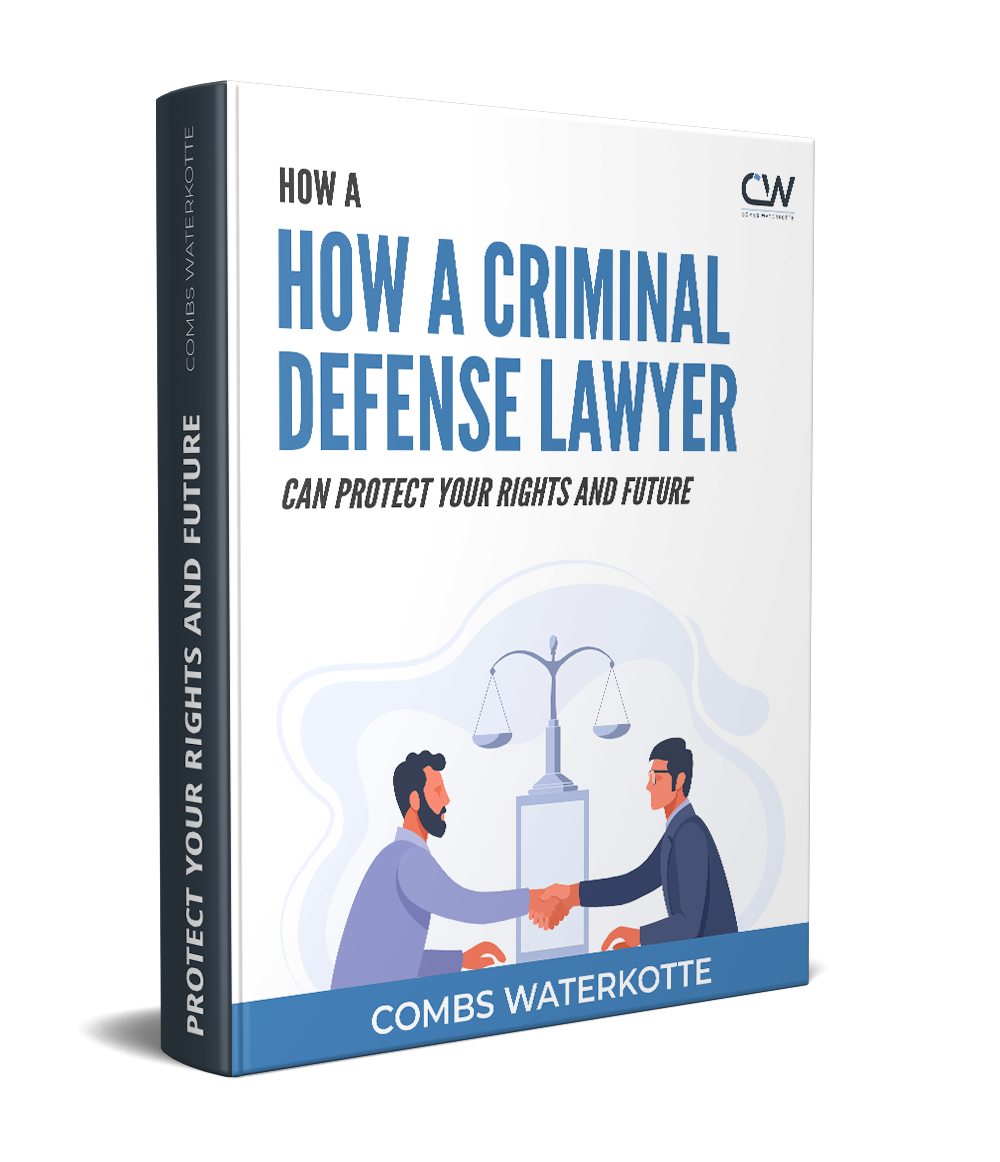
Free book
How a Criminal Defense Attorney Can Protect Your Rights and Future
Combs Waterkotte has over 80 years of experience and over 10,000 cases handled. This ebook helps guide you through the criminal defense process and how an experienced, skilled defense attorney can keep your freedoms intact.

