
DWI Lawyer St. Charles County, MO
Arrested for a DWI in St. Charles County, Missouri? Our DWI defense lawyers are prepared to represent you. Take the first step in protecting your criminal record and driving privileges by discussing your case with our law firm today.
TO COMBS WATERKOTTE,YOU ARE WHY WE EXIST.


DWI Lawyer St. Charles County, Missouri
In Missouri, it is illegal to drive with a blood alcohol content level of 0.08% and if you are pulled over in this condition, you can be charged with a DWI. The BAC limit is set lower for commercial drivers and drivers under the age of 21.
If you were pulled over for DWI in St. Charles County, you are facing adverse consequences on both a criminal and administrative law level. When you want to protect your reputation, record and driving privileges, don’t hesitate to speak with our St. Charles County DWI lawyers at (314) 900-HELP today.

I owe my life to Combs Waterkotte. If not for them, I would be spending the rest of my life behind bars. There is no amount of words that can explain what they did for me and my family. Its the highest recommendation that I can give.
Alexander B.
Felonies
Verify on

If I could give Steve and his team 10 stars I would in a heartbeat. Was facing more then one felony charge and after these guys found the arresting officer violated my 4th Amendment Rights and those charges were dismissed. My family and I can't thank you enough.
Dean J
Felonies
Verify on
I was hands down guilty. ON VIDEO !!! In a smaller town, and a job dealing with the public, this was devastating. I made one phone call and spoke for maybe 15 minutes. I DIDN'T appear in court. I am extremely impressed. QUIETLY relieved of the matter!
Y.I.V.
Theft
Verify on
My fiance had a felony drug charge and Combs Waterkotte got it dismissed! There were no fines, court cost, nothing. Chris is loyal, professional, knowledgeable, and a man of his word. We are forever grateful for you.
Kimberly T.
Drug Crimes
Verify on
If I was found guilty, it would have been over 100 years in prison. They promised me that they would fight like hell and get me out of it. After everything was done, I just felt free. Like this wasn’t gonna end with me rotting away in a prison cell. I felt like I could start my life and have a fresh start.
Caleb
Assault 1st, Armed Criminal Action
Verify on
I was facing, probably 18 years… I actually got 5 years probation and 40 hours of community service. Without Combs Waterkotte’s help, I don’t think my family could have made it without me. It was just a written book to where it's a perfect ending.
Chris
Unlawful Use of a Weapon, Armed Criminal Action
Verify on
I went through what was supposed to be one of the top law firms in St. Louis. They said I wouldn't have no chance. I end up firing the other lawyer and everything and going with Chris. I felt like Combs Waterkotte actually did something for me and wasn't I wasn't just another number on somebody's desk.
Willy
DWI/DUI
Verify onI owe my life to Combs Waterkotte. If not for them, I would be spending the rest of my life behind bars. There is no amount of words that can explain what they did for me and my family. Its the highest recommendation that I can give.
Alexander B.
Felonies
If I could give Steve and his team 10 stars I would in a heartbeat. Was facing more then one felony charge and after these guys found the arresting officer violated my 4th Amendment Rights and those charges were dismissed. My family and I can't thank you enough.
Dean J
Felonies
I was hands down guilty. ON VIDEO !!! In a smaller town, and a job dealing with the public, this was devastating. I made one phone call and spoke for maybe 15 minutes. I DIDN'T appear in court. I am extremely impressed. QUIETLY relieved of the matter!
Y.I.V.
Theft
My fiance had a felony drug charge and Combs Waterkotte got it dismissed! There were no fines, court cost, nothing. Chris is loyal, professional, knowledgeable, and a man of his word. We are forever grateful for you.
Kimberly T.
Drug Crimes
If I was found guilty, it would have been over 100 years in prison. They promised me that they would fight like hell and get me out of it. After everything was done, I just felt free. Like this wasn’t gonna end with me rotting away in a prison cell. I felt like I could start my life and have a fresh start.
Caleb
Assault 1st, Armed Criminal Action
I was facing, probably 18 years… I actually got 5 years probation and 40 hours of community service. Without Combs Waterkotte’s help, I don’t think my family could have made it without me. It was just a written book to where it's a perfect ending.
Chris
Unlawful Use of a Weapon, Armed Criminal Action
I went through what was supposed to be one of the top law firms in St. Louis. They said I wouldn't have no chance. I end up firing the other lawyer and everything and going with Chris. I felt like Combs Waterkotte actually did something for me and wasn't I wasn't just another number on somebody's desk.
Willy
DWI/DUI
What’s a DWI in St. Charles County?
Under Missouri law, you commit a DWI when you operate a vehicle while in an intoxicated condition. A DWI can involve alcohol, drugs or a combination of the two and you can be arrested for drunk driving even if a breath test doesn’t show a BAC level above the legal limit.
For drivers age 21 and older, a BAC level of 0.08% or higher triggers separate administrative action against your driving privileges.
Prosecutors may also rely on other evidence of alleged impairment such as:
- Driving Behavior
- Field Sobriety Tests
- Officer Observations
- Chemical Testing (breath or blood)
- Statements Made During a Traffic Stop
The seriousness of your DWI charge can depend on factors such as prior intoxication-related offenses, BAC level, whether another person was injured or killed and whether a child was in the vehicle. What begins as a misdemeanor DWI can therefore become a felony under certain circumstances, which is why it is important to consult with a St. Charles County DWI lawyer immediately for personalized legal advice.
Chemical Testing in DWI Cases
Missouri’s Implied Consent Law ( Sections 577.020 through 577.041, RSMo) governs chemical testing in DWI cases.
Missouri law authorizes four types of chemical tests during DWI investigations:
- Breath Tests: This measures the blood alcohol content (BAC) level using an approved breath-analysis device.
- Blood Tests: This measures alcohol or drug levels and must be drawn by authorized medical personnel.
- Urine Tests: This is used primarily to detect the presence of drugs or controlled substances.
- Saliva Tests: These analyze oral fluid to detect the presence of drugs or other substances that may impair driving.
By driving in Missouri, you legally consent to chemical testing if you are arrested with probable cause for DWI. While you can refuse a chemical test, doing so can result in a one-year civil revocation of your driver’s license ( Section 302.574, RSMo). If you request to speak with an attorney before submitting to a chemical test, law enforcement must generally allow you 20 minutes to attempt to contact one. If you continue refusing after that period, your refusal may be recorded.
Drivers generally receive a 15-day temporary permit and have the right to petition for judicial review of the revocation.
Breathalyzer calibration, equipment maintenance, testing procedures, sample handling, and the qualifications of the person administering the test can all become important when evaluating evidence. A chemical test can provide evidence of alcohol or drug presence or concentration, but the prosecution still must establish the applicable elements of the DWI offense.
DWI Field Sobriety Tests
In Missouri, an officer can ask you to perform any of the following field sobriety tests:
- Horizontal Gaze Nystagmus (HGN): The officer tracks a small object or light with their eyes to look for involuntary jerking (nystagmus) and lack of smooth pursuit.
- Walk-and-Turn (WAT): You take nine heel-to-toe steps along a straight line, turn on one foot, and walk back while keeping your balance and following instructions.
- One-Leg Stand (OLS): You lift one foot about six inches off the ground and count aloud for 30 seconds
Officers use field sobriety tests to look for physical and behavioral signs of impairment and help establish probable cause for a DWI arrest. Field sobriety tests can yield inaccurate results, however, due to:
- Improper instructions
- Officer training
- Testing conditions (uneven pavement, poor lighting)
- Medical conditions
- Balance problems
- Fatigue
- Anxiety
- Inappropriate footwear
A St. Charles County DWI lawyer can review police reports, bodycam footage, officer instructions, and roadside conditions to identify errors or inconsistencies that may undermine the reliability of the test results.
DWI License Suspension / Revocation
A DWI arrest in St. Charles County can lead to an administrative driver's license suspension or revocation, separate from any criminal penalties. Missouri's Department of Revenue handles license penalties involving drivers who test at or above the legal BAC limit or refuse chemical testing.
The process and penalties depend on the circumstances of your arrest:
- 15-Day Rule: After receiving a notice of suspension or revocation, you generally have 15 days before a BAC-related administrative suspension takes effect. Eligible drivers may receive a temporary driving permit, and a timely hearing request can delay the suspension.
- Administrative Hearing: You have 15 days from the date your notice is issued to request a hearing to challenge a BAC-related suspension or revocation. The hearing examines whether the officer had probable cause for the arrest and whether the required legal BAC threshold was established.
- First Administrative Suspension: If you have no qualifying alcohol-related enforcement contacts within the previous five years, you generally face a 90-day suspension. This may consist of a 30-day suspension followed by 60 days of restricted driving privileges, or an immediate 90-day restricted driving privilege with an approved ignition interlock device.
- Repeat Administrative Revocation: If you have a qualifying prior alcohol-related enforcement contact within five years, you generally face a one-year license revocation.
- Chemical Test Refusal: Refusing a chemical test generally results in a separate one-year license revocation, regardless of whether you are convicted of DWI. You have 30 days from the issuance of the revocation notice to fight the suspension in court.
What Happens After a DWI Arrest in St. Charles County?
After a DWI arrest in St. Charles County, you will have to deal with two separate proceedings: the criminal DWI case and an administrative action involving your driving privileges.
Your criminal case will involve the following:
- Your arraignment or initial court appearance
- Pretrial proceedings
- Negotiations with prosecutors
- Motions challenging evidence
- Trial (if the case cannot be resolved beforehand)
As it relates to your driving privileges, you will face the following:
- 15 days after receiving notice to request an administrative hearing
- A separate judicial review process, if you refused chemical testing
- Restricted or limited driving privileges, depending on your driving history and the type of suspension or revocation, sometimes with the installation of an ignition interlock device requirement
Our legal team can help you by reviewing police reports, body camera footage, field sobriety testing, chemical test evidence and the circumstances surrounding your traffic stop or arrest. A DWI defense lawyer can also help you by requesting your administrative hearing before the deadline and pursuing further judicial review if your license suspension or revocation is upheld.
DWI Cases in the St. Charles County Court System
According to data compiled by the Missouri Office of State Courts Administrator, in 2023, approximately 782 DWI cases were filed and handled through the 11th Judicial Circuit Court.
Where your DWI case is handled depends upon the agency that made the arrest, where the alleged offense occurred and the severity of your charge. The 11th Judicial Circuit in St. Charles County includes criminal and traffic divisions and more serious or repeat DWI cases may involve:
- Formal charging
- Discovery
- Pretrial motions
- Plea negotiations
- Evidentiary hearings
- A jury trial
St. Charles County also operates a Treatment Court System that includes a specific DWI Treatment Court Model. Combining judicial supervision with substance abuse treatment, drug and alcohol testing and regular court appearances, the program is designed to address underlying substance-use issues while holding participants accountable throughout the court process. Treatment Court is not available in every DWI case–eligibility depends on the specific charge, criminal history, treatment needs and approval through the court process.
Our DWI defense lawyers, familiar with the 11th Judicial Circuit, can help you understand what paths may be available to you and how each option could affect your case.
DWI Checkpoint Arrest
At a DWI checkpoint, officers stop vehicles to look for signs of impairment, such as the smell of alcohol, slurred speech, or bloodshot eyes. Police must follow a neutral, predetermined system for stopping vehicles (such as stopping every car or every third car).
If you are stopped at a DWI checkpoint, officers may ask you to provide:
- Your driver's license
- Proof of insurance
- Vehicle registration
Being stopped at a DWI checkpoint does not automatically give officers the authority to search your vehicle or arrest you. If an officer observes signs of impairment, they may have grounds to conduct further investigation, including requesting field sobriety tests. A St. Charles County DWI lawyer can review whether the checkpoint followed constitutional requirements, whether officers had sufficient grounds to extend the stop, and whether your rights were violated during the investigation.
First Offense DWI
A first offense DWI in Missouri is typically classified as a Class B misdemeanor under RSMo §577.010. Although penalties are generally less severe than those for repeat offenses, a first-time DWI conviction can still result in:
- Jail Time: Up to six months in jail
- Fines: Up to $1,000, plus applicable court costs
- Probation: Potentially two years or more, depending on sentencing
- Mandatory Programs: Substance Awareness Traffic Offender Program (SATOP) and any additional court-ordered treatment
- License Suspension: Generally 90 days, with restricted driving privileges potentially available
- Ignition Interlock Device: May be required depending on BAC, the circumstances of the offense, or driving privilege requirements
First-time offenders with a BAC of 0.15% or higher may face additional penalties, including mandatory jail time under certain sentencing circumstances. Charges may also become more serious when a minor passenger is present or an accident causes injuries.
A first DWI arrest does not automatically mean you will go to jail or receive a criminal conviction. Depending on the evidence and circumstances, a St. Charles County DWI lawyer may be able to challenge the charges, negotiate a favorable resolution, or pursue alternatives to incarceration.
Read More:
Why Combs Waterkotte is the best Law firm for your case.
Real results for people just like you.

Second Offense DWI
If you are facing a second offense DWI, you should understand that the stakes are raised. Under RSMo §577.001, a driver with one prior intoxication-related traffic offense within five years of the new offense is classified as a “prior offender.”
A DWI involving a prior offender is generally a Class A misdemeanor, carrying the following potential penalties:
- Jail Time: A mandatory minimum of 10 days in jail
- Community Service or Treatment: At least 30 days of supervised community service or qualifying court-ordered treatment combined with community service may provide an alternative to mandatory incarceration
- Fines: Up to $2,000, plus applicable court costs
- License Revocation or Denial: Generally a one-year revocation for a second conviction, with a possible five-year denial if two qualifying convictions occur within five years
- Probation: May be available, subject to statutory sentencing restrictions and court-ordered conditions
- Ignition Interlock Device: Generally required for at least six months following license reinstatement and for certain limited driving privileges
- Alcohol Education or Treatment: Completion of Missouri’s Substance Awareness Traffic Offender Program (SATOP) and any additional required treatment
A St. Charles County DWI lawyer can examine the validity of the prior offense, challenge the prosecution’s evidence, and evaluate sentencing alternatives and options for protecting your driving privileges.
Multiple DWI
A third or subsequent DWI offense in Missouri can result in felony charges, substantial prison sentences, and long-term loss of driving privileges. Under RSMo §577.010, penalties become increasingly severe based on the number and nature of your prior intoxication-related traffic offenses.
Potential consequences include:
- Felony Classification: A third DWI is generally a Class E felony, a fourth is a Class D felony, a fifth is a Class C felony, and a sixth or subsequent offense is a Class B felony.
- Prison Time: Up to four years for a Class E felony, seven years for a Class D felony, 10 years for a Class C felony, and 15 years for a Class B felony.
- Mandatory Incarceration: Persistent offenders generally must serve at least 30 days before probation or parole eligibility unless qualifying alternatives are completed. Aggravated offenders face a minimum of 60 days, while chronic and habitual offenders face at least two years.
- Fines: Up to $10,000 for Class C, D, and E felonies, with court costs and other financial obligations potentially.
- License Sanctions: Three or more qualifying intoxication-related traffic convictions generally result in a 10-year driver’s license denial.
- Additional Requirements: Ignition interlock installation, alcohol monitoring, court-ordered treatment, and SR-22 insurance requirements may apply depending on the circumstances.
A third or subsequent DWI conviction can have consequences far beyond incarceration, including difficulty maintaining employment, restrictions on professional licenses, and the loss of driving privileges for years. Missouri also prohibits suspended impositions of sentence (SIS) for defendants convicted as habitual offenders.
A St. Charles County DWI lawyer can investigate whether prior convictions legally qualify for enhanced charges, review the evidence supporting the new arrest, and explore available defenses or sentencing alternatives.
High BAC DWI
In Missouri, a blood alcohol concentration of 0.15% or higher can result in additional consequences.
For a first offense DWI, the consequences may include:
- 0.08-0.149%: Generally subject to the standard penalties applicable to a first offense DWI (including up to 6 months in jail, a $1,000 fine and a 90-day license suspension).
- 0.15%-020%: This requires at least 48 hours in jail or the successful completion of a DWI court/treatment program.
- Above 0.20%: This requires at least 5 days in jail or the successful completion of a DWI court/treatment program.
If it is your first time committing a high BAC DWI, you will normally be placed on probation for a minimum of 2 years unless you are diverted into certified treatment or a DWI Court program. If you are found guilty of an intoxication-related traffic offense involving a BAC of at least 0.15%, you will also generally have to use an ignition interlock device for at least six months after the reinstatement of your driver’s license.
A high BAC result can also become an important issue in your defense. A DWI defense attorney may examine how the breath or blood sample was collected, whether testing procedures were properly followed, and whether the reported BAC result can be considered reliable.

Hit-and-Run DWI
If you are accused of a hit-and-run DWI in Missouri, you are looking at two separate criminal charges: driving while intoxicated (a Class B or A misdemeanor, for a first offense) and leaving the scene of an accident.
The penalties you will face for leaving the scene of an accident will depend upon different factors:
- When there is property damage under $1,000 and no injuries: This is a Class A misdemeanor that is punishable by up to one year in jail and a $1,000 fine
- When there is property damage exceeding $1,000, physical injury to another person or a prior violation: This is a Class E felony and you are facing up to 4 years in prison.
- When there is severe physical injury or death resulting from the crash: This is a Class D felony, or higher, and you are facing up to 7+ years in prison.
Missouri law requires proof that the driver was involved in an accident causing injury, death, or property damage, knew about the accident, and left without stopping and providing the required identifying information. If you have been accused of a hit-and-run DWI in Missouri, it is imperative that you retain a hard-hitting DWI defense immediately.
DWI Assault
In Missouri, an injury-producing DWI is not automatically charged as first- or second-degree assault. The DWI statute itself increases the offense level when an intoxicated driver acts with criminal negligence and causes physical or serious physical injury. Separate assault charges may apply when the evidence supports a higher mental state, such as recklessness, knowledge or intent.
Below is a breakdown of a DWI causing injury versus a second-degree or first-degree DWI assault charge:
- DWI Causing Physical Injury: If an intoxicated driver acts with criminal negligence and causes physical injury to another person, the DWI can be charged as a Class D felony. For example, an intoxicated driver may fail to notice a red light and crash into another vehicle, causing injuries that require medical treatment.
- DWI Causing Serious Injury: If criminal negligence results in serious physical injury, the DWI can be charged as a Class C felony. For example, an intoxicated driver who fails to recognize a substantial risk and causes a collision resulting in major injuries, such as permanent impairment or extensive hospitalization, could face this enhanced charge.
- Second-Degree Assault: This is charged as a Class D felony and it carries a prison sentence up to 7 years and fines up to $10,000. For example, an intoxicated driver who knowingly engages in extremely dangerous driving—such as racing through heavy traffic at a very high speed—and seriously injures another person may face allegations that their conduct went beyond criminal negligence and was reckless. It can be elevated to a Class B felony if the victim is a special victim (such as a police officer or emergency personnel).
- First-Degree Assault: This is charged as a Class B felony, or higher depending on the specific circumstances/ extent of the injuries, and carries up to 15 years in prison. For example, an intoxicated driver who deliberately accelerates toward another person during an argument may face a very different charge than a driver who negligently causes a crash.
DWI Accidents
If you are accused of driving while intoxicated and causing an accident in Missouri, the severity of the charge can depend on whether the crash caused only property damage, physical injury, serious physical injury or death.
Property Damage
- First-Offense DWI: A first DWI that results only in property damage is generally still charged as a Class B misdemeanor, carrying up to six months in jail and a fine of up to $1,000.
- Separate Property-Damage Charges: Additional charges may apply if prosecutors allege that the driver knowingly damaged another person’s property. Simply causing accidental property damage in a DWI crash does not automatically create a felony property-damage charge.
Injury
- Class D Felony: If an intoxicated driver acts with criminal negligence and causes physical injury to another person, the DWI can be charged as a Class D felony.
- Class C Felony: If the crash causes serious physical injury, the DWI can be charged as a Class C felony.
Death
- Class B Felony: If an intoxicated driver acts with criminal negligence and causes the death of another person, the DWI can be charged as a Class B felony.
- Class A Felony: A Class A felony can apply in certain repeat-offender circumstances involving a prior qualifying fatal DWI conviction.
The consequences of a DWI accident can therefore increase significantly when another person is injured or killed. Prosecutors may also pursue additional charges depending on the circumstances, such as leaving the scene of an accident or assault-related offenses.
DWI Injury
When it comes to DWI accidents, Missouri distinguishes between “physical injury” and “serious physical injury”:
- Physical Injury (Class D Felony): This includes physical pain, illness or impairment of a physical condition. This can include cuts, bruising, sprains, or other conditions causing pain or requiring medical treatment.
- Serious Physical Injury (Class C Felony): This involves an injury that creates a substantial risk of death, causes serious disfigurement or results in prolonged loss or impairment of a body function. This may include traumatic injuries, permanent impairment or injuries requiring extensive medical treatment.
In an injury-related DWI case, medical records, emergency-room reports, photographs, physician testimony and other evidence may become important in determining both whether the crash caused the alleged injury and whether that injury meets Missouri’s definition of “serious physical injury.”
Aggravated DWI
You can be charged with aggravated DWI if you have at least three prior intoxication-related traffic offenses or prior intoxication offenses combined with specific felony assaults or manslaughters.
If convicted of an aggravated DWI, you are facing the following penalties:
- A Class C felony or Class D felony, depending on the specifics of your case
- A sentence of up to 7 years in prison
- Serving a mandatory minimum of 60 days in jail, before you become eligible for probation or parole
- Fines between $5,000-$10,000
- Long-term driver’s license revocation
- Mandatory use of an ignition interlock device
- Alcohol monitoring
- Loss of other rights as a felon
Because this offense results in such severe consequences, it is important that you consult with a St. Charles County DWI defense attorney immediately to safeguard your reputation and future.
CDL DWI
In Missouri, you can face a CDL DWI charge if you operated a commercial motor vehicle or personal vehicle with a BAC level of 0.04%. Additionally, if you refuse a breath, blood or urine test, this will trigger an automatic CDL disqualification.
If convicted of a first-offense CDL DWI you are facing:
- A one-year CDL disqualification
- Standard criminal penalties including up to six months in jail and a $500 fine
- No hardship or occupational commercial license, so you cannot drive a commercial vehicle during your suspension
For a second offense CDL DWI you will face:
- A lifetime CDL disqualification
With your reputation and livelihood on the line, and serious consequences to your commercial driving privileges possible, you should speak with a St. Charles County DWI lawyer as soon as possible about protecting your license, challenging the evidence and understanding the options available in your case.
DWI with Drugs
You can be charged with a DWI with drugs if you operated a vehicle under the influence of illegal drugs, prescription drugs, over the counter substances that impaired your ability to drive or a combination of drugs and alcohol.
Common drugs in one’s system that may lead to a drugged driving charge in Missouri include:
- Illegal Drugs: Methamphetamine, cocaine, heroin and unprescribed opioids.
- Marijuana: This includes recreational and medical marijuana, such as vapes and edibles.
- Prescription Drugs: Xanax, Valium, sleep aids, and prescription painkillers.
- Over-the-Counter Drugs: Cold medicines or antihistamines that cause drowsiness.
For a first offense DWI with drugs you are looking at facing a Class B misdemeanor offense, up to six months in jail, a fine between $500-$1,000 and a 90 day driver’s license suspension. For a second offense, the charge gets elevated to a Class A misdemeanor or higher and you are looking at facing up to one year in jail, heavier fines and a one to five year license revocation. If you are considered a repeat offender or if you caused an accident resulting in physical injury or death you can also expect to face heightened penalties.
DWI Manslaughter
A DWI crash that causes a death is generally prosecuted as a Class B felony under RSMo §577.010.
Depending on the circumstances surrounding your case, you could be facing:
- A Class B Felony: If you drive while intoxicated, act with criminal negligence and cause the death of another person.
- A Class A Felony: Repeat, fatal DWI offenses can be elevated to a Class A felony with a mandatory minimum period of at least 10 years before parole or probation eligibility.
For a fatal DWI, causing a death through criminal negligence is generally a Class B felony, which carries 5 to 15 years in prison. Certain repeat fatal-DWI circumstances can elevate the offense to a Class A felony, punishable by 10 to 30 years or life imprisonment. Missouri law also allows a surviving parent or guardian to petition for court-ordered child maintenance when a DWI causes the death of a child’s parent. These payments can generally continue until the child turns 18, or up to age 21 in qualifying educational circumstances.
Felony DWI
A DWI charge becomes a felony in Missouri under the following circumstances:
- Persistent Offender — Class E Felony: Generally applies when you have two or more prior intoxication-related traffic offenses committed on separate occasions.
- Aggravated Offender — Class D Felony: Generally applies when you have three or more prior intoxication-related traffic offenses, although certain prior offenses involving injury or death can qualify with fewer convictions.
- Chronic Offender — Class C Felony: Generally applies when you have four or more prior intoxication-related traffic offenses, with different qualifying rules when previous offenses involved injury or death.
- Habitual Offender — Class B Felony: Generally applies when you have five or more prior intoxication-related traffic offenses, although certain serious prior offenses can qualify with fewer convictions.
- DWI Causing Physical Injury — Class D Felony: Applies when an intoxicated driver acts with criminal negligence and causes physical injury to another person.
- DWI Causing Serious Physical Injury — Class C Felony: Applies when criminal negligence causes serious physical injury.
- DWI Causing Death — Class B Felony: Applies when an intoxicated driver acts with criminal negligence and causes another person’s death. Certain repeat fatal-DWI offenses can be charged as Class A felonies.
Each of these offenses comes with mandatory minimum prison or jail sentences, hefty fines and long-term repercussions to your driving privileges. You are also looking at collateral damage such as negative ramifications to employment background checks, your professional licensing and housing applications. Because the stakes are significantly higher in a felony DWI case, you should seek experienced legal representation as soon as possible.
DWI Resulting in Death
Under Missouri law, the state has to show more than a DWI occurred and that someone died–the state must show that the driver acted with criminal negligence and that this caused the death.
Evidence in these types of cases may include:
- Breath or blood test results
- Accident reconstruction findings
- Vehicle data and surveillance footage
- Witness statements
- Cell phone records
- Medical and autopsy evidence
- Road, traffic and weather conditions evidence
A DWI defense attorney can help establish whether your conduct actually caused the death, whether another vehicle or outside factor contributed to the crash and whether the evidence supports the required finding of criminal negligence. A thorough investigation is an important aspect of defeating a DWI resulting in death charge in Missouri.
DWI with Child Endangerment
A DWI with a child passenger can lead to enhanced DWI penalties and, in some cases, a separate child-endangerment charge.
- Class A Misdemeanor DWI: If a person under 17 is present in the vehicle, the DWI can be charged as a Class A misdemeanor, carrying up to one year in jail and a fine of up to $2,000.
- Separate Child-Endangerment Charge: If prosecutors allege that the driver knowingly created a substantial risk to the life, body or health of a child under 18, first-degree child endangerment may also be charged. This is generally a Class D felony, but it can increase to a Class C felony if the child suffers physical injury, a Class B felony if the child suffers serious physical injury, or a Class A felony if the child dies.
A DWI involving a child can also create consequences outside the criminal case. If the incident is reported to child-welfare authorities, it may lead to a separate investigation involving your home, parenting or custody circumstances. With both criminal charges and potential family or child-welfare proceedings involved, it is important to protect your rights by speaking with an experienced criminal defense lawyer as soon as possible.
Underage DWI
Missouri has a zero-tolerance law for drivers under the age of 21. A driver under 21 who has a blood alcohol concentration (BAC) of 0.02% or higher can face administrative consequences to their driving privileges even if their BAC is below the 0.08% limit that generally applies to drivers age 21 and older.
However, a BAC of 0.02% does not automatically establish a criminal DWI. To convict someone of DWI, prosecutors must still prove that the person operated a vehicle while in an intoxicated condition.
Potential consequences can include:
- Driver’s License Suspension: Certain first alcohol-related offenses committed by a person under 21 can result in a 90-day suspension of driving privileges. For drivers under 16, the suspension or revocation order may be held until shortly before their 16th birthday.
- Criminal DWI Charge: A first-offense DWI is generally a Class B misdemeanor.
- Jail Time: A Class B misdemeanor can carry up to six months in jail.
- Fines: A Class B misdemeanor can carry a fine of up to $1,000, in addition to costs associated with required programs such as the Substance Abuse Traffic Offender Program.
A second or subsequent qualifying alcohol-related offense committed while under 21 can result in a one-year revocation of driving privileges. If the new DWI also qualifies as a prior-offender DWI under Missouri law, the criminal charge may be elevated to a Class A misdemeanor, carrying up to one year in jail and a fine of up to $2,000.
Underage drivers can therefore face both a criminal DWI case and a separate administrative action against their driving privileges, and the outcome of one proceeding does not necessarily determine the outcome of the other.
Read More:

How our St. Charles County DWI Lawyer can Help You
Our legal team is prepared to examine every stage of your case to determine where the evidence may be challenged.
We can help you by:
- Reviewing the legality of the traffic stop
- Evaluating the field sobriety testing
- Examining the breath or blood test procedures
- Challenging the officer observations / procedures
- Analyzing the body camera footage
Our St. Charles County DWI lawyers can also help you address the separate consequences to your driving privileges, which may include:
- Administrative license proceedings
- Suspension or revocation issues
- Ignition interlock device requirements
If your case involves prior DWI convictions, an accident, injury or other aggravating circumstances, we will evaluate how those factors affect the classification of your charge, potential penalties and available defense strategies. We understand how DWI cases move through the St. Charles County criminal justice system and we are prepared to negotiate for reduced charges or penalties, pursue available treatment or diversion options and protect your rights at each stage of the process.
Contact our St. Charles County DWI Defense Lawyer
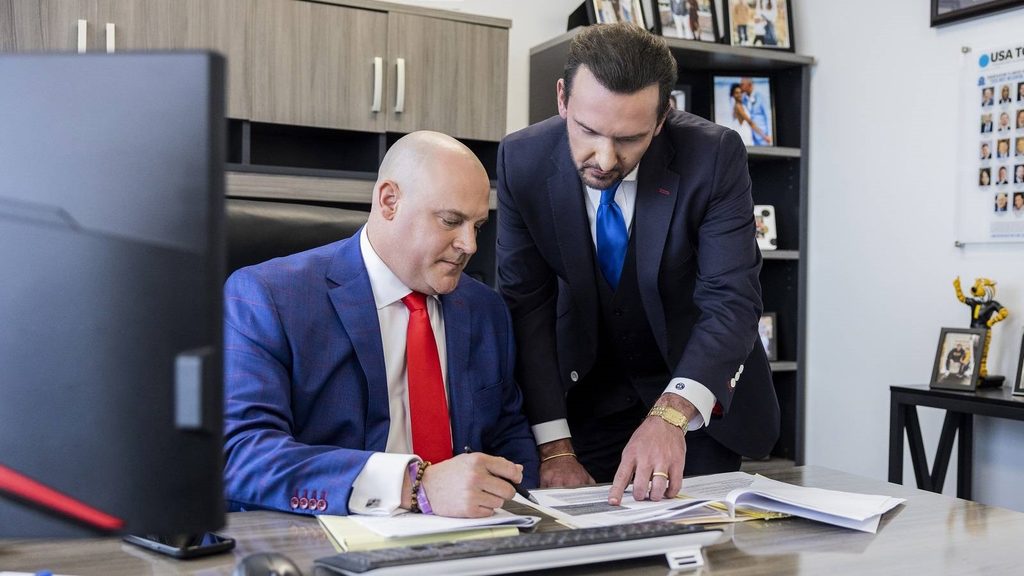
When you are facing a DWI charge that has the potential to turn your life upside down, the DWI defense firm that you hire matters.
At Combs Waterkotte, we have more than 100 years of combined legal experience and we know how to:
- Challenge the State’s Evidence
- Protect Your Driving Privileges
- Handle Complex DWI Charges
- Prepare Cases for Trials
- Navigate St. Charles County Courts
- Keep You Informed Throughout Your Case
- Remain Accessible to You
Having handled more than 10,000 cases, we bring a wealth of experience, knowledge and resources to every DWI case. When your license, reputation and future are on the line, you can count on our St. Charles County DWI defense lawyers to fight for you.
For a free case evaluation, don’t hesitate to call our St. Charles County DWI defense lawyers today at (314) 900-HELP.
Resources
For more information about DWI defense in St. Charles County, Missouri, call our criminal defense lawyers at (314) 900-HELP or contact us online for a confidential consultation.
First-Time DWI Jail Time in Missouri
What Happens if You Get Your Third DWI?
Can a DWI/DUI Be Reduced in Missouri?
What Defense Strategies are Effective in DWI/DUI Cases?
Should I Blow if I Get Pulled Over for a DWI/DUI in Missouri?
How Long Does a DWI/DUI Stay on My Driving Record in Missouri?

Free book
Don’t “Blow” Your DWI/DUI Case: Key Mistakes to Avoid
Combs Waterkotte, Missouri and Illinois’s leading DWI/DUI law firm, has handled over 10,000 cases successfully. This ebook guides you through the DWI/DUI defense process and helps you avoid key mistakes.

Get In Touch:
Featured Results:
Client Review, DUI Case