second-degree sexual abuse Lawyer in kansas city, MO
Hire the leading sexual abuse law firm in Kansas City, MO to protect your freedom, rights, and future. Whether you have been charged with a crime or arrested, we can help.
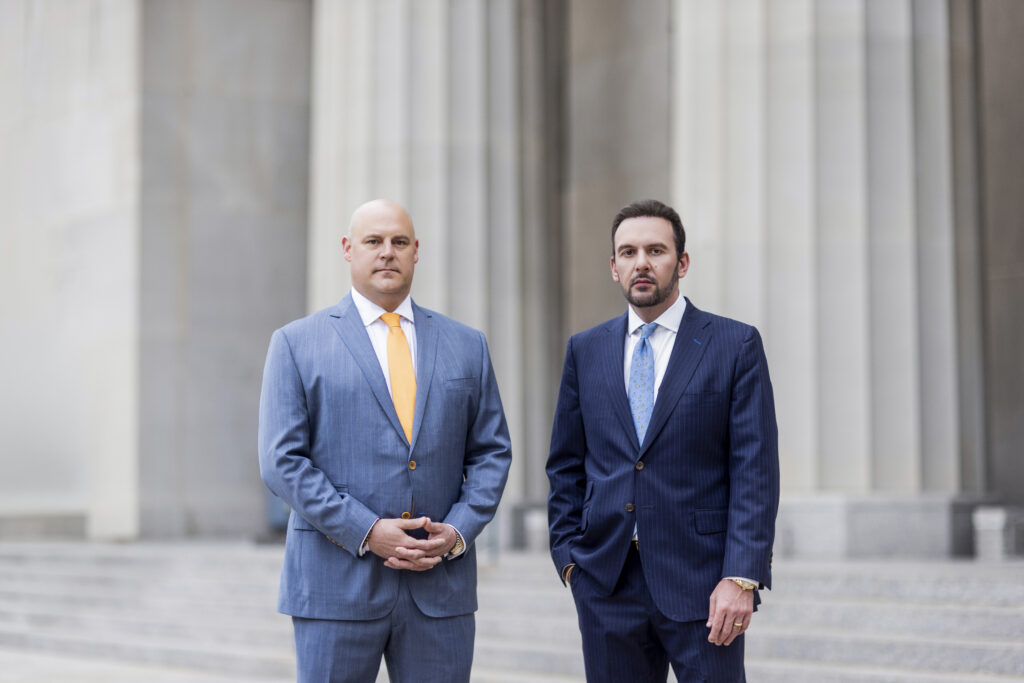
TO COMBS WATERKOTTE,YOU ARE WHY WE EXIST.


second-degree sexual abuse lawyer in kansas city, mO
If you have been accused of second-degree sexual abuse in Kansas City, there is no time to waste. Allegations of purposeful sexual contact, without another person’s consent, can have long-lasting ramifications for your life, affecting your reputation, career, freedom and future. For the legal defense you can count on, don’t hesitate to call our Kansas City second-degree sexual abuse lawyers at (314) 900-HELP today.

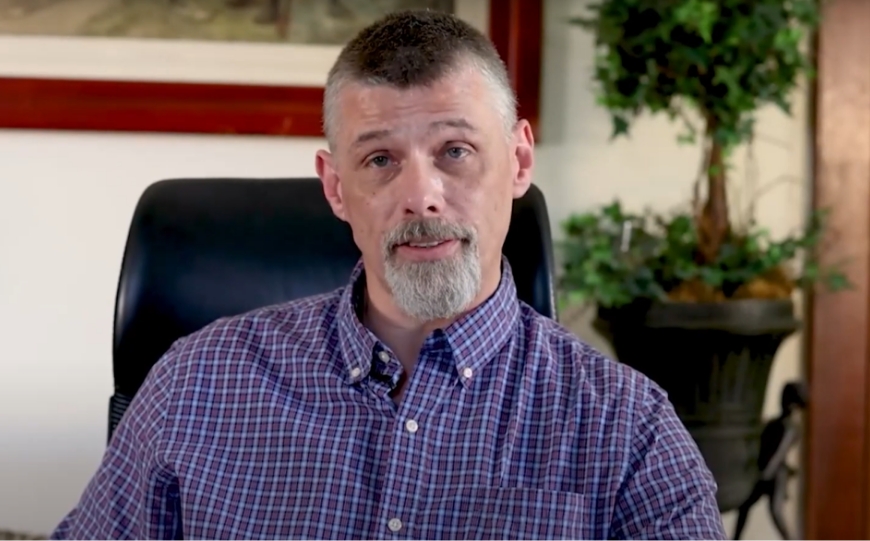
I owe my life to Combs Waterkotte. If not for them, I would be spending the rest of my life behind bars. There is no amount of words that can explain what they did for me and my family. Its the highest recommendation that I can give.
Alexander B.
Felonies
Verify on

If I could give Steve and his team 10 stars I would in a heartbeat. Was facing more then one felony charge and after these guys found the arresting officer violated my 4th Amendment Rights and those charges were dismissed. My family and I can't thank you enough.
Dean J
Felonies
Verify on
I was hands down guilty. ON VIDEO !!! In a smaller town, and a job dealing with the public, this was devastating. I made one phone call and spoke for maybe 15 minutes. I DIDN'T appear in court. I am extremely impressed. QUIETLY relieved of the matter!
Y.I.V.
Theft
Verify on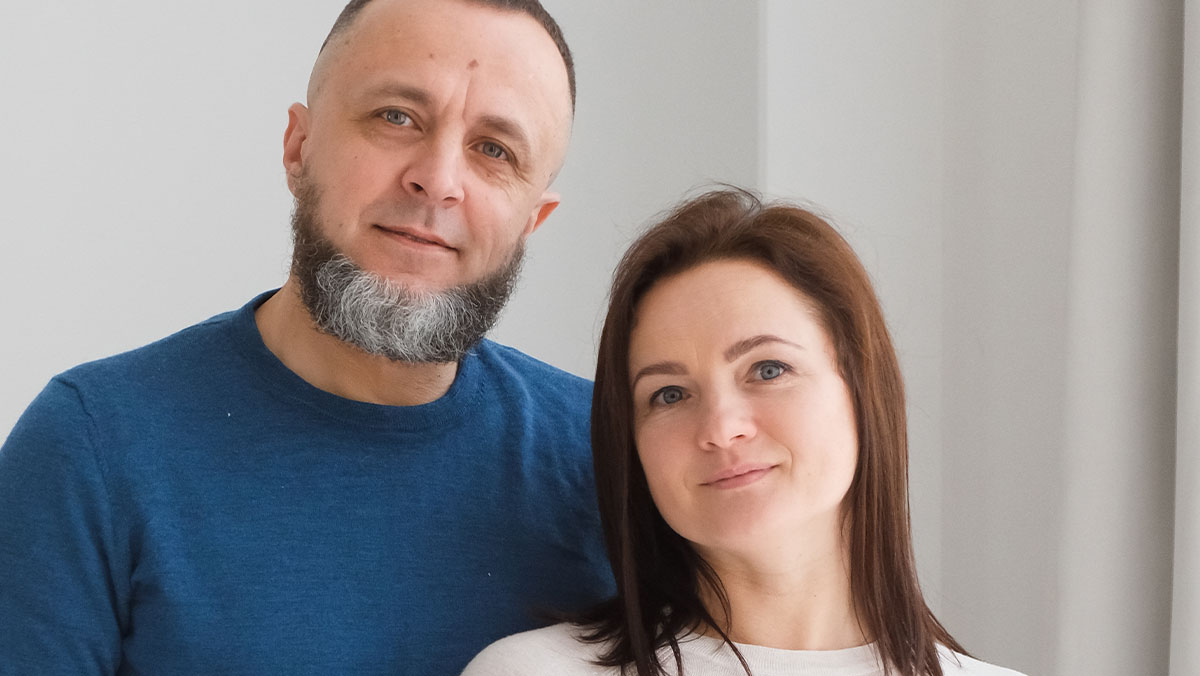
My fiance had a felony drug charge and Combs Waterkotte got it dismissed! There were no fines, court cost, nothing. Chris is loyal, professional, knowledgeable, and a man of his word. We are forever grateful for you.
Kimberly T.
Drug Crimes
Verify on
If I was found guilty, it would have been over 100 years in prison. They promised me that they would fight like hell and get me out of it. After everything was done, I just felt free. Like this wasn’t gonna end with me rotting away in a prison cell. I felt like I could start my life and have a fresh start.
Caleb
Assault 1st, Armed Criminal Action
Verify on
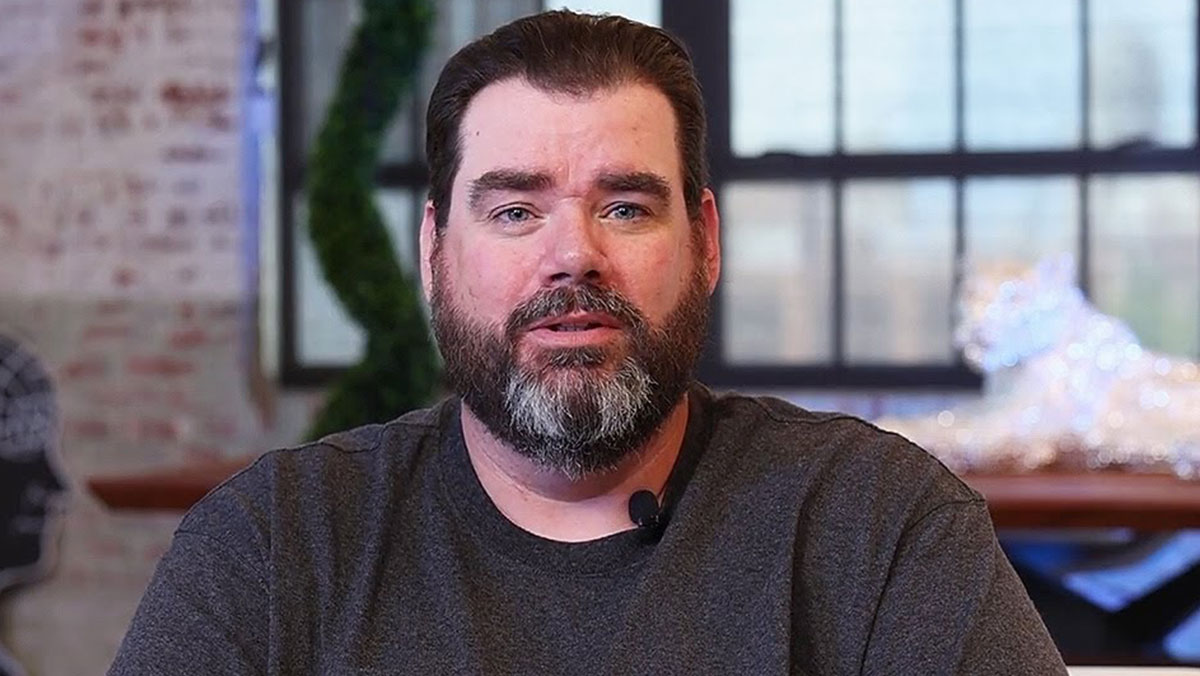
I was facing, probably 18 years… I actually got 5 years probation and 40 hours of community service. Without Combs Waterkotte’s help, I don’t think my family could have made it without me. It was just a written book to where it's a perfect ending.
Chris
Unlawful Use of a Weapon, Armed Criminal Action
Verify on
I went through what was supposed to be one of the top law firms in St. Louis. They said I wouldn't have no chance. I end up firing the other lawyer and everything and going with Chris. I felt like Combs Waterkotte actually did something for me and wasn't I wasn't just another number on somebody's desk.
Willy
DWI/DUI
Verify onI owe my life to Combs Waterkotte. If not for them, I would be spending the rest of my life behind bars. There is no amount of words that can explain what they did for me and my family. Its the highest recommendation that I can give.
Alexander B.
Felonies
If I could give Steve and his team 10 stars I would in a heartbeat. Was facing more then one felony charge and after these guys found the arresting officer violated my 4th Amendment Rights and those charges were dismissed. My family and I can't thank you enough.
Dean J
Felonies
I was hands down guilty. ON VIDEO !!! In a smaller town, and a job dealing with the public, this was devastating. I made one phone call and spoke for maybe 15 minutes. I DIDN'T appear in court. I am extremely impressed. QUIETLY relieved of the matter!
Y.I.V.
Theft
My fiance had a felony drug charge and Combs Waterkotte got it dismissed! There were no fines, court cost, nothing. Chris is loyal, professional, knowledgeable, and a man of his word. We are forever grateful for you.
Kimberly T.
Drug Crimes
If I was found guilty, it would have been over 100 years in prison. They promised me that they would fight like hell and get me out of it. After everything was done, I just felt free. Like this wasn’t gonna end with me rotting away in a prison cell. I felt like I could start my life and have a fresh start.
Caleb
Assault 1st, Armed Criminal Action
I was facing, probably 18 years… I actually got 5 years probation and 40 hours of community service. Without Combs Waterkotte’s help, I don’t think my family could have made it without me. It was just a written book to where it's a perfect ending.
Chris
Unlawful Use of a Weapon, Armed Criminal Action
I went through what was supposed to be one of the top law firms in St. Louis. They said I wouldn't have no chance. I end up firing the other lawyer and everything and going with Chris. I felt like Combs Waterkotte actually did something for me and wasn't I wasn't just another number on somebody's desk.
Willy
DWI/DUI
What is Second-Degree Sexual Abuse in Missouri?
§ 566.101 RSMo defines second-degree sexual abuse as unwanted sexual contact, such as the touching of private parts, directly or through clothing. This charge frequently involves a victim that is not of legal age to properly consent to sexual contact.
Other factors that can prevent consent from being lawfully given include:
- Incapacitation due to alcohol or substances
- Mental or physical incapacity
- Coercion or abuse of authority
- Inability to understand the nature of the conduct

Charged with second-degree sexual abuse in Kansas City, Missouri? Contact Combs Waterkotte online or call us right away at (314) 900-HELP.
Why Combs Waterkotte is the best Law firm for your case.
Real results for people just like you.

What Does the Prosecution Have to Prove in Kansas City?
- The defendant acted purposefully: The prosecution must prove that the alleged conduct was intentional, rather than accidental or inadvertent.
- Sexual conduct occurred: Missouri defines sexual conduct as “the touching of the genitals, anus or breast, including touching through clothing, when done for sexual gratification or to terrorize the alleged victim.”
- The contact involved another person: The state has to connect the specific person to the conduct that occurred.
- The contact occurred without the other person’s consent: Lack of consent is a key element for establishing second-degree sexual abuse.
How Does Consent Affect a Second-Degree Sexual Abuse Case in KC?
In Missouri, the general age of consent for sexual activity is 17 years old. There are some important distinctions, however:
- Under 14: Individuals 13 and younger cannot legally consent to sexual activity with anyone.
- Ages 14, 15 and 16: Minors in this age group cannot consent to sex with someone who is 21 or older or someone who is more than 4 years older.
- Age 17 and older: Individuals who are 17 or older can legally consent to sexual activity with anyone who is at least 14 years old.
Prosecutors must prove the absence of consent beyond a reasonable doubt. If the defense creates reasonable doubt about whether consent was given, the state’s case fails.
Consent can become one of the most heavily disputed issues in these cases. Attorneys may examine communications between the parties, witness statements, the circumstances surrounding the alleged encounter, and other available evidence when determining whether the prosecution can establish lack of consent.
Does a Second-Degree Sexual Abuse Conviction Require Sex Offender Registration in KC?
Under § 589.400 RSMo., sex offender registration applies to individuals convicted of specific offenses, including felony sexual abuse or second-degree sexual abuse involving a term of imprisonment of more than one year.
Under Missouri’s current sex offender registration laws, second-degree sexual abuse is classified as a Tier I offense when the punishment is less than one year in prison and as a Tier III offense when the penalty is a term of imprisonment of one year or more.
The tier classification can significantly affect how long a person must remain registered and how frequently they must report. Because registration requirements depend on the specific conviction, sentence, and circumstances of your case, we recommend that you speak with our Kansas City second-degree sexual abuse lawyer immediately for personalized legal advice.
Evidence Used in Second-Degree Sexual Abuse Investigations in Kansas City
Evidence that may be used in your second-degree sexual abuse investigation include:
- Witness statements: Accounts from people who witnessed the alleged incident or events before or after it.
- Police interviews: Statements made by the accused, alleged victim, witnesses, or other involved individuals during the investigation.
- Text messages: Messages that may provide context about the relationship, communications, consent, or events surrounding the allegation.
- Social media communications: Posts, direct messages, comments, or other online activity that may relate to the allegations.
- Surveillance footage: Video from homes, businesses, parking lots, or other locations that may help establish what occurred or who was present.
- Medical records: Documentation of examinations, reported injuries, treatment, or statements made to medical providers.
- DNA: Biological evidence that may be collected and analyzed to determine whether an individual can be linked to certain physical evidence.
- Other forensic evidence: Laboratory or technical evidence that may help confirm, challenge, or provide context for the allegations.
- Phone and location data: Cellphone records, GPS information, or other location data that may help establish where individuals were at relevant times.
- Photographs: Images of alleged injuries, locations, clothing, property, or other evidence related to the investigation.
- Statements to third parties: Information the alleged victim, accused, or witnesses may have shared with friends, family members, coworkers, or others.
- Toxicology evidence: Testing that may indicate the presence of alcohol, drugs, or other substances relevant to the circumstances of the alleged incident.
- Physical evidence from the scene: Clothing, personal belongings, bedding, or other items collected from a location connected to the allegations.
- Timelines constructed from digital records: Phone records, messages, surveillance footage, transactions, and other electronic data may be combined to reconstruct the sequence of events.


How a Kansas City Second-Degree Sexual Abuse Lawyer Can Help
At Combs Waterkotte, we are prepared to help you with the complexities of your second-degree sexual abuse case. We can examine the allegations, circumstances and evidence surrounding the investigation to identify potential weaknesses and determine a proper defense strategy.
Our legal team is ready to fight for you by:
| Investigating the Allegations | Building Your Defense |
| • Reviewing police reports and witness statements • Analyzing texts, phone records, video, and other digital evidence • Identifying inconsistencies or weaknesses in the prosecution’s account • Examining how law enforcement conducted the investigation | • Challenging whether the state can prove every element of the charge • Filing motions to suppress or exclude improperly obtained evidence • Negotiating with prosecutors when appropriate • Preparing the case for trial when a favorable resolution cannot be reached |

Read More:
What to Do After Being Accused of Second-Degree Sexual Abuse in Kansas City
After you have been accused of second-degree sexual abuse in Kansas City, it is important to follow these legal steps:
Don’ts:
- Don’t talk to police without a lawyer
- Don’t contact the accuser at all
- Do not discuss the situation with friends, family or coworkers
Do’s:
- Hire a criminal defense lawyer
- Save all digital communications
- Help gather evidence (photos, videos, letters, etc.) and witnesses
- Follow all legal procedures
- Follow your lawyer’s guidance as the legal process unfolds
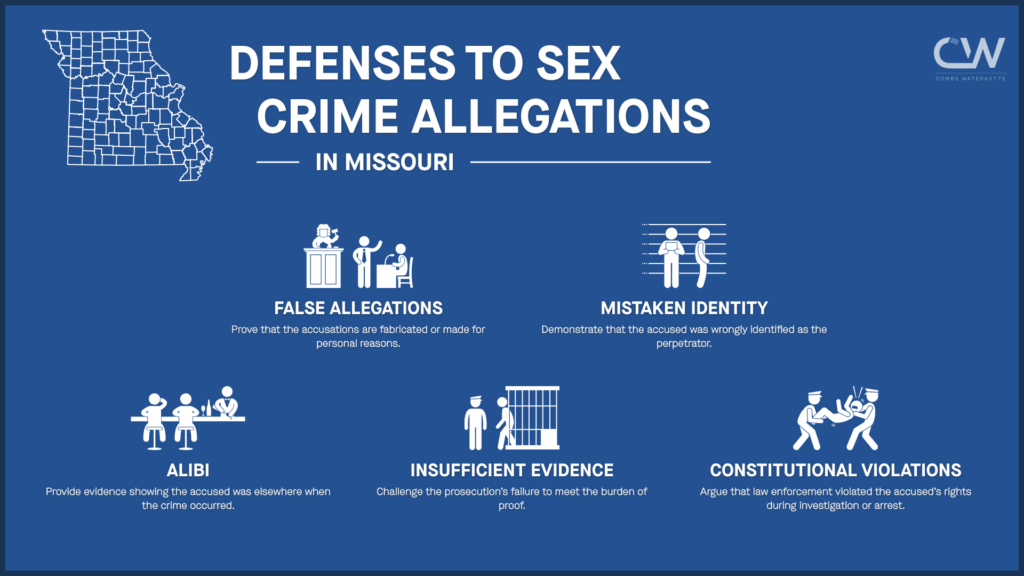
Defenses to Second-Degree Sexual Abuse Charges in Missouri
Our legal team will thoroughly examine your case and identify which defenses may be available to you, such as:
- Lack of evidence: If there is no physical proof or reliable witness testimony, we can argue that the state’s case is insufficient.
- Consent: If the alleged victim meets the age of consent requirement, we can show that the other person agreed to the contact.
- False allegations: There may be ulterior motives such as a custody battle or jealousy that we can highlight to challenge the credibility of the accusation.
- Mistaken identity: We can help establish that you were not the person involved or that the accuser misidentified you.
- Alibi: If you were in a different location when the alleged incident occurred, we can help you prove this.
Why Early Legal Representation Matters in a KC Second-Degree Sexual Abuse Case
When you retain our Kansas City second-degree sexual abuse lawyers, you will benefit from our early legal representation that includes:
- Pre-charge intervention: We can help you communicate with law enforcement and prosecutors.
- Controlling the narrative: We can make sure any misunderstandings are cleared up before the case is set.
- Reducing severity: We will seek to prevent formal felony prosecution and pursue a reduction of charges, whenever possible.
- Avoiding self-incrimination: We will prevent you from making damaging statements.
- Securing time-sensitive data: We will work towards preserving evidence, such as digital communications and witness memories, before they are lost or forgotten.
- Identifying procedural errors: We are experts at spotting mishandled evidence, procedural mistakes and unlawful searches early on.
Don’t Face Sexual Abuse Charges Alone–Call our Kansas City Second-Degree Sexual Abuse Lawyers Today
Missouri prosecutes sex abuse cases aggressively and you need proven legal advocates in your corner.
Early intervention is essential for the successful outcome of your case. Our Kansas City second-degree sexual abuse lawyers are ready to protect your rights and help you navigate this high-pressure situation as effectively as possible.
To retain the experience of a criminal defense firm with 100+ years of combined legal experience, contact Combs Waterkotte today at (314) 900-HELP for a free case evaluation.
How is Consent Defined in Missouri?
What Happens When You Are Wrongfully Accused of a Sex Crime?
Too Intoxicated to Give Consent?
What Happens If You’re Accused of a Sex Crime in Kansas City?
Defending Against False Sexual Misconduct Allegations
Why You Need a Sex Crimes Lawyer Immediately
Free book
Charged With a Sex Crime? Common Defense Strategies in Sex Crime Cases
Combs Waterkotte is Missouri and Illinois’s leading sex crime defense law firm. Our team of expert criminal defense attorneys have handled over 10,000 cases – many just like yours – and have saved out clients from over 1 million days from jail or prison.