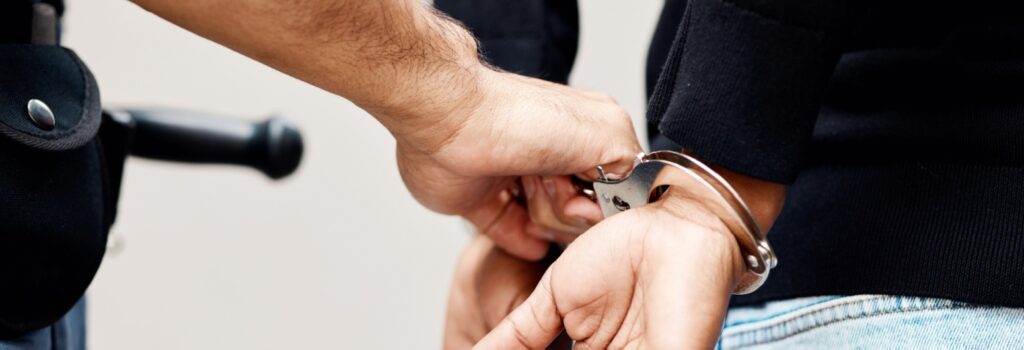
If you’ve been arrested for a DWI in St. Louis or Kansas City, Missouri, SATOP may quickly become part of your case and your path back to legal driving. SATOP isn’t just a class you sign up for, and completing it does not make your underlying DWI disappear. It’s a state-certified assessment, education, and treatment process tied to important court and license obligations.
Your smartest move is to treat SATOP as one part of a much larger DWI problem. With locations in St. Louis and Kansas City, Combs Waterkote’s DWI attorneys defend drivers throughout Missour against both the criminal and driver’s license consequences of a DWI case. Call (314) 900-HELP now or contact us online for a free, confidential case review before you make any decisions that could affect the rest of your case.
In this guide, we’ll cover:
- What SATOP is in Missouri
- Who has to complete a Missouri SATOP program after a DWI
- How the SATOP program works in Missouri
- What the SATOP levels are in Missouri
- Whether you can take SATOP classes online in Missouri
- How much SATOP classes cost in Missouri
- If you can challenge your assigned SATOP level?
- Whether completing SATOP makes your Missouri DWI go away
- Why you still need a Missouri DWI lawyer even if you complete SATOP
What Is SATOP in Missouri?
SATOP stands for the Substance Awareness Traffic Offender Program. Missouri uses the SATOP program to assess individuals involved in alcohol and drug-related traffic offenses and place them in an appropriate level of education or treatment. The Missouri Department of Mental Health certifies SATOP providers, while the Department of Revenue relies on SATOP completion information to determine driver’s license consequences for drivers.
SATOP is individualized. That means you don’t automatically take the same class as every other person arrested for a DWI. Rather, a screening determines which of the four SATOP levels you are assigned.
Who Has to Complete a Missouri SATOP Program After a DWI?
Missouri law can make SATOP relevant both in a criminal DWI case and the associated administrative license case. Under RSMo §302.580, a court must order SATOP completion after finding someone guilty of DWI, driving with excessive blood alcohol content, or comparable local alcohol or drug-related traffic offenses.
Separately, the Missouri Department of Revenue may require proof of SATOP completion before reinstating driving privileges after a license suspension or revocation (including chemical test refusal cases). Because the criminal and license portions of a DWI are separate, a dismissal or not-guilty verdict in your criminal case does not necessarily eliminate SATOP requirements in your license case.
How Does the SATOP Program Work in Missouri?
While each individual’s experience with the SATOP program will differ a bit based on their alleged history and driving record, for the vast majority of Missouri residents, the program essentially comes down to three steps.
1. Schedule a SATOP Screening
You start with an assessment screening through a state-certified Offender Management Unit. The screening is not the class itself; it’s an evaluation used to determine your placement. The screening fee is $126, plus a $249 supplemental fee paid at the time of the screening.After your screening, you receive a SATOP Program Assignment Form.
2. Receive Your SATOP Level Assignment
The assignment you receive is based on your screening and your individual circumstances, not necessarily which program is cheapest or most convenient. Missouri gives participants six months after their assignment to begin their program. Missing any deadlines can delay completion of your program, driver’s license reinstatement, or court compliance.
3. Complete the Assigned SATOP Classes or Treatment
Once you successfully finish the assigned level, the SATOP agency sends your completion information to the Department of Revenue electronically. SATOP completion may be required before your full driving privileges can be restored, but it’s not always the only reinstatement requirement. Depending on your record and the reason for your suspension or revocation, you may also need SR-22 insurance, reinstatement fees, or an ignition interlock device.
What Are the SATOP Levels in Missouri?
There are four main SATOP levels in Missouri. Higher levels involve more intensive counseling or treatment. They are generally for people assessed as high risk or those with repeat DWIs. The table below outlines the four SATOP levels:
| Level | Program | What It Includes | Fee |
|---|---|---|---|
| Level I | Offender Education Program (OEP) | 10-hour program for lower-risk individuals | $200 |
| Level II | Weekend Intervention Program (WIP) | 20-hour program with intensive education and counseling | $474.46 (plus $6.70 for materials) |
| Level III | Clinical Intervention Program (CIP) | 50 hours of counseling and education over about five weeks | $1,083.43 |
| Level IV | Serious and Repeat Offender Program (SROP) | At least 75 hours over no fewer than 90 days | $1,522.50 |
Missouri also has a Level I Adolescent Diversion Education Program for minors who have committed DWI-related offenses. All SATOP fees are subject to change. Missouri may also offer financial assistance for higher-level programs or state-mandated treatment.
Can You Take SATOP Classes Online in Missouri?
No, you can’t. Internet-only DWI classes do not meet Missouri’s SATOP requirements. While searching “SATOP classes online” will bring up plenty of companies trying to sell alcohol education courses, they are not legitimate. Paying for an unapproved online course can leave you exactly where you started: without a valid SATOP completion and without satisfying the requirements for license reinstatement.
If you got a DWI in Missouri but live outside of Missouri, you typically don’t have to return to the state for every class. Missouri does allow you to complete a comparable program through a state-certified or nationally accredited provider, but you must follow the state’s comparable program process and submit the required documentation (and fees).
How Much Do SATOP Classes Cost in Missouri?
Your total SATOP cost depends on the level you’re assigned. At current state-listed rates, the screening and supplemental fee are $375 before the actual program fee itself is added. Higher SATOP levels can push your total well above $1,000, and treatment costs may vary, too.
Don’t choose a provider or class based solely on price. The most important question is whether the program is state-certified and whether it satisfies your specific Missouri SATOP assignment. A cheap class that does not count is not a bargain; it’s a waste of money.
Can You Challenge Your Assigned SATOP Level?
Yes, you can. If you believe your assignment is too intensive, Missouri gives you options before you begin your program. You can seek a second opinion from another contracted SATOP agency (which requires another screening fee). Understand, though, that a second recommendation is final. You may also seek a judicial review in the associate circuit court in the county where your screening was completed.
If your SATOP assignment is part of your active DWI case, speak with your defense lawyer before deciding how to proceed. The goal is to make sure your treatment requirements, license strategy, and criminal defense are all working in tandem.
Does Completing SATOP Make Your Missouri DWI Go Away?
No. This is a major misunderstanding Missouri drivers need to grasp. Completing SATOP does not automatically dismiss a DWI charge, erase a conviction, undo a license suspension, or guarantee that you avoid probation, fines, jail time, or ignition interlock requirements. It counts as an education or treatment requirement, but it does not replace a legal defense.
SATOP participation can sometimes become part of a broader mitigation or plea strategy, but the result depends on the evidence, your history, the prosecutor, the court, and the facts of the case. You still need someone examining whether the traffic stop was lawful, whether chemical testing was reliable, whether the officer followed required procedures, and whether the state can actually prove DWI beyond a reasonable doubt.
Why You Still Need a Missouri DWI Lawyer Even If You Complete SATOP
SATOP is just one part of a DWI case. You still need a team working on your criminal defense. A Combs Waterkotte DWI lawyer can address the parts of your case that SATOP does not, like:
- Challenging the stop and arrest: We’ll review whether police had lawful grounds to stop, detain, and arrest you
- Attacking breath, blood, or test refusal evidence: We can identify testing problems, procedural failures, or weaknesses in the state’s proof
- Protecting your driving privileges: We address your administrative case and important driver’s license-related deadlines
- Negotiating from a position of strength: We’ll use weaknesses and mitigating facts to pursue reduced charges, better sentencing terms, or dismissal where we can
- Coordinating every moving part: We can make sure SATOP, probation, ignition interlock, insurance, and reinstatement issues don’t undermine your larger defense strategy
Call Combs Waterkotte After a Missouri DWI
SATOP classes may be mandatory, but a DWI conviction is not something you should accept without a fight. The earlier Combs Waterkotte gest involved in your case, the sooner our team can evaluate the evidence, protect important deadlines, and explain how SATOP fits into your case.
If you were arrested for a DWI in St. Louis, Kansas City, or anywhere in Missouri, call Combs Waterkotte now at (314) 900-HELP or contact us online for a free, confidential, no-obligation case review. Make sure you complete what the state requires, but don’t confuse compliance with a criminal defense. Let an expereicned Missouri DWI lawyer fight the charge itself.