






Additional Links
- Top 10 DWI/DUI Questions
- Don’t “Blow” Your DWI/DUI Case: Key Mistakes to Avoid
- What Happens If You Get Your Third DWI?
- Got Your 2nd, 3rd, or 4th DWI in Missouri? Here’s Why You Have a Big Problem
- DWI Defense Strategies for Winning Your Case
- DWI Attorney: Top Mistakes DWI Defendants Make
- How to Prepare for a DWI Administrative Hearing
- Keys to Hiring the Best DWI Manslaughter Defense Lawyer
- How Do You Beat a DWI/DUI Charge in Missouri?

Multiple DWI Offenses Lawyer Missouri
At Combs Waterkotte, we understand the intense pressure that comes with multiple DWI offenses. The stakes are high, and your rights, freedom, and future are on the line. That’s why we approach every DWI case the same way: with sharp focus, client-centered attention, and an uncompromising determination to get you the best outcome possible.
The circumstances of each DWI charge are different. That’s why we start each case with a personal consultation to hear your side of the story. With you, we’ll outline the facts of the case, formulate a defense strategy tailored to your situation, and address any questions that may be causing you concern.
Facing your third, fourth, fifth, or sixth DWI in Missouri? For multiple DWI charges, call Combs Waterkotte at (314) 900-HELP orfill out our online form to get started on your defense today.
We employ a team of top-level attorneys, legal assistants, paralegals, and law clerks who are all committed to taking on your case. Our resources span the entirety of Missouri, so no matter which municipality, city, township, or county is levying your DWI charge, we’re ready to fight back.

Multiple DWI Offenses Categories in Missouri
What does “multiple DWI offenses” mean in Missouri, anyway? By “multiple,” we’re essentially referring to three, four, five, six, or more DWI offenses. Under RSMo §577.001, Missouri criminal law actually categorizes these numbers of offenses into defined groups:
- A persistent offender is someone found guilty of two or more DWI offenses (and is being charged with their third)
- Or two or more DWI-type offenses that led to injury or death
- An aggravated offender is someone found guilty of three or more DWI offenses (and is being charged with their fourth)
- Or two or more DWI-type offenses that led to injury or death
- A chronic offender is someone found guilty of four or more DWI offenses (and is being charged with their fifth)
- Or three or more DWI-type offenses where one involved injury or death
- Or Two where both involved injury or death
- A habitual offender is someone found guilty of five or more DWI offenses (and is being charged with their sixth)
- Or four or more DWI-type offenses where at least one involved injury or death
- Or three or more where at least two caused injury or death
As you can imagine, under Missouri law, the criminal and license-related penalties for DWIs increase with the number of offenses committed.
What Are the Penalties for Multiple DWI Offenses in Missouri?
As DWI penalties begin to stack up on your criminal record, you face more and more severe felony charges. These increasing charges bring longer possible prison sentences and longer mandatory minimum sentences.
Persistent Offender Penalties (Third DWI Offense)
Persistent DWI offenders are charged with a Class E felony for their third DWI offense in Missouri. This charge carries a mandatory minimum of 10 days in jail before probation eligibility (though courts may still allow for diversion programs under some circumstances).
A Class E felony carries a possible prison sentence up to 4 years and a fine up to $10,000.
Aggravated Offender Penalties (Fourth DWI Offense)
Aggravated DWI offenders are charged with a Class D felony for their fourth DWI offense in Missouri. This charge carries a mandatory minimum of 60 days in jail before probation eligibility. A Class D felony carries a possible prison sentence up to 7 years and a fine up to $10,000.
Chronic Offender Penalties (Fifth DWI Offense)
Chronic DWI offenders are charged with a Class C felony for their fifth DWI offense in Missouri. This charge typically carries a mandatory minimum of 2 years in prison before probation eligibility. A Class C felony carries a possible prison sentence of 3 to 10 years and a fine up to $10,000.
Habitual Offender Penalties (Sixth DWI Offense)
Habitual DWI offenders are charged with a Class B felony for their sixth DWI offense in Missouri. This charge usually carries a mandatory minimum of 5 years in prison before probation eligibility. A Class B felony carries a possible prison sentence of 5 to 15 years in prison and a fine up to $10,000.
Beyond that, if you’re charged with an additional Class B felony DWI, the charge escalates to a Class A felony, with a prison term of 10 to 30 years or life in prison.

How Do Multiple DWIs Affect My Driver’s License in Missouri?
Multiple DWIs have a substantial impact on your driver’s license in the state of Missouri. While the courts handle the criminal proceedings, the Missouri Department of Revenue handles the administrative (i.e., license) side of your case. And whether you’re on your third, fourth, fifth, or sixth DWI, the Department of Revenue outlines the following license penalties:
- A 10-year license denial
- A required Substance Awareness Traffic Offender Program (SATOP)
- A court-ordered requirement to reinstate your license (after the 10-year denial period is up)
- The installation of an ignition interlock device (IID) on your vehicle for at least 6 months
- Proof of SR-22 high-risk insurance
While the Missouri Department of Revenue requires all of these steps for a third DWI and all subsequent DWIs, they do tend to make license reinstatement more difficult with each offense. Habitual offenders have a much tougher time getting their license back than persistent offenders.

Multiple DWI Offenses Defense Strategies in Missouri
While it’s much more difficult to defend against a fifth DWI as opposed to a first-time offense, there are still great legal defense strategies a good criminal defense lawyer can employ for a client with multiple DWIs. Here are some of the most common we use in Missouri.
Challenging Field Sobriety Tests
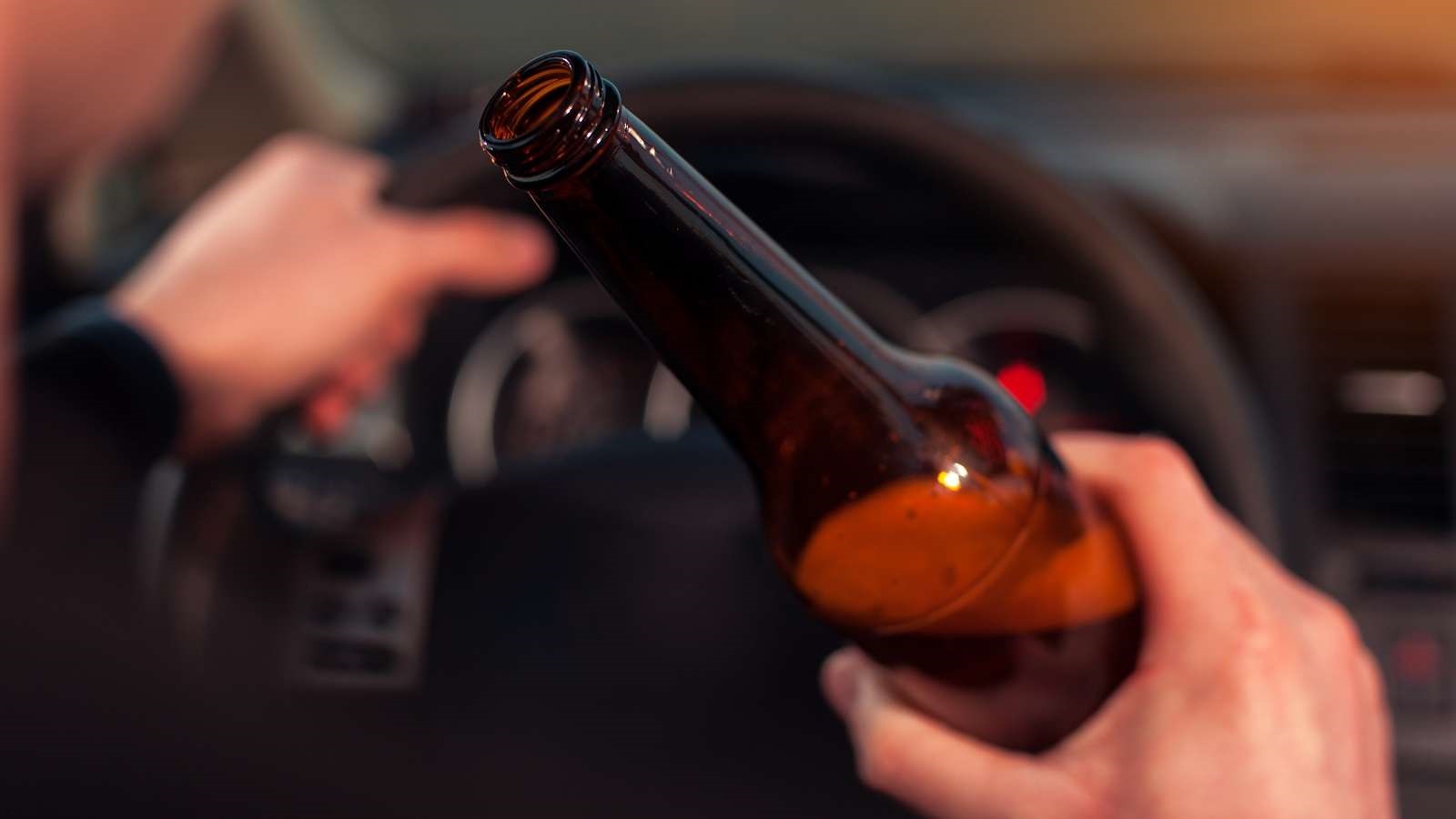
Field sobriety tests are highly subjective. They’re often influenced by external factors, like uneven road surfaces, poor lighting, weather conditions, physical injuries, or medical issues. Drivers with prior DWI convictions are typically subjected to greater scrutiny during traffic stops, too, which can lead to tests being administered improperly (which a good defense attorney can challenge).
Also, remember that field sobriety tests are completely voluntary in the state of Missouri. You do not face any immediate legal consequences for refusing them. As such, Combs Waterkotte recommends politely refusing these tests when law enforcement requests them.
Challengine Breathalyzer or Blood Tests

A good criminal defense lawyer will scrutinize every aspect of a blood or breathalyzer test. We check for improper calibration of the breathalyzer equipment, faults in the equipment itself, improper administration procedures, and breaks in the chain of custody for blood samples.
Remember too that while Missouri operates under implied consent, you are allowed to refuse implied consent. Combs Waterkotte recommends that you do so, refusing blood and breath tests until you are arrested and presented with a warrant for the tests (at which point we do recommend taking them).
Refusal means less evidence available to be used against you in your criminal case. While a refusal may result in an automatic one-year driver’s license revocation, there’s a strong chance that a good attorney can get that revocation overturned at an administrative hearing.
Challenging the Documentation of Prior Convictions
In order to charge someone as a persistent, aggravated, chronic, or habitual DWI offender, prosecutors must provide proper documentation of that individual’s prior DWI convictions. A defense attorney may be able to scrutinize that documentation.
For example, past records may not have been properly certified, abbreviated or unclear, or incomplete. If this is the case, the lawyer may be able to bump what would have been an aggravated offense down to a persistent offense.
Challenging Identity in Prior Convictions
In repeat DWI cases, prosecutors must prove that the defendant is the same person who was convicted in prior intoxication-related traffic offenses. This may sound obvious, but again, a good lawyer may be able to take advantage of court or clerical errors to the defendant’s advantage.
If court records contain incomplete identifying information, name discrepancies, omitted middle names, spelling variations, or any other errors, this can prove critical in a defense.
Challenging Whether Prior Offenses Qualify Under Missouri Law
In order for someone to be charged with a DWI in Missouri, they have to meet the definition of “driving while intoxicated” defined in RSMo §577.001. This may sound straightforward, but it may not be as simple as it sounds.
If a defendant’s prior DWI convictions were charged under municipal ordinances or in another state, a defense attorney may be able to argue that the other state or municipality's DWI statutes don’t match Missouri’s statutes closely enough and therefore can’t be used to enhance the current charge.
Challenging the Timing of Prior Offenses
In repeat DWI cases, prosecutors must prove that the defendant has the required number or prior intoxication-related traffic offense convictions in order to enhance their current charge. If earlier cases have not yet resulted in convictions at the time of the new offense, a defense attorney may challenge whether those prior offenses can legally be used to enhance the current one.
Negotiating the Reduction of the Charge
Even when the evidence is strong, a defense attorney may negotiate with prosecutors to reduce a felony DWI to a lesser offense. This could mean reducing the charge to a misdemeanor DWI, careless imprudent driving, or another lesser traffic offense.
What to Do During a DWI Traffic Stop if You Have Prior DWI Offenses
Even if you’re pulled over for a DWI and you have three, four, five, or more prior offenses, there are plenty of things you can do during your traffic stop to help your case. Combs Waterkotte recommends the following during a Missouri DWI stop:
- Remain calm and cooperative with the officer. Arguing, aggressive behavior, or refusing basic instructions can escalate the situation and may even lead to additional charges such as obstruction or resisting arrest.
- Provide required documents when asked. You must show your driver’s license, registration, and proof of insurance during a traffic stop in Missouri. Failure to do so can lead to additional citations or complications in your case.
- Exercise your right to remain silent about drinking. Officers will often ask leading questions like, “Have you had anything to drink tonight?” or “Where are you coming from?” With prior DWI convictions on your record, answering questions like these can harm your defense. Politely decline to answer any questions beyond providing required documentation.
- Do not volunteer information about prior DWI offenses. Law enforcement already has access to your driving and criminal history. Volunteering information about prior convictions can create unnecessary admissions that may be used later in court.
- Remember that field sobriety tests are voluntary in Missouri. Tests like walking heel-to-toe or balancing on one leg are not legally required and are often subjective. Declining them may limit the evidence prosecutors can use against you.
- Refuse breath and blood tests. Combs Waterkotte recommends not performing these tests without being arrested and served with a warrant. Your license can be revoked for a year for refusing these tests, but you will have 15 days to challenge the revocation at an administrative hearing.
- Contact an experienced Missouri DWI defense attorney as soon as possible. If you have prior DWI convictions, the consequences of another arrest may include felony charges, longer license revocations, and even prison time. Early legal guidance can be critical to protecting your rights and building a good defense.