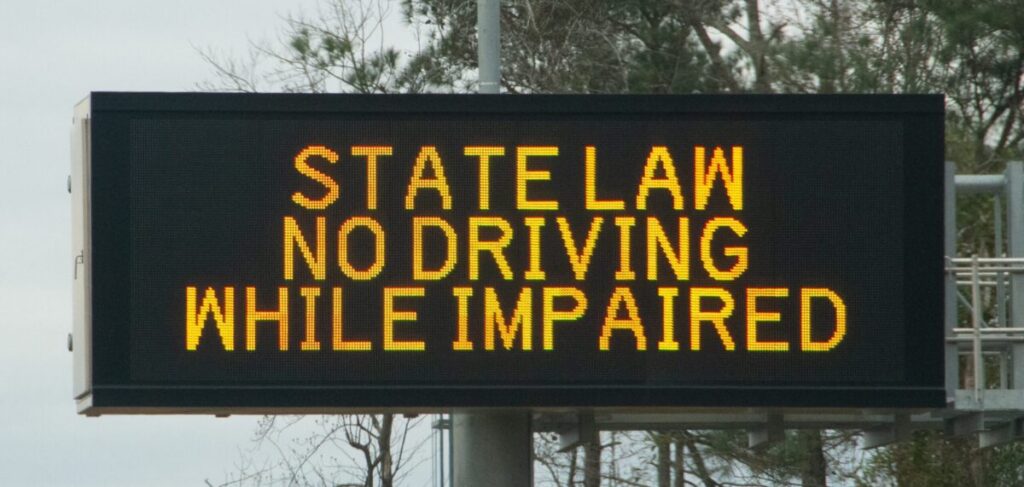

According to the Missouri State Highway Patrol, more than 15,000 DWI arrests occur annually in Missouri. Additionally, reports by Forbes Advisor and Zutobi reveal that Missouri ranks among the top 10 worst states for drunk driving.
In 2026, Missouri lawmakers enacted new legislation addressing DWI offenses and their consequences. On August 28, 2026 Missouri HB 1740 went into effect and changed ignition interlock requirements, felony penalties, and court-ordered financial support for children whose parent or guardian is killed in a DWI-related accident.
If you are facing DWI charges in St. Louis, our legal team can help you. At Combs Waterkotte, our St. Louis DWI defense lawyers have more than 100 years of combined legal experience and understand what is at stake and how to protect your driving privileges and future. Call us today at (314) 900-HELP to discuss your case.
Blog Summary
In this blog, we further explain Missouri HB 1740 by discussing:
- What Changed Under Missouri’s New DWI Law in 2026?
- New Ignition Interlock Requirements for Missouri Drivers
- How Have Missouri’s DWI Penalties Changed?
- What Is Bentley and Mason’s Law?
- What Do These Changes Mean for First-Time DWI Offenders in St. Louis?
- How Can a St. Louis DWI Defense Lawyer Help Under the New Laws?
What Changed Under Missouri’s New DWI Law in 2026?
The biggest changes that Missouri’s new DWI law enacted are:
- Ignition Interlock Requirements: First-time DWI offenders with a BAC level of 0.15% or higher, or whose offense involved property damage or personal injury, now face additional ignition interlock requirements.
- Felony DWI Penalties: Certain offenses involving physical injury, serious physical injury or death now carry more serious felony classifications under Missouri Revised Statutes 577.010.
- Prison and Parole Requirements: Certain Class B felony DWI convictions involving a death require at least five years of imprisonment before parole or probation eligibility. Class A felony DWI convictions carry a minimum of 10 years before eligibility.
- New Child Maintenance Obligations: Bentley and Mason’s Law requires a person whose DWI offense caused the death of the child’s parent or guardian to make court-ordered maintenance payments.
- Financial Assistance for Ignition Interlock Devices: Qualifying individuals whose income is at or below 150% of the federal poverty level, may qualify for a discounted ignition interlock device.
New Ignition Interlock Requirements for Missouri Drivers
An ignition interlock device is a handheld breath-testing device that is connected to the vehicle’s ignition, horn and headlights.
Under Missouri’s new DWI law, even first-time DWI offenders will have to have an ignition interlock device installed in their vehicle to maintain their driving privileges if the following conditions apply:
- You caused an intoxication-related traffic offense with a BAC of .15 or higher
- You caused an intoxication-related traffic offense which resulted in property damage
- You caused an intoxication-related traffic offense that caused an injury or serious injury
- You caused an intoxication-related traffic offense which caused death (note: in this instance you may face a permanent or extremely long loss of your driving privileges)
You will have to install a certified handheld breath-testing ignition interlock device from an approved state manufacturer to reinstate your driving privileges or to obtain a limited driving privilege after DWI.
Right now, the state-approved manufacturers of ignition interlock devices in Missouri include:
- LifeSafer: L250
- Smart Start: 20/20, 20/30, 20/35, 30/30
- Alcohol Detection Systems (ADS): Determinator 2
- Intoxalock: 1001A
- RoadGuard Interlock: Interlock XT, Interlock 7000
How Have Missouri’s DWI Penalties Changed?
HB 1740 amended Missouri Revised Statutes 577.010. A significant area that was changed was DWI penalties, which includes:
- Felony Classification: HB 1740 increased felony classifications for certain DWI offenses involving injuries or fatalities. A DWI causing physical injury is now a Class D felony (instead of previously a Class E felony) and a DWI causing serious physical injury is now a Class C felony (instead of previously a Class D felony). Additionally, a DWI causing death is now listed as a Class B or Class A felony (whereas before it was generally a Class C felony).
- Repeat Offenders: When someone has previously been found guilty of a Class B felony DWI, they can face Class A felony charges if they are found guilty of a subsequent DWI.
- Prison Sentences: A five-year imprisonment requirement was added before parole or probation eligibility for certain Class B felony DWI convictions involving death. A minimum 10-year imprisonment requirement was added before parole or probation eligibility for Class A felony DWI convictions.
What Is Bentley and Mason’s Law?
This law establishes that if a person is convicted of, pleads guilty to or enters a plea of nolo contendere to the offense of DWI, which caused the death of a parent or guardian, the surviving parent or guardian can file a petition to receive child maintenance from the defendant.
Some other important facets of this law include:
- Duration of Payments: Child maintenance generally continues until the child turns 18. However, payments may extend until age 21 if the child meets certain educational requirements, or potentially longer if the child has a qualifying physical or mental incapacity.
- Determining Payment Amounts: Courts consider factors such as the child’s financial needs, the surviving family’s financial resources, educational expenses, child care costs, and the standard of living the child would have enjoyed.
- Payments Following Incarceration: If a defendant is unable to make child maintenance payments because they are incarcerated, they have up to one year after release to begin payments, including any overdue amounts.
- Unpaid Maintenance: Any outstanding child maintenance obligations must still be paid, even if the child has reached the age when regular maintenance payments would otherwise end.
- Civil Lawsuits: If the surviving parent or guardian obtains a civil judgment on behalf of the child before a maintenance order is entered, the court will not order additional maintenance under this law. If a civil judgment is obtained after a maintenance order, the maintenance order offsets the judgment.
- Enforcement of Payments: Child maintenance obligations can be enforced through income withholding, subject to federal wage garnishment limits.
What Do These Changes Mean for First-Time DWI Offenders in St. Louis?
In light of these new legal enhancements, it is important for first-time DWI offenders to remember that:
- First-time DWI is still generally a misdemeanor.
- As a first-time DWI offender, however, you may be required to install and maintain an ignition interlock device.
- You could face felony charges if physical injury, serious physical injury or DWI causing death occurred. A previous DWI conviction is not required for these felony provisions to apply.
You should still contact an experienced St. Louis DWI lawyer, however, to obtain personalized legal advice and to ensure your rights and future remain protected.
How Can a St. Louis DWI Defense Lawyer Help Under the New Laws?
At Combs Waterkotte, we are prepared to help you fight your DWI charges. We come alongside you, during this time, by:
- Challenging BAC Test Results: Challenging the reliability of breath, blood, or other chemical test results may be an important part of your defense. At Combs Waterkotte, we can examine testing procedures, equipment calibration, sample handling and potential testing errors to determine whether there are any holes in the prosecution’s case.
- Protecting Your Driving Privileges: Missouri HB 1740 introduces additional consequences for certain intoxication-related traffic offenses, so it is imperative to retain the services of a knowledgeable St. Louis DWI defense lawyer. Our legal team can evaluate the circumstances surrounding your arrest, identify potential challenges to an administrative suspension or revocation, and explore all available options for maintaining or restoring your ability to drive.
- Challenging Felony DWI Allegations: Under HB 1740, Missouri significantly revises the circumstances under which a DWI offense may be charged as a felony. A felony allegation, however, does not eliminate your right to challenge the prosecution’s evidence. At Combs Waterkotte, we are prepared to examine the circumstances of your alleged offense, question the evidence of impairment and criminal negligence, and scrutinize whether the prosecution can establish the required elements of the charged felony.
- Addressing Ignition Interlock Requirements: Depending on the circumstances surrounding your alleged offense, such as having a BAC of .15% or higher or causing an accident involving property damage or personal injury, an ignition interlock device may be required even for a first DWI offense. These requirements can affect both license reinstatement and eligibility for restricted driving privileges. We can help you challenge your underlying conviction and navigate the steps necessary to regain your driving privileges.
- Evaluating Potential Child Maintenance Obligations: We can help you understand how Bentley and Mason’s Law applies to your case, including its eligibility requirements and interaction with civil judgments. We can also evaluate how courts determine maintenance amounts, how long payment obligations may last, and whether civil judgments or insurance proceeds could offset those obligations. Additionally, we can explain how incarceration, unpaid maintenance, and changes in financial circumstances may affect your long-term obligations.
- Building a Strong Defense Strategy: Building an effective defense requires a thorough understanding of both the new statutory requirements and the evidence surrounding your arrest. Our attorneys can challenge the legality of the traffic stop, scrutinize accident reconstruction findings, dispute allegations of criminal negligence, and examine whether the prosecution can establish a direct causal connection between the alleged offense and any resulting injuries or fatalities. We can also challenge prior-offender allegations that could lead to enhanced felony penalties and sentencing requirements.
A DWI conviction in Missouri can have consequences that extend well beyond fines and court appearances. Under HB 1740, certain offenses now carry additional restrictions, more serious felony penalties, and potentially long-term financial obligations.
Taking legal action early can help protect your rights and put you in a stronger position as your case moves forward. If you are facing DWI charges in St. Louis, do not hesitate to contact Combs Waterkotte at (314) 900-HELP to discuss your case with an experienced St. Louis DWI defense attorney.