



Reckless Homicide Lawyer in Southern Illinois
Reckless homicide charges in Southern Illinois can arise from a wide range of situations, not just crashes. Any action the State claims showed a “conscious disregard” for a serious risk can be prosecuted as reckless homicide. This includes incidents involving firearms, physical altercations, workplace conduct, recreational activities, and other situations where prosecutors may argue someone acted recklessly and caused a death.
The Southern Illinois criminal defense attorneys at Combs Waterkotte have handled more than 10,000 criminal cases, including many involving involuntary manslaughter, reckless homicide, and aggravated DUI. We understand that many of these situations stem from accidents, misjudgments, misunderstandings, or sudden events—not criminal intent. Our job is to show the real story behind what happened and to protect your rights at every stage.
Call our reckless homicide defense team in Southern Illinois today at (314) 900-HELP or contact us online to schedule a free, confidential consultation.
What Is Reckless Homicide in Southern Illinois?
Reckless homicide in Illinois is an unintentional killing the State claims was caused by extremely dangerous behavior, such as the reckless operation of a motor vehicle, snowmobile, all-terrain vehicle, or watercraft. The law focuses on how risky your actions were, not whether you meant to hurt anyone.
In Simple Terms: Accident vs. Crime
Not every tragic death is a crime. Reckless homicide is different from a simple accident because prosecutors say you ignored a serious risk that any reasonable person would have avoided.
Key Point: the State must show more than bad luck or a simple mistake. It must show a level of danger and disregard that crosses over into criminal behavior.
How Reckless Homicide Differs From Other Homicide Charges
Illinois law recognizes different types of homicide, depending on intent, state of mind, and circumstances. Reckless homicide fits between murder and a non-criminal accident.
Murder, Manslaughter, and Reckless Homicide
To compare, murder usually involves intent, while reckless homicide does not. Manslaughter often deals with sudden anger or provocation.
- Murder: Intent to kill, cause serious harm, or commit a serious felony that leads to death
- Voluntary manslaughter: Killing in the heat of passion after strong provocation
- Involuntary manslaughter / reckless homicide: Unintentional death tied to allegedly reckless conduct
Reckless homicide is often the charge when prosecutors say a person’s actions were so risky that the law treats them like a crime, even without a plan to cause death.

Elements Illinois Must Prove in a Reckless Homicide Case
To convict you of reckless homicide in Southern Illinois, the State must prove specific legal elements beyond a reasonable doubt. If any one of them is missing, there should be no conviction.
What Counts as “Reckless” Under Illinois Law?
Recklessness is more than simple carelessness. It is a high standard that the State must meet.
Illinois law requires prosecutors to show:
- You created a substantial and unjustifiable risk of death or serious harm
- You were aware of that risk and ignored it (conscious disregard)
- Your actions were a gross deviation from what a reasonable person would have done
In other words, the risk has to be big and obvious, and your behavior has to be far outside normal, careful conduct.
Causation: Did Your Actions Actually Cause the Death?
The State also has to show that your acts caused the death. If something else was the real cause, the law does not support a reckless homicide conviction.
We often look closely at:
- Other people’s actions
- Equipment failures or hidden defects
- Medical issues or pre-existing conditions
- Environmental or situational factors beyond your control
Common Situations That Lead to Reckless Homicide Charges
Reckless homicide cases in Southern Illinois can come from many types of situations, not just from car crashes. The key is what the State calls “reckless conduct.”
Examples of situations where charges may be filed:
- Mishandling a loaded firearm or pointing it in an unsafe direction
- Engaging in dangerous horseplay or physical conduct during an argument
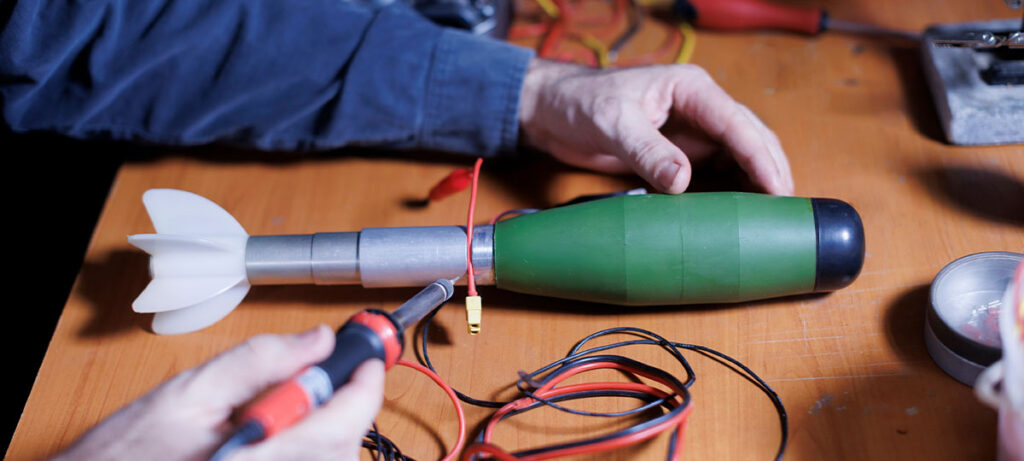
- Improper use of tools, machinery, or equipment in a way that risks others’ lives
- Risky behavior involving minors or vulnerable individuals
Key questions our lawyers look at in these cases:
- Was the risk truly “substantial and unjustifiable”?
- Did you actually know about the risk at the time?
- Did you act like most people would in the same situation?
- Is the State stretching the facts to fit a reckless homicide charge?
Sometimes prosecutors also use reckless homicide or related charges when deaths occur in recreational settings, workplaces, or homes. Having a defense team that understands both the law and real-world context is critical.
Defenses to Reckless Homicide Charges in Southern Illinois
Being charged with reckless homicide does not mean you are guilty. There are many ways to fight the State’s case, depending on the facts.
Here are some common defense strategies that may work in your Southern Illinois case:
Alibi and Identity: Were You the One Responsible?
One of the first questions is whether the State can prove you were the person who committed the act that allegedly caused the death. An alibi established that you couldn't have committed the crime.
We may use:
- Witness testimony placing you somewhere else
- Digital evidence like phone, location, or work records
- Physical evidence showing someone else was involved
If the State cannot firmly connect you to the alleged conduct, your defense gains significant strength.
Lack of Criminal Recklessness
We often argue that, even if something went wrong, your conduct did not rise to the level of “reckless” under Illinois law.
We may show that:
- You did not recognize any serious risk at the time
- The risk was not obvious or was misunderstood
- Your actions were consistent with how a reasonable person would have acted
This can shift the case from a criminal matter to an unfortunate accident, which is a key distinction in reckless homicide defense.
Reasonable Mistake About the Situation
Sometimes people act based on information they reasonably believe to be true—information that later turns out to be wrong.
For example, you may have believed a safety issue was fixed, that equipment was functioning properly, or that a certain act was safe under the circumstances. If that belief was reasonable, the State may struggle to prove you consciously ignored a known danger.
Lack of Causation
Even if there was risk, the State must prove your conduct actually caused the death. If another factor broke the chain of events, the law may not support a conviction.
We consider whether:
- Another person’s actions were the true cause
- A hidden defect or malfunction triggered the fatal event
- Unexpected medical complications played a central role
Necessity and Emergency Response
In some cases, people act in emergencies to avoid even greater harm. The law recognizes that split-second decisions in crisis situations are different from relaxed, deliberate choices.
We may argue that you acted out of necessity, trying to reduce danger, not create it. This can be a powerful way to counter a reckless homicide theory.
Penalties for Reckless Homicide in Southern Illinois
Reckless homicide is always serious, and it is usually charged as a felony in Southern Illinois. The range of punishment depends on the exact charge and any aggravating factors.
Possible Consequences of a Reckless Homicide Conviction
While each case is different, a conviction can bring:
- Multi-year prison sentences, often measured in many years—not months
- A permanent felony record
- Heavy fines, fees, and restitution obligations
- Strict probation or parole conditions
- Long-term limits on employment, housing, and licensing
- Damage to your reputation and relationships
Because the stakes are so high, early, aggressive defense is critical. One of our main goals is to avoid the most severe sentencing ranges and, where possible, to avoid a felony conviction altogether.

How Our Southern Illinois Reckless Homicide Defense Process Works
We use a clear, step-by-step approach so you always know what is happening, what we are doing, and why.
Step 1: Listen to Your Story
We begin by listening. You explain what happened, what you saw, what you believed, and how events unfolded. Your point of view is the foundation of your defense.
Step 2: Collect and Review the Evidence
Next, we gather all available evidence—police reports, witness statements, videos, photos, medical records, and expert opinions. We look for gaps, biases, and assumptions in the State’s narrative.
Step 3: Identify Defenses and Legal Issues
We compare the facts to what Illinois law actually requires. We look at recklessness, causation, and all possible defenses to find the strongest path forward for your case.
Step 4: Negotiate From a Position of Strength
With a solid defense strategy in place, we engage with prosecutors. We push for dismissals, charge reductions, or resolutions that avoid the harshest penalties whenever possible.
Step 5: Take the Case to Trial If Needed
If the State will not offer a fair outcome, we are ready to try your case. We present your story clearly, challenge the State’s evidence, and show the jury why reasonable doubt exists.
We explain your choices, possible outcomes, and risks at each stage. You will be involved in deciding whether to negotiate, accept a deal, or take your case to trial. It is your life, and your voice matters.