






Additional Links
- What to Do If You’re Charged With a Drug Crime
- Arrested for a Drug-Related Crime? Know Your Miranda Rights
- What Makes A Drug Charge Federal?
- What Constitutes a Federal Crime?
- What to Do If You Are Arrested For Drugs That Are Not Yours
- Can I Avoid Jail Time for a First-Time Drug Crime?
- Can a Class B Felony Be Expunged From My Record?
- Can Police Search My Phone?
- Top 10 Felony Questions

What Is Second Degree Drug Trafficking in St. Louis?
Second degree drug trafficking charges are some of the most punitive drug charges you can face in St. Louis. Under RSMo §579.068, a person commits second degree drug trafficking when they:
- Knowingly possess certain amounts of specific controlled substances
- Buys (or attempts to buy) certain amounts of specific drugs
- Brings certain amounts of specific drugs into Missouri
If you’re facing second degree drug trafficking charges in St. Louis, you need a criminal defense lawyer. Call Combs Waterkotte right away at (314) 900-HELP or reach out to us online.
There are some key terms to understand about the second degree drug trafficking statute that can help you understand what counts as a violation of it. The first is “knowingly,” which RSMo §556.061 defines as:
- A person being aware of the nature of their conduct
- A person understanding that their conduct is almost certain to cause a certain result
The next component is the word “possession.” The state of Missouri defines “possessing a controlled substance” in RSMo §195.010 as knowing drugs are present and having control over them. A few examples apply:
- A person may have the drugs directly on them (like in a bag or a pocket)
- A person may have the drugs somewhere they control or own (like a car, home, or other building)
- A person can share possession with another person, meaning two or more people may be considered to possess the same drugs at the same time
The other parts of the statute are relatively straightforward to the point where they’re not defined: You can be charged with second degree drug trafficking if you try to buy threshold amounts of certain drugs or if you simply bring them into Missouri from another state or country.
What Is the Difference Between First and Second Degree Drug Trafficking in St. Louis?
While second degree drug trafficking is a very serious offense in St. Louis, first degree drug trafficking is the most severe drug trafficking law on the books in Missouri.
Surprisingly, there’s a significant amount of overlap between the quantities and types of drugs that constitute first and second degree drug trafficking in St. Louis. The difference between the charges lies primarily with what a person is doing with the drugs in question.
First degree drug trafficking requires a person to distribute, deliver, manufacture, or produce certain amounts of controlled substances, while second degree drug trafficking only requires knowing possession or purchase of the substances.
The penalties for second degree drug trafficking, while still severe, are mostly less punitive than first degree drug trafficking offenses. For example:
- Distributing 30 grams of heroin is a Class B felony first degree drug trafficking charge
- Possessing 30 grams of heroin is a Class C felony second degree drug trafficking charge
What Are the Penalties for Second Degree Drug Trafficking in St. Louis?
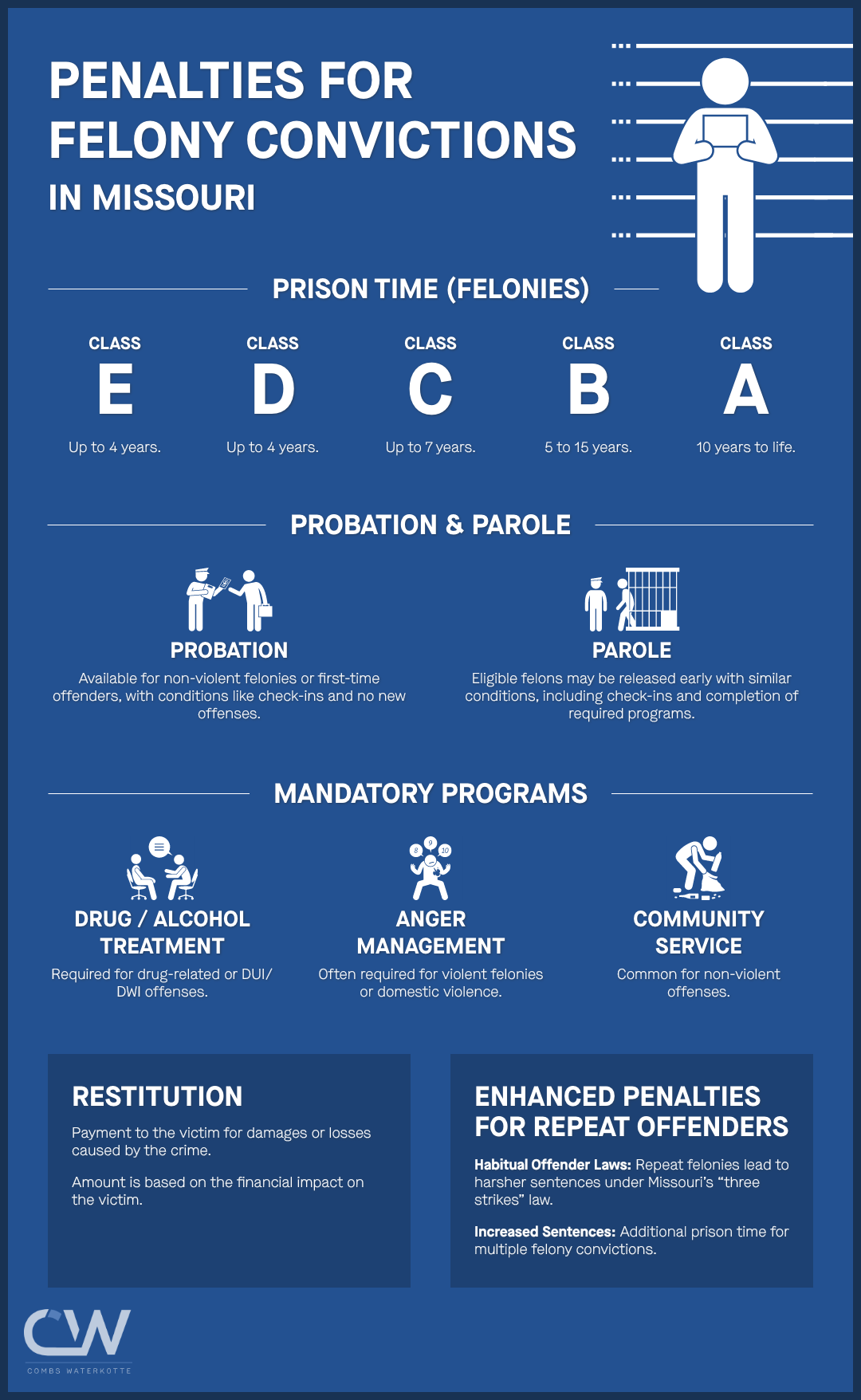
Second degree drug trafficking is always charged as a felony in St. Louis. The type of felony charge depends entirely on the type and weight of the substances involved.
Second degree drug trafficking is charged as a Class C felony in St. Louis for the following amounts of the following substances:
- More than 30 grams of heroin
- More than 150 grams of cocaine
- More than 500 milligrams of LSD (lysergic acid diethylamide)
- More than 4 grams of pure PCP (phencyclidine)
- More than 30 grams of a mixture containing PCP
- More than 30 kilograms of marijuana
- More than 30 grams of amphetamine or methamphetamine
- More than 30 grams of ecstasy (also known as MDMA or Molly, or the chemical name 3,4-methylenedioxymethamphetamine)
- More than 10 milligrams of fentanyl or carfentanil (or their analogs)
- Less than 1 gram of roofies (known by the brand name Rohypnol or the chemical name flunitrazepam) for one’s first offense
A second degree drug trafficking charge is a Class B felony in St. Louis for the following amounts of the following substances:
- 90 grams or more of heroin
- 450 grams or more of cocaine
- 1 gram or more of LSD
- 12 grams or more of pure PCP
- 90 grams or more of a mixture containing PCP
- 100 kilograms or more of marijuana
- More than 500 marijuana plants
- 90 grams or more (but less than 450 grams) of amphetamine or methamphetamine
- 90 grams or more (but less than 450 grams) of ecstasy
- 20 milligrams or more of fentanyl or carfentanil
- Less than 1 gram of roofies for one’s second offense
In some rare instances, second degree drug trafficking can be charged as a Class A felony in St. Louis. This applies for the following amounts of the following substances:
- 450 grams or more of amphetamine or methamphetamine
- 450 or more grams of ecstasy
Other Offenses Commonly Charged with Second Degree Drug Trafficking in St. Louis
In many instances, drug trafficking is not charged in a vacuum. Instead, considering the amounts of the substances involved, prosecutors tend to add additional charges to run up longer prison sentences, especially if violence or firearms are involved.
Some common offenses often charged along with second degree drug trafficking in the St. Louis area include:
- Delivery of a controlled substance (under RSMo §579.020)
- Drug possession (under RSMo §579.015)
- Maintaining a drug premises (under RSMo §579.105)
- Unlawful use of a weapon (under RSMo §571.030)
- Armed criminal action (under RSMo §571.015)
Armed criminal action is a particularly damaging charge, as its sentence must run concurrently with any potential drug trafficking penalties. In other words, if you receive a 10 year sentence for second degree drug trafficking and an 8 year sentence for armed criminal action, you’ll serve a total of 18 years in prison.
What to Do If You’re Charged with Second Degree Drug Trafficking in St. Louis
Despite the seriousness of a second degree drug trafficking charge, there are actually plenty of things you can do to help yourself if you’re arrested or charged. Keep the following advice in mind, as it can mean the difference between freedom and years in prison.
Exercise Your Right to Remain Silent

If law enforcement questions you about drug trafficking, you are not required to answer. Politely decline to speak and request an attorney before responding to any questions about alleged drug-related activity.
Contact an Experienced Criminal Defense Attorney Immediately
Second degree drug trafficking is a serious felony in Missouri that can carry significant prison time. A St. Louis drug trafficking lawyer can review the alleged quantity of drugs, examine search procedures, and start building your defense strategy right away.
Do Not Consent to Searches without a Warrant
Drug trafficking cases often involve vehicle stops, apartment or home searches, and cellphone data. Officers may ask for consent, even without a warrant. Politely refusing these requests can help prevent investigators from gathering additional evidence.
Don’t Discuss the Case with Anyone Except Your Attorney
Drug trafficking investigations often rely on statements between alleged co-defendants. Conversations with friends, family members, or coworkers (including texts or social media messages) may later be used by prosecutors to support trafficking allegations.
Preserve Evidence That May Help Your Defense
Be sure to save text messages, call logs, receipts, location data, or travel records that could help explain why you possessed certain items or were present at a specific location tied to the investigation.
Follow Bond Conditions and Court Orders Carefully
Drug trafficking charges may involve strict bond requirements, including travel restrictions or contact limitations. Violating these conditions could result in additional charges or losing your bond while your case is pending.
Do Not Attempt to Contact Alleged Co-Defendants or Witnesses
Second degree drug trafficking cases often involve multiple people. Attempting to contact others connected to the investigation could lead to accusations of witness tampering or obstruction. Be sure to let your lawyer handle all the pertinent communications of your case.