






Additional Links
- What to Do If You’re Charged With a Drug Crime
- Arrested for a Drug-Related Crime? Know Your Miranda Rights
- What to Do If You Are Arrested For Drugs That Are Not Yours
- Top 10 Felony Questions
- Ultimate Guide To Missouri Arrest Warrants
- When Should I Hire A Criminal Defense Lawyer?
- What Defense Options Do I Have for a Class B Felony Charge?
- If I’m Innocent, Do I Still Need a Criminal Defense Attorney?
- What Should I Do After Being Charged With a Crime?
- What Rights Do Felons Lose in Missouri?
First Degree Drug Trafficking Attorneys in St. Louis, MO
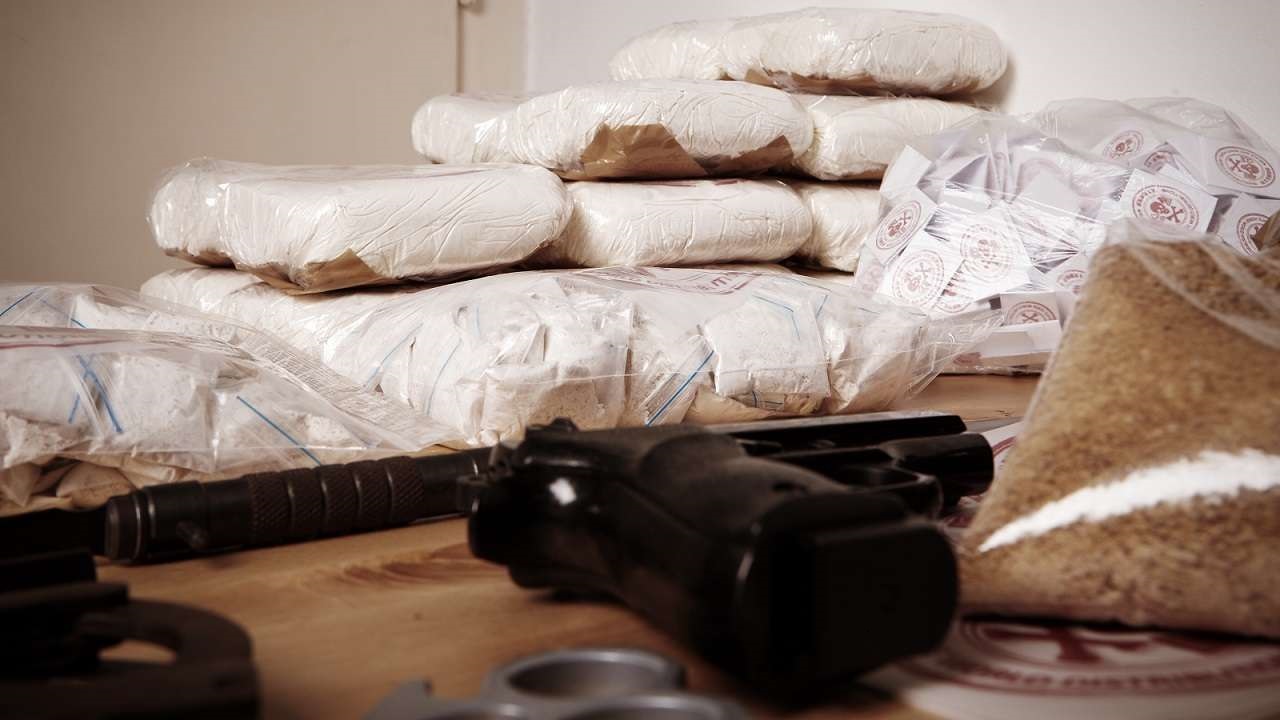
In St. Louis, a first degree drug trafficking charge is a serious allegation. Not only does a conviction come with fines, prison sentences, and the loss of civil rights under Missouri law, but certain cases may become severe enough to warrant federal drug trafficking charges.
If you’re facing first degree drug trafficking charges in St. Louis, reach out to Combs Waterkotte online today or call us at (314) 900-HELP for a free, confidential conversation.
The gravity and complexity of first degree drug trafficking cases mean that if you’re facing these charges, you need to reach out to an experienced drug crimes lawyer as soon as you can. Combs Waterkotte’s experienced team of lawyers, paralegals, and law clerks can help you to right against your drug charges and maintain your freedom.
Our experience and expertise mean we understand the nuances of Missouri law, and we use that knowledge to develop a robust defense strategy. We’re also ready to fight for a not-guilty verdict if we go to trial. We’ve helped hundreds of clients with drug charges before, and our record of victories in these cases speaks for itself.
What Is First Degree Drug Trafficking in St. Louis?
The definition of first degree drug trafficking is pretty broad under Missouri law. According to RSMo §579.065, someone can be charged with first degree drug trafficking in St. Louis if they knowingly distribute, deliver, manufacture, or produce (or attempt to distribute, deliver, manufacture, or produce) specific amounts of controlled substances.
The key terms in the statute are “distribute,” “deliver,” “manufacture,” or “produce.” RSMo §195.010 provides us with definitions for these four terms:
- Distribute means to deliver a controlled substance when not legally administering or dispensing it
- Deliver means the transfer of a controlled substance from one person to another that involves a sale (even if this transfer is taking place on behalf of someone else)
- Manufacture means the production, packaging, or repackaging of a natural or synthetic controlled substance, but does not include:
- Licensed professionals administering controlled substance for a medicinal purpose
- Drugs being chemically analyzed for legitimate research or teaching purposes
- Production is the manufacture, planting, cultivation, growing, or harvesting of a controlled substance
Doing any of these things (or attempting to do them) in combination with a threshold amount of a controlled substance can result in a first degree drug trafficking charge.
What Are the Penalties for First Degree Drug Trafficking in St. Louis?
The other key component to understanding first degree drug trafficking charges is the type and amount of the substance involved. The best way to consider these is through their penalties, both of which are felonies in St. Louis.
First degree drug trafficking is a Class B felony in St. Louis with a penalty of 5 to 15 years in prison for the following amounts of the following substances:
- More than 30 grams of heroin
- More than 150 grams of cocaine
- More than 500 milligrams of LSD (lysergic acid diethylamide)
- More than 4 grams of pure PCP (phencyclidine)
- More than 30 grams of a mixture containing PCP
- More than 30 kilograms of marijuana
- More than 30 grams of amphetamine or methamphetamine
- More than 30 grams of ecstasy (also known as MDMA or under the chemical name 3,4-methylenedioxymethamphetamine)
- More than 1 gram of roofies (known under the brand name Rohypnol or the chemical name flunitrazepam) for one’s first offense
- Any amount of GHB (also known as the “date rape” drug or gamma-hydroxybutyric acid) for one’s first offense
- More than 10 milligrams of fentanyl or carfentanil (or their analogs)
First degree drug trafficking is a Class A felony in St. Louis with a penalty of 10 to 30 years or life in prison for the following amounts of the following substances:
- 90 grams or more of heroin
- 450 grams or more of cocaine
- 1 gram or more of LSD
- 12 grams or more of pure PCP
- 90 grams or more of a mixture containing PCP
- 100 kilograms or more of marijuana
- 90 grams or more of amphetamine or methamphetamine
- 90 grams or more of ecstasy
- 1 gram of roofies (for a subsequent offense)
- Any amount of GHB (for a subsequent offense)
- 20 milligrams or more of fentanyl or carfentanil (or their analogs)
The statute also mentions that the possession of 30 grams or more of amphetamine, methamphetamine, or ecstasy within 2,000 feet of a school, school bus, public or government housing, hotel, or motel is a Class A felony.
Additional Consequences of a First Degree Drug Trafficking Conviction in St. Louis
Aside from the long prison sentences, there are a myriad of other consequences possible with a felony conviction for first degree drug trafficking in St. Louis, Missouri. These consequences can have a lasting impact on your personal and professional life.
Loss of Civil Rights
A conviction for first degree drug trafficking in St. Louis can result in the loss of several civil rights. While incarcerated, individuals lose their right to vote or serve on a jury. A felony conviction may also disqualify someone from holding public office and typically results in the loss of firearm rights under Missouri law and federal law.
Limited Career and Licensing Opportunities
A felony drug trafficking conviction can make it difficult to obtain or maintain professional licenses required for careers like nursing, teaching law enforcement, or commercial driving. Employers in many industries conduct background checks, and a first degree drug trafficking conviction can significantly limit job opportunities.
Potential Impact on Child Custody and Parental Rights
Courts may consider a first degree drug trafficking conviction when determining child custody or visitation arrangements. If the offense involved drugs in the home or circumstances that could endanger a child, a judge may limit custody rights or impose supervised visitation.
Immigration Consequences
For non-citizens, a first degree drug trafficking conviction can have severe immigration consequences, including deportation, denial of reentry into the United States, or permanent ineligibility for naturalization. Drug trafficking offenses are often treated as aggravated felonies under federal immigration law, making relief from removal extremely difficult.
Asset Forfeiture
Drug trafficking investigations frequently involve asset forfeiture, meaning law enforcement may seize money, vehicles, or property believed to be connected to drug trafficking activity. Recovering seized property can be difficult even if criminal charges are reduced or dismissed.
Federal Prosecution Risk
Large-scale drug trafficking cases sometimes attract federal law enforcement involvement, especially when drugs cross state lines or involve organized distribution networks. Federal drug trafficking charges often carry longer mandatory minimum sentences than state charges.
Housing Restrictions
A felony drug trafficking conviction can make it difficult to obtain housing. Many landlords conduct background checks, and individuals with first degree drug trafficking convictions may be denied rental applications or even evicted from federally subsidized housing programs.
Travel Restrictions
A first degree drug trafficking conviction can make it difficult to travel internationally. Many countries (including Canada) may deny entry to travelers with serious drug convictions.

Criminal Defense Strategies for First Degree Drug Trafficking Charges in St. Louis
The seriousness of a first degree drug charge in St. Louis should not be overstated. However, a good criminal defense lawyer can still come up with some sound criminal defense strategies that may help to reduce or even dismiss the charges.
Illegal Search and Seizure
Many first degree drug trafficking cases begin with traffic stops, home searches, or vehicle searches. If law enforcement violates the Fourth Amendment by searching without a warrant, probable cause, or valid consent, critical drug evidence may be suppressed.
Entrapment by Law Enforcement
An entrapment defense may apply in some first degree drug trafficking cases if police or confidential informants pressured or persuaded someone to sell or transport drugs they otherwise would not have handled. This defense challenges undercover operations that cross the line from investigation into inducing criminal behavior.
Lack of Knowledge or Intent
Prosecutors must prove that the defendant knowingly possessed or distributed controlled substances. If the accused did not know drugs were present because they were hidden inside their vehicle or a package, the defense may be able to argue a lack of intent on the defendant’s part.
Weight or Substance Testing Errors
First-degree drug trafficking charges depend heavily on the weight and identity of the substances in question. Defense attorneys may challenge lab testing procedures, purity calculations (for some substances), or measurement methods that could reduce the alleged charge below trafficking thresholds.
Duress or Coercion
In some cases, individuals may be forced or threatened into transporting or storing drugs for someone else. If the defendant acted under the immediate threats of harm and had no reasonable way to escape the situation, duress or coercion may serve as viable defenses.
Miranda Rights Violations
Statements made during an arrest or interrogation may be excluded if law enforcement failed to inform the defendant of their Miranda rights properly. Suppressing these statements can significantly weaken the prosecution’s ability to prove involvement in drug trafficking.
Fifth Amendment Violations
Prosecutors are not allowed to use statements obtained through coercion or improper interrogation tactics. If law enforcement pressured a suspect into confessing or making incriminating statements without respecting the defendant’s Fifth Amendment rights, those statements may be ruled inadmissible.
Alibi or Misidentification
In cases involving controlled buys or surveillance, an alibi defense may show the accused was not present during the alleged drug transaction. Misidentification by confidential informants or undercover officers can also create all-important reasonable doubt.