

Juvenile crimes lawyer in Peoria, IL. When a child is accused of a crime in Peoria, IL—even something that may seem minor, like truancy—the situation can escalate quickly. These cases can affect your child’s education, future opportunities, and your family’s stability in and around Peoria, IL. While Illinois emphasizes rehabilitation, juvenile charges can still result in detention, strict probation, and lasting consequences.
Reaching out to a criminal defense lawyer in Peoria, IL as early as possible gives your child the best chance to protect their future and move forward. The Peoria, IL juvenile defense team at Combs Waterkotte has over 80 years of combined experience helping minors and their families through challenging circumstances. We’re here to help you take the next step in Peoria, IL.
If your child is facing a juvenile charge in Peoria or anywhere in Illinois, call Combs Waterkotte at (314) 900-HELP or contact us online today to schedule a free, confidential consultation.
In this guide, you’ll learn:
- What is considered a juvenile offense in the Peoria, IL area and how the system works
- The types of charges minors commonly face in or around Peoria, IL, including drugs, assault, property crimes, and school-related issues
- What your child can expect during the Peoria, IL juvenile court process
- The possible penalties and lasting impact of a juvenile case
- How a Combs Waterkotte juvenile crimes defense lawyer in Peoria, IL can help protect your child every step of the way
Understanding Juvenile Crimes in Peoria, IL
In Peoria, IL, a juvenile offense refers to any criminal act committed by an individual under the age of 18. However, Illinois law may treat certain 17-year-olds differently depending on the nature of the charge. These cases are handled in juvenile court, which follows a separate process from adult criminal court but can still result in serious consequences.
Most juvenile cases in Peoria, IL fall into two main groups:
- Delinquency Offenses —These are actions that would be crimes for adults, like theft, assault, or drug-related charges.
- Status Offenses —These are only violations because of the child’s age, such as skipping school, breaking curfew, or running away.
What starts as a minor issue can quickly become more serious—especially if there are prior incidents or if the situation involves drugs or allegations of violence in the Peoria, IL area.

Common Types of Juvenile Offenses in Peoria, IL
Not every juvenile case starts with bad intent. In many situations, it’s a split-second decision, a group dynamic, or just being in the wrong environment at the wrong time. But once it turns into a legal issue in Peoria, IL, the consequences can range from supervision programs to time in the Illinois juvenile system. At Combs Waterkotte, we see certain types of cases come up again and again, including:
Drug Possession and Distribution Charges
Juvenile drug cases in Peoria, IL frequently involve substances such as marijuana, THC cartridges, alcohol, or prescription medications. Research indicates that a large percentage of youth in the system have some history of substance use, which often plays a role in these cases.
Many incidents originate in school settings, where Illinois law may require school officials to report certain behavior to law enforcement.
Some of the more common charges include:
- Possessing drugs
- Sharing or distributing drugs among peers
- Possession of THC vape cartridges
- Using prescription medication without a prescription
- Possession with an intent to deliver
- Distribution or sale to classmates or peers
- Drug-related activity on school property, which may result in enhanced penalties and mandatory school discipline
As part of the legal process, judges may require drug testing, counseling, or supervision. Schools may also take action, including suspension or removal from extracurricular activities. In more serious Peoria, IL cases, minors may face detention or long-term treatment.
Underage DUI and Zero-Tolerance Rules in Peoria, IL
Illinois doesn’t give minors much room for error when it comes to DUI charges. If you’re under 21, a BAC of just .01%—barely anything—can still lead to an arrest. In Peoria, IL, even a small amount of alcohol can trigger serious consequences that go beyond court, affecting driving privileges, insurance, and school involvement.
Underage DUI cases in Peoria, IL often involve situations like:
- Traffic stops based on suspected impairment
- Accidents that result in property damage
- Use of both alcohol and marijuana
- Higher BAC readings
- Presence of passengers in the vehicle
- Previous incidents or repeated violations
Consequences can include license suspension, court supervision, counseling, required evaluations, and, in some cases, detention. Because these situations can affect a young person’s future in Peoria, IL and beyond, they require careful attention and guidance.
Property Crime Charges in Peoria, IL
Property crimes are some of the more common issues we see in juvenile cases around Peoria, IL. Sometimes it starts small—like shoplifting—but it can quickly turn into more serious accusations, including burglary, especially if more than one person is involved.
Typical situations include:
- Shoplifting
- General theft offenses
- Breaking into or attempting to enter buildings
- Criminal damage to property
- Vandalism or graffiti-related activity
- Entering vehicles or buildings without permission
What might seem like a minor situation can lead to serious consequences in Peoria, IL, including paying restitution, probation, counseling, or even time in detention. If not addressed carefully, these cases can follow a young person long after the incident itself.
Fights, Threats, and Escalating Situations
A lot of juvenile cases in Peoria, IL don’t start out as serious crimes, they start as arguments. A disagreement at school, something said online, or a bad decision in the moment can spiral quickly. Once things turn physical or involve threats, though, schools and police tend to act fast, especially if someone gets hurt or a weapon is mentioned.
These violent offense cases in Peoria, IL may include:
- School fights
- Bullying or ongoing peer disputes
- Incidents in neighborhoods or public spaces in Peoria
- Social media conflicts that spill into real life
- Threatening or aggressive behavior
Depending on what happened, consequences can range from counseling and probation to detention in more serious cases.
Juvenile Weapons Offenses
Weapons-related allegations in juvenile cases are taken extremely seriously in Peoria, IL, especially when they involve schools or public places. In some cases, a minor may not have used or intended to use the weapon at all in Peoria, IL—but simply having access to it can still lead to charges.
These Peoria, IL cases can include:
- Having a firearm
- Carrying a concealed weapon
- Possession of prohibited items, such as knives, on school property
- Weapon found in a vehicle or backpack
Because of the perceived safety risks, these cases often trigger immediate action from schools and law enforcement. Consequences may include suspension, expulsion, and formal charges. In more serious circumstances, particularly those involving firearms, juveniles in Peoria, IL may face detention or potential transfer to adult court. Careful legal guidance is essential to protect the child’s future.
Juvenile Sex Offense Allegations in Peoria, IL
Sex offense cases involving minors are among the most complex and sensitive matters handled in the Peoria, IL juvenile system. These situations often arise from miscommunication between teenagers, poor judgment, online interactions, or disputed accounts of events.
Sex-related allegations in Peoria are typically handled with heightened scrutiny and involve more detailed procedures than other juvenile cases, including forensic interviews, evaluations, and close court supervision.
We commonly see allegations in Peoria involving:
- Accusations of sexual assault
- Sexting or sharing explicit content
- Claims of unwanted contact
- Inappropriate behavior at school
- Situations where the facts are unclear or contested
Depending on the case, courts may require counseling, enforce no-contact orders, and in more serious situations impose DNA collection or registration requirements. These allegations can have lasting effects on a young person’s education, relationships, and future opportunities in Peoria, IL and beyond.
School-Based Juvenile Offenses in Peoria, IL
Many Peoria, IL juvenile cases start with something that happens at school. Given that schools are often required to involve law enforcement, even situations that seem minor can quickly become more serious. It’s also important to know that anything your child says during a school disciplinary meeting may later be used in court.
We commonly see cases in Peoria involving:
- Fights or bullying
- Threats made in person or online
- Bringing prohibited items to school
- Vaping or drug-related issues
- Damage to school property
- Incidents involving multiple students
These cases often involve both school discipline and court proceedings in the Peoria, IL area. Many parents are surprised by how quickly things escalate and how a child’s statements can affect the outcome.
Peoria, IL Status Offenses
Status offenses refer to behaviors that are only considered violations because the individual is under 18. While these actions may appear minor, courts in Peoria, IL often treat them as indicators of broader concerns and respond accordingly.
Common examples in Peoria, IL include:
- Chronic truancy
- Breaking curfew
- Running away from home
- Refusing to attend school
- Ongoing defiance of parental or school authority
If these issues persist or court directives are ignored, consequences can intensify over time. What begins as a relatively minor matter can develop into more serious legal involvement without proper intervention. You need a Combs Waterkotte Peoria, IL juvenile crimes lawyer on your side to protect your child’s future.

How the Juvenile System Works in Peoria, IL (and Why It Matters)
Illinois approaches juvenile cases with a focus on rehabilitation—at least in theory. In reality, the consequences in Peoria, IL can still be significant.
Your child could face:
- Juvenile Detention
- Strict Probation
- Mandatory counseling programs
- Community service obligations
- School consequences like suspension or expulsion
- A record that can impact future opportunities
And in certain situations, minors in Peoria, IL may even be charged as adults.
That’s why it’s critical to understand:
This system may be different, but it is not forgiving by default.
Do Juveniles in Peoria, IL Have the Same Legal Rights as Adults?
Juveniles in Peoria, IL are entitled to important legal protections, including:
- The right to remain silent
- The right to legal counsel in Peoria, IL
- The right to be informed of the charges
- The right to challenge evidence and confront witnesses
- The right to a fair and impartial hearing
- The right to appeal certain decisions
But the way those rights play out in juvenile court is different:
- No jury trials —A judge controls the outcome.
- More flexibility — Judges look at the child’s history and environment.
- Different rules during questioning — Age matters, and parents may need to be involved.
- Potential for record relief — Some records may be sealed or cleared in the Peoria, IL area
- The system focuses on rehabilitation
The reality is that minors often give up their rights without realizing it. Fear, confusion, or pressure from authority figures can lead to statements that harm their case. Having an experienced Peoria, IL juvenile defense lawyer involved early helps ensure those rights are protected from the start.
Why Having a Juvenile Lawyer in Peoria, IL Makes a Difference
Many parents in Peoria, IL assume the court will “go easy” because their child is a minor.
That’s a dangerous assumption in the Peoria, IL area.
Without experienced legal guidance, a minor may face penalties that could have been avoided, lose access to diversion opportunities, or carry a record that impacts their future long after the case is resolved.
A knowledgeable Peoria, IL juvenile defense attorney can step in to:
- Ensure your child’s legal rights are fully protected
- Challenge weak or improperly obtained evidence
- Negotiate for reduced charges or dismissal
- Advocate for diversion or alternative sentencing
- Work to keep your child out of detention
- Minimize long-term impact on education and future opportunities
This isn’t just about the case, it’s about your child’s future in Peoria, IL and beyond.
The Combs Waterkotte Strategy in Peoria, IL: Focused, Individualized Defense
At Combs Waterkotte, we don’t treat juvenile cases in Peoria, IL like checklists—we treat them like what they are: situations that need a thoughtful, case-by-case approach.
That means we take the time to understand:
- The circumstances surrounding the incident
- Your child’s background, school situation, and home life
- How strong (or weak) the evidence really is
- Opportunities to resolve the Peoria, IL case without long-term consequences
From there, we build a strategy focused on:
- Keeping your child out of detention
- Avoiding or limiting a permanent record
- Protecting their education and future opportunities in Peoria, IL
We recognize that your child is more than the allegations they face in Peoria, IL, and we work to ensure the court recognizes that as well.
What to Expect After a Juvenile Arrest in Peoria, IL
If your child has been accused or taken into custody in Peoria, IL, the process usually follows a series of steps:
Step 1: Release or Detention Decision
Following an arrest in Peoria, IL, law enforcement must determine whether the minor can be released to a parent or should be held in juvenile detention. In Illinois, that decision is influenced by factors such as safety concerns, prior history, and whether the minor is considered a risk to themselves or others.
It can be frustrating and confusing for families when one child is detained and another, facing similar accusations, is allowed to go home. These decisions aren’t always predictable, which is why having an experienced juvenile crimes lawyer in Peoria, IL involved early can make a real difference.
Step 2: Detention Hearing
Once charges are formally filed, the case moves into juvenile court. The first major step is a detention hearing, where a judge decides whether your child stays in custody or is released under supervision. These decisions often happen quickly, sometimes before all the facts are fully developed—making early advocacy critical.
Step 3: Adjudication (The Court Hearing)
Instead of a jury trial, juvenile cases are decided by a judge in what’s called an adjudication hearing. The judge reviews the evidence, listens to witnesses, and hears arguments from both sides. While evidence rules still apply, judges have more flexibility to look at the bigger picture—including your child’s background and circumstances.
In Peoria, IL, defense strategies often focus on:
- Challenging inconsistent or unreliable statements
- Examining how evidence was obtained by law enforcement
- Highlighting weaknesses in the prosecution’s case
- Providing context for the alleged conduct
- Highlighting mental health or developmental factors
Step 4: Disposition (Sentencing Phase)
If the judge finds your child responsible, the case moves to disposition—essentially sentencing. Even though juveniles aren’t labeled as criminals, the consequences can still affect everyday life in Peoria, IL. Judges look at things like school performance, home environment, and prior issues when deciding what happens next.
Courts in Illinois aim to balance accountability with rehabilitation. However, limited local resources in the Peoria, IL area and facility capacity can influence the options available in each case.
Step 5: Record Sealing and Expungement
The good news is that Illinois law allows many juvenile records to be sealed once a child turns 18. That means they won’t show up in most background checks.
However, sealing does not erase the record entirely. Certain serious offenses in Peoria, IL may not qualify for automatic sealing, and expungement may require a separate legal process. Some records, including DNA data, may still be retained.
Planning for expungement early can make a meaningful difference. Clearing remaining records helps protect opportunities related to education, employment, housing, and military service, giving Peoria, IL young people the best possible start moving forward.
Why Families in Peoria, IL Choose Combs Waterkotte
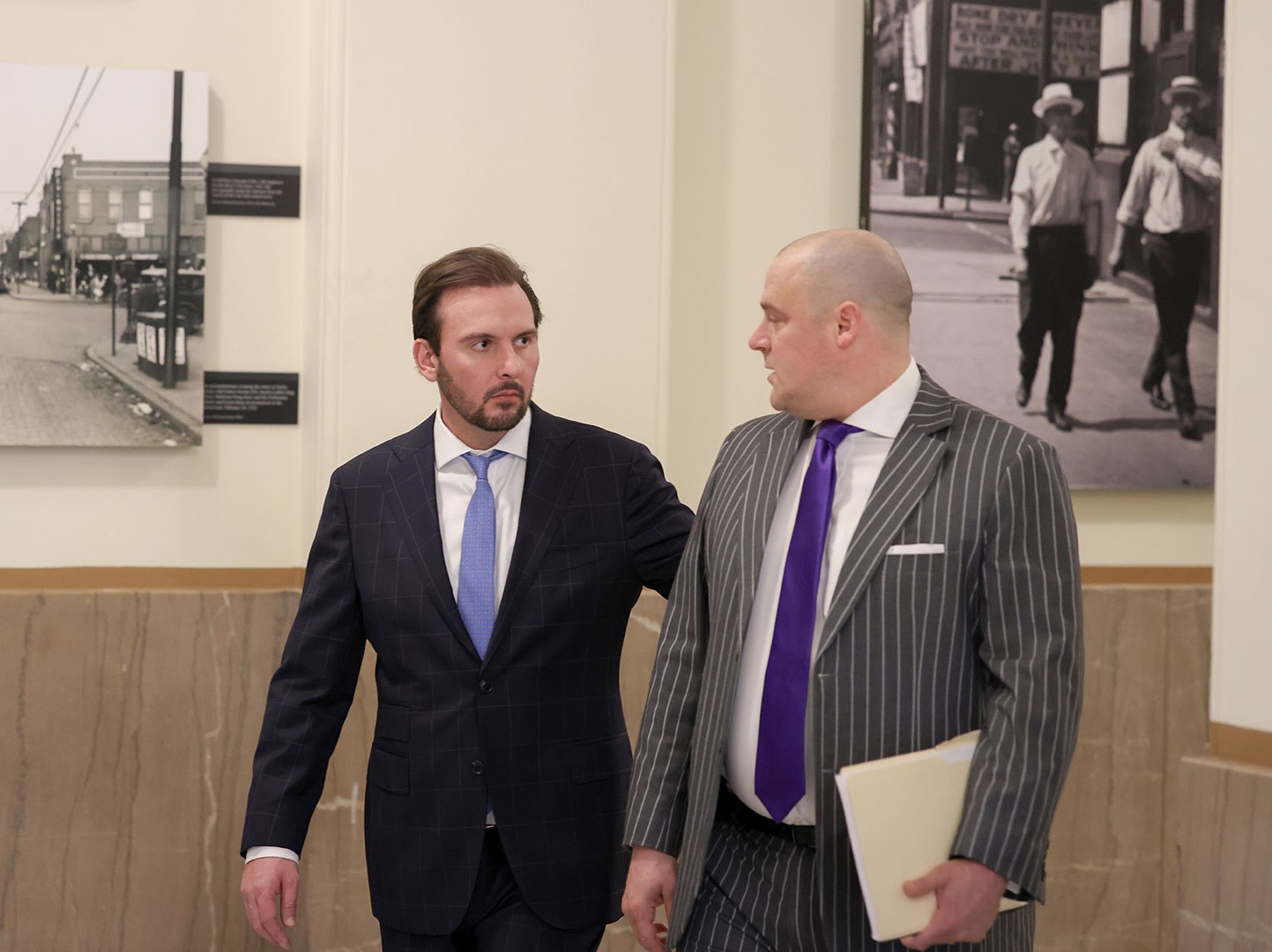
Combs Waterkotte is a leading criminal defense firm serving Peoria, IL families with decades of experience. We have handled thousands of cases involving minors, including complex and high-stakes juvenile charges in the Peoria, IL area.
We recognize what’s on the line—and we approach every case with that responsibility in mind. Families throughout Peoria, IL choose our firm because:
- We act quickly and strategically
- We provide straightforward, honest communication
- We prioritize results that matter, not just procedural steps
- We fight to protect what matters most: your child’s future
Speak with a Juvenile Defense Lawyer in Peoria, IL Today
If your child is facing charges in Peoria, IL, acting quickly can make a meaningful difference.
The sooner you involve a juvenile crimes lawyer in Peoria, IL, the more options you have—and the better positioned your child will be.
We work with families in Peoria, IL every day to navigate difficult situations and protect their children’s futures—and we’re ready to help you do the same.
Call (314) 900-HELP or reach out online today to get started.

