If you’ve been served with a protective order in Kansas City, MO, the order is legally active right now — even if you disagree with it, haven’t been arrested, or haven’t spoken to a judge yet. What you do in the next few hours matters.
Start with these three steps:
- Do not contact the petitioner in any way. This includes texts, calls, social media, emails, or messages sent through friends or family. Even a “harmless” message can lead to criminal charges.
- Follow the order exactly and read the paperwork carefully. The order explains what you can and cannot do, and the court date is mandatory.
- Speak with a defense attorney before the hearing. Protective order cases move fast, and what you do before you ever step into court often determines the outcome.
Combs Waterkotte’s criminal defense attorneys in Kansas City, MO help people understand what a protective order actually means, how to avoid accidental violations, and how to prepare for court. If you’re unsure what to do after being served with an order of protection, you can contact our firm or call (314) 900-HELP for legal support.

What It Means to Be Served with a Protective Order in Kansas City, MO
Being served with a protective order in Kansas City, MO, means the court has ordered you to stop all contact with another person immediately. That restriction applies before you’ve had a hearing and before you’ve had a chance to explain your side.
Most problems people face after being served don’t come from the original allegation — they come from misunderstanding what the order actually prohibits once it’s active.
What “No Contact” Actually Means in Missouri
When a protective order says “no contact,” the restriction is broader than most people expect. Once the order is active, you are prohibited from:
- Sending texts, calling, emailing, or messaging the petitioner, even once, even to apologize, or even if you think it will help. The “I said I’m sorry” text read aloud in court does not improve your legal situation.
- Using friends, family members, coworkers, or children to pass along messages. Courts still treat this as indirect contact.
- Interacting online in any way, including comments, reactions, tags, or private messages. Digital activity can still be used against your case.
- Going to locations listed in the order, such as the petitioner’s home, workplace, school, or other places identified by the court. This does not mean you can never enter a public place again. If you unexpectedly encounter the petitioner, leave immediately and make it a non-issue.
- Responding even if the petitioner reaches out to you first.
Many violations don’t happen out of anger. They happen because someone assumes a small exception exists or that an apology will fix things. It won’t. Only the court can change or lift a no-contact order.
How No-Contact Orders Affect Work, School, and Children
No-contact orders often create immediate, real-world problems because people still have jobs, children, and daily responsibilities. Being served does not automatically mean you lose your job or your right to see your children, but it does mean overlap must be handled carefully.
- Daily routines: If the petitioner is connected to your job or your child’s school, the order may limit proximity or communication. Temporary adjustments such as altered schedules or avoiding certain situations may be required.
- Children and exchanges: When children are involved, the order may require third-party exchanges or other short-term changes until the court hearing.
- Employer notification: Most orders do not require you to notify your employer unless the workplace itself is restricted or a coworker is involved. Limited disclosure may be necessary, but oversharing can create unnecessary problems.
- Unexpected encounters: Accidental proximity is one of the most common ways people violate protective orders. If this happens, disengage immediately and leave without interaction.
Because these situations are highly fact-specific, speaking with a Kansas City criminal defense attorney early can help you understand what the order allows, what it restricts, and how to avoid unintentional violations.
What “Being Served” with a Protective Order Actually Looks Like
In Missouri, being “served” with an ex parte order of protection means you were formally notified that a judge has issued a temporary order against you.
Service typically occurs when a law enforcement officer personally hands you the paperwork. This may happen at your home, workplace, or during police involvement related to the situation. In some cases, officers make a separate attempt to locate and serve you.
Your order of protection paperwork will usually include:
- The names of the people covered by the order and who is restricted.
- Clear limits on communication, including direct, indirect, online, or physical contact.
- Any locations you must avoid, as identified by the court.
- The court date when a judge decides whether the order continues.
At this stage, the paperwork controls what you can and cannot do. Read it carefully before taking any next step.
You do not have to be arrested, sign anything, or speak to a judge for service to count. Once the order is delivered, it applies immediately. If you’re unsure whether what you received is legitimate, Missouri courts provide public guidance on how orders of protection are issued and enforced.

Common Reasons Protective Orders Are Filed in Missouri
In Missouri, protective orders are usually filed during periods of escalating conflict rather than after a single, isolated incident. Most come out of breakups, separations, or ongoing domestic violence allegations and disputes, where emotions run high and court intervention feels like the fastest way to create legal boundaries.
Custody disputes are another common flashpoint. Disagreements over visitation and parenting time, child exchanges, school decisions, or household boundaries can escalate quickly when one party turns to the court to impose structure or regain control.
Other petitions are based on allegations of harassment or stalking, such as repeated messages, unwanted contact, or boundary disputes that spiral over time. These cases do not always involve physical violence and are often framed as safety concerns tied to communication rather than conduct.
In academic settings, similar allegations may overlap with Title IX investigations, where complaints about communication, boundaries, or perceived misconduct can trigger both school discipline and court-ordered restrictions at the same time.
Being served with a protective order does not mean the allegations have been proven or that the order will automatically become permanent. The hearing exists to determine whether the order should continue based on evidence, testimony, and the specific facts presented by both sides.
Challenging or Appealing a Protective Order in Missouri
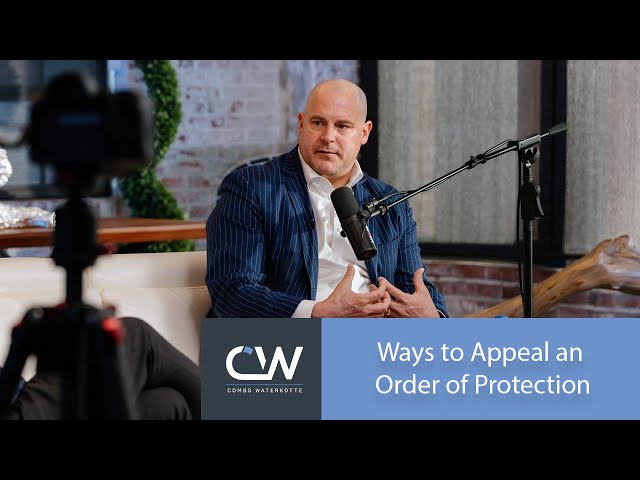
Being served with a protective order does not mean the allegations are true or that the order must remain in place. Missouri law allows you to challenge the order at the hearing and, in some situations, appeal a final ruling. That hearing is governed by Missouri law, which requires the court to evaluate evidence before deciding whether the order continues.
- Contest the order by presenting evidence, testimony, and context the court did not hear when the temporary order was issued.
- Challenge whether the allegations meet the legal standard for a full order of protection.
- Request modification, termination, or appeal depending on timing and circumstances.
- Work with a defense attorney to manage procedure, cross-examination, and legal arguments.
The hearing is also where the judge decides how long an order of protection may last, whether it remains temporary, becomes a full order, or is dismissed.
Talk to a Kansas City, MO, Protective Order Defense Attorney Now
If you’ve been served with a protective order in Kansas City, MO, you don’t have to guess what to do next or risk making a mistake that follows you into court. A defense attorney can review the order, explain what it restricts, and help you prepare before deadlines lock in consequences.
The criminal defense attorneys at Combs Waterkotte have managed thousands of cases and built a record of case victories. Call (314) 900-HELP or contact us online to speak with a Kansas City, MO, protective order defense attorney.