

Leading Cook County, IL juvenile crimes lawyer. When a child is accused of a crime in Cook County, IL—even something that may seem minor, like truancy—the situation can escalate quickly. These cases can affect your child’s education, future opportunities, and your family’s stability in and around Cook County, IL. While Illinois emphasizes rehabilitation, juvenile charges can still result in detention, strict probation, and lasting consequences.
The earlier you involve a Cook County, IL defense lawyer, the better chance you have to protect your child’s future. At Combs Waterkotte, our team has over 80 years of experience helping families through situations like this—and we know how to act quickly when it matters most in Cook County, IL.
If your child is facing a juvenile charge in Cook County or anywhere in Illinois, call Combs Waterkotte at (314) 900-HELP or contact us online today to schedule a free, confidential consultation.
In this guide, you’ll learn:
- How juvenile offenses are defined in the Cook County, IL area and how the system operates
- The most common charges minors face in Cook County, IL—from drugs and assault to property crimes and school issues
- What your child may experience throughout the Cook County, IL juvenile court process
- The potential penalties and long-term consequences of a juvenile case
- How a Combs Waterkotte juvenile defense lawyer in Cook County, IL can help safeguard your child’s future
What Is Considered a Juvenile Crime in Illinois?
In Cook County, IL, a juvenile crime generally means any offense committed by someone under 18. That said, Illinois law sometimes treats 17-year-olds differently depending on the charge, which can affect how the case is handled. While juvenile court is designed to focus on rehabilitation, it can still carry serious consequences.
Juvenile cases in Cook County, IL fall into two primary categories:
- Delinquency Offenses —Conduct that would be considered criminal if committed by an adult, including offenses such as assault, theft, or drug possession.
- Status Offenses —These are only violations because of the child’s age, such as skipping school, breaking curfew, or running away.
What starts as a minor issue can quickly become more serious—especially if there are prior incidents or if the situation involves drugs or allegations of violence in the Cook County, IL area.

Cook County Resources
Below are quick links to important websites that may assist you with your legal matters in Cook County and Illinois.
- Illinois Criminal Defense Resources
- Illinois Criminal Defense Practice Areas
- Illinois Compiled Statutes
- Illinois Courts
- Illinois Supreme Court Rules
- Illinois Secretary of State
- Illinois State Police
- Illinois Department of Corrections
- Cook County Website
- Cook County Court
- Cook County Jail
- Cook County Sheriff’s Office
- Christopher Combs
- Steven Waterkotte
Common Types of Juvenile Offenses in Cook County, IL
Juvenile cases in Cook County, IL often arise from situations that escalate quickly—impulsive decisions, peer pressure, or being in the wrong place at the wrong time. While the juvenile system emphasizes rehabilitation, outcomes can still range from counseling programs to placement in the Illinois Department of Juvenile Justice. Our Cook County, IL juvenile defense attorneys regularly handle a wide range of charges, including:
Drug Charges Involving Minors
Drug-related accusations in Cook County, IL are one of the most frequent reasons minors end up in court. These cases often involve marijuana, THC vapes, alcohol, or prescription medications being shared between friends. In fact, studies show that a large portion of juveniles in the system have dealt with substance use.
School settings play a big role in many of these cases. Because schools are often required to report certain conduct, what starts as a disciplinary issue can quickly become a criminal matter.
Typical drug-related charges in the Cook County, IL area include:
- Possessing drugs
- Sharing or distributing drugs among peers
- Carrying THC vape cartridges
- Using prescription drugs without authorization
- Intent to deliver
- Selling or distributing substances
- Drug-related activity on school property, which may result in enhanced penalties and mandatory school discipline
Depending on the circumstances, consequences may include court supervision, mandatory counseling, drug testing, and school discipline. In more serious cases, detention or long-term treatment programs may be ordered in the Cook County, IL area.
Underage DUI in Cook County, IL: Zero-Tolerance Means Exactly That
Illinois enforces strict zero-tolerance laws for minors charged with DUI offenses. For individuals under 21, a BAC as low as .01% can result in arrest and administrative penalties. Even minimal alcohol consumption can lead to significant consequences, impacting not only the Cook County, IL legal case but also driving privileges, insurance rates, and school-related activities.
Underage DUI cases in Cook County, IL may involve:
- Traffic stops based on suspected impairment
- Accidents that result in property damage
- Combined use of alcohol and marijuana
- Higher BAC levels
- Presence of passengers in the vehicle
- Previous incidents or repeated violations
Potential outcomes may include license suspension, court supervision, mandatory evaluations, counseling, and, in more serious cases, detention. Given the long-term implications, these cases require prompt and informed legal guidance.
Property-Related Offenses in Cook County, IL
Property crimes are some of the more common issues we see in juvenile cases around Cook County, IL. Sometimes it starts small—like shoplifting—but it can quickly turn into more serious accusations, including burglary, especially if more than one person is involved.
Examples of common Cook County, IL property-related charges include:
- Shoplifting
- Theft of personal or retail property
- Burglary or attempted burglary
- Damaging someone else’s property
- Vandalism or graffiti
- Entering vehicles or buildings without permission
What might seem like a minor situation can lead to serious consequences in Cook County, IL, including paying restitution, probation, counseling, or even time in detention. If not addressed carefully, these cases can follow a young person long after the incident itself.
Fights, Threats, and Escalating Situations
Many Cook County, IL juvenile cases begin with conflicts that escalate—whether it’s a disagreement at school, a situation fueled by social media, or a moment of poor judgment. Unfortunately, when these situations turn physical or involve threats, schools and law enforcement often take immediate action, especially if someone is injured or a weapon is involved.
These violent offense cases in Cook County, IL may include:
- School fights
- Bullying or peer conflicts
- Incidents in neighborhoods or public spaces in Cook County
- Social media disputes that escalate
- Threatening or aggressive behavior
Depending on what happened, consequences can range from counseling and probation to detention in more serious cases.
Weapons Charges
Weapons-related allegations in juvenile cases are taken extremely seriously in Cook County, IL, especially when they involve schools or public places. In some cases, a minor may not have used or intended to use the weapon at all in Cook County, IL—but simply having access to it can still lead to charges.
Common situations in Cook County, IL include:
- Possession of a firearm
- Carrying a concealed firearm
- Possession of a knife or other prohibited item on school grounds
- Weapon found in a vehicle or backpack
Because of the potential risk to others in the Cook County, IL area, prosecutors and school officials tend to respond aggressively to these allegations. Consequences can include immediate school discipline, suspension or expulsion, and involvement of law enforcement. In more serious situations, particularly those involving firearms, juveniles in Cook County may face detention or even the possibility of being charged as an adult. These Cook County, IL cases require careful handling to protect both the child’s rights and their long-term future.
Sex Offenses in Cook County, IL
Sex offense cases involving minors are among the most complex and sensitive matters handled in the Cook County, IL juvenile system. These situations often arise from miscommunication between teenagers, poor judgment, online interactions, or disputed accounts of events.
Sex-related allegations in Cook County are typically handled with heightened scrutiny and involve more detailed procedures than other juvenile cases, including forensic interviews, evaluations, and close court supervision.
We commonly see allegations in Cook County involving:
- Sexual assault
- Sexting or sharing images
- Unwanted or inappropriate physical contact
- School-related incidents
- Situations where the facts are unclear or contested
Depending on the case, courts may require counseling, enforce no-contact orders, and in more serious situations impose DNA collection or registration requirements. These allegations can have lasting effects on a young person’s education, relationships, and future opportunities in Cook County, IL and beyond.
School-Based Juvenile Offenses in Cook County, IL
Many Cook County, IL juvenile cases start with something that happens at school. Given that schools are often required to involve law enforcement, even situations that seem minor can quickly become more serious. It’s also important to know that anything your child says during a school disciplinary meeting may later be used in court.
Common school-related allegations in Cook County, IL include:
- Fighting or bullying
- Making threats
- Bringing restricted items to school
- Vaping or drug-related issues
- Damage to school property
- Group misconduct
These cases often involve both school discipline and court proceedings in the Cook County, IL area. Many parents are surprised by how quickly things escalate and how a child’s statements can affect the outcome.
Cook County, IL Status Offenses
Some behaviors are only considered violations because your child is under 18. These are called status offenses, and while they may seem minor, courts in Cook County, IL often take them seriously as warning signs.
Examples in Cook County include:
- Skipping school
- Curfew violations
- Running away
- Refusing to attend school
- Ongoing defiance of parental or school authority
If these issues continue, or if court orders aren’t followed, they can escalate quickly. What starts small can turn into a much bigger legal problem over time. You need a Combs Waterkotte Cook County, IL juvenile crimes lawyer on your side to protect your child’s future.

How the Juvenile System Works in Cook County, IL (and Why It Matters)
Illinois’s juvenile system is designed with a focus on rehabilitation over punishment. However, that does not mean the consequences are minor in Cook County, IL.
Your child could face:
- Detention
- Supervised probation with strict conditions
- Mandatory counseling programs
- Community Service
- School consequences like suspension or expulsion
- A record that may follow them into adulthood
In certain cases in Cook County, IL, minors may even be prosecuted as adults.
Bottom line: the system may be different from adult court—but it’s not something to take lightly.
Do Juveniles in Cook County, IL Have the Same Legal Rights as Adults?
Minors in Cook County, IL are granted several important constitutional protections, including:
- The right to remain silent
- The right to an attorney in Cook County, IL
- The right to be informed of the charges
- The right to challenge evidence and confront witnesses
- The right to a fair hearing
- The right to appeal certain decisions
However, juvenile proceedings in Cook County, IL differ significantly from adult criminal cases:
- No jury trials — Cases are decided by a judge.
- Greater judicial discretion — Judges consider the minor’s background and circumstances
- Different interrogation rules —Police must consider a minor’s age and may need to involve a parent or guardian.
- Potential for record relief — Some records may be sealed or cleared in the Cook County, IL area
- Focus on rehabilitation over punishment
.
Despite these protections, minors often unknowingly waive their rights due to stress or pressure. Early involvement of a knowledgeable Cook County, IL juvenile defense attorney can help ensure those rights are preserved.
Why Having a Juvenile Lawyer in Cook County, IL Makes a Difference
Many parents in Cook County, IL assume the court will “go easy” because their child is a minor.
That’s not something you want to rely on in the Cook County, IL area.
Without experienced legal representation in Cook County, IL, your child may face harsher outcomes than necessary, miss opportunities for diversion programs, or end up with a record that could have been avoided.
An experienced juvenile defense lawyer in Cook County, IL can:
- Protect your child’s constitutional rights
- Push back on weak or flawed evidence
- Pursue reduced charges or case dismissal when appropriate
- Advocate for alternatives to formal prosecution
- Work to keep your child out of detention
- Limit long-term consequences affecting education and future prospects
This isn’t just about getting through the Cook County, IL case, it’s about making sure one situation doesn’t define everything that comes next.
The Combs Waterkotte Approach in Cook County, IL: Protecting Your Child at Every Stage
At Combs Waterkotte, we don’t take a one-size-fits-all approach to juvenile defense in Cook County, IL.
We look at:
- What actually happened, not just what’s written in a report
- Your child’s background and circumstances
- The strength of the evidence
- Opportunities to resolve the Cook County, IL case without long-term consequences
Based on that analysis, we develop a defense strategy focused on:
- Keeping your child out of detention
- Reducing or eliminating lasting records
- Protecting their education and future opportunities in Cook County, IL
At the end of the day, your child is not just a case file—and we make sure the system doesn’t treat them like one.
What Happens After a Juvenile Arrest in Cook County, IL?
If your child has been arrested or accused of a crime in Cook County, IL, the process typically includes:
Step 1: Release or Detention Decision
Following an arrest in Cook County, IL, law enforcement must determine whether the minor can be released to a parent or should be held in juvenile detention. In Illinois, that decision is influenced by factors such as safety concerns, prior history, and whether the minor is considered a risk to themselves or others.
It’s not uncommon for families to be confused when one child is detained while another facing similar allegations is released. Early involvement from an experienced Cook County, IL juvenile crimes lawyer can be critical in advocating for your child’s release.
Step 2: Detention Hearing
After a petition is filed, the case officially enters the juvenile court system. The initial hearing determines whether the minor will remain in custody or be released under supervision. These determinations are typically made quickly and with limited information, which is why early legal representation in Cook County, IL is so important.
Step 3: Adjudication (Trial)
Instead of a jury trial, juvenile cases are decided by a judge in what’s called an adjudication hearing. The judge reviews the evidence, listens to witnesses, and hears arguments from both sides. While evidence rules still apply, judges have more flexibility to look at the bigger picture—including your child’s background and circumstances.
In Cook County, IL, defense strategies often focus on:
- Pointing out inconsistencies in statements
- Scrutinizing how evidence was obtained
- Identifying weaknesses in the State’s case
- Providing context for the child’s actions
- Highlighting mental health or developmental factors
Step 4: Disposition (What Happens Next)
If the court finds the minor responsible, the case moves to disposition. While juveniles are not formally labeled as criminals, the court can impose conditions that significantly impact daily life in Cook County, IL. Judges consider factors such as family environment, school performance, and prior history when determining outcomes.
Courts in Illinois aim to balance accountability with rehabilitation. However, limited local resources in the Cook County, IL area and facility capacity can influence the options available in each case.
Step 5: Record Sealing and Expungement
Illinois law offers important protections for juvenile records. Many records are automatically sealed at age 18, meaning they are no longer publicly accessible and typically do not appear on background checks.
But sealing isn’t the same as erasing the record completely. Some cases, especially more serious ones in Cook County, IL, may require additional steps like expungement, and certain records may still exist behind the scenes.
Planning ahead for record clearance can help protect your child’s future opportunities, from school to jobs to housing.
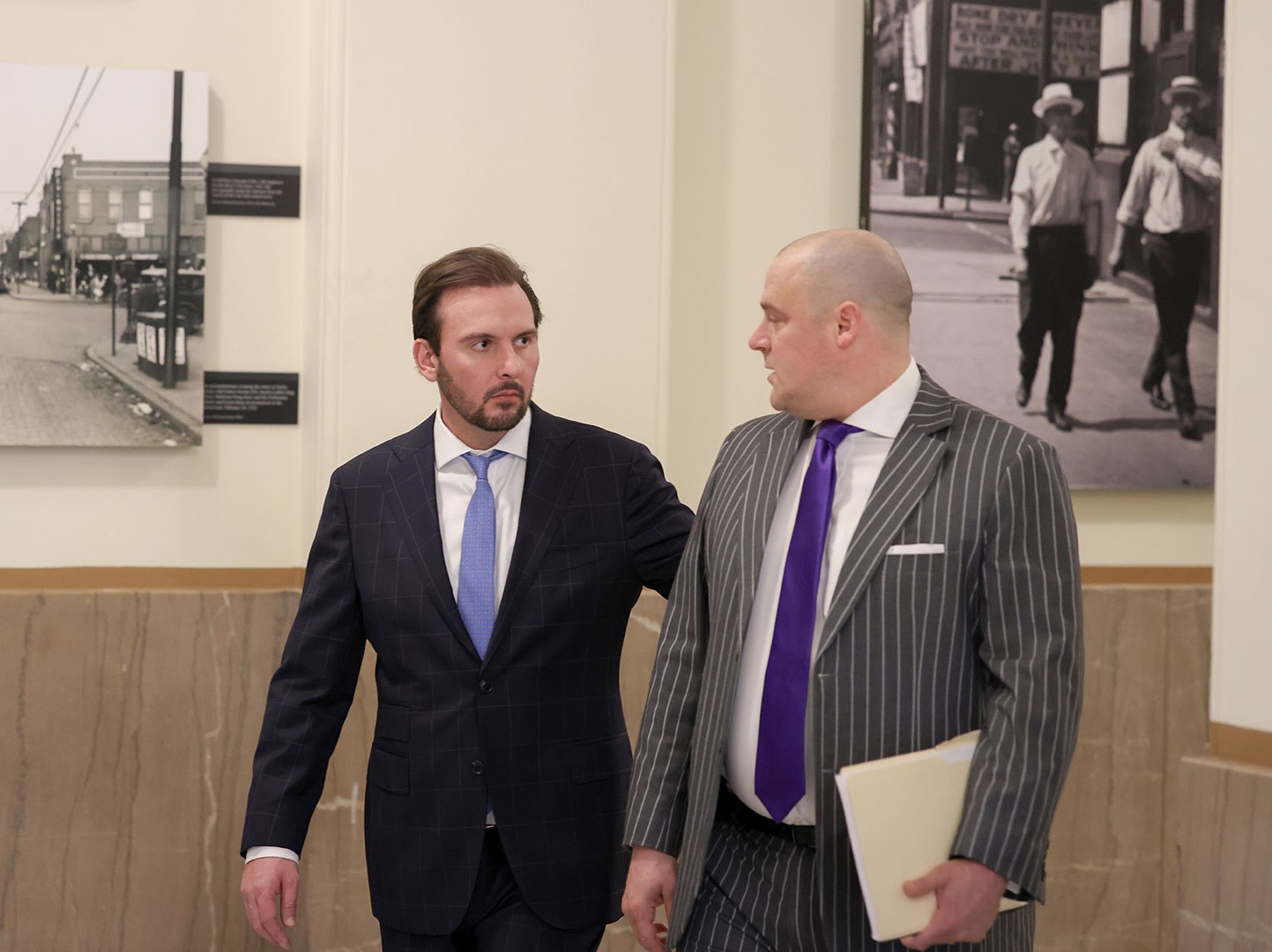
Why Cook County, IL Families Turn to Combs Waterkotte for Juvenile Defense
When your child is facing a criminal charge, experience matters. So does the approach. At Combs Waterkotte, we’ve helped families across Cook County, IL handle thousands of juvenile cases, including situations where the stakes are high and the path forward isn’t clear.
We recognize what’s on the line—and we approach every case with that responsibility in mind. Families throughout Cook County, IL choose our firm because:
- We move quickly to protect your child’s position from the start
- We keep you informed every step of the way
- We focus on real outcomes, not just process
- We fight to make sure one mistake doesn’t define your child’s future
Talk to a Juvenile Crimes Lawyer in Cook County, IL Right Away
If your child has been accused of a crime in Cook County, IL, don’t wait to get help.
The sooner you involve a juvenile crimes lawyer in Cook County, IL, the more options you have—and the better positioned your child will be.
We work with families in Cook County, IL every day to navigate difficult situations and protect their children’s futures—and we’re ready to help you do the same.
Call (314) 900-HELP or reach out online today to get started.

